Chasewater Railway’s Volunteer Day




This is the latest, and probably the last, book to be published by the Cannock Chase Mining Historical Society.
The Cannock Chase Coalfield has been covered by the series of books written by various authors over the past few years. They are all on sale in the Chasewater Railway Museum, which is open on train running days.
Mick Drury, who wrote this book, and others in the series, starting with the Conduit and Littleton Collieries, followed by William Harrison Company Ltd., The Lesser Known Coalmines of the Cannock Chase Coalfield, Cannock Old Coppice Colliery (Hawkins Colliery) and, with the late Jack Sunley and Maurice Davies, Education, Training and Rescue in the Cannock Chase Coalfield.
The Cannock Chase Coalfield was fully covered by this series of books from the Cannock Chase Mining Historical Society and this left Mick, who was instrumental in the formation of the Society and, for a time, Chairman, with the completion of this book ‘Boots All My Life’.
All of the books are available in the Chasewater Railway Museum (‘Boots All My Life’ – £14.00) or by using the link below.
The book is priced: £14.00 + p&p.
The items in this post were found in one of the old magazines in the museum archives.
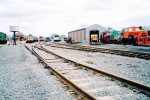
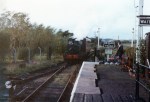
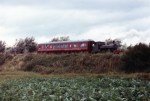
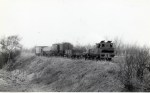
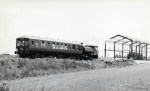
Good progress has been made by the Midland area members of the Railway Preservation Society on the Chasewater Light Railway Branch which will be used to display their rolling stock and to run locomotives.
During the Winter months, however, only a few real stalwart members continue to lift and re-lay track despite the cold and wet conditions. Weather permitting, working parties were held on Saturday afternoons. The Hon.Sec. (Mr.D.A.Ives) has emphasised that track laying must continue at full pace if the length is to be completed as scheduled by April.
The Chasewater party comprises 12 regular members, who are now resigned to the fact that the job will have to be completed by them, and them alone.
A strong steel door has been fitted to the platelayers’ hut at Chasewater where it is intended to store all the platelayers’ tools.
Latest reports indicate that the job will be complete on schedule. Negotiations are taking place with a view to erecting a permanent building at Chasewater in the near future which will be used to house all the locomotives and rolling stock.
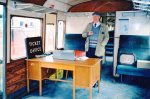
At the Society’s Hednesford depot, regular Winter maintenance is being undertaken to the vehicles. Further relics have been added to the interior display of the travelling post office vehicle.
Members are being urged to give the Society full support during 1966 to enable the projects to be carried through.
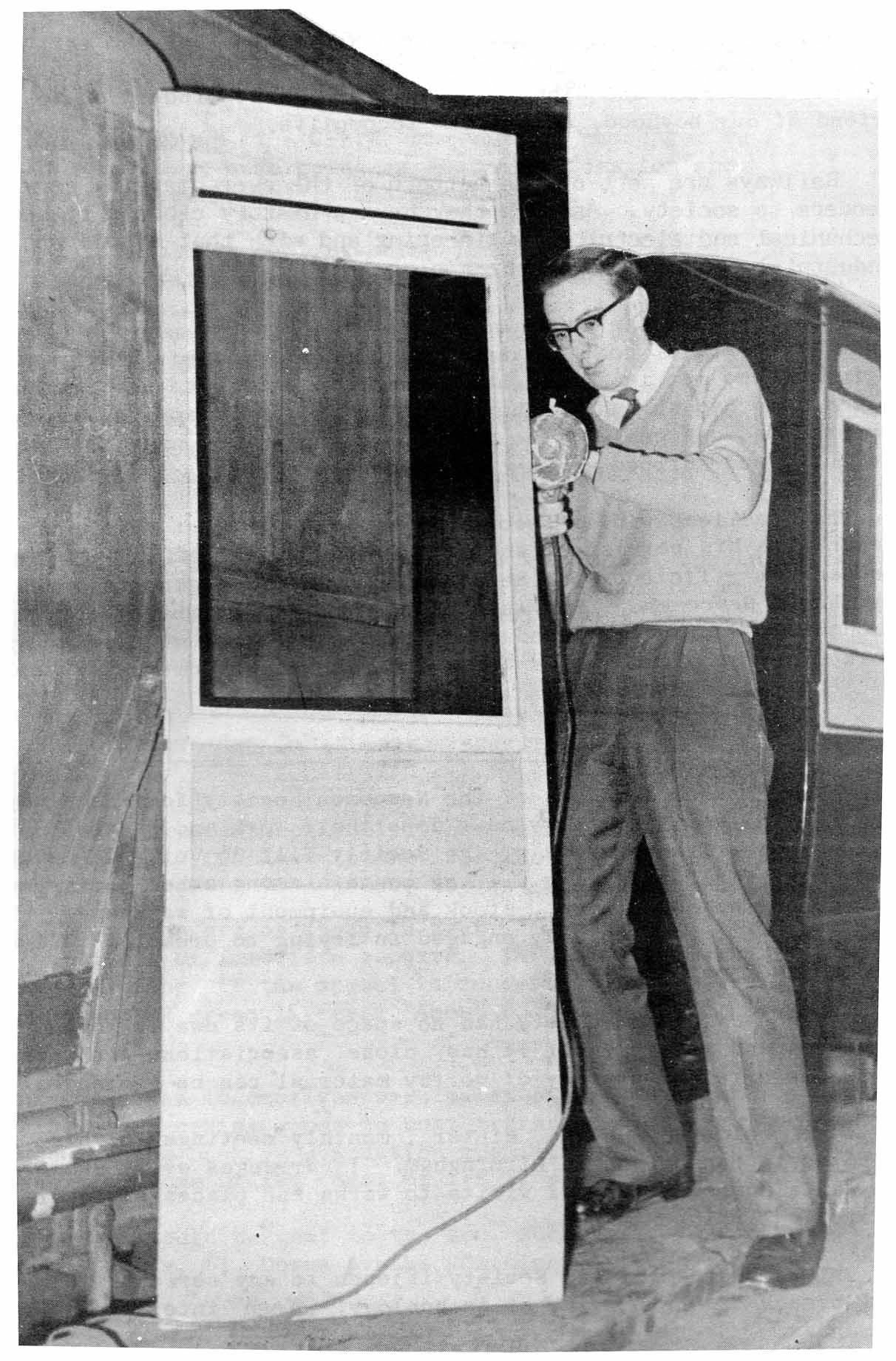
Mr. Frank Harvey, a member of the Midlands Area, Railway Preservation Society, made this door for the Maryport and Carlisle Railway coach now being restored.

An early picture of two historic coaches prior to their restoration by the Midlands area Railway Preservation Society.
They are: right the Maryport and Carlisle Railway coach and the Great Eastern Railway third class brake. Photos taken at Rawnsley, Cannock by R.C.Riley March 1960.

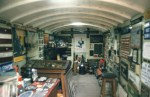
Details of the ‘Railway Forum’ film theatre recently published in the magazine have resulted in a number of inquiries from readers. Picture above is a section of the auditorium showing the projection box. The cinema, which is at the RPS depot at Hednesford, Staffordshire, is open during the summer months and can hold 18 people. Special programmes are screened on railway subjects to visiting parties by appointment.
Three film sizes can be shown: 8mm, 9.5mm and 16mm (sound). Facilities are also available for cutting and splicing. Latest film to be produced commemorates the centenary of the Talyllyn Railway.

This was a surprise because, although I knew that the loco had existed, I had never even seen a photograph of it.
‘Brown’ was the fourth of five Beyer Peacock locos acquired by the Cannock Chase Colliery Company, 0-4-2ST No.794/1867, acquired new. Substantially dismantled in 1926 and some parts utilised to maintain the existing fleet. The rest was scrapped. John Newland Brown was Manager and Chief Engineer of the company around the late 1860s. No-one seems to have a picture of this loco.
This item had been owned by a Cannock family with connections to the Cannock Chase Colliery Company.
The nameplate was acquired by the museum by way of the Midland Counties Railway Auctions.
If anyone should have a photograph of this locomotive, would you please let the Chasewater Railway Museum have a copy?
Click on a pic for a larger version and use the side arrows to move on.

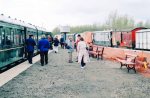
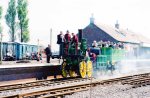
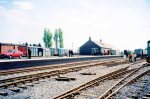
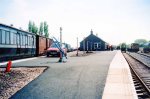
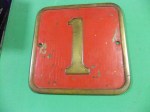

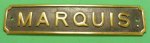
Number 1 is from the Cannock & Rugeley loco – ‘Marquis’
The name originates from the first Marquis of Anglesey, a title awarded to the Earl of Uxbridge who fought along side Wellington at the Battle of Waterloo. Carried by the Lilleshall Company built 0-6-0 saddle tank new to the Cannock and Rugeley Collieries as their first loco in 1867, she or is it he lasted until cut up at the NCB Cannock Central Workshops during May 1964.
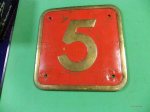
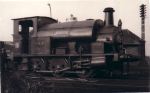
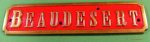
No.5 is from Cannock & Rugeley loco ‘Beaudesert’
Beaudesert from the little 0-6-0 saddle tank built by Fox Walker, works number 266 of 1875 supplied new to Cannock and Rugeley Collieries as their number 5. Beaudesert was the ancestral home of the Paget family who became Earls of Uxbridge before being given the title and Estate Marquis of Anglesey. Finally cut up in 1964 the other nameplate of the loco survives and is on display in Kidderminster Railway Museum.
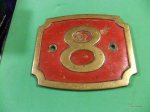

No.8 is from Cannock & Rugeley loco ‘Harrison’
No.8 Harrison 0-6-0 T Built by the Yorkshire Engine Company, 186/1872 as a 2-4-0 T, rebuilt to 0-6-0T 1916. Bought from B.P.Blockley of Bloxwich in 1905. It had originally been Potteries, Shrewsbury and North Wales Railway ‘Hope’ and later No.1 on the East and West Junction Railway. Sold to Stanton Ironworks, Stanton, Notts., 1950. Since scrapped.
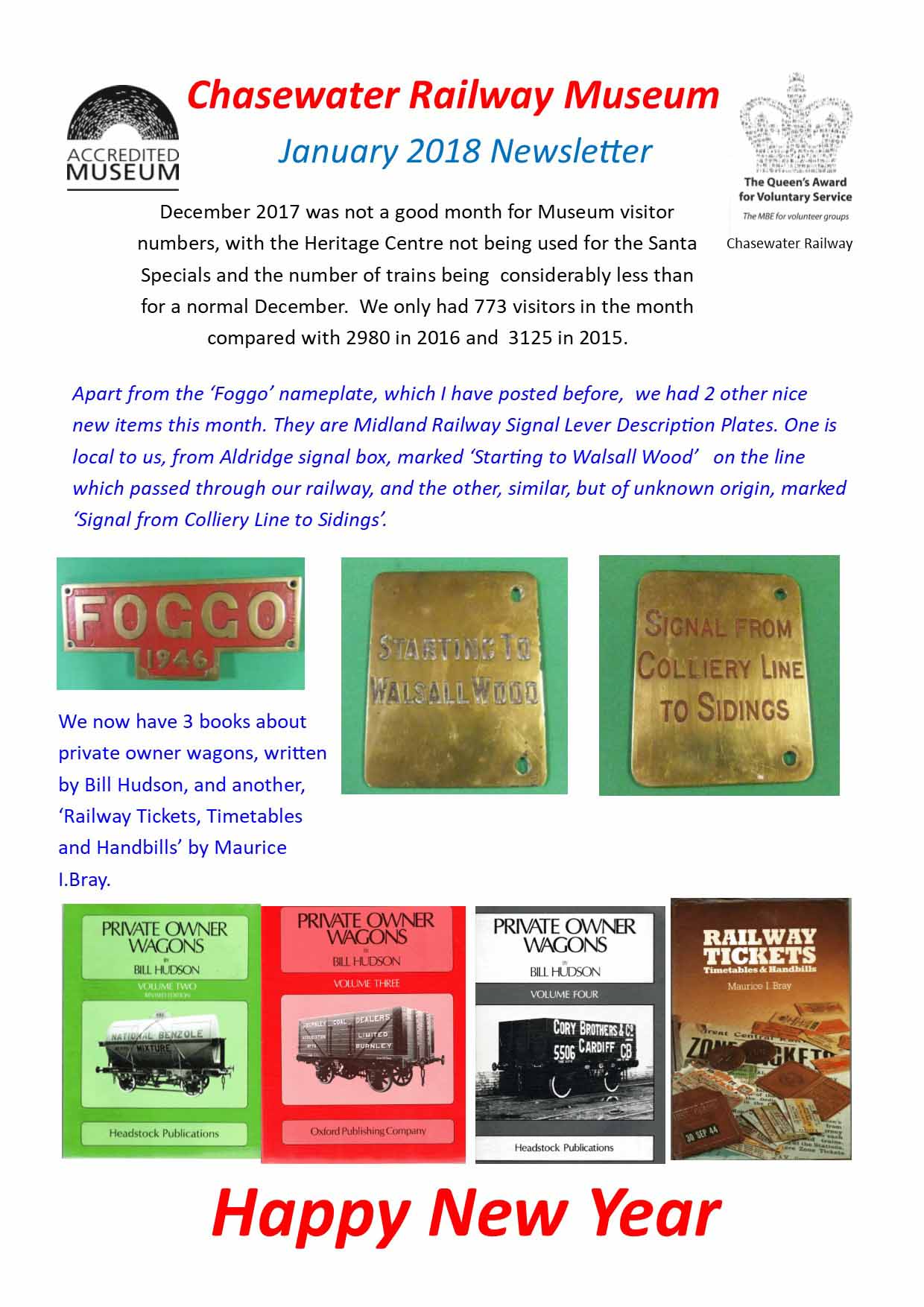
Click on a pic for a larger version and use the side arrows to move on.
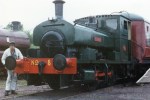
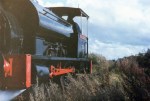
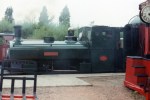
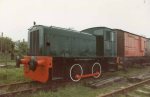
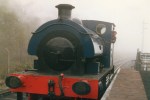

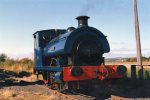
Posted in Old Chasewater Railway Photographs, Photograph Collection, Uncategorized
Tagged Brownhills, Burntwood, Cannock, Chasewater, Chasewater Railway, Chasewater Railway Museum, DL7, Museum Collection, Norton Canes, Old Chasewater Railway Photographs, Old Railway Lines, Staffordshire, Steam Locomotives, Steam Trains, Steve Organ's Collection, Traction Engines
This latest acquisition is a very welcome addition to the Museum’s collection of local Cannock Chase items.
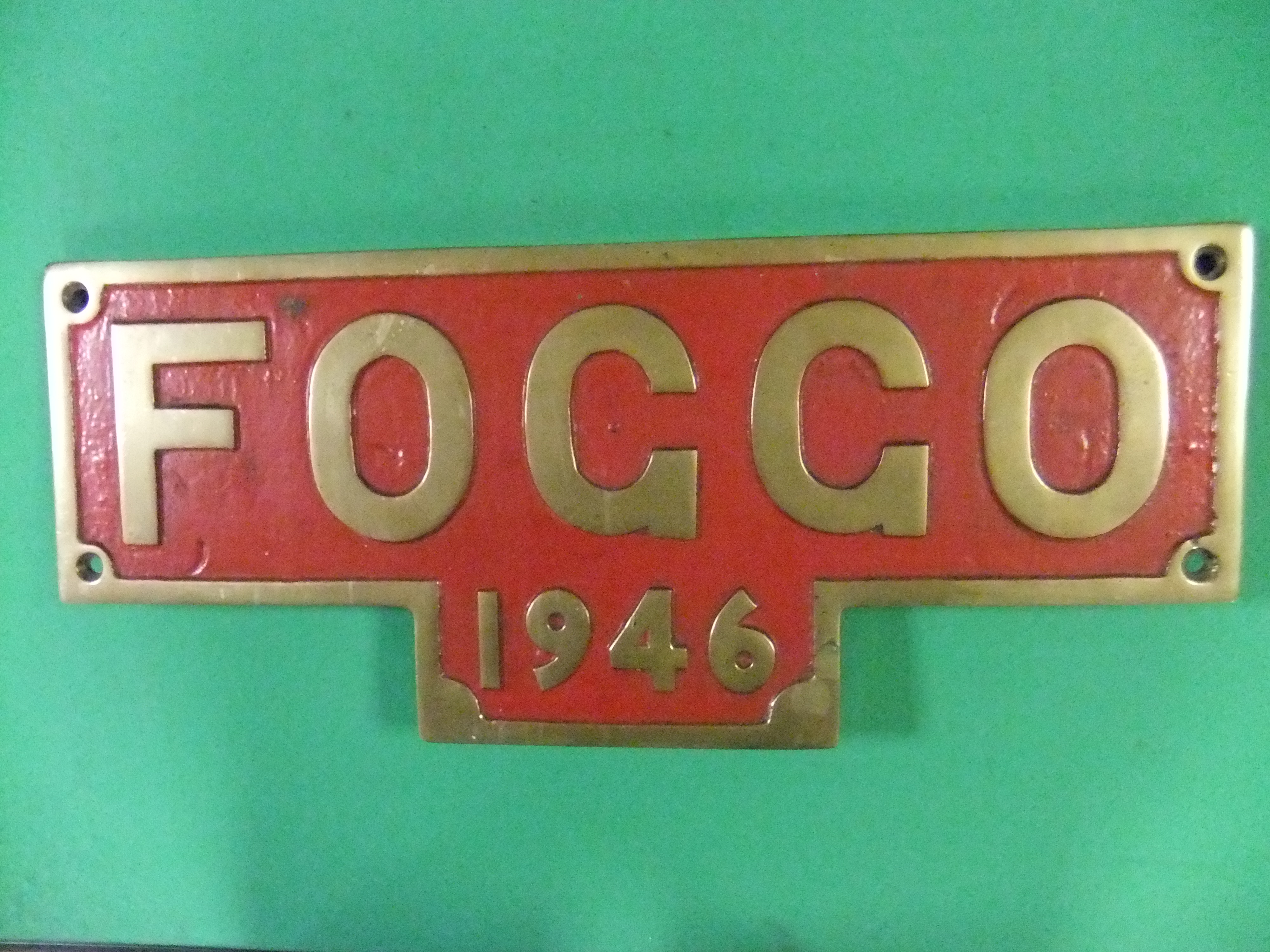
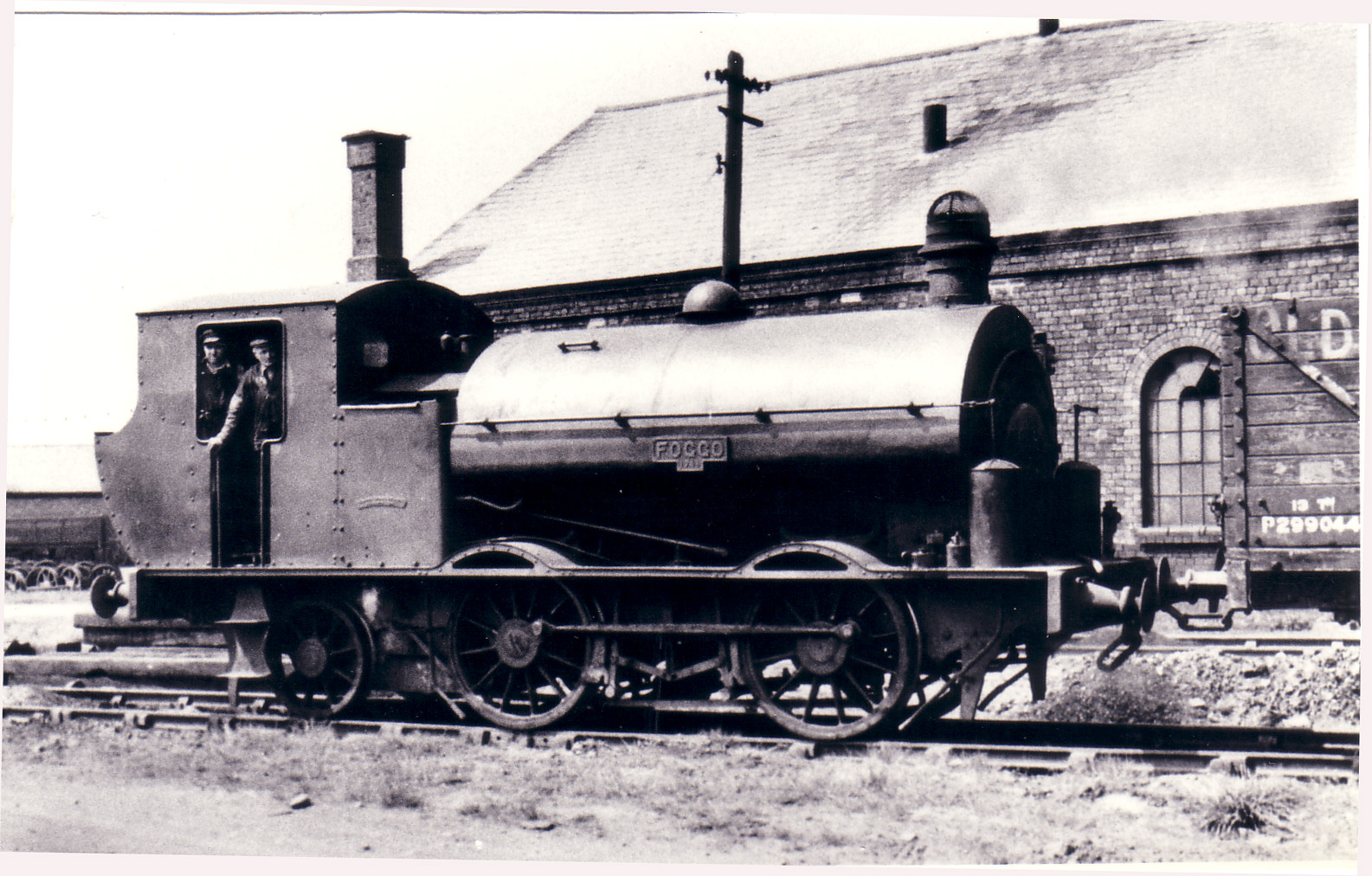
Nameplate: Foggo, 1946, from a standard gauge 0-4-2ST built at the Chasetown workshops of the Cannock Chase Colliery Co.Ltd. in 1946, using parts supplied by Beyer Peacock, together with spare parts accumulated over the years from similar locomotives already at work at the colliery. The name derives from Mr. Foggo, the General Manager of the company at the time and the nameplate incorporates the year of build. It became National Coal Board property on 1st January, 1947. Transferred to Coppice Colliery in early 1954 and to Brereton Colliery later the year. Scrapped by W.H.Arnott Young in January 1961. Cast Brass, 21½”x 8¾”, the front repainted.
Posted in News
Tagged Beyer Peacock, Bloxwich, Brereton Colliery, Brownhills, Burntwood, Cannock, Cannock Chase Colliery Co., Cannock Wood, Chasetown, Chasewater Railway Museum, Cheslyn Hay, Coppice Colliery, Foggo, Great Wyrley, Hazel Slade, Heath Hayes, Hednesford, Lichfield, National Coal Board (NCB), Norton Canes, Old Railway Lines, Steam Locomotives, Walsall Wood
 Chasewater Railway Museum