Tag Archives: Chasewater Railway Museum

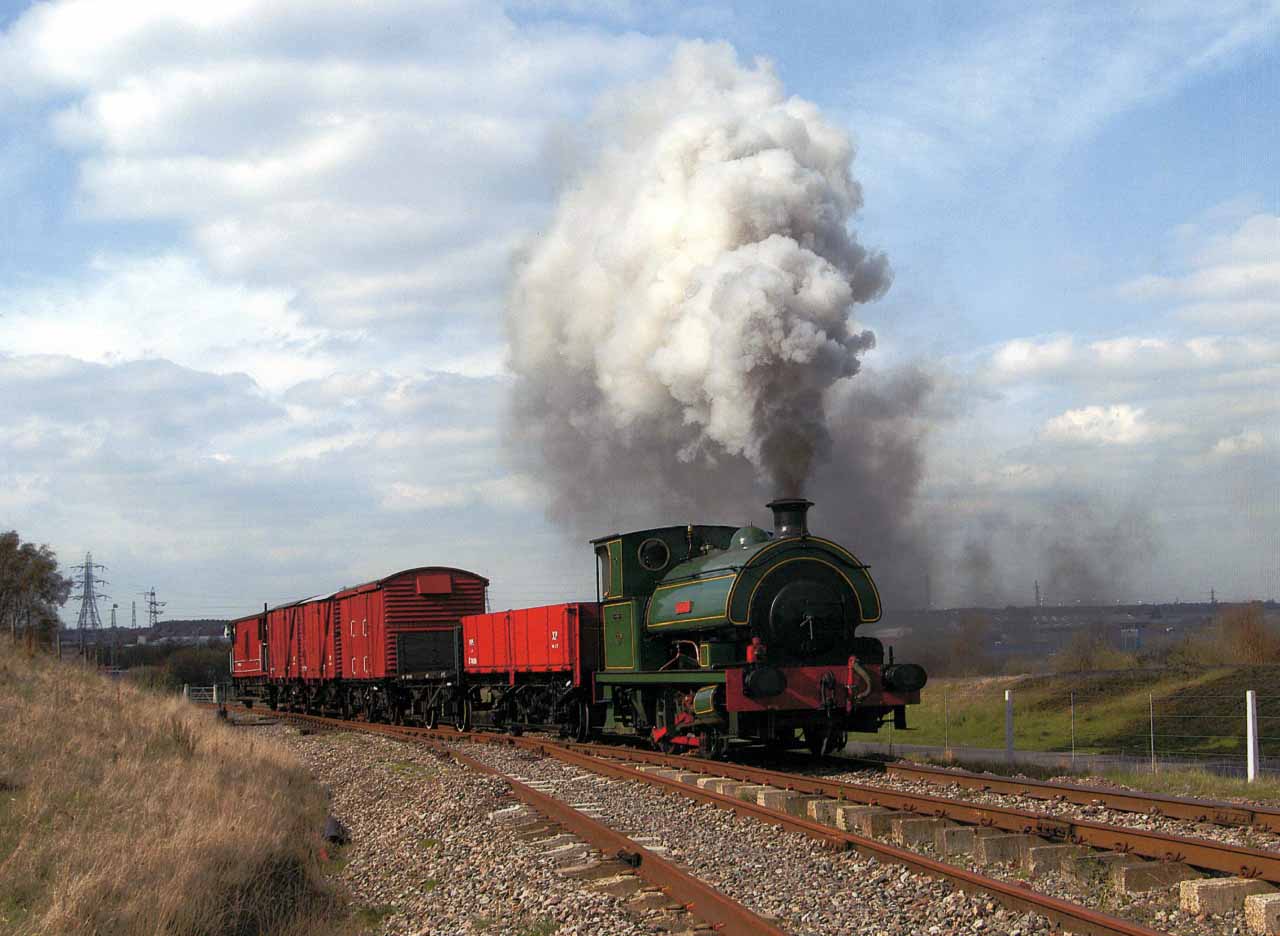
Chasewater Railway Museum – A Visiting Peckett, 2006

Chasewater Railway Museum 

A Visiting Peckett, 2006

No

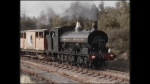
Peckett 0-4-0ST 1738/1928

Supplied new to Birmingham Electricity Authority, Hams Hall Power Station, near Coleshill.

By 1968 the loco was disposed of by sale to a Severn Valley Railway member and the loco went to Bridgnorth on the embryonic Severn Valley Railway.

The locomotive saw very little use and was eventually sold privately, this time going to the South Devon Railway.

Later again resold, this time going to Titley Junction, Herefordshire. The loco masquerades as the Thomas the Tank Engine character ‘Percy’ and has visited several preserved railways at Thomas events.

Martin Evans Pic

Chasewater Railway Museum – Amongst the miscellaneous trivia!

Chasewater Railway Museum

Amongst the miscellaneous trivia!

1878

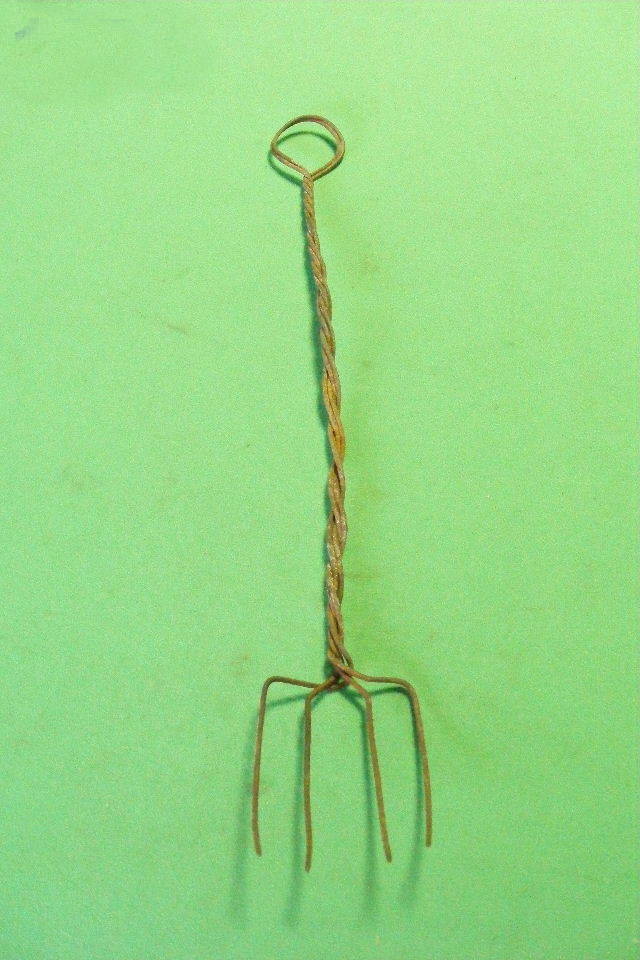
I know that this toasting fork should have been disposed of but it has been with the railway for so long that I didn’t have the heart to sling it.  It was used by someone on the railway or perhaps a P-Way gang working in the wilds of Chasewater Heaths as it was when they started working there!  So there it is – a genuine Chasewater Relic, crafted (?) by  one of the volunteers on the railway, it doesn’t take up much room and is tucked away in the stores and there I hope it will stay.

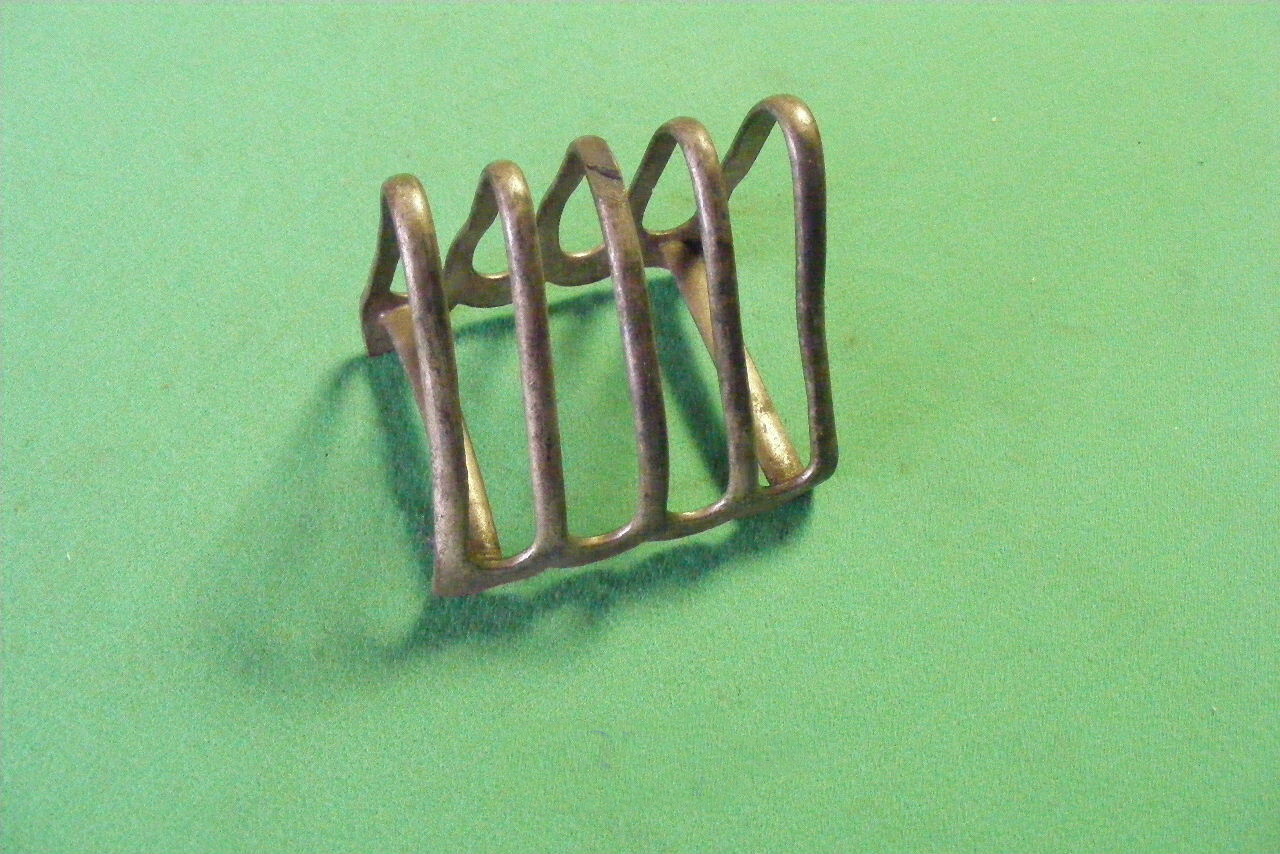
Of course, when the toast was made, it needed a rack to put it in, and we do have two of them – but somehow the fork and the racks don’t seem to go together.

1871

Unmarked

1870

Marked ‘St. Enoch’s Station Hotel’, which was in Glasgow, now demolished.

Chasewater Railway Museum – And another visiting loco

Chasewater Railway Museum

And another visiting loco – Including video

2009_06200016

Wimblebury

A Hunslet 0-6-0ST Austerity class, 3839/1956

Built by Hunslet of Leeds, Wimblebury was delivered new to the National Coal Board at Cannock Wood Colliery near Hednesford in Staffordshire, and worked there until withdrawn in the early 1970s. Originally earmarked for spares for another engine, Wimblebury was purchased privately for preservation and moved to the Foxfield Railway in Staffordshire on 26th September 1973.

This, in 2009, is the second visit to Chasewater by this popular engine in recent years.

05164 Wimblebury 0-6-0ST Hunslett 3839-1956 CRC Taken Hazel Slade

Passing over Hazel Slade level crossing.

Train


Chasewater Railway Museum – Three Clocks in the Museum

Chasewater Railway Museum

Three clocks in the museum

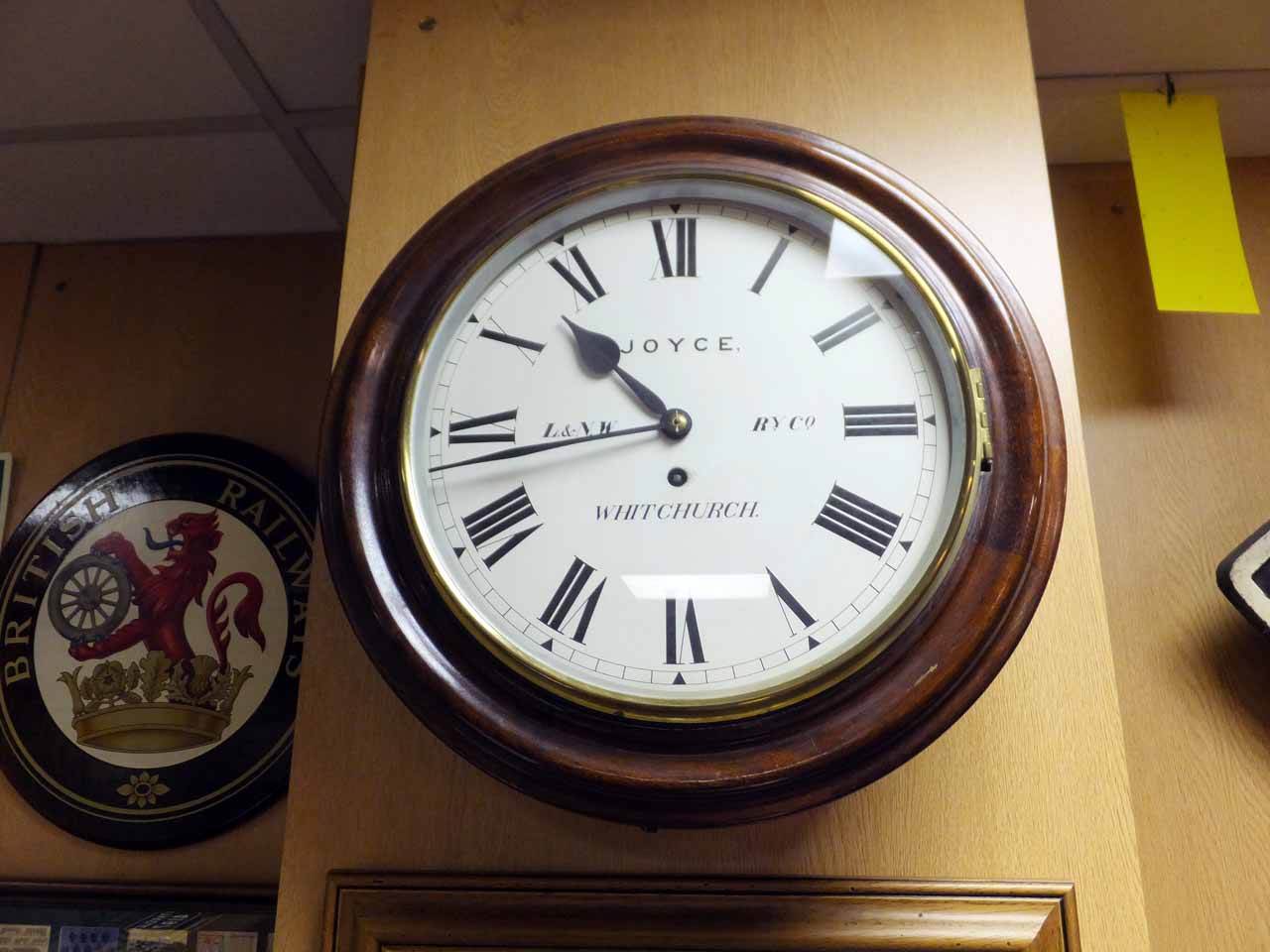
The first one is a station clock from the L&NWR railway, made by Joyce of Whitchurch, and is on loan to the museum.  This clock has its temperamental moments and is not too fond of being wound up – if moved even slightly from the vertical position it just doesn’t want to play, so if  you’ve got shaky hands, leave well alone!

DSCF2462

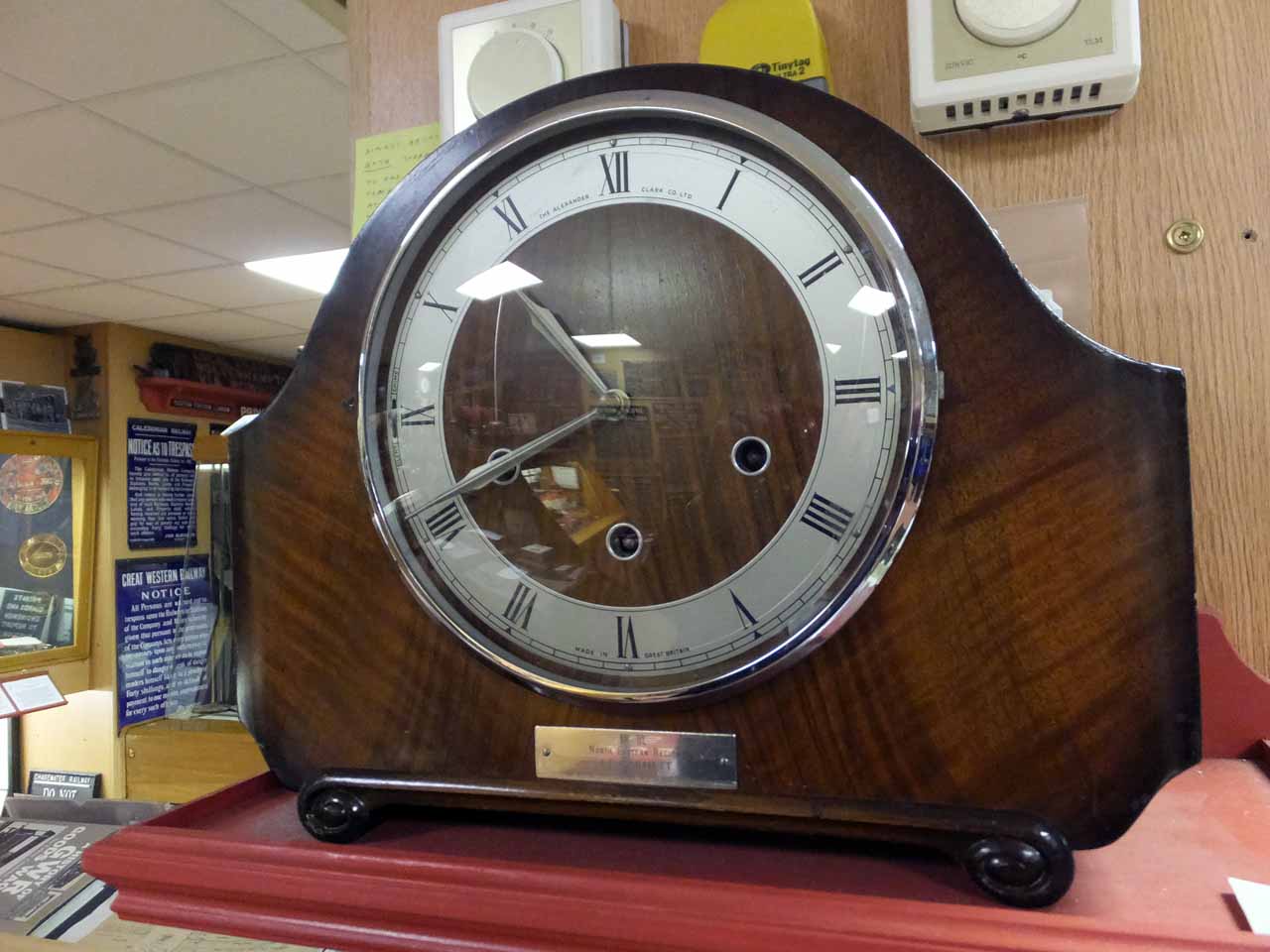
 The second clock is a chiming mantlepiece clock presented to Mr. J.E.Garnett on his retirement by BR North Eastern region for 45 years service. By The Alexander Clark Co.Ltd., movement by Smith’s.  It was given to the museum by P.Arundale, grandson of Mr.Garnett.

When we first had the clock it was a very interesting exhibit as we never knew how many times it was going to chime – thirteen I think was the record!

It was cleaned and repaired and now chimes very sweetly as it is supposed to do – but it’s not the same, somehow.

DSCF2461

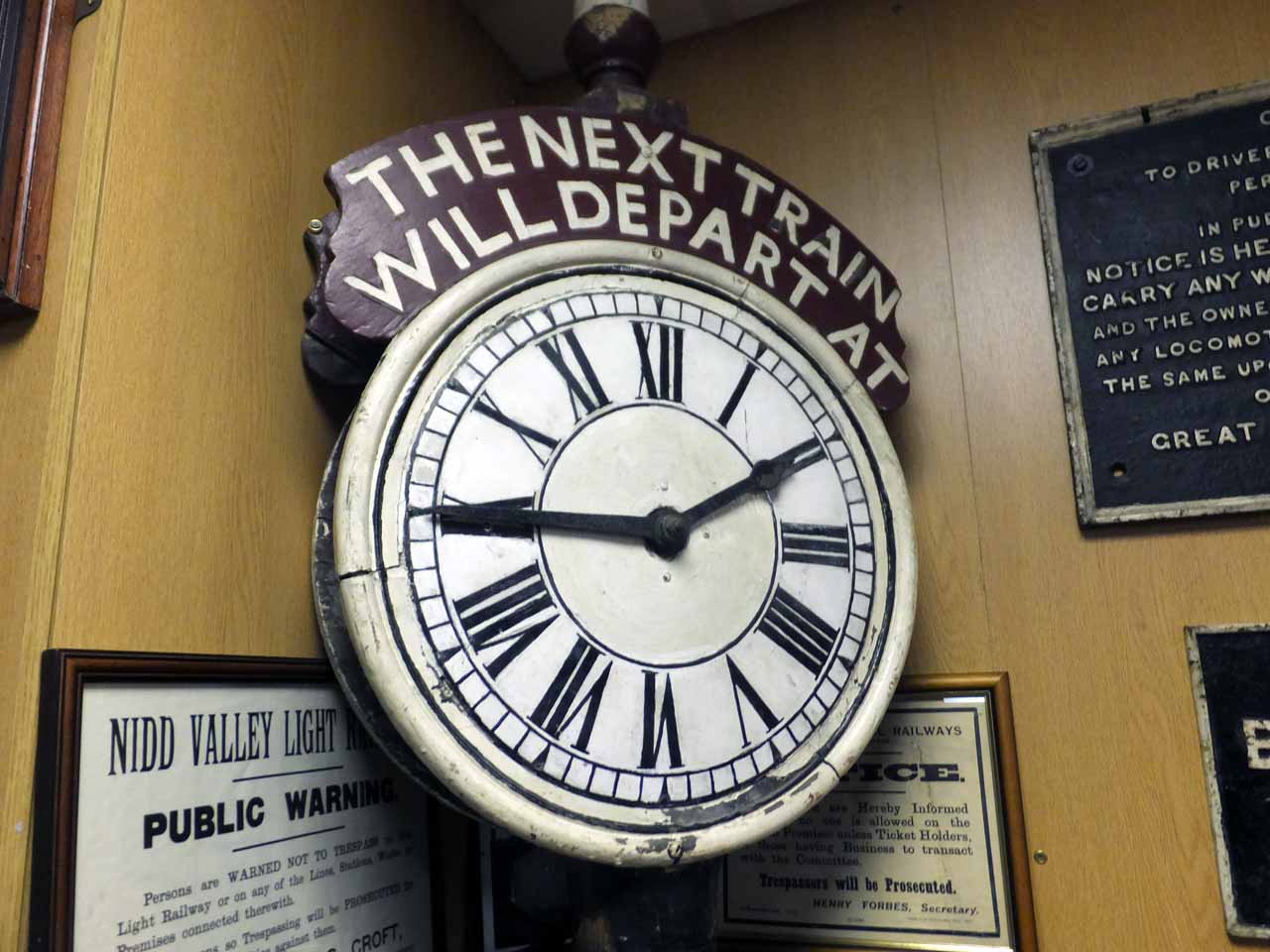
Finally, the ‘next train departure’ clock.

I know – it should be at ten-to-two for a proper smiley face!

DSCF2465

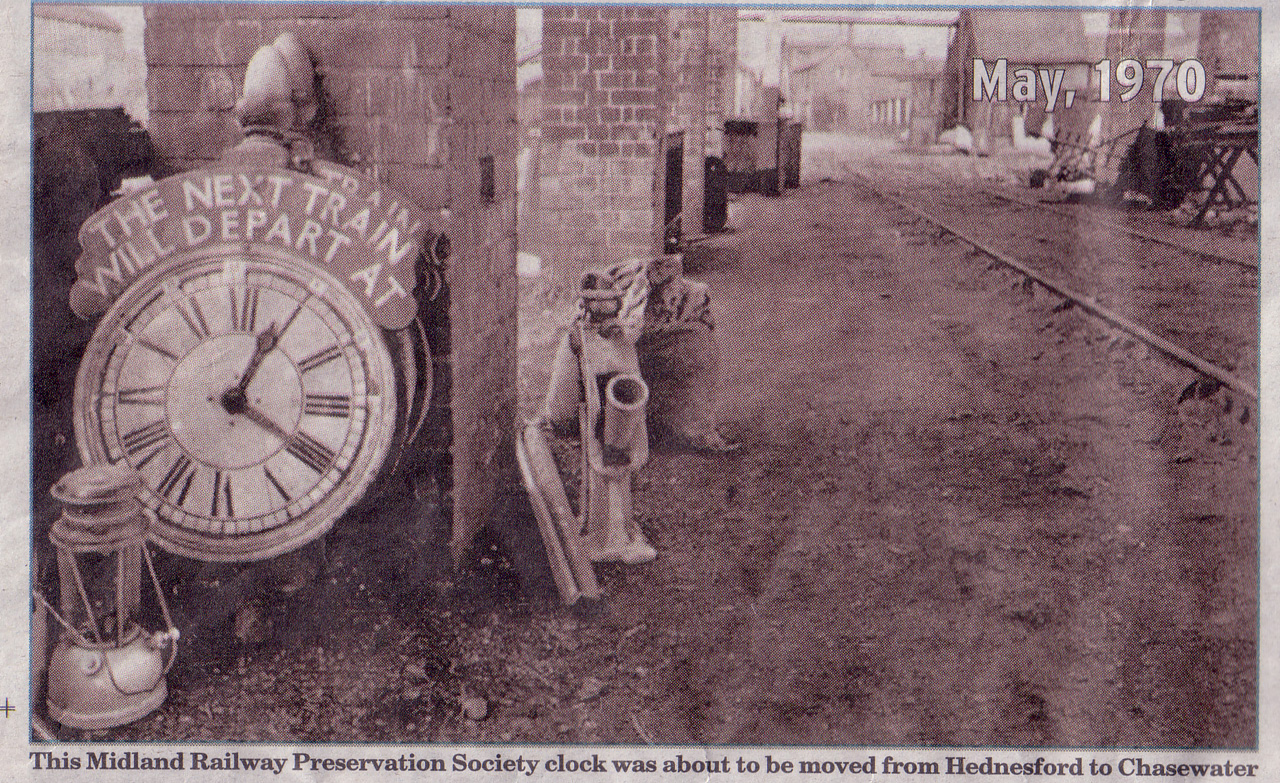
Once upon a time we had two of them.

E & S May 1970 Clock H-Ford to Chasewater

Photographed in the shed at Hednesford in 1970.

Chasewater Railway Museum – ‘Things that got away!’

Chasewater Railway Museum

Things that got away!

From time to time various people advise us of the latest offerings on ebay, mostly these are of little interest and on occasions of dubious authenticity, for example, the Hawthorn Leslie worksplate 2780 of 1909. Very odd this one as our loco ‘Asbestos’, resident at Chasewater since 1968, came with worksplates affixed, which are still retained on the loco.

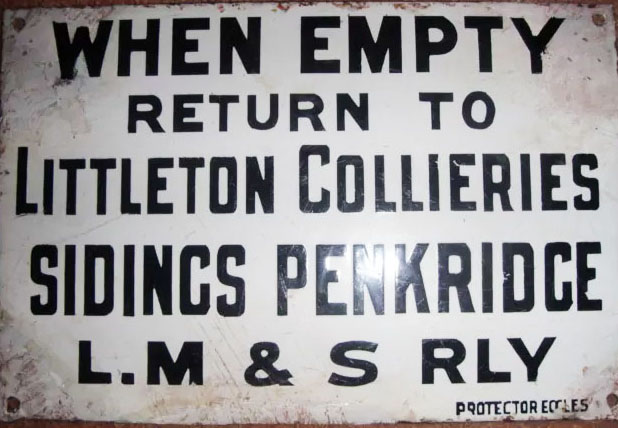
Littleton Wagon Plate
However, we were alerted recently to an enamel wagon plate – ‘When empty return to Littleton Collieries Sidings Penkridge. LM&S Rly’. This would have been a nice addition to our collection of local artefacts, but, despite the best efforts of Rob Cadman, acting on our behalf, we were unlucky with a bidder being found at £150 but prepared to go much higher.
Following this disappointment we then heard of a member who spotted a rather nice Midland Railway, Walsall Wood to Walsall third class return ticket available on ebay. Tickets to or from Walsall Wood and Brownhills (Midland) are pretty scarce and this example realised £102, which I suspect rather surprised our man who had expressed interest in it on our behalf.

Our thanks go to Rob Cadman, Simon Swain and Kevin Pettifor for trying their best for the museum.

Walsall Wood opened 1st July 1884 and closed 31st March 1930, along with Brownhills (Midland), the latter having been renamed Brownhills Watling Street 2nd June 1924. So two items which we would have liked ‘got away’ – but we have photos.


Walsall to Walsall Wood ticket

Chasewater Railway Museum – 3 photos of Hawthorn Leslie loco ‘Asbestos’ (Not forgetting ‘Sentinel’)

Chasewater Railway Museum

3 photos of Hawthorn Leslie loco ‘Asbestos’ (Not forgetting ‘Sentinel’)

A few photographs sent to us by Robin Stewart-Smith, taken at a Gala in 2004.  (Hard to believe that it’s 12 years ago).

The first two are of ‘Asbestos’ pulling into Chasetown Church Street, and the third was taken at Brownhills West, ‘Asbestos’ and Sentinel’.  Both locos on freight duties.

Asbestos 1

Asbestos 2

Sentinel & Asbo

‘Asbestos’  Hawthorn Leslie 0-4-0 ST 2780-1909

‘Sentinel’  4wVBT  9632-1957

Chasewater Railway Museum – Midland Railway Notices

Chasewater Railway Museum 

Midland Railway Notices

DSCF2444This Midland Railway ‘Stop’ sign was from Derby No.4 Loco Shed and bought at Derby some years ago.  It is made from wood and has cast iron lettering.

In the days before World War II and the large-scale development of synthetic materials, the railways used a huge number of cast iron signs and notices. Each company either had its own foundries or employed local contractors, and it was a relatively simple job to make a wooden pattern and pin to it a variety of lettering which could be bought from various companies.

DSCF2447These two cast iron signs have been with the museum for many years, and apart from their Midland Railway origin, we do not know where they came from.

562

Railway workshops and engine sheds yielded a plethora of notices giving directions, machinery instructions, general restrictions, safety warnings and even the amount of time allowed for using the lavatories.

Chasewater Railway Museum – Another visiting Loco – Port Talbot 0-6-0ST No. 26 (GWR 813)

Chasewater Railway Museum 

Another visiting Loco

Port Talbot 0-6-0ST No. 26 (GWR 813)

003_IMG_0211

Photo – Elja Trum

This locomotive is a six-coupled 0-6-0ST Saddle Tank No.813 under the Great Western Railway numbering system but was built for the Port Talbot Railway & Docks in 1901. The Port Talbot Railway & Docks Company was formed in 1894 to work the docks of the town. The Railway opened several branches especially those to the Llynfi & Garw valleys. This attracted a heavy coal traffic, which was dealt with at Duffryn Yard.
In 1901 the PTR ordered a number of small 0-6-0 saddle tank locomotives (six in all) from Hudswell Clark of Leeds & was given the works No. 555/01 & on delivery it became PTR No.26. In this guise it was put to work in Duffryn Yard & served in this capacity until 1908 when the PTR was absorbed into the GWR system. However, no changes were made to the loco at this time until the grouping which brought changes to No.26 in that it was first Westernised & given the GWR number 813.
The GWR decided later however that the older absorbed locos should be sold off out of service & No.813 fund itself on that list in 1934. It was sold to a Backworth Colliery, Northumberland where it was again renumbered as No.12 & remained there for the next 33 years. The No.12 did not stay for long though, as when the colliery was absorbed in to the National Coal Board when it was formed in 1947 it became NCB No.11
In 1950 it was fitted with a new boiler & firebox. However the original GWR boiler fittings were retained. As steam working was nearly at an end hastened by the closing of collieries, older locos were withdrawn in the late 1950’s & early 60’s with 813 lasting until the summer of 1967.
The loco was duly discovered by Mr. Paddy Goss & attempts to preserve it were ultimately successful for he was able, after a great struggle to raise funds as is ever the case in the preservation scene, to purchase the loco. The loco arrived at the Severn Valley Railway in November 1967 with sufficient finance available to pay for the removal charges. Since then much loving care & a great deal of money has been spent keeping 813 in its present condition.


Chasewater Railway Museum – More Colliery & Railway Checks

Chasewater Railway Museum

More Colliery & Railway Checks


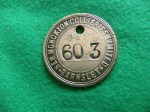
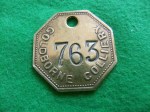
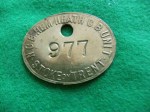
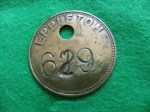
The Earl of Dudley’s Railway check has been moved in the museum, and six more checks have been added to the display.

Chasewater Railway Museum – Our small brick collection.

Chasewater Railway Museum

Our small brick collection.

CW 26

The Chasewater Railway runs on all that is left of a comprehensive railway system serving the local collieries.

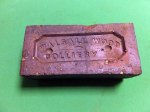
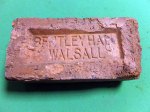
In Chasewater Railway Museum we have a small collection of bricks from local brickyards.

The railway existed to carry coal from the local pits to the canals or to main line sidings. A number of these local pits had their own brickworks, and bricks from these yards are those which we like to collect, although we do have some bricks from further afield.

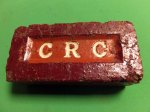
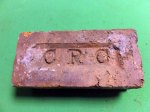
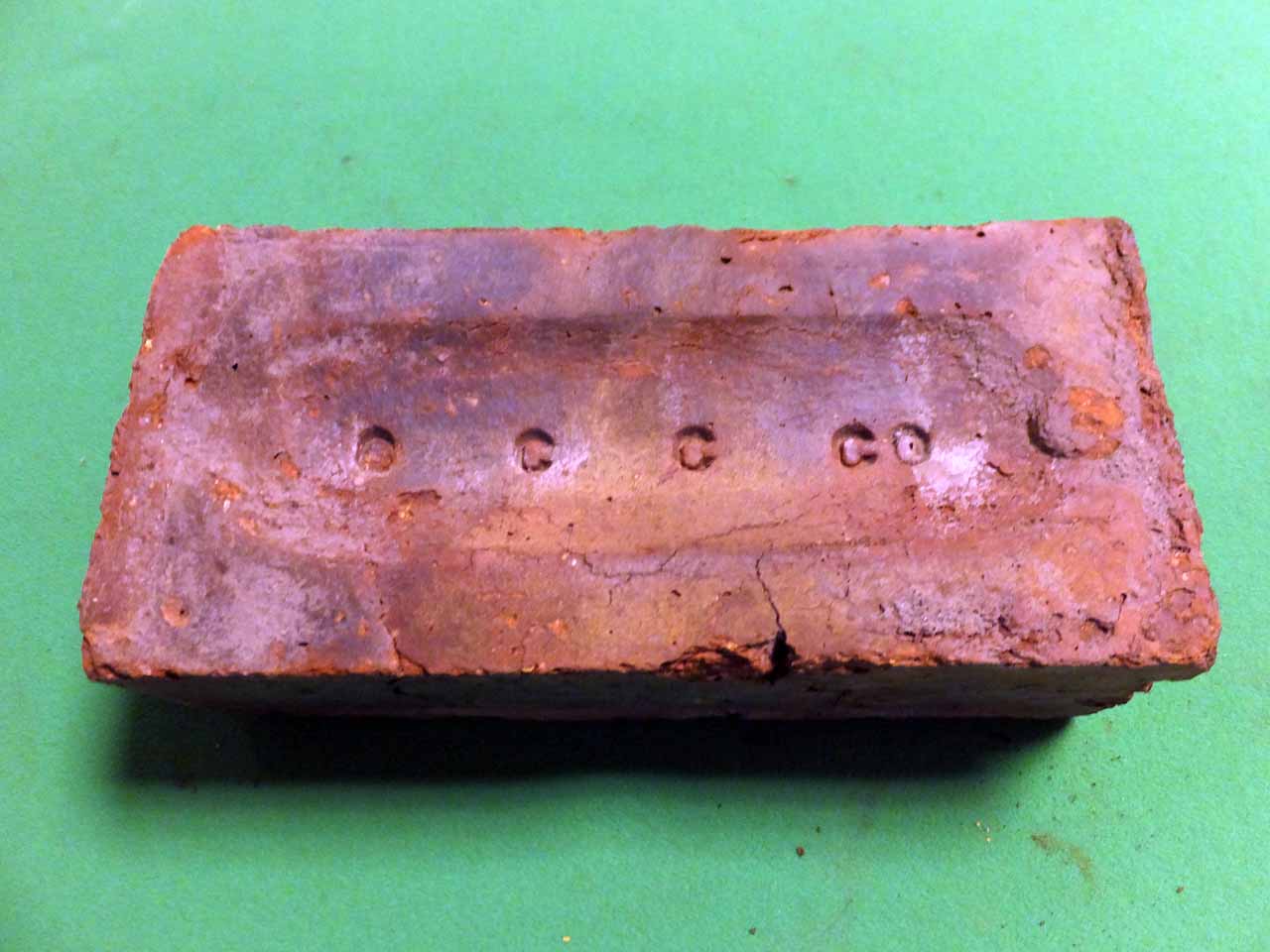
The final photographs for this batch are 2 from the Cannock Chase Colliery Co. Ltd.  This Company produced bricks in 3 patterns,  CCCC  CCC Co and CCC  As you can see, we have 2 of them but if anyone has need of a home for a CCC brick we would be very grateful. (Or any other local bricks, please)  The museum is open each Sunday.

DSCF2426

DSCF2428