Category Archives: Museum Exhibits

Another Glenalmond Photograph

Chasewater Railway Museum 

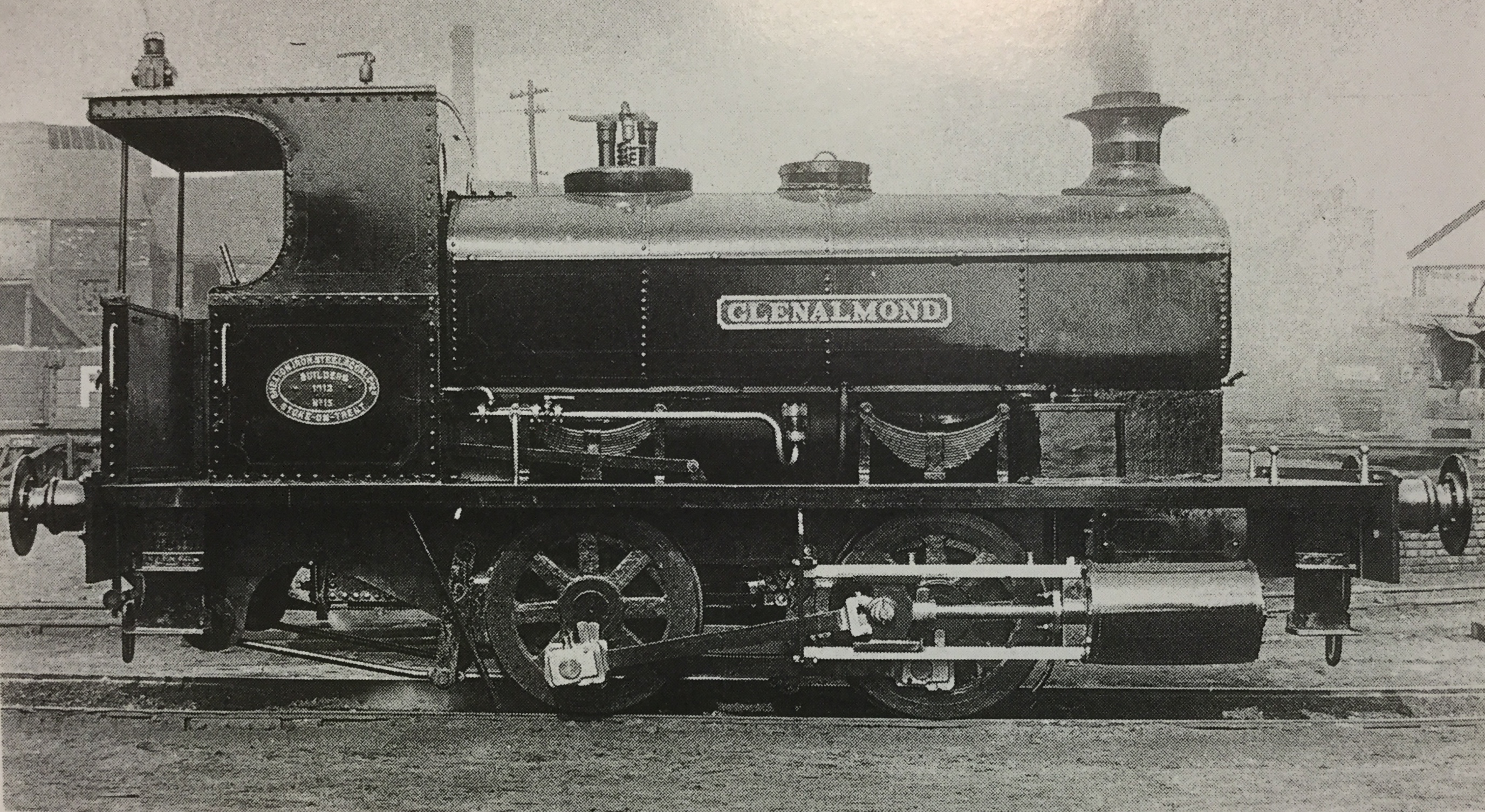
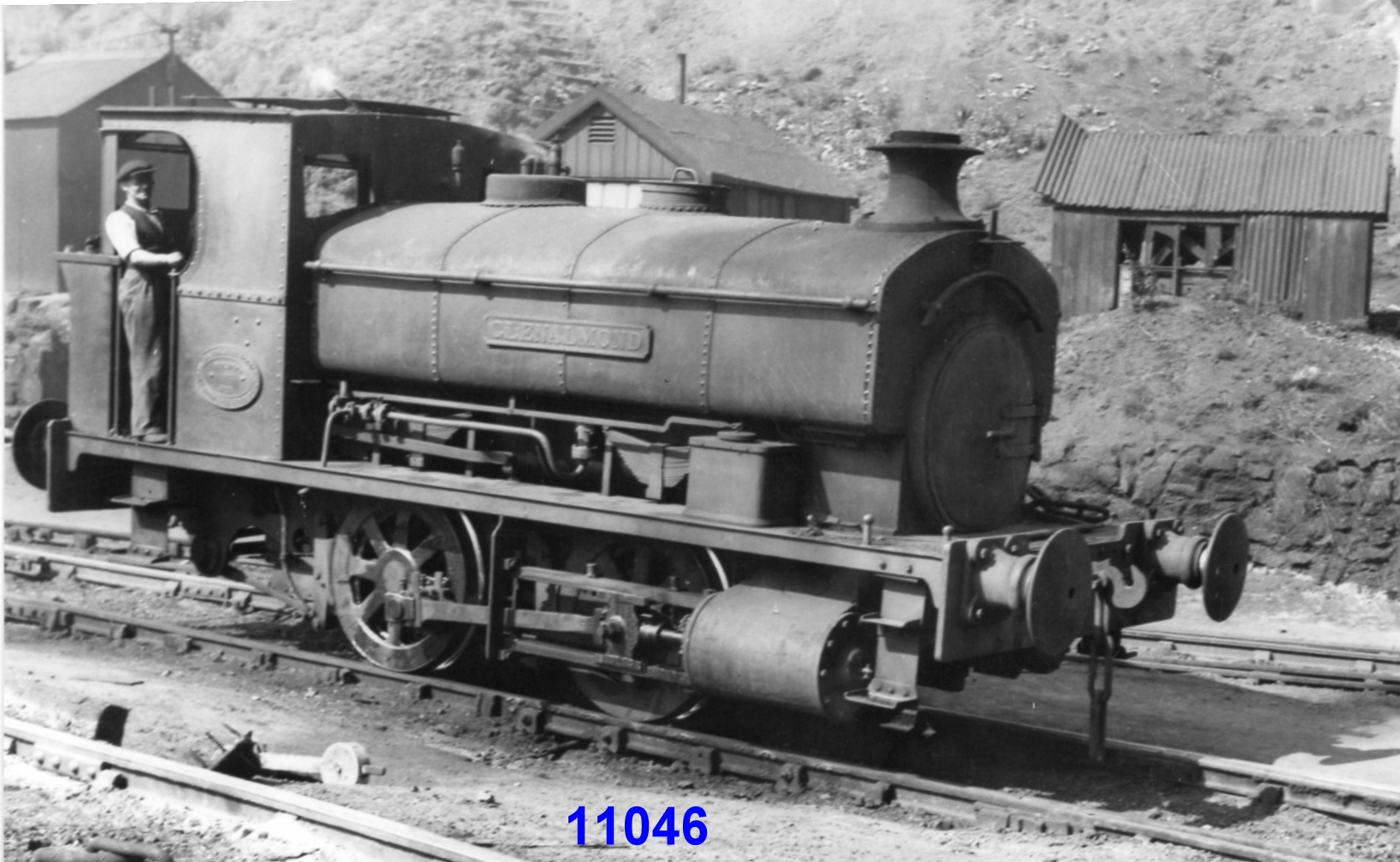
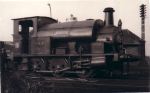
Shelton No.4 of 1912 0-4-0ST OC ‘Glenalmond’

Brand new and posed here for its ‘Official’ photograph at Shelton Steelworks, Stoke-on-Trent.  From the Basil Jeuda Collection  IRS.  Supplied by Godfrey Hucker, Chasewater Raiway Museum.

A recent invitation to Shugborough Hall to view various Staffordshire Museum Services items in store has resulted in several items finding their way to Chasewater, either on loan or as outright gifts.

From a locomotive enthusiast point of view, the star would be the nameplate ‘Glenalmond’.  The locomotive was an 0-4-0ST with 14”x 22” outside cylinders and 3’ 5” wheels.

One of just four locos steam built by and for service at Shelton Iron & Steel Co., Stoke-on-Trent and new in 1912.  The name is taken from the Scottish seat of Lord Faringdon, a Managing Director of the Company.

Lord Faringdon was a one-time Chairman of the Great Central Railway who also named one of their 4-6-0s ’Glenalmond’.

The Shelton ‘Glenalmond’ affectionately known as ‘Gleny’ was built to an Andrew Barclay design with a boiler supplied by Bagnalls Castle Engine Works, Stafford.

The loco lasted in service almost 60 years, being unused from early 1970 and sadly cut up in 1972.

Our thanks go to Chris Copp, Chasewater Railway Museum’s Mentor, for arranging the loan of the nameplate.    (Compiled by Barry Bull)

Photograph courtesy of Pete Stamper.

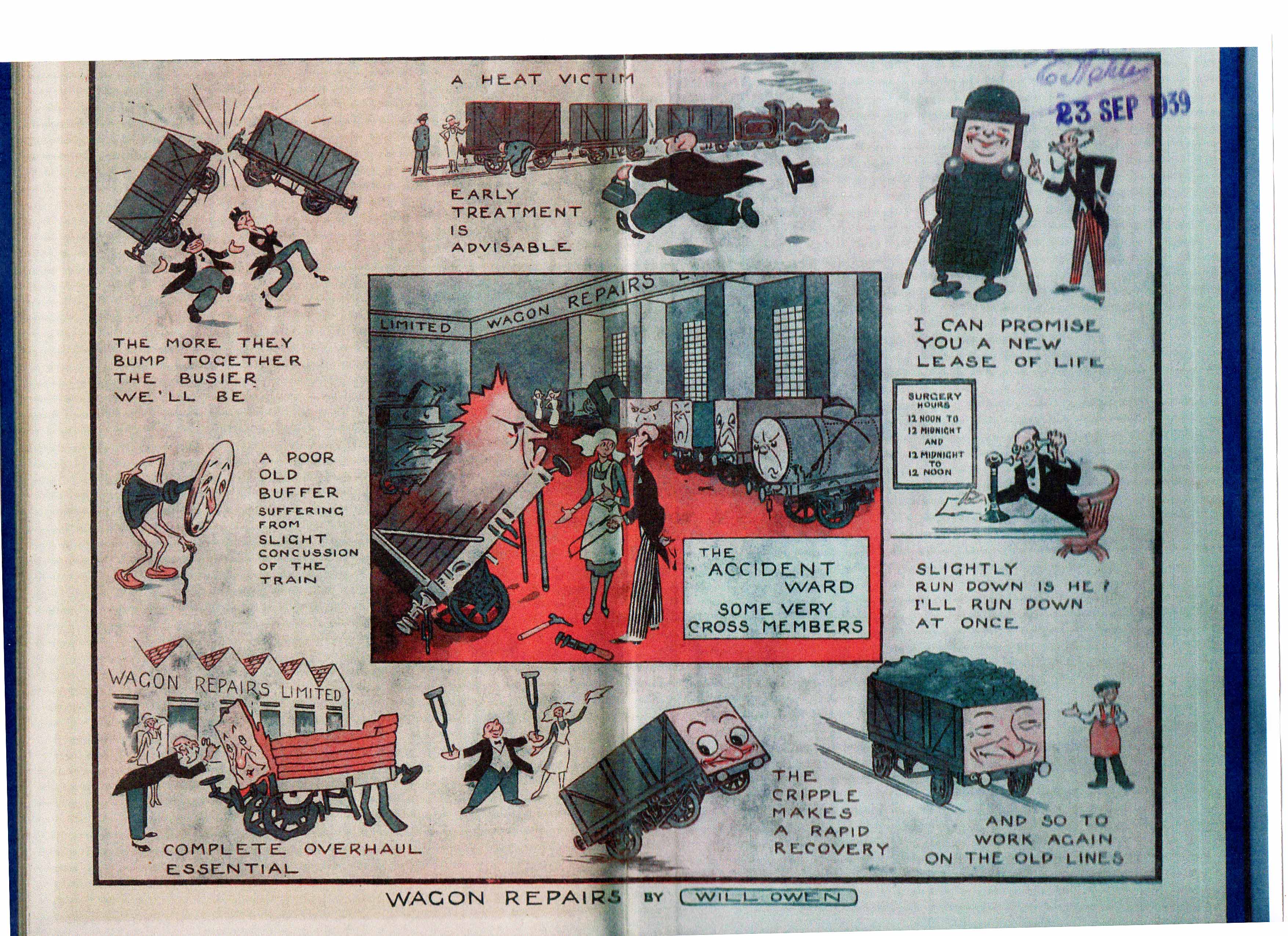
Cartoons for Wagon Depts.

Cartoons for Wagon Depts.

Taken from a book by:

Wagon Repairs Ltd – At your Service (1939)

To carry out in the UK or elsewhere the trade or business of repairing, rebuilding, reconstruction, painting, altering, converting, equipping, adapting, making fit for traffic, supplying and dealing with railway and other wagons, trucks, corves, carriages, trolleys, vans and vehicles, and repairing wheels, axles and components

To carry out in the UK the building and constructing of new railway and other wagons.

Wagon Repairs Limited continued to be a vital national asset during the frantic days of World War II and continued during the period of austerity that followed for as long as wooden wagons needed repairing.

Chasewater Railway Museum – Acquisition from the Cannock Chase Mining Historical Society

Chasewater Railway Museum

Acquisition from the Cannock Chase Mining Historical Society

This is the latest, and probably the last, book to be published by the Cannock Chase Mining Historical Society.

The Cannock Chase Coalfield has been covered by the series of books written by various authors over the past few years.  They are all on sale in the Chasewater Railway Museum, which is open on train running days.

Mick Drury, who wrote this book, and others in the series, starting with the Conduit and Littleton Collieries, followed by William Harrison Company Ltd., The Lesser Known Coalmines of the Cannock Chase Coalfield, Cannock Old Coppice Colliery (Hawkins Colliery) and, with the late Jack Sunley and Maurice Davies, Education, Training and Rescue in the Cannock Chase Coalfield.

The Cannock Chase Coalfield was fully covered by this series of books from the Cannock Chase Mining Historical Society and this left Mick, who was instrumental in the formation of the Society and, for a time, Chairman, with the completion of this book ‘Boots All My Life’.

All of the books are available in the Chasewater Railway Museum (‘Boots All My Life’ – £14.00) or by using the link below.

The book is priced: £14.00 + p&p.

And is available by contacting Alan Dean on:

westcannock@talktalk.net or enquiries@ccmhs.co.uk.

Chasewater Railway Museum – A very welcome new item.

Chasewater Railway Museum 

A very Welcome and surprising new item.

This was a surprise because, although I knew that the loco had existed, I had never even seen a photograph of it.

‘Brown’  was the fourth of five Beyer Peacock locos acquired by the Cannock Chase Colliery Company, 0-4-2ST No.794/1867, acquired new. Substantially dismantled in 1926 and some parts utilised to maintain the existing fleet.  The rest was scrapped.  John Newland Brown was Manager and Chief Engineer of the company around the late 1860s.  No-one seems to have a picture of this loco.

This item had been owned by a Cannock family with connections to the Cannock Chase Colliery Company.

The nameplate was acquired by the museum by way of the Midland Counties Railway Auctions.

If anyone should have a photograph of this locomotive, would you please let the Chasewater Railway Museum have a copy?

A New Year – New Items in the Museum

Chasewater Railway Museum

New Year – New Items

Three very nice items in the museum to start the New Year. 

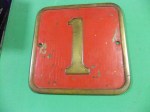
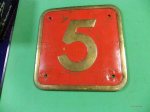
They are the cabside numbers from nos. 1, 5 and 8 from local colliery locos.

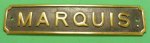
Number 1 is from the Cannock & Rugeley loco – ‘Marquis’

The name originates from the first Marquis of Anglesey, a title awarded to the Earl of Uxbridge who fought along side Wellington at the Battle of Waterloo. Carried by the Lilleshall Company built 0-6-0 saddle tank new to the Cannock and Rugeley Collieries as their first loco in 1867, she or is it he lasted until cut up at the NCB Cannock Central Workshops during May 1964.


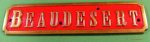
No.5 is from Cannock & Rugeley loco  ‘Beaudesert’

Beaudesert from the little 0-6-0 saddle tank built by Fox Walker, works number 266 of 1875 supplied new to Cannock and Rugeley Collieries as their number 5. Beaudesert was the ancestral home of the Paget family who became Earls of Uxbridge before being given the title and Estate Marquis of Anglesey. Finally cut up in 1964 the other nameplate of the loco survives and is on display in Kidderminster Railway Museum.

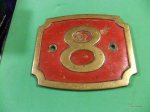
No.8 is from Cannock & Rugeley loco ‘Harrison’

No.8 Harrison 0-6-0 T  Built by the Yorkshire Engine Company, 186/1872 as a 2-4-0 T, rebuilt to 0-6-0T 1916.  Bought from B.P.Blockley of Bloxwich in 1905.  It had originally been Potteries, Shrewsbury and North Wales Railway ‘Hope’ and later No.1 on the East and West Junction Railway.  Sold to Stanton Ironworks, Stanton, Notts., 1950.  Since scrapped.

Chasewater Railway Museum – Latest Loan Item

Chasewater Railway Museum

Latest Loan Item


The latest locomotive nameplate on display in the Chasewater Railway Museum, and on loan from the Industrial Railway Society is from a Kitson-built 0-6-0ST, Holwell No.1, works number 1836, actually built in 1872 although the worksplate it carried read 1879.

New to Holwell Ironworks, Leicestershire, originally the name was painted on the loco’s hump-backed saddle tank, but a rebuild at the works eventually gave her cast brass nameplates.

Transfer to the parent company’s ironstone quarry at Buckminster, Lincolnshire came in 1898 where she worked for many years, finally meeting her demise in 1952.

(Info. compiled by Barry Bull.)

Photo from Peter Stamper (IRS)

Save

Chasewater Railway Museum – Another New Acquisition

Chasewater Railway Museum 

Another New Acquisition

A recent invitation to Shugborough Hall to view various Staffordshire Museum Services items in store has resulted in several items finding their way to Chasewater, either on loan or as outright gifts.

From a locomotive enthusiast point of view, the star would be the nameplate ‘Glenalmond’.  The locomotive was an 0-4-0ST with 14”x 22” outside cylinders and 3’ 5” wheels.

One of just four locos steam built by and for service at Shelton Iron & Steel Co., Stoke-on-Trent and new in 1912.  The name is taken from the Scottish seat of Lord Faringdon, a Managing Director of the Company.

Lord Faringdon was a one-time Chairman of the Great Central Railway who also named one of their 4-6-0s ’Glenalmond’.

The Shelton ‘Glenalmond’ affectionately known as ‘Gleny’ was built to an Andrew Barclay design with a boiler supplied by Bagnalls Castle Engine Works, Stafford.

The loco lasted in service almost 60 years, being unused from early 1970 and sadly cut up in 1972.

Our thanks go to Chris Copp, Chasewater Railway Museum’s Mentor, for arranging the loan of the nameplate.    (Compiled by Barry Bull)

Photograph courtesy of Pete Stamper.

Save

Chasewater Railway Museum – A New Acquisition

Chasewater Railway Museum 

A New Acquisition

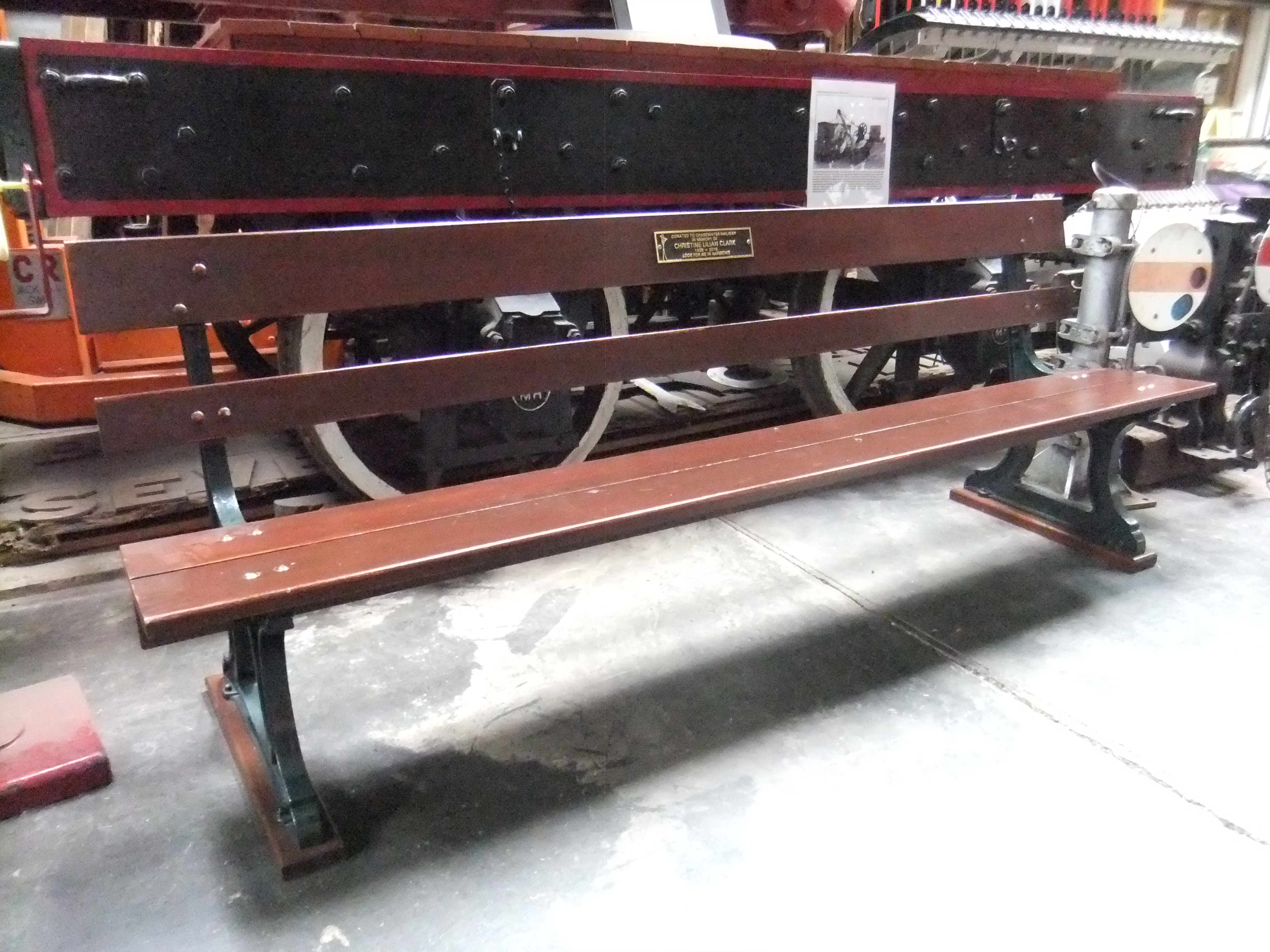
Refurbished outdoor-type bench given to the railway by Mr.George Clark in memory of his wife, Christine.  There are no makers’ marks on the bench, but it may have been on the London, Tilbury and Southend Line at some point. This bench will replace the one which has been on the platform for some years and will now be refurbished by the same man who refurbished the bench in the museum, courtesy of Godfrey and Marion’s Bench Fund. When completed, this bench will be found a home inside at one of the stations.

A very nice inscription on the plaque

‘Look for me in rainbows’

Lovely


Save

Chasewater Railway Museum Catalogue – Signage

Chasewater Railway Museum Catalogue

Signage

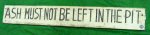
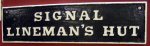
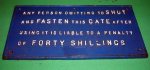
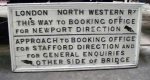
Information signs, Warning signs, etc. from various companies, and our Signal Box Nameboards.

Click on the link below to see the full list

All Signage – XL Files

Caption text – Object number,  name, description, maker, location’

Click on a photo to see a larger version.

Also From our ‘Signage’ Category

Signal Box Nameboards

This is our collection of Signal Box Nameboards, some came to the museum many years ago and some since we have been housed in the Heritage Centre.

The Brereton Sidings bx nameboard is in the museum until it is required to be put back onto the box when it is sited at Chasewater Heaths.

10959

This is one of our later nameboards, purchased by our Curator.

The branch was two miles in length and connected the railway to Newdigate Colliery which had commenced sinking its shaft in 1898. The exchange sidings was comprised of two sets of sidings; a set of three sidings of considerable length for stabling fully laden wagons and two reception sidings.

10958

The Signal Box was situated down the line from the Cross Keys pub towards the canal and Cannock.
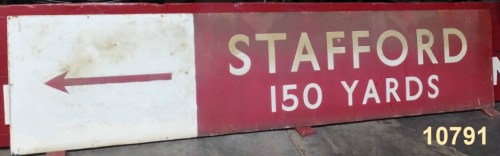
10791

Situated 150 yards from Stafford Station

2126

One of a pair of Nameboards taken on loan.

1733

Another local board, from Cannock on the old LNWR line.

1585

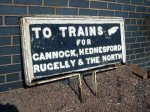
If you’ve got Cannock, you must have Hednesford!

1362-1

Over to the Coventry area for Coundon Road.

1361

Another from Coventry, Hawkesbury Lane Board.

586A GWR Nameboard from Buildwas –  a village in Shropshire, England, on the north bank of the River Severn.

339

From the Great Barr signal box, Birmingham.  Given to the museum by Frank Jennings, a long-time supporter of ours.

10960

Dunstall Park on the GWR outside Wolverhampton.  Not a good picture, but, like the following board, very heavy!

10962

Lower Yard Shed Box Cannock Road, Wolverhampton, GWR.

Save

Save

Save

Save

Save

Save

Chasewater Railway Museum – Tickets for Royal visits to New Street Station, Birmingham.

Chasewater Railway Museum 

Tickets for Royal visits to New Street Station, Birmingham.

10455-1

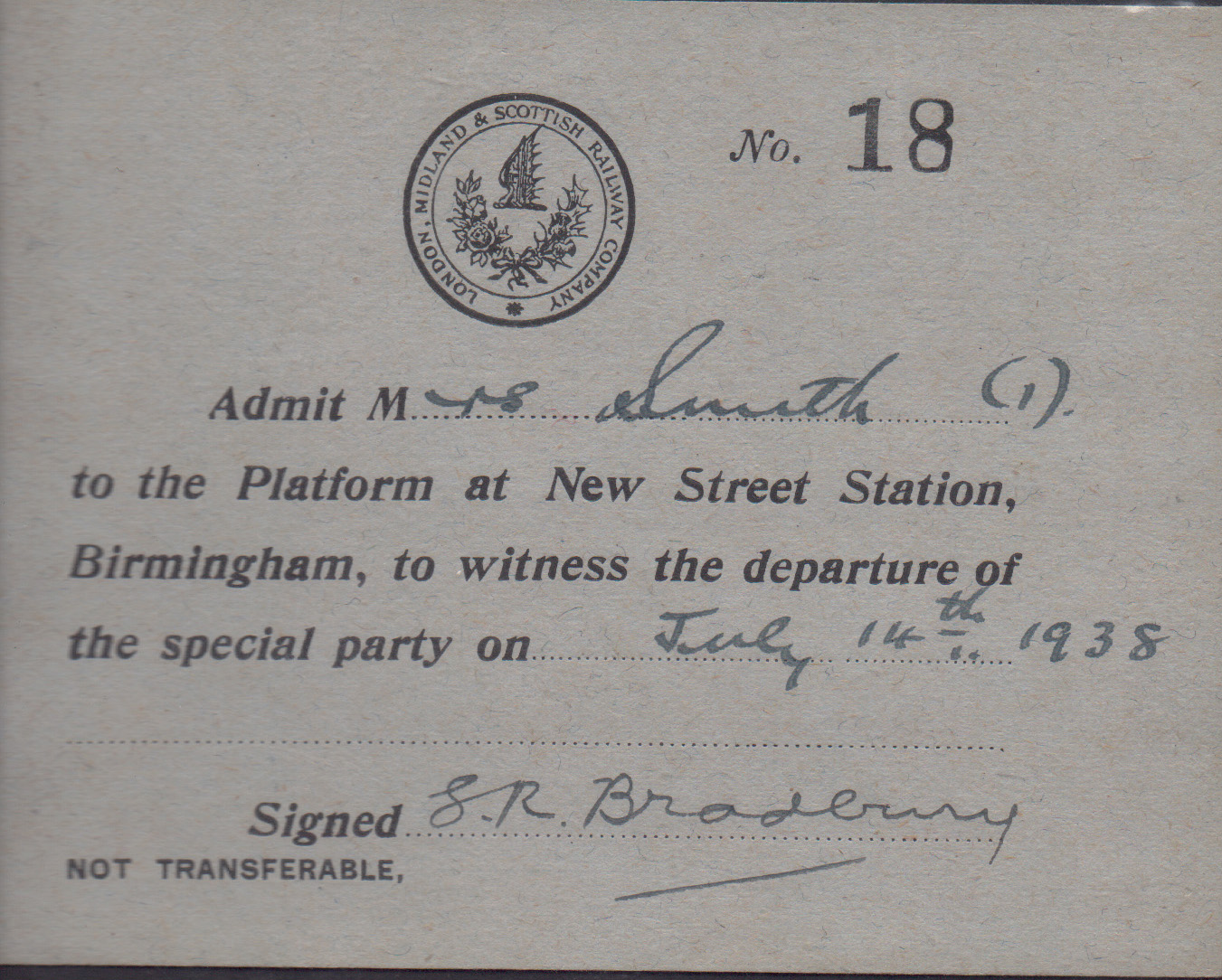
A couple of tickets of interest in the museum collection are depicted here, these being donated to the collection many years ago.  With the assistance of the Transport Ticket Society we are now able to tell some of the story behind these two special tickets.  The tickets are two identically printed cards, the earlier of which (serial no. 18) is made out to Mrs. Smith for an event on july 14th 1938.  That is endorsed ‘Duke and Duchess of Gloucester’.  No.70 has the endorsement ‘King George VI   Queen Elizabeth’.

Each is accomanied by an identically worded typewritten note – ‘This permit will only be honoured at the Worcester Street entrance to the Queen’s Drive, New Street Station, L.M.S. Railway.  The holder or holders must be in their places in the reserved enclosure in the centre of the Queen’s Drive by 4.0 p.m.’

During their seven-hour Royal Visit on March 1 1939 the King and Queen officially opened the Queen Elizabeth Hospital, visited the Austin Aircraft Works at Longbridge and Cadbury’s at Bournville.  They were accompanied by the Prime Minister, Neville Chamberlain, who was at the time the M.P. for Birmingham Edgbaston.


10455-3

10455-2