Tag Archives: Staffordshire

Chasewater Railway Museum – Amongst the miscellaneous trivia!

Chasewater Railway Museum

Amongst the miscellaneous trivia!

1878

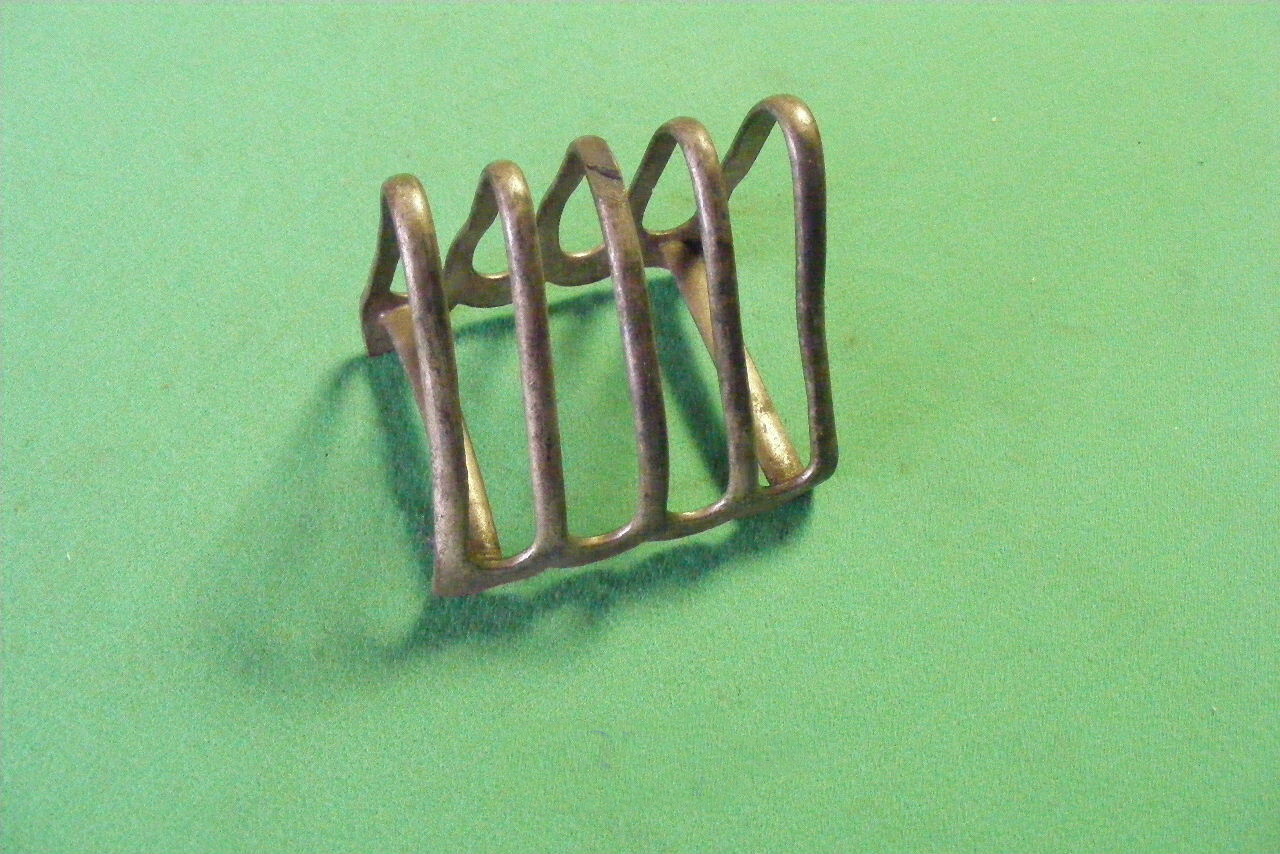
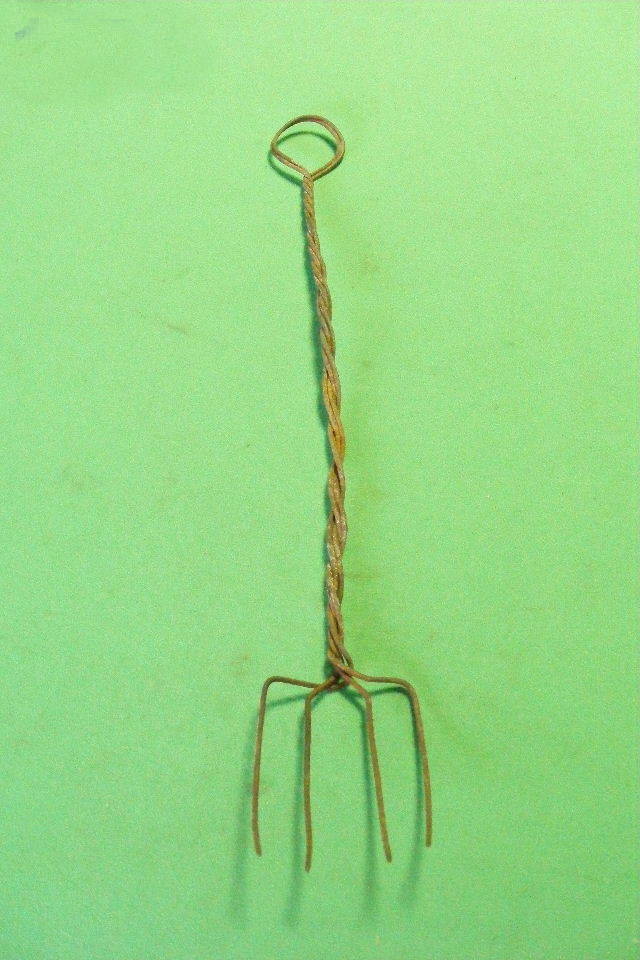
I know that this toasting fork should have been disposed of but it has been with the railway for so long that I didn’t have the heart to sling it.  It was used by someone on the railway or perhaps a P-Way gang working in the wilds of Chasewater Heaths as it was when they started working there!  So there it is – a genuine Chasewater Relic, crafted (?) by  one of the volunteers on the railway, it doesn’t take up much room and is tucked away in the stores and there I hope it will stay.

Of course, when the toast was made, it needed a rack to put it in, and we do have two of them – but somehow the fork and the racks don’t seem to go together.

1871

Unmarked

1870

Marked ‘St. Enoch’s Station Hotel’, which was in Glasgow, now demolished.

Chasewater Railway Museum – More Colliery & Railway Checks

Chasewater Railway Museum

More Colliery & Railway Checks


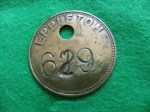
The Earl of Dudley’s Railway check has been moved in the museum, and six more checks have been added to the display.

Chasewater Railway Museum – Littleton Colliery warning notice

Chasewater Railway Museum 

Littleton Colliery warning notice

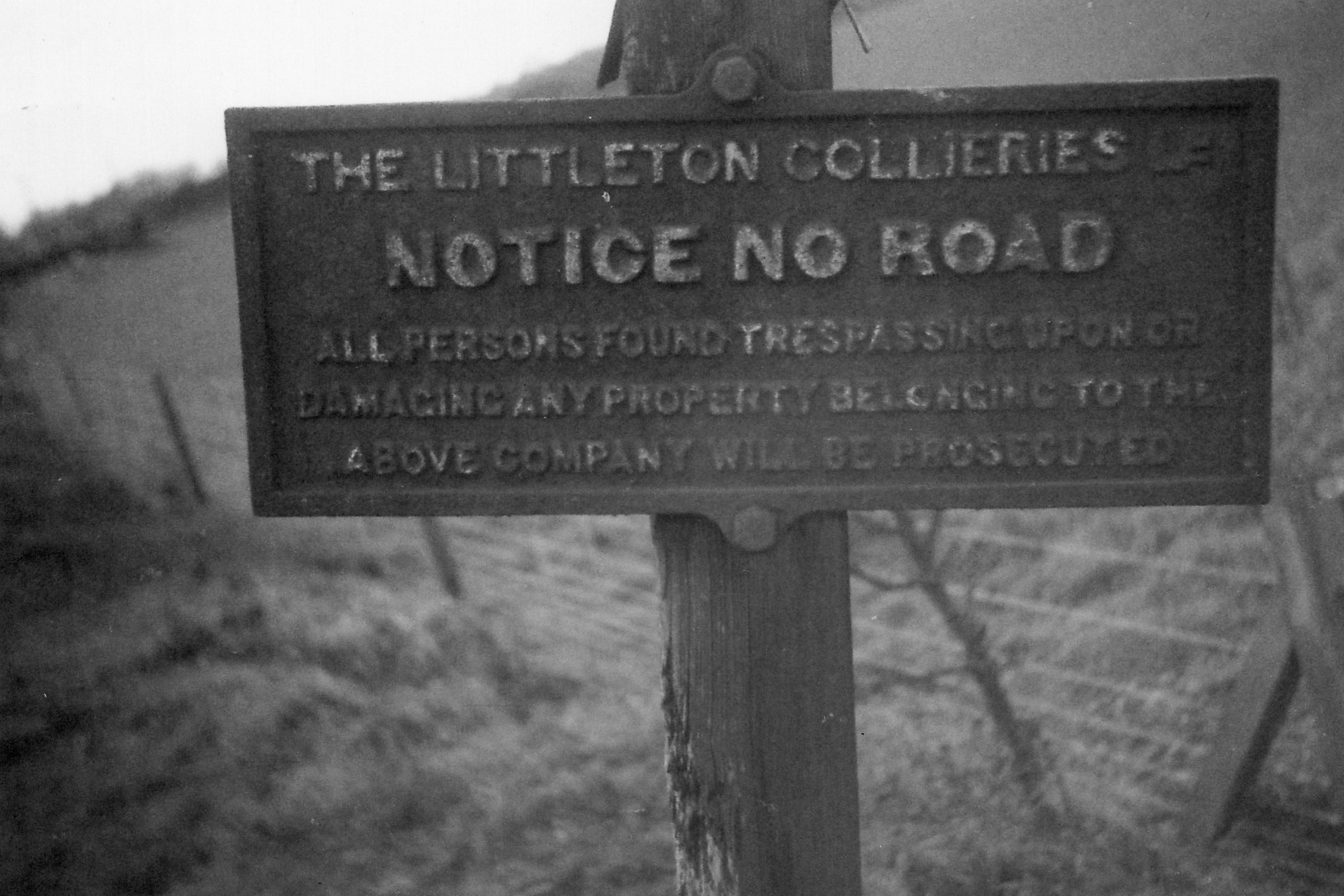
An opportunity presented itself recently to acquire by way of private purchase half a dozen items of local colliery railway interest. Not since the 1960s and early 1970s, when in that period a good relationship existed between the Railway Preservation Society and local National Coal Board management and which resulted in several donations of interest has the chance to obtain in bulk such star items for the museum collection. Finally a possibly unique cast iron sign headed The Littleton Collieries Ltd.  The last of the six items, the 3 nameplates and 2 worksplates have been posted recently.

1902

In the Museum

Littleton Sign 2

The notice before the paint-brush got close!

Littleton Sign 1

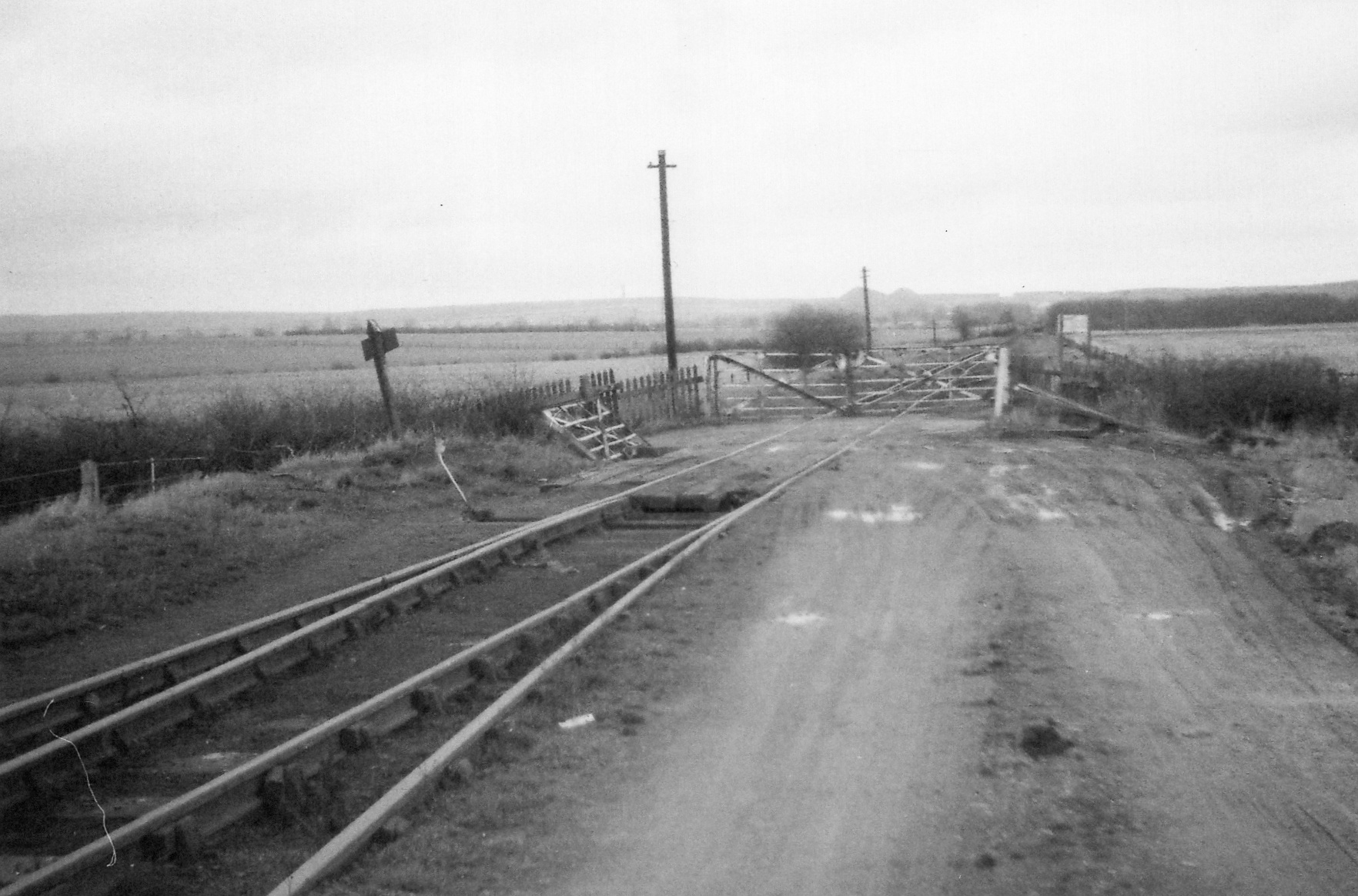
The notice in situ – left of centre.  We think located near to the Penkridge end of the Littleton Colliery to Penkridge line.

Chasewater Railway Museum – Beaudesert Nameplate

Chasewater Railway Museum 

Beaudesert Nameplate

Beaudesert

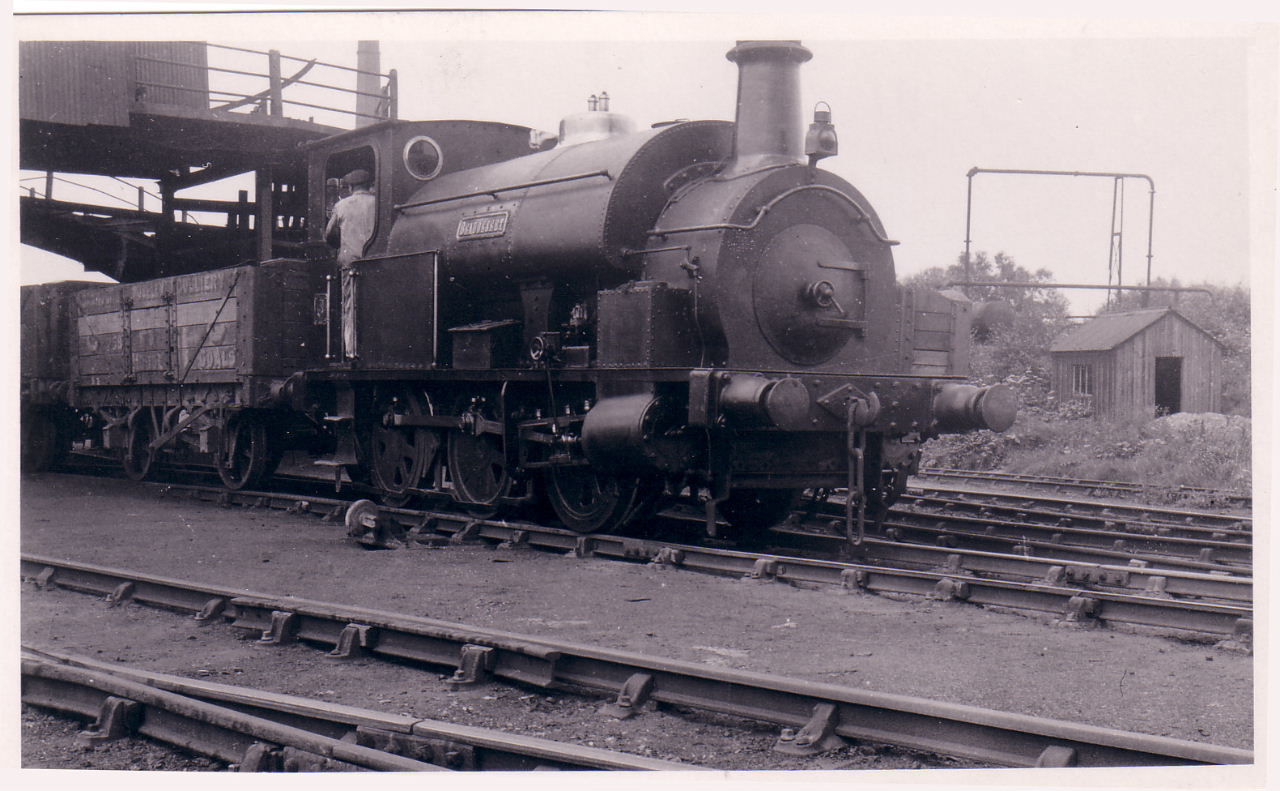
The third nameplate, following those of ‘McClean’ and ‘Marquis’,  is that of Beaudesert from the little 0-6-0 saddle tank built by Fox Walker, works number 266 of 1875 supplied new to Cannock and Rugeley Collieries as their number 5. Beaudesert was the ancestral home of the Paget family who became Earls of Uxbridge before being given the title and Estate Marquis of Anglesey. Finally cut up in 1964 the other nameplate of the loco survives and is on display in Kidderminster Railway Museum.

05029 No.5 Beaudesert 0-6-0ST Fox Walker 266-1875 C & R‘Beaudesert’  0-6-0ST  Built by Fox Walker  No. 266 – 1875

No.5 at Cannock & Rugeley Colliery


Chasewater Railway Museum – Marquis Nameplate

Chasewater Railway Museum

Marquis Nameplate

Marquis

After ‘McClean’, the second of the three locomotive nameplates to arrive is Marquis. The name originates from the first Marquis of Anglesey, a title awarded to the Earl of Uxbridge who fought along side Wellington at the Battle of Waterloo. Carried by the Lilleshall Company built 0-6-0 saddle tank new to the Cannock and Rugeley Collieries as their first loco in 1867, she, or is it he, lasted until cut up at the NCB Cannock Central Workshops during May 1964.

05001 No.1 Marquis 0-6-0ST Lilleshall 1867 newLilleshall locomotive 0-6-0ST No.116 of 1867  ‘Marquis’ Cannock & Rugeley Collieries’ No.1

Chasewater Railway Museum – McClean Nameplate

Chasewater Railway Museum

McClean Nameplate

1897

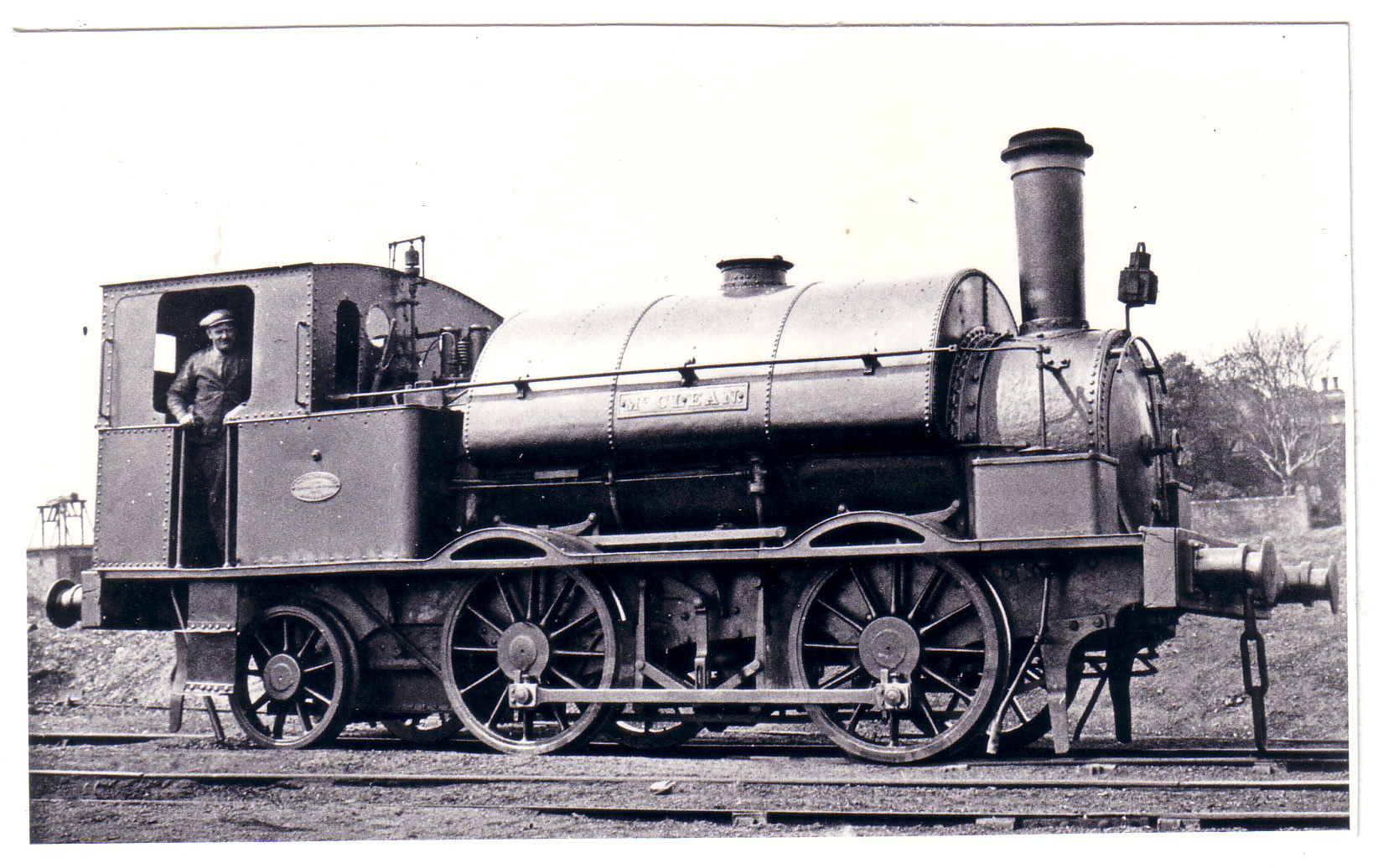
An opportunity presented itself in 2013 to acquire by way of private purchase half a dozen items of local colliery railway interest. Not since the 1960s and early 1970s, when in that period a good relationship existed between the Railway Preservation Society and local National Coal Board management and which resulted in several donations of interest has the chance to obtain in bulk such star items for the museum collection. First and arguably the finest piece from the Chasewater Railway point of view is the nameplate McClean from the 1856 built Beyer Peacock, the first of five similar locomotives delivered between 1856 and 1872. McClean lasted one hundred years before scrapping and in her later years was considered to be the oldest loco in the country still at work. The name McClean was bestowed in honour of John Robinson McClean who first came on the local scene as engineer in the construction of the South Staffordshire Railway before later, together with Richard Chawner leased land to mine coal forming the Cannock Chase Colliery.

05103 McClean 0-4-2ST Beyer Peacock 28-1856 Cannock Chase Colliery Co‘McClean’  Beyer Peacock 0-4-0ST  No.28 of 1856

Chasewater Railway Museum – a photo from the archives

Chasewater Railway Museum

A photo from the archives

7127

The Neilson loco 2937-1882 0-4-0ST, complete with ‘Alfred Paget’ nameplates, on a freight train at Chasewater Railway in early days.

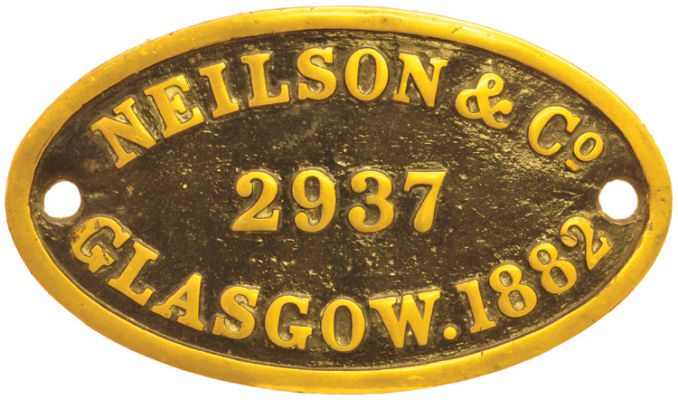
Neilson plate & info

A locomotive worksplate, Neilson, No.2937 of 1882, from a 0-4-0ST O/C new to William Baird & Co (Ltd from 1893) at Bedlay Colliery near Glenboig, their No 11, becoming part of the Scottish Iron & Steel Co Ltd in January 1939, Bairds & Scottish Steel Ltd six months later and the National Coal Board in January 1947. It returned to Bairds & Scottish Steel Ltd at Gartsherrie Ironworks, Coatbridge, in about 1950 and following withdrawal, was acquired in June 1968 by Railway Preservation Society, Hednesford, Staffordshire and later went to the Chasewater Light Railway.
Cast brass 10 x 6″¼”, the front of the plate has been repainted.

Chasewater Railway Museum – Latest Addition – Railway Heritage Designated Signal Box Sign

Chasewater Railway Museum 

Latest Addition

Railway Heritage Designated Signal Box Sign

The Railway Heritage Committee has the function of designating records and artefacts (or classes of record and artefact) which are historically significant and should be permanently preserved.

Stafford 150 Yards

This enamelled sign came from Stafford No.5 signal box, and was given to the Museum by Network Rail – our thanks to the Company.

stafford5 tillyweb.bizPhoto:  tillyweb.biz

The sign can be seen set into the signal box.  On one end is a white patch with a red arrow, and on the other, a clear white patch to balance up the sign.

It may be of interest to Chasewater Railway members that the Station Hotel, Stafford, where the inaugural meeting of the Railway Preservation Society, fore-runner of Chasewater Railway, was held in 1959, was approximately 150 yards from the signal box!

Chasewater Railway Museum – Hednesford Railways 1

Chasewater Railway Museum

Hednesford Railways 1

From December 2009

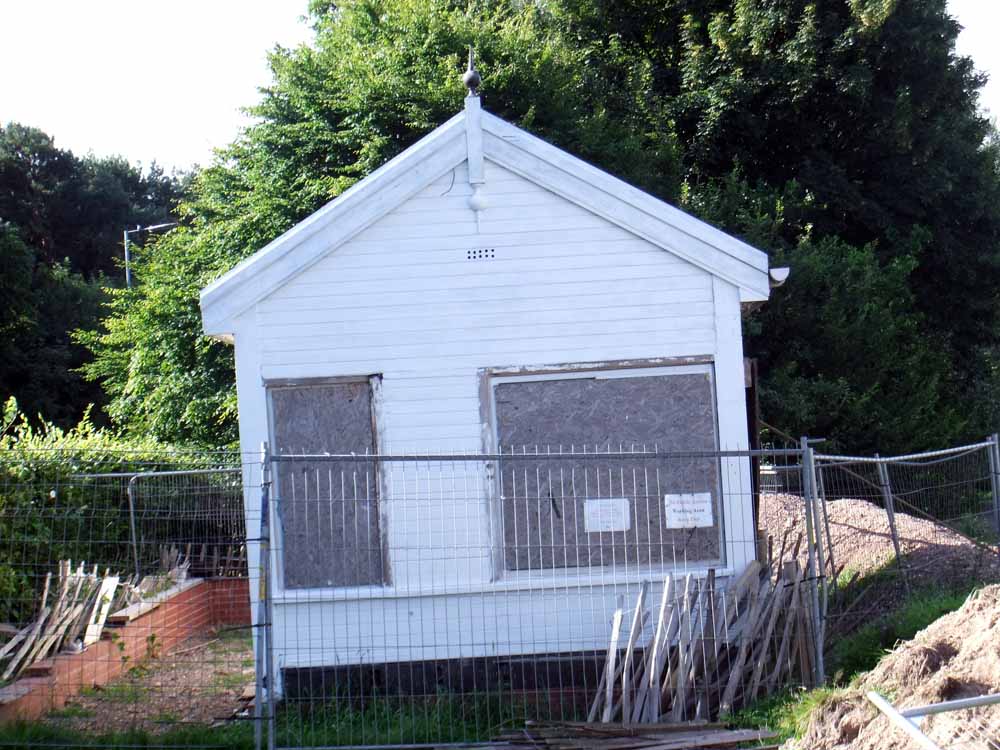
The view in 2009, looking towards Rugeley from Hednesford Station bridge.  (See below for latest signal box picture.)As it was in the late 1950s, a very busy railway location, with pits sending coal into the sidings from all directions.

Looking forward and to the left, the line leads to West Cannock Colliery No.5 and to the right, to Cannock & Rugeley Collieries at Cannock Wood and the Valley Pit.

From the rear, coal comes in from West Cannock Collierys Nos. 1, 3 and 4 – situated in the  Pye Green Valley.

The picture shows the site of West Cannock No.1 and No.4 Plants circa 1920s, it looks north east towards the top end of Green Heath Road.  No.4 Plant is just above the top of the chimney and steam can be seen coming from its winder stack.  The brickworks is the furthest building centre/right at the base of the mound.  A fourth shaft to the north of the brickworks has been covered by the mound.  The picture shows the enormity of the West Cannock Company’s operation in the middle of Pye Green Valley.

From here, the railway ran down to Hednesford Station via a bridge under the road by the ‘Bridge’ public house.  It then went through the left-hand arch (looking towards Rugeley) and into the sidings.With the closure of West Cannock Collieries 1-4, lines to the left found little usage.  The old station building, imposingly symetrical on the overbridge, castle-like dominated the access to the platforms.  One of  Bescot’s 0-8-0s, 49373, sorted out the empties to transfer to the collieries.

On the other side of the bridge, the sidings opened out into the marshalling yard.William Stanier designed 2-cylinder 2-6-4T no.2579, built by the North British Locomotive Company in Glasgow in 1936 and withdrawn in June 1962, runs in with a Rugeley Trent Valley to Walsall local passenger.  The station was demolished after the passenger service was withdrawn in January 1965 and the sidings were removed following the closure of almost all local collieries in the 1970s.  The signal box (formerly No.1), seen behind the water tower remains in operation. No.2 signal box closed on January 14th 1973 and No.3 from 18th December 1977.  Passenger services were reinstated from Walsall to Hednesford in 1989, using newly built platforms.  The service was later extended to Rugeley and Stafford, although, by 2009, it terminated at Rugeley Trent Valley.This is a cold view of West Cannock No.5, which continued producing coal until 1982.  The locomotive in the photo is Bagnall 0-6-0ST  ‘Topham’ 2193/1922.
DSCF9028

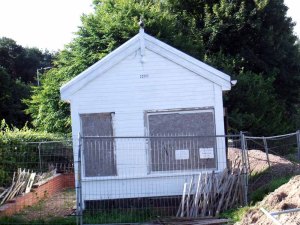
Hednesford No.1 Signal Box in the park. It’s had a touch of paint and is now awaiting further developments (Dec. 2015)

Chasewater Railway Museum – Once upon a time…

Chasewater Railway Museum

Once upon a time…

Four photos of the Chasewater Railway Museum, when it was housed in an old carriage.

5459 - Museum 4

5457 - Museum 2

5458 - Museum 3

5456 - Museum 1

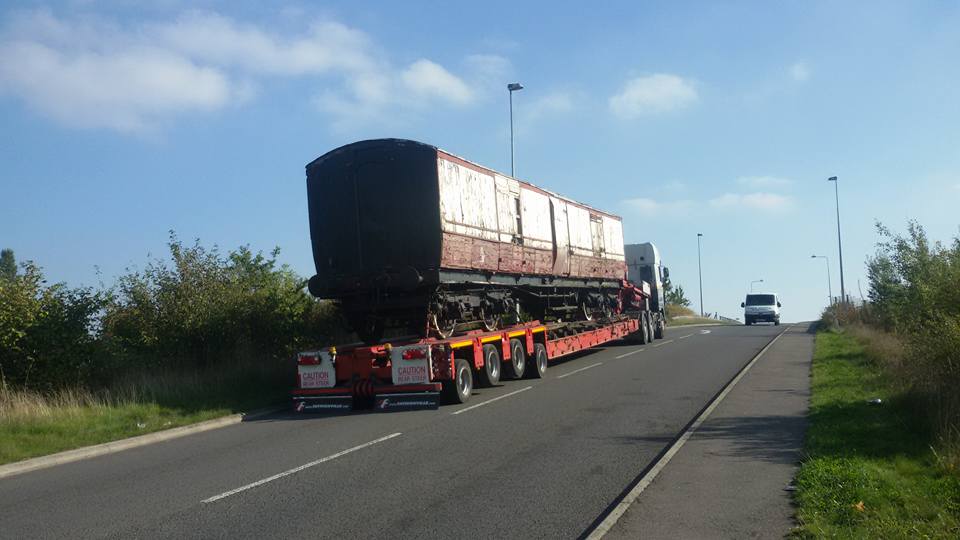
Plus a picture of the LNWR full brake 50′ carriage leaving Chasewater Railway.

LNWR 50' Brake leaving

Goodbye to long term resident the LNWR full brake carriage. It is going to a restoration base in the South Midlands to be rebuilt. Now under the care if the London North Western Railway Society we wish them all the best with the restoration. 

Mark Sealey.