
Some old photos of Asbestos
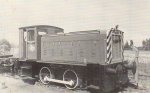
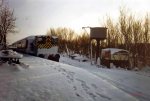
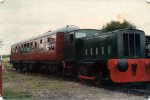
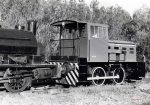
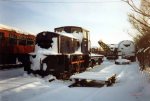
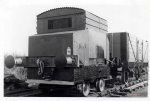
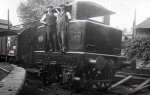
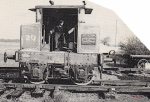
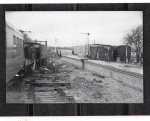
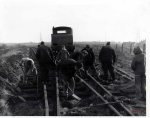
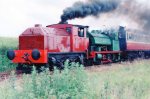
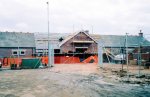
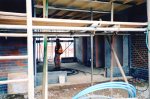
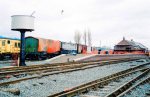
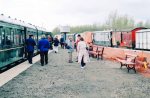
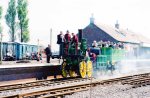
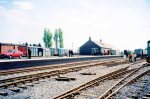
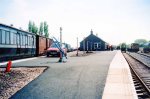
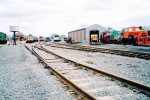
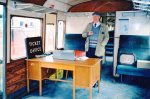
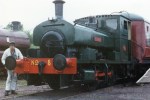
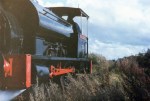
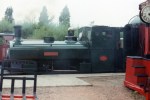
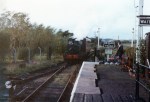
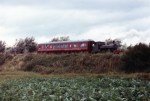
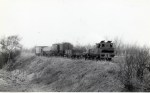
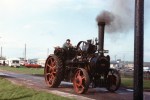
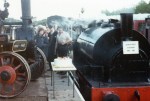
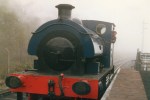
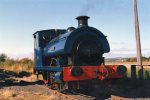
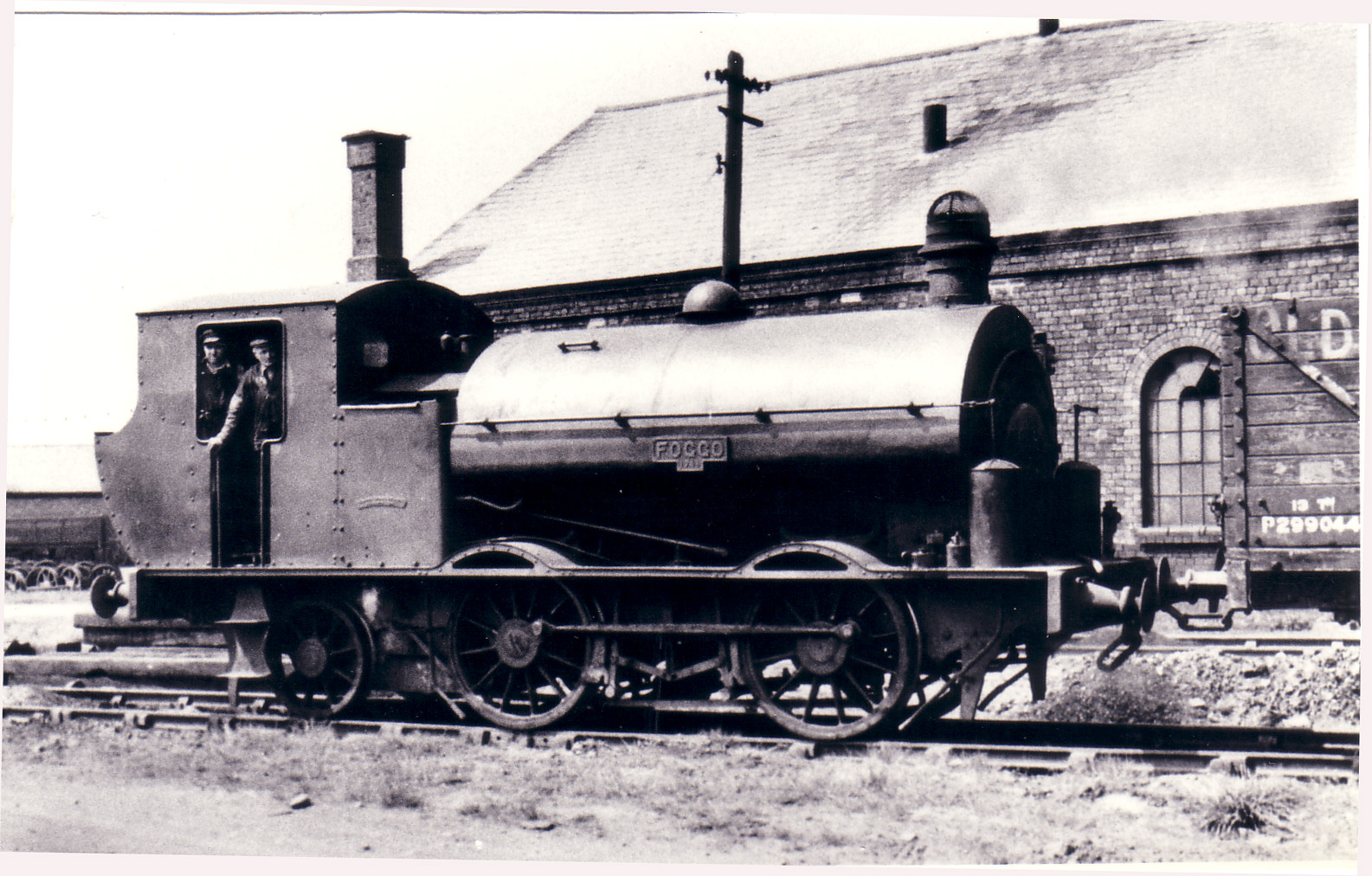
We have been given some more old photos, I think from Steve Organ’s collection. These are some photos of Asbestos in the early days at Chasewater Railway .
Click on a photo for a larger version.

-
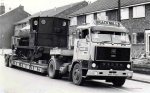
- Arriving at Chasewater

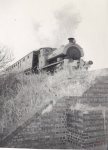


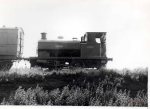


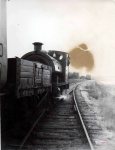

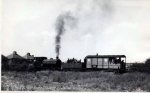
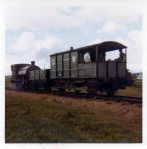

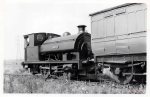


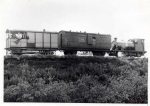

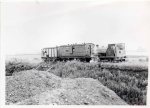

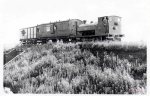
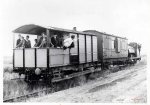
Asbestos
The Chasewater Railway Engine
Hawthorn, Leslie 0-4-0ST, 2780 of 1909. Built at the company’s Forth Bank Works, Newcastle-upon-Tyne.
The loco has outside cylinders 14” diameter x 22” stroke, 3’6” driving wheels with a fixed wheelbase of 5’6”. Weight in working order 27.5 tons.
Delivered when new to Washington Chemical Company, County Durham, which became a subsidiary of the Turner and Newall Company Ltd. in 1920.
A large industrial complex served by sidings and a half mile branch just south of Washington station on the line between Pelaw and Penshaw, the locomotive working here until 1933, when transferred to Turner and Newall, Trafford Park Works, Manchester.
The locomotive came to Chasewater in 1968 from the Turner and Newall factory, Trafford Park, Manchester, where asbestos was produced – hence the name. The company asked for £100 for the loco and was asked if they could wait while the Preservation Society could organize a raffle, being short of funds. Upon realizing the situation, the company generously waived the fee and donated the loco.
Chasewater Railway ran an “Asbestos Day Special” on 1st January 2012 from 10 am to 5 pm. This event marked the end of 1909 built Hawthorn Leslie No.2780 “Asbestos” 0-4-0ST’s current time in traffic and it’s 10 year steam ticket. The one day event will see Chasewater’s favourite steam engine, 102 year old Asbestos providing traction. Resident loco RSH 0-6-0 No.7684 Nechells No.4 was also in steam to accompany Asbestos on her last day as was Barclay loco ‘Colin McAndrew’. It was a time of celebration for the railway owned locomotive which is always very popular with our visitors, and it has been the main stay of service at the colliery line having arrived over 40 years ago. Shortly after the event Asbestos is going to be retired to undergo a heavy general overhaul. Subject to the required funds being raised we expect that the work needed to return it to traffic should take approximately three years to complete.
At the time of writing, June 2018, the money required to return the loco to traffic has been collected and available, but the time hasn’t!
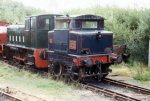




 Chasewater Railway Museum