Tag Archives: Cannock Chase

Chasewater Railway Museum Bits and Pieces 75

Chasewater Railway Museum Bits & Pieces 75 – Feb 1977

The Railway Preservation Society Newsletter

Chasewater News 18 – Part 2

On 26th January Barry Bull, Adrian Pearson and myself (Ian Patterson?) journeyed up to the North Yorkshire area of the NCB to inspect some redundant steam locos for possible purchase.  On the way up we visited Rom River Engineering of Lichfield and noticed the unique Kerr Stuart diesel alongside the ex-Cadbury’s North British diesel hydraulic.

Further north we passed the Butterley Headquarters of the Midland railway Project Group.  I understand from Derek Cartwright that our Royal Saloon, at present on loan to the Group, is at present undergoing considerable restoration at Derby Carriage Works.

The first colliery we visited was Ackton Hall at Featherstone.  This revealed a surprise in the form of Bagnall Austerity No. 2746 of 1944, which had arrived the previous week from nearby Prince of Wales Colliery.  This loco is of great interest to me because it used to work over the Shropshire and Montgomery Line.  The other engine at the colliery was the purpose of our visit, being No.S119 ‘Beatrice’, a 16” inside cylindered six coupled loco built by Hunslet, No.2705 of 1945.  This engine was in excellent condition, the fitters confirmed this, wishing it wasn’t for sale.  This engine is of the same class as ‘Robert Nelson No.4’ and others which worked at Littleton Colliery.  We also enjoyed a trip down the line to the BR exchange sidings on a diesel with the chief fitter, who told us several interesting facts about the history of the colliery and its locos.

The next colliery visited was Parkhill Colliery which revealed S102 ‘Cathryn’ a six coupled Hudswell Clarke side tank No.1884 of 1955 of the PLA Class.  This too appeared in excellent condition but inspection of the boiler report confirmed to the worst our suspicions about its firebox which needed well over £1,000 worth of repairs.

‘Monckton No.1’

Passing under the footbridge into a very quiet looking Embsay station – possibly the last train of the day? Note the bunting on the station and the stone flags through the gap by the ticket office and cabman’s shelter.

(c) Tom Ireland

North Gawber Colliery revealed a rather battered Austerity Hunslet 3212 of 1945, which was unlikely to be saved.  The same colliery also revealed another Austerity ‘Monckton No.1’ HC 3788 of 1953 which is spare engine at the colliery.  Out of the three on offer, we have bid only for ‘Beatrice’, an engine of ideal size for use at Chasewater.

The recent ARPS meeting at York was also of interest, several RPS members travelling up on BR, who managed to put an engine with no form of heating at all on the front of the train!

The National Railway Museum is well worth a visit, but the display of small relics is very poor and if the officers there care to visit Winchcombe Museum they will see what can be done with railway bric-a-brac.

David Ingham from Bury, Lancashire, England

One of the two preserved Princess Royals, 6201 Princess Elizabeth at Castleton East Junction signal box.

The meeting itself was of interest as the Annual RPS Award was given to the Princess Elizabeth Locomotive Society, a sister group of the RPS, for their efforts in restoring ‘Lizzie’ to main line condition despite enormous odds.

Well done the ARPS in choosing such a worthy group of so few members as opposed to one of the larger, richer groups, and Well Done the ‘Lizzie’ Society, in achieving such a remarkable feat.

It is pleasing to note that the Police have recovered many of the stolen objects from the museum vehicle, though the fact that the culprits were aged nine and ten is not so pleasing.

Recent acquisitions have included:

1.    A diamond weight restriction sign of Sheffield and South Yorkshire Navigation origin (once owned by MSLR)

2.    An Oxford Canal Navigation sign.

3.    Sharpness New Locks and Gloucester Canal Company weight restriction sign

4.    Two different sets of six official LNWR postcards from the early 1900s.  One set depicts castles and the other, Welsh Inland Resorts.

We now have 58 different LNWR official postcards, but over 1,000 different ones are known to exist.

Important
Pic from Barry Bull’s Collection

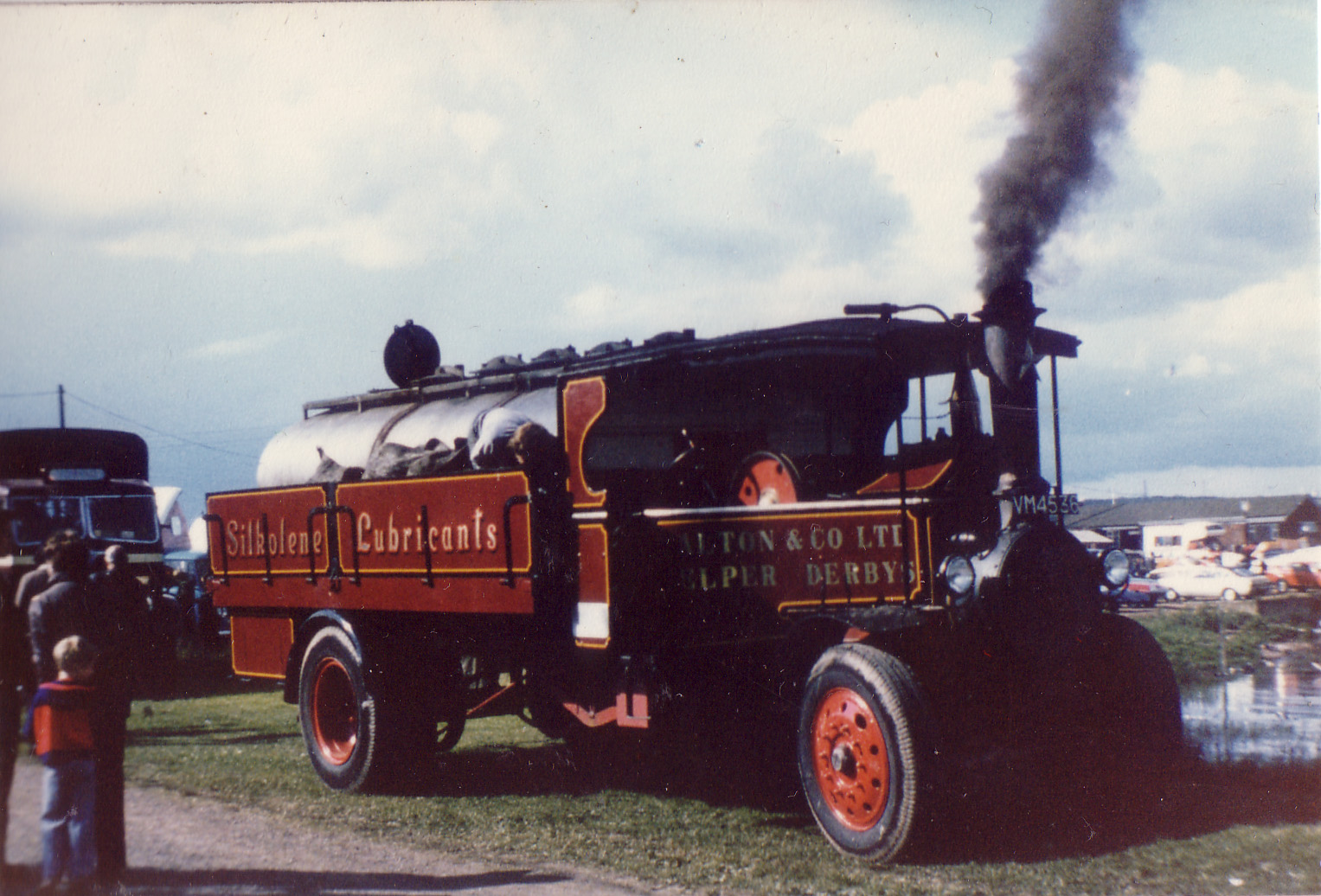
The RPS is organising a Transport Festival at Chasewater Park over the weekend of July 23rd and 24th.  This will feature vintage cars, buses, steam rollers and traction engines as well as the RPS.  We need your help for this venture, the first of its kind to be held by us.  This event may prove vital to our finances this year.

Late News

On the second of February an open meeting regarding the financial aspects of the RPS was held.  This meeting was very poorly attended despite the fact that many members were aware of its existence.  Despite this setback it was decided to launch an appeal to buy the loopline.  The people present were seen to represent an accurate cross-section of active RPS members and a majority of the executive committee were present to authorise the steps taken.  In brief these were:

1.    To set up a fund to purchase the loopline, as a proposed rent of £1,400 per year is beyond the Society’s reach.

2.    This appeal is to go under the slogan of “BRIDGE THAT GAP, BUY A YARD OF TRACK”.

3.    Money shall be raised by donations, those exceeding £10 or in multiples thereof being certified as representing the purchase of one yard of track.

4.    There will be no ceiling on the appeal as in future years the NCB may press for purchase of the northern end of the line.

5.    All monies raised will be placed in a Building Society to maximise its purchasing power.

6.    This appeal will be fully advertised in ‘Railway Magazine’ and ‘Railway Modeller’ as these are the two magazines with the highest circulation in their field.

7.    Handbills will be produced and sent to all interested persons and visitors to Chasewater this year.

8.    All RPS members are urged to start the ball rolling.

BRIDGE THAT GAP, BUY A YARD OF TRACK

The future of the Chasewater Light Railway depends on YOU.

Steam Loco Drivers

Albert Haywood, Chairman of the RPS, has asked me to inform all members of the need for fully trained drivers for the season’s trains.  To this end, training will be given at Chasewater before the start of the running season.  All persons wishing to be considered should apply in person or in writing to Albert.  When a list of all members wishing to take part is gained then a scheme of training and passing out will be drawn up.
Chasewater Railway Museum – From the Scrapbook, 1998, on to Chasewater Heaths.

Chasewater Railway Museum 

From the Scrapbook,1998,

on to Chasewater Heaths.

Sleepering Partner

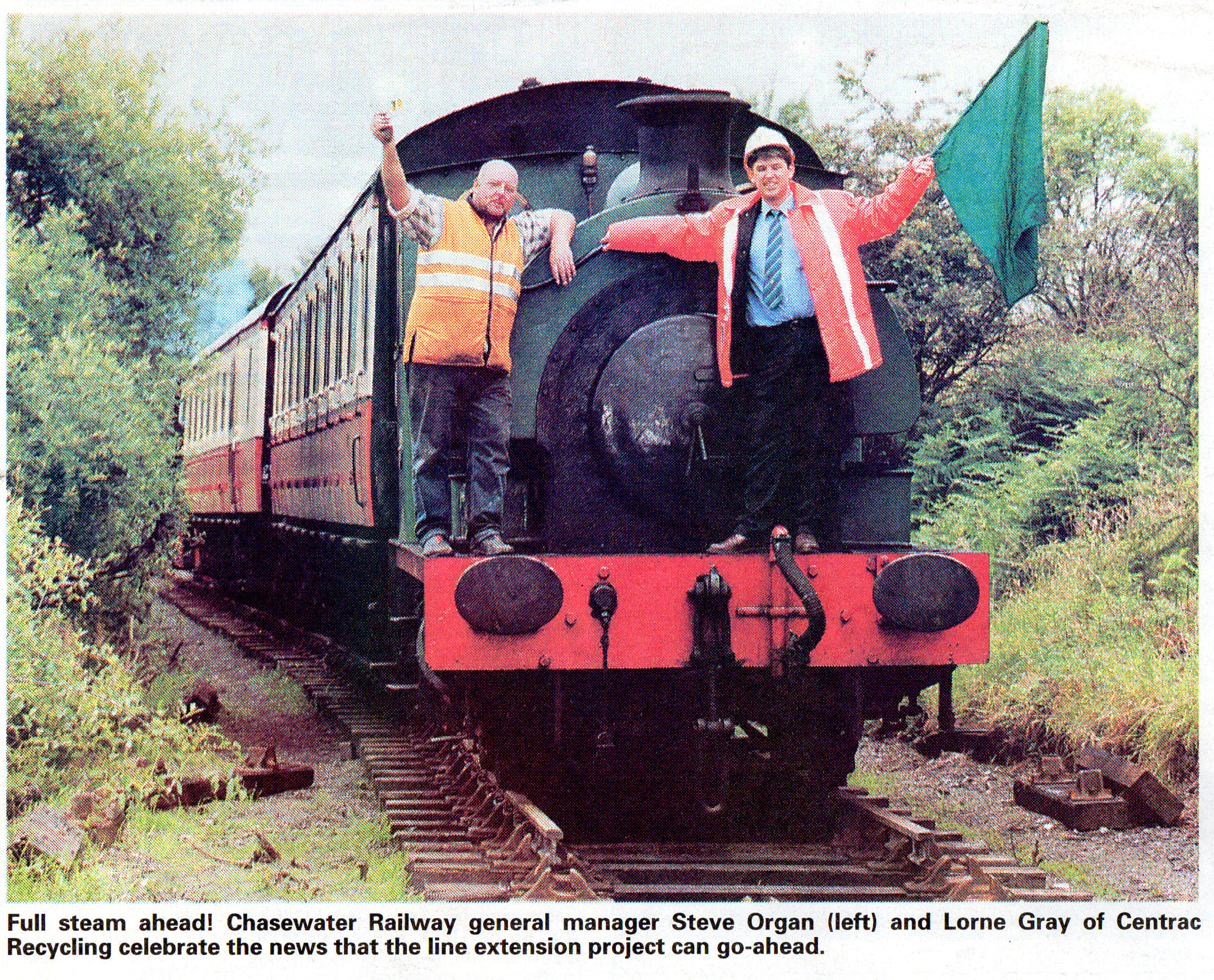
Rail contractor Centrac, Tarmac’s track renewal company, came to the rescue when it heard that Chasewater Railway at Burntwood, Staffordshire, was struggling to extend its line due to a shortage of sleepers.

Birmingham-based Centrac offered to supply 600 sleepers from its main recycling depot at Northampton.

The Donated sleepers mean that Chasewater Railway’s volunteer workforce can extend its line to a planned new station near the proposed Burntwood by-pass entrance to the Chasewater Country Park.

The line currently serves the Brownhills West end of the park, carrying passengers around Chasewater Lake – and across the lake on a recently rebuilt causeway – to a station opened 18 months ago in the Norton wildfowl reserve.

The track represents the only remaining mineral line from the vast Cannock Chase coalfield network, and runs small tank locomotives retrieved from industrial locations, including a steam shunting engine from Pleck gasworks, providing scenic leisure trips for passengers.

Chasewater Railway general manager Steve Organ welcomed the donation of the sleepers saying “We are absolutely delighted with Centrac’s generous help – quite simply we could not have achieved so much without them.  This shows the value of recycling materials.”

Lorne Gray, who is in charge of Centrac’s recycling operations, commented: “The particular type of sleeper we have donated would normally be stripped down to the bare components.  The baseplates and fixings would be sold off by the tonne to scrap merchants and the sleepers sold for use in heavy industry and agriculture.

“The fact that they will now be used for their intended purpose, albeit on a reduced specification basis, is very satisfying.”

Chasewater Railway Museum – An 1857 Book

Chasewater Railway Museum 

A Book dated 1857

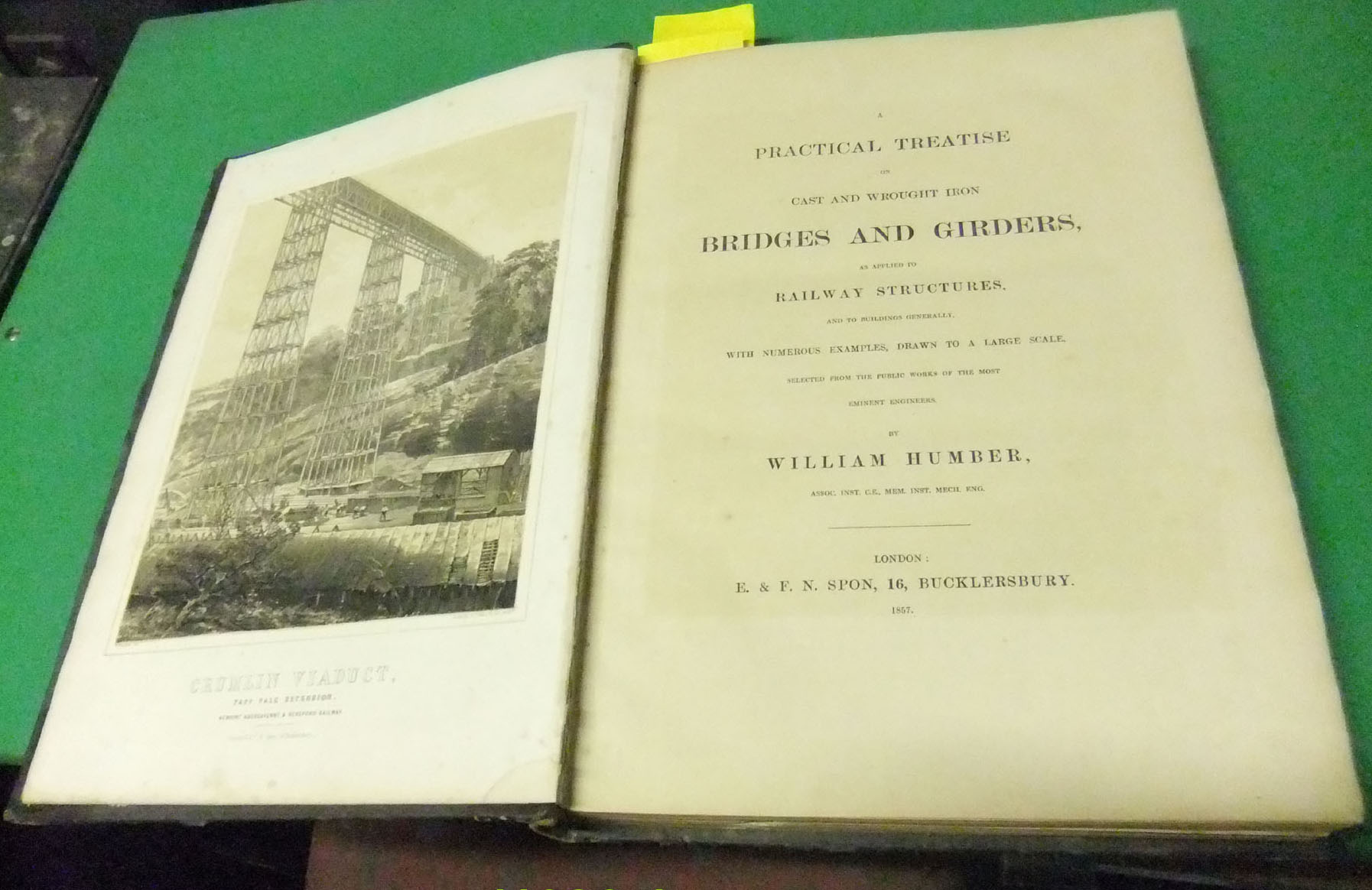
A book has been donated to the Museum, described as a ‘Treatise on Cast and Wrought Iron Bridges & Girders as applied to Railway structures.’

Compiled by William Humber in 1857.

It is a substantial book, measuring 15″x 11″ and was donated by Chris Browy of Norton Canes.

Amongst numerous descriptions of works are two local bridges:

No.1:

South Staffordshire Railway

Aqueduct Cannock Chase

Messrs. McClean and Stileman, C.E. ( Consulting Engineers – John Robinson McClean and Francis Cloughton Stileman)  John Robinson McClean was involved with the South Staffordshire Railway and the Cannock Chase Colliery Company, and is of particular interest to Chasewater Railway and the Museum.

In 1849 he took into partnership Mr. F. C. Stileman, with whom he engaged in the construction of the South Staffordshire Railway, the Birmingham Wolverhampton and Dudley Railway, the Staffordshire and Worcestershire Canal reservoirs, and the South Staffordshire Water Works supplying water from Lichfield to a very extensive district.

Constructed by Messrs. Lloyds, Forsters & Co.

This Aqueduct was erected to carry the Walsall and Birmingham Canal over the Bloxwich Branch of the South Staffordshire Railway.  The work had to be completed before proceeding with the railway cutting to prevent interruption with the canal traffic, and also the supply to a water wheel, situated some distance below the ground of operations, in which the canal company was interested.  Considerable difficulty was experienced in carrying out the work, because of the unfavourable nature of the soil, which was loose, sandy and, to some extent, marshy; increased by the continual sinking of the banks, caused by the coal and iron pits, which undermine the whole district.

The aqueduct is carried at right angles across the railway in two spans, each 14 feet wide, by 15 feet 4 inches from the level of the rails to the bottom of the girders.  The trough 20 feet 4 inches wide by 5 feet 6 inches deep.

No.2:

South Staffordshire Railway

Cannock Branch

Messrs. J.McClean and Stileman C.E.

This bridge was erected for the purpose of carrying the Cannock Branch of the South Staffordshire Railway over the Wednesfield Branch of the Birmingham Canal. The peculiarity of this case consists in a better distribution of the metal in the top flange of the girders by which means the liability of that member to buckle when subjected to severe strains is in a great measure obviated.

The railway crosses the canal at a very acute angle, and to obviate as much as possible the effects of unequal deflection, each line of rail is supported by independent platforms so as to form two distinct bridges.  The longitudinal or main girders are 63 feet 4 inches long, having a bearing of 6 feet at each end on the abutment, so that the span is only 51 feet 4 inches.


Cannock Chase Mining Historical Society Books

 Cannock Chase Mining Historical Society Books

No automatic alt text available.

Did you or one of your family work at one of the many Collieries in the Cannock & Rugeley area. If so why not get one of the mining books published by the Cannock Chase Mining Historical Society. There are 18 books in the series, each one covering one or more of the local Collieries. A very informative collection, written by the miners, who worked at them. These are available from Chasewater Railway Museum. Perhaps an ideal Christmas present. Contact me if you need more information.

Godfrey Hucker – 07751 448523

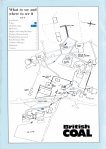
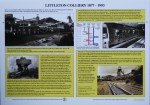
Chasewater Railway Museum – Littleton Colliery Leaflet – Only 30 Years Ago

Littleton Colliery Leaflet 

Only 30 Years Ago

This leaflet has just come to light in our Archives section, I thought it is worthy of reproduction.  Such a lot has changed!

(Click on the pictures to enlarge)

Thirty years on what’s left is a school, a housing estate and an Information Board – plus lots of memories.


Chasewater Railway Museum – Harry Hartill’s Country

Chasewater Railway Museum

Harry Hartill’s Country

harry-hartill

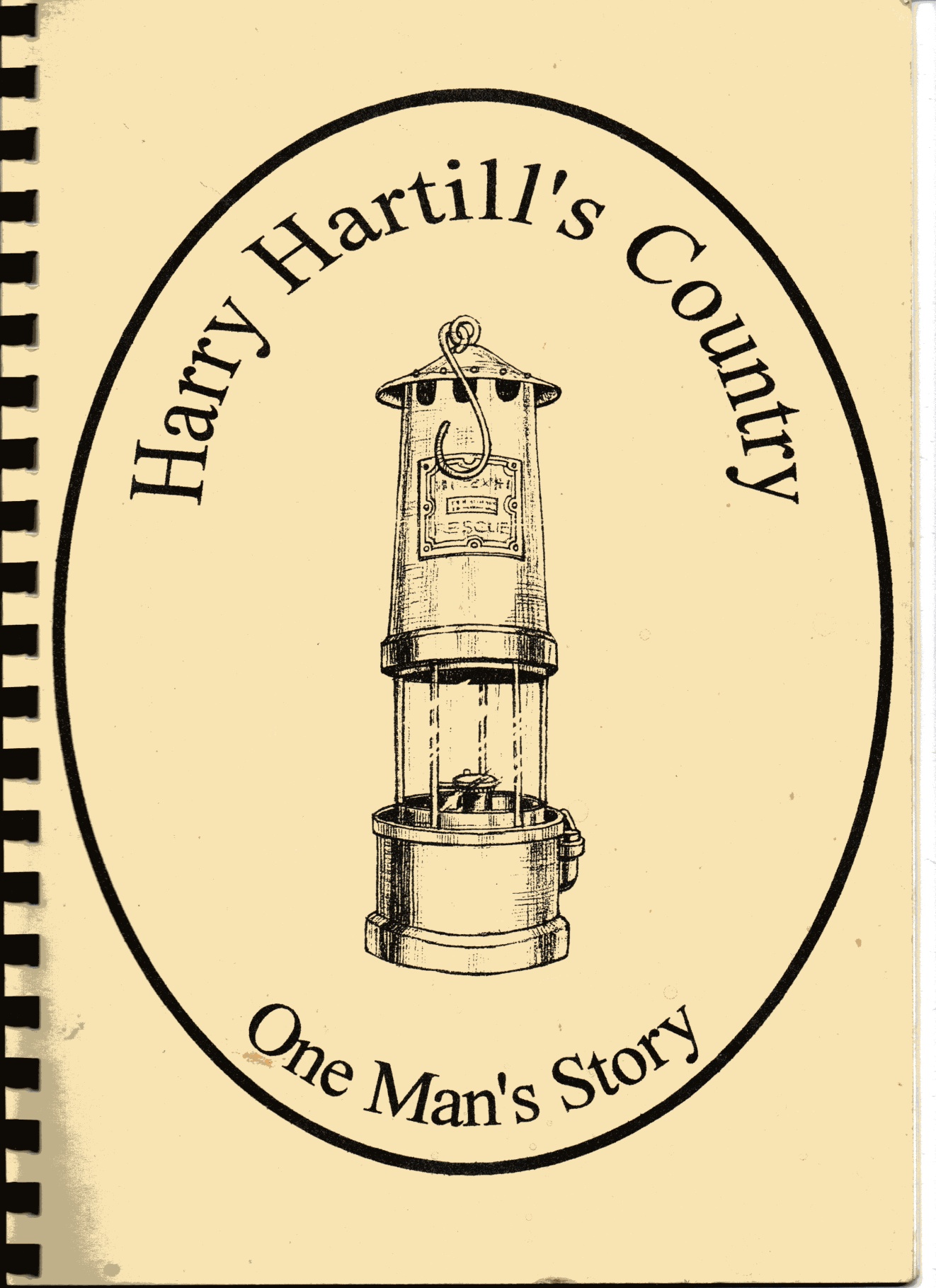
The Museum has been lucky enough to borrow, for a short time, a copy of this book by Harry Hartill.  This book has a passage of particular interest to us as it describes in some detail who drove the local engines of the Cannock Chase Colliery Company and where they travelled to around the local coalfields.  It is written in a sort of ‘chatty’ style which is very easy to read.

The Chasewater Railway Museum would dearly like a copy of this book for our own collection, so if anyone should have a copy which they would like to donate to the Museum, please get in touch.  email j.tisdale45@yahoo.com or phone 07786 323311.

Chasewater Railway Museum wishes everyone a very Merry Christmas

Chasewater Railway Museum wishes everyone a very Merry Christmas

merry-christmas-2013

Chasewater Railway Museum – Coming Soon!

poppy-sand

Chasewater Railway Museum 

Coming Soon!

santa-specials

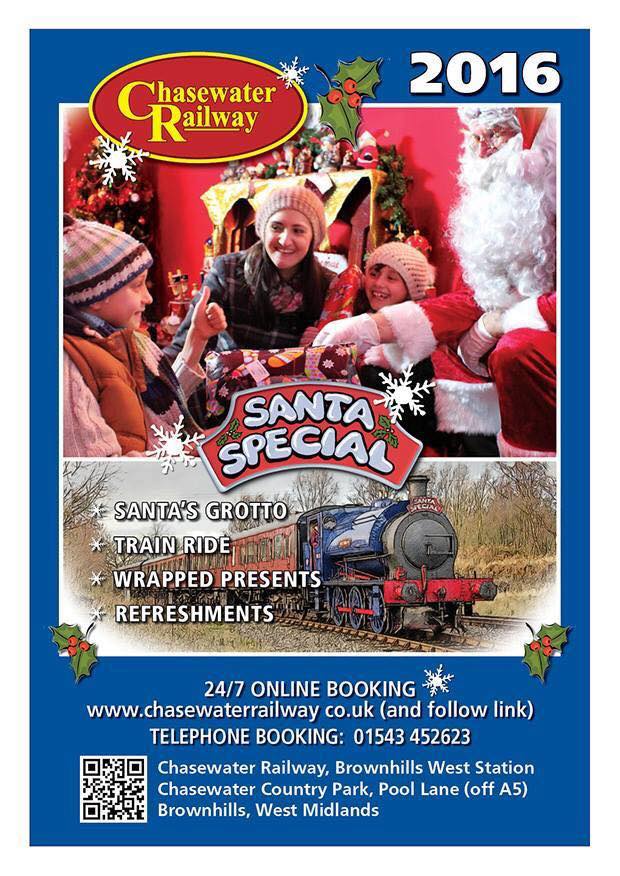
Come to Chasewater Railway this Christmas and join in the festivities with our ever popular Santa specials throughout December. With a steam train ride, a visit to Santa in his grotto, age appropriate wrapped gifts, light refreshments for adults and kids all included in the price of the ticket! If you are still feeling peckish our cafe The Sidings Tea Room will be open each day to providing hot and cold drinks, food and treats.

Santa’s grotto is located in our Heritage Centre so there is plenty to see and do!

Tickets are selling extremely fast with some of our trains already fully booked!!! Be quick and book now with our online booking system, follow the link to our Santa special page and click on book tickets

http://www.chasewaterrailway.co.uk/events/santa-specials/

You MUST pre book for our Santa specials as selling tickets on the day is not always possible.

There are no trains running and the Museum will not be open on November 20th or 27th due to preparations in the Heritage Centre…….

Save

Save

Chasewater Railway Museum – June Newsletter

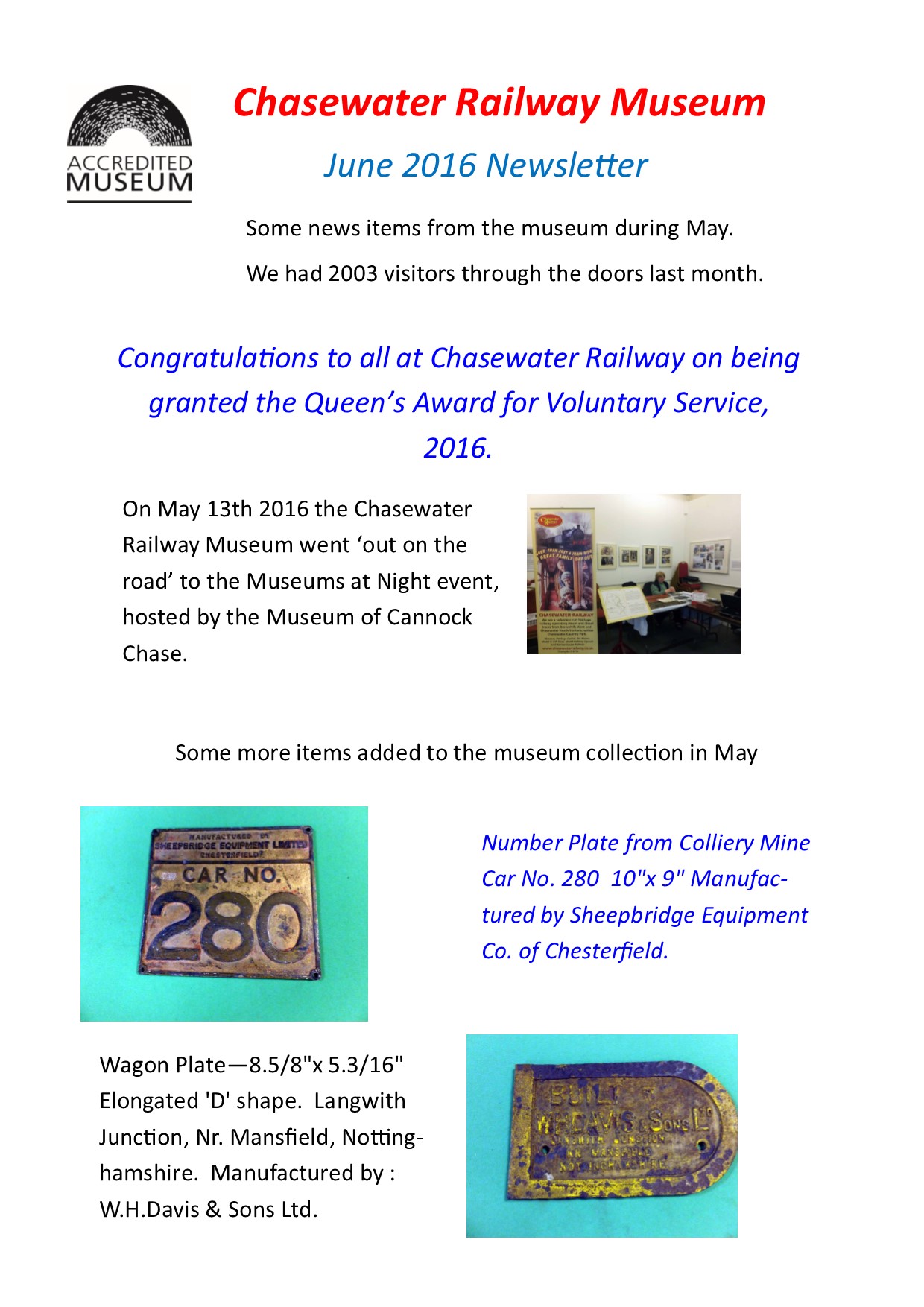
June for blog

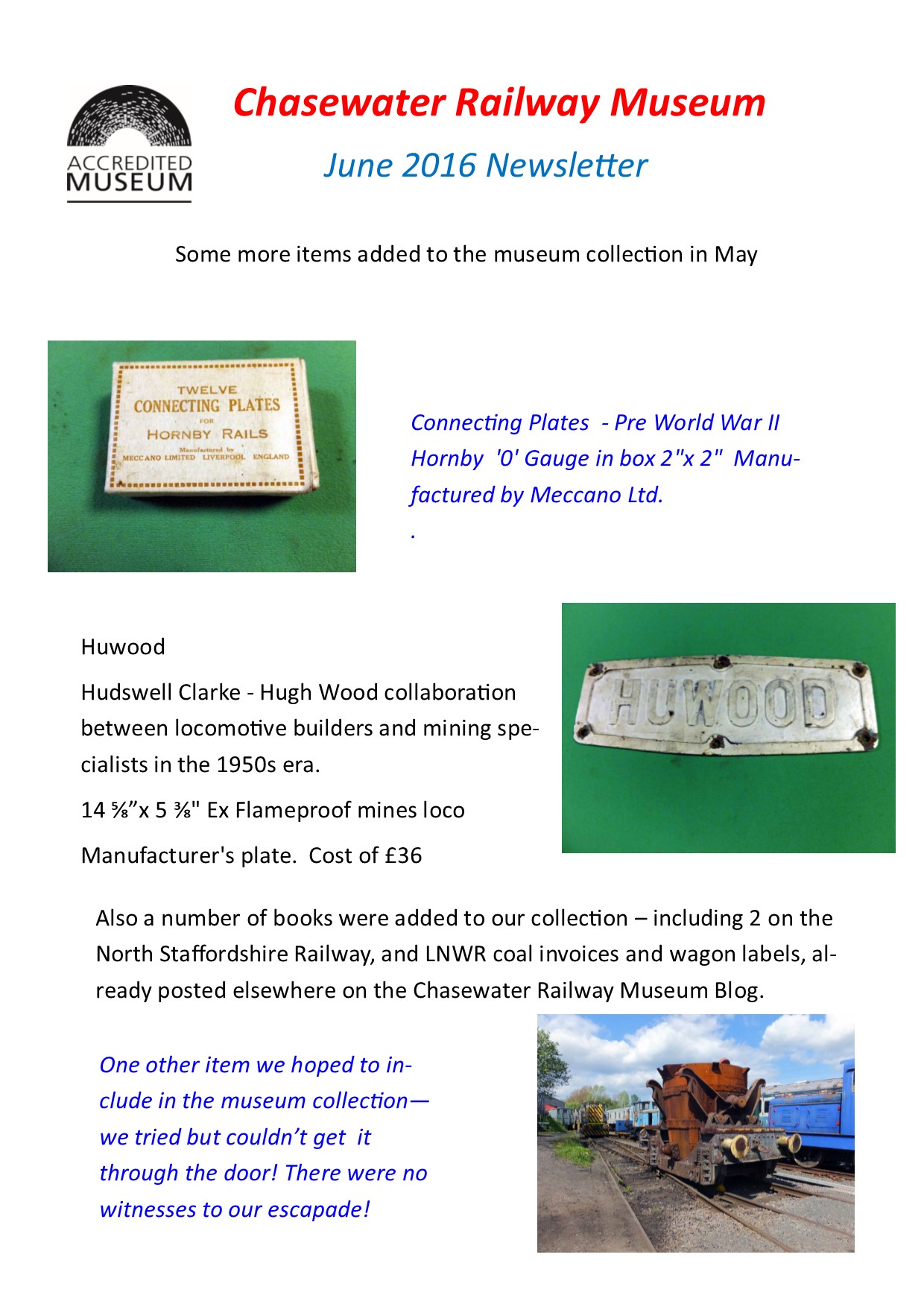
June page 2


Save

Chasewater Railway Museum – Meccano Loans

Chasewater Railway Museum 

Meccano Loans

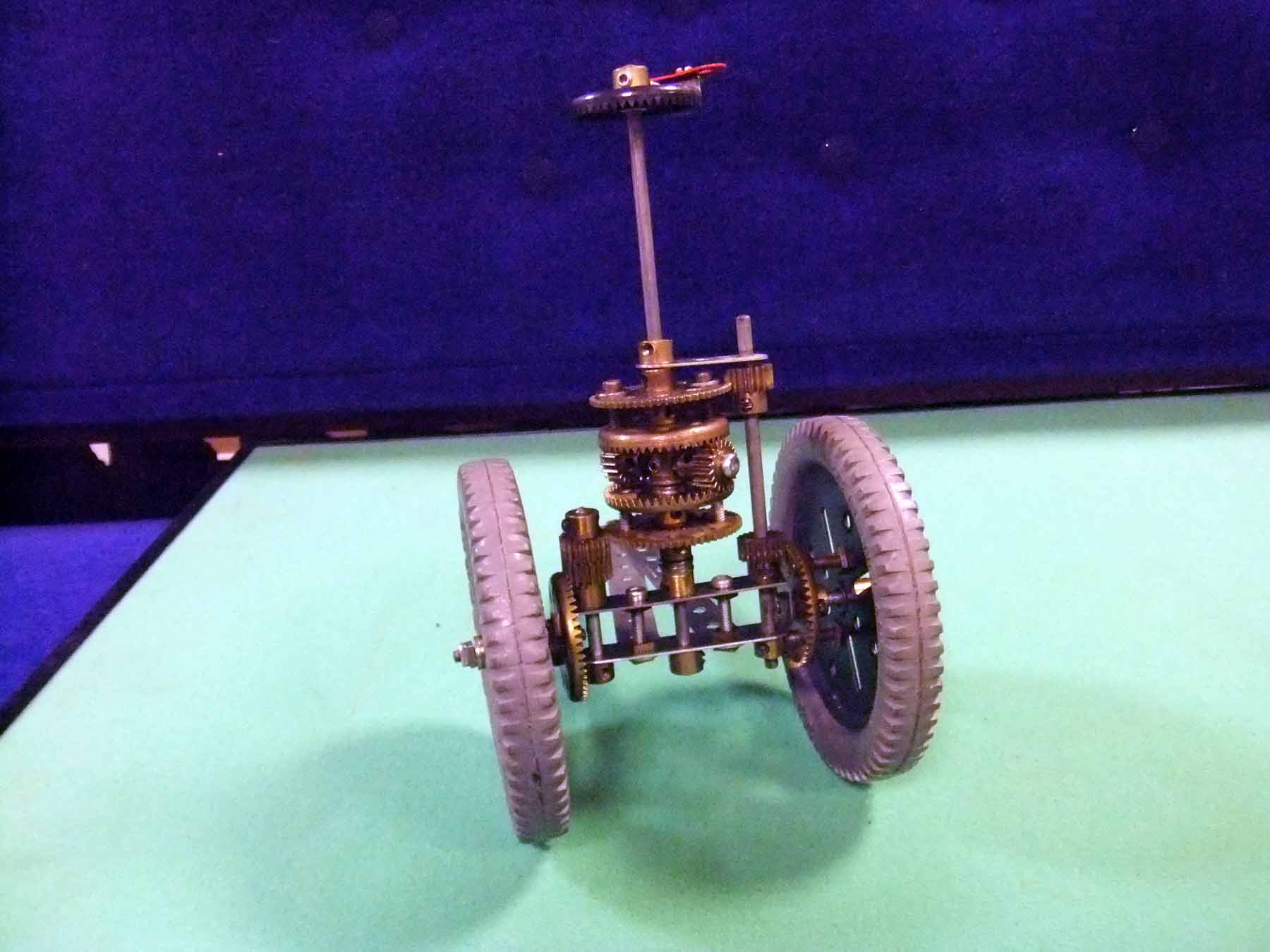
This particular exhibit was with us a few years ago and has now re-appeared on the Memories of Burntwood Facebook Group page.

DSCF5069

DSCF5065

Eugene Damon – Peter Styche, Hi Ya – yes you are correct it is a Chinese South Seeking Chariot. They used to use them about 2000 years ago to keep their bearings when crossing the deserts, When it is on the move it can turn left or right up or down or do a full circle but the pointer will stay on the target that was selected This model in the photo was made in 2010 by a member of Chasewater Light Railway, Do any of you know how it works?  If not, why not pay a visit to the museum at the railway were it will be on display for a short while and the staff will give you a little demo on how it works, as it would take a little too long and to complex about the gearing to explain on here.

More Meccano in the Museum

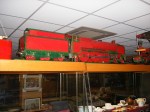
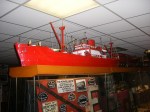
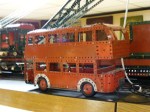
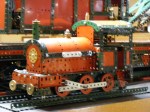
The top three have been with us for a while – everything works on the crane, the wheels go round on the locomotive, but sadly the ship won’t float!!