Tag Archives: Aldridge

Some fire-related items from the Museum collection from various railways

Some fire-related items from the Museum collection from various railways

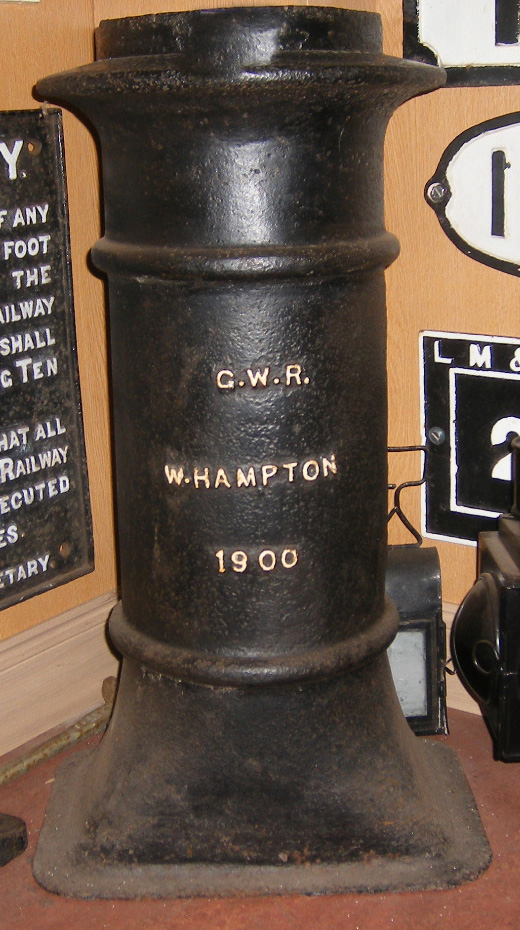
Starting with a chimney from the furnace in the tin-smith’s shop at Stafford Road , Wolverhampton.  GWR dated 1900.

691 GWR Chimney no number

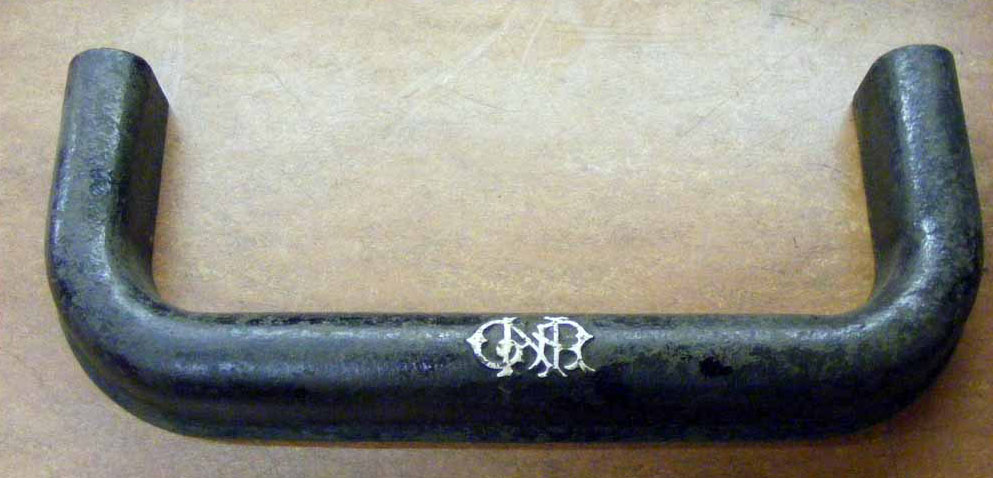
Three fireplace fenders from various offices:

572 Cam FenderCambrian Railway

1686 Fender GE

This one is from the Great Eastern Railway

574 GNR

The third fender is from the station fireplace at Stowe by Chartley, Great Northern Railway

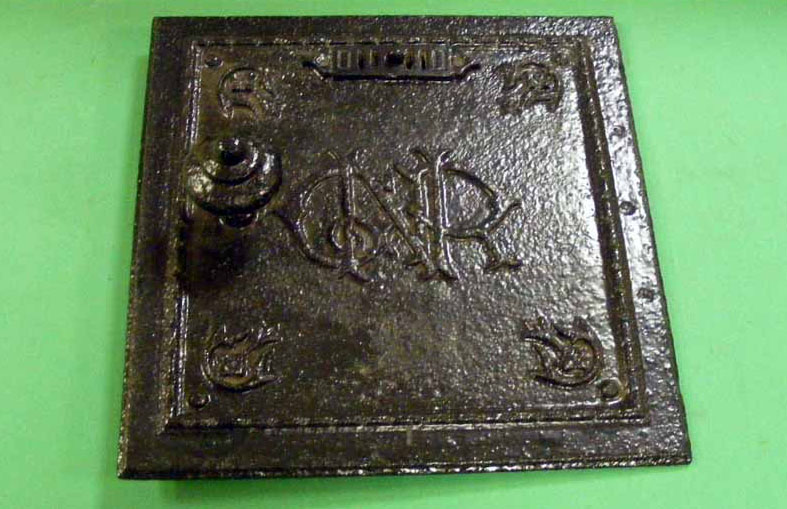
Another item from Stowe by Chartley on the Great Northern Railway is this stove door.

1682 Stove door

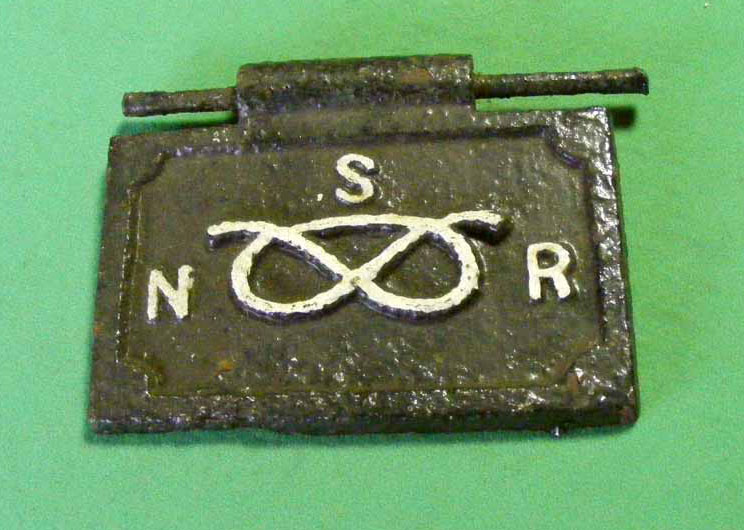
Another stove door – from the North Staffs Railway

1857 NSR Stove door

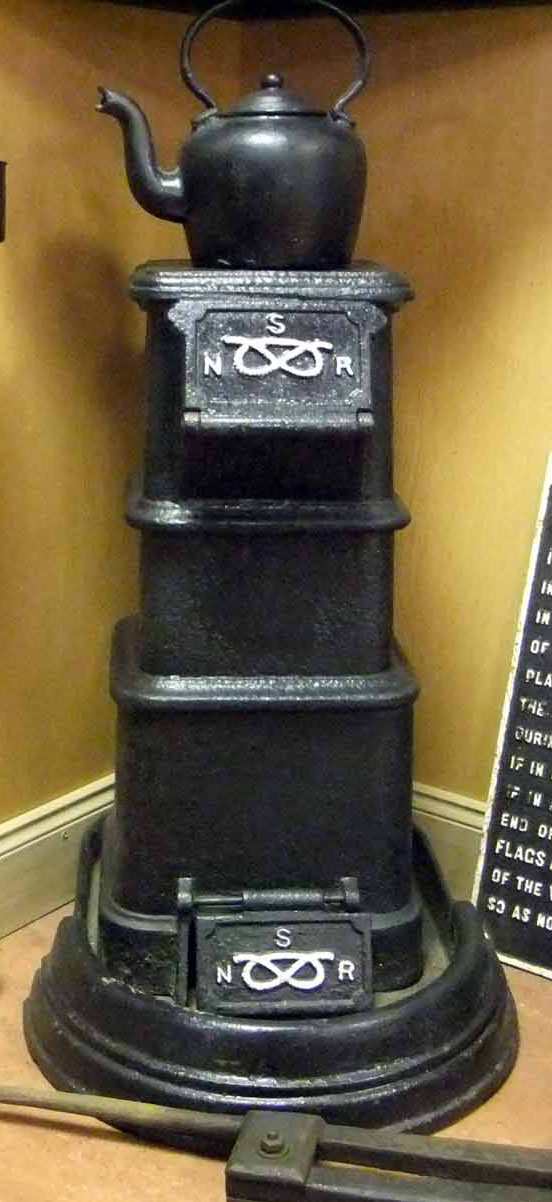
And finally, This North Staffs Railway stove – complete with kettle (very heavy!!)

NSR Stove Crop

Some more photos have come to light – leaving the old Brownhills West Yard

Some more photos have come to light:

Leaving the old Brownhills West Yard

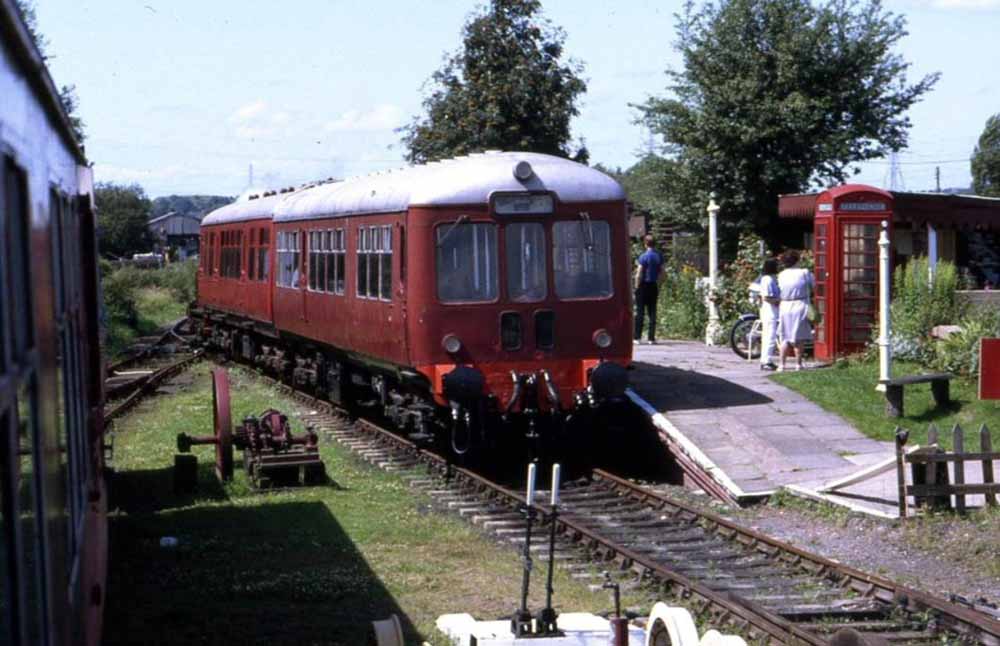
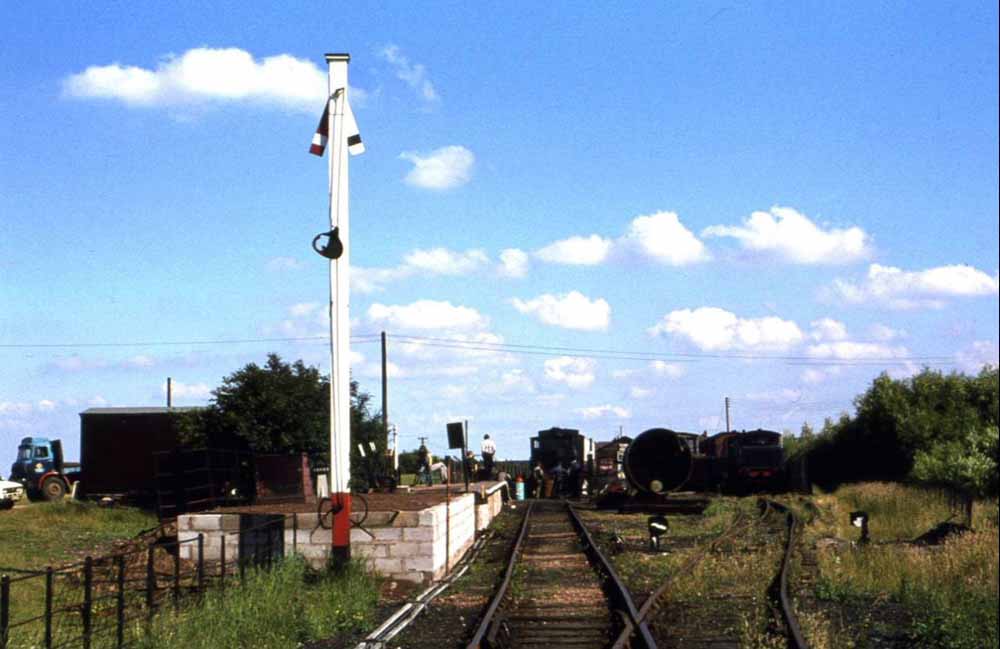
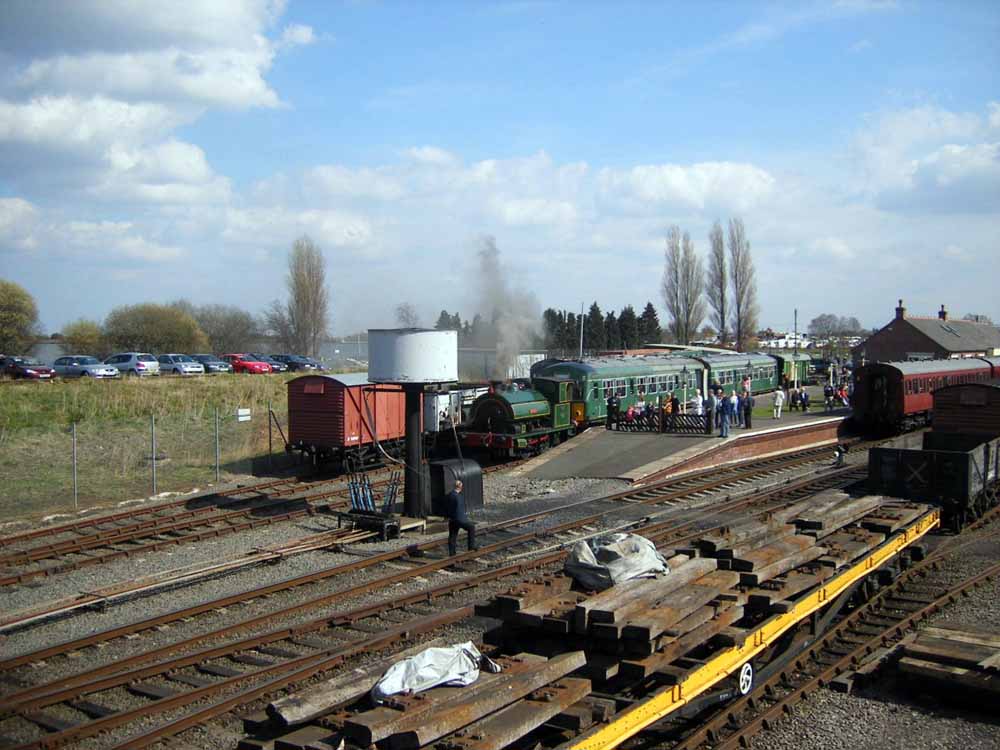
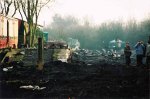
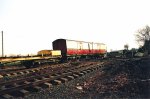
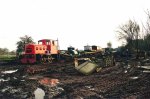
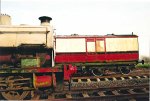
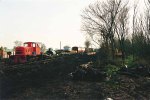
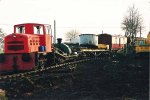
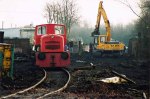
To get from the first two photos, taken in 1978 and 1992, to the third, taken in 2007, a considerable amount of stock had to be moved. 


Autumn 1992. Brownhills West Station with a DMU waiting

Autumn 1992. Brownhills West Station with a DMU waiting

Brownhills West Station in 1978, including the signal with the slotted post.

Brownhills West Station in 1978, including the signal with the slotted post.

New Brownhills West Station at Easter, 2007.

New Brownhills West Station at Easter, 2007.

The following photos capture the tail end of the move:

Chasewater Railway Museum’s Latest Acquisitions

Chasewater Railway Museum’s Latest Acquisitions

Not quite the size of the item on the previous post but we like them anyway!

10763 crop

The first one is an NUR badge, 0.75″ round from about 1940.  It is made from tin with plastic covering.

10762 crop

This one is a Great Central Railway badge, 1″ diameter, for Railway Service during  World War 1

Chasewater Railway Museum – Local loan item now on display

Chasewater Railway Museum

Local Loan item now on display

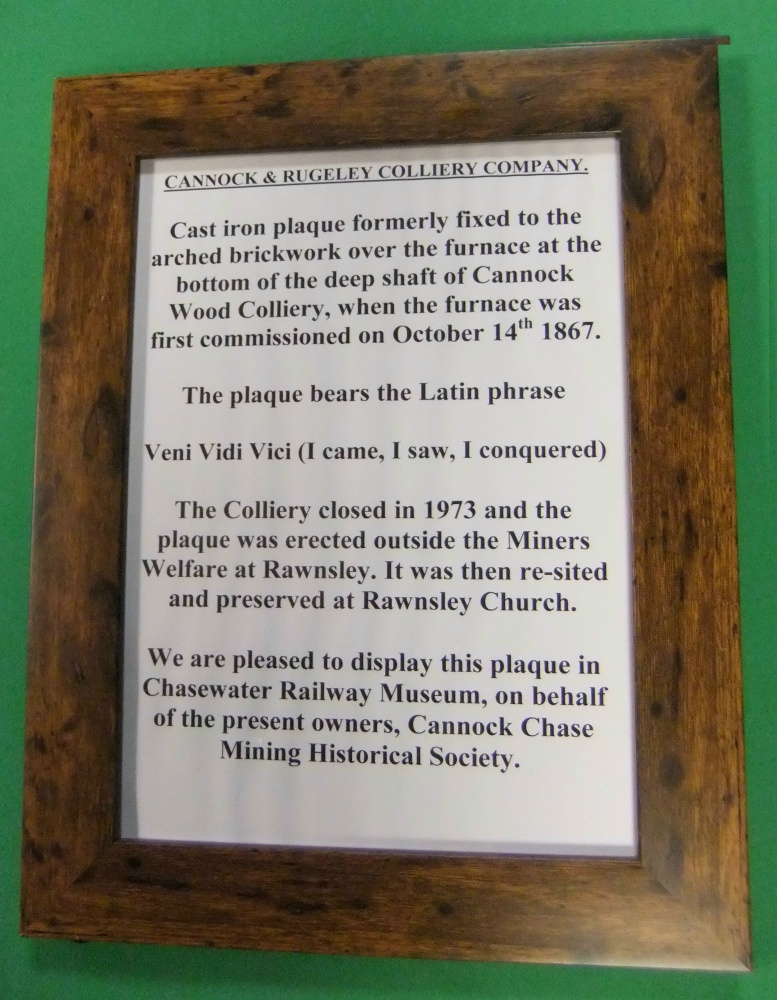
V.V.V.

VVV Info

Our thanks to Alan Dean and the Committee of the Cannock Chase Mining Historical Society for allowing the Chasewater Railway Museum to display this plaque.

Chasewater Railway is known as the Colliery Line – if there had been no coal mines there would be no railway!

Also thanks to the Chasewater Railway members who helped to put the plaque in position – it’s not the lightest of objects!

Chasewater Railway Museum – our latest book

Chasewater Railway Museum – our latest book

DSCF9021

This book of photographs, by J.B.Bucknall, includes many pictures of local interest, and it was thought it would be a good addition to our collection.

One photo is of particular interest to Chasewater Railway members as it shows a coal train leaving West Cannock  5s pit, heading for the Hednesford Yard, and in front of the engine can be seen the first headquarters of the Railway Preservation Society (West Midlands Division), where the Society stayed rent-free for 10 years Courtesy of Charles Ives, Penkridge Engineering) before moving to Chasewater, and changing its name to the Chasewater Light Railway Society and later to the Chasewater Light Railway and Museum Company.

Coal train leaving W Cannock RPS

The building (between the 2 telegraph poles), which is still standing, consisted of brick pillars and a roof, but now the spaces between the pillars have been bricked up.

Chasewater Railway Museum- more new stuff

Chasewater Railway Museum- more new stuff

Three more items for the collection, one in the Commercial Equipment case and the other two, Hornby models.

DSCF9009

This first one is an unusually shaped inkwell, brown earthenware marked GER (Great Eastern Railway)

DSCF9014

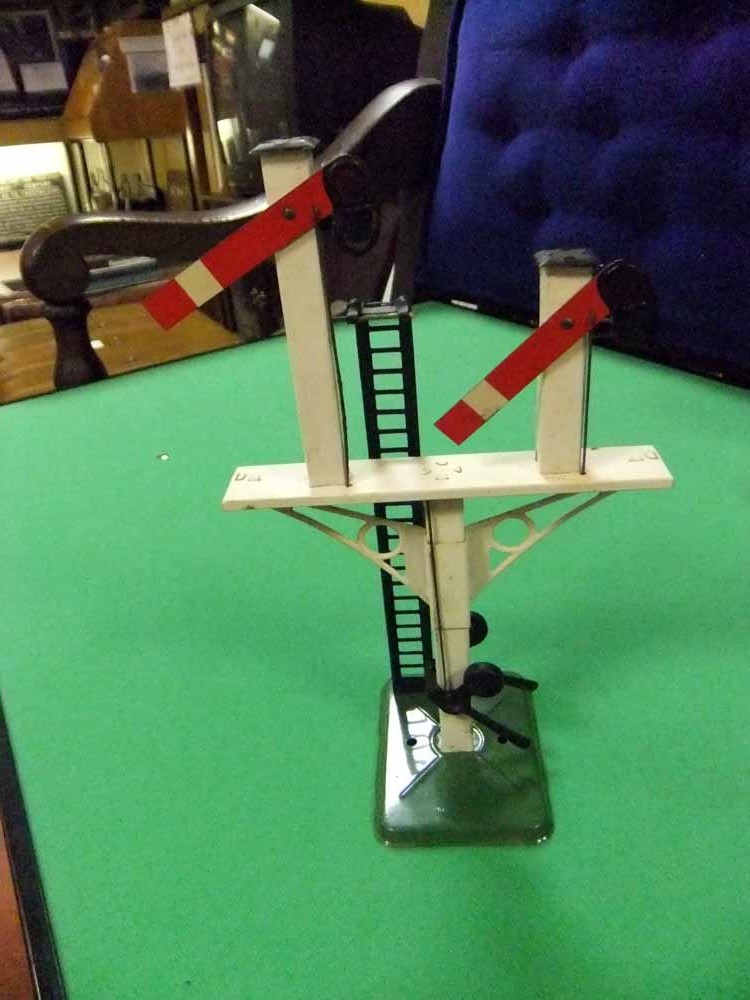
Secondly, a Hornby ‘0’ gauge Junction Signal.

DSCF9016

Finally, a Hornby ‘0’ gauge Water Crane.  ( In my youthful (!) innocence I have always thought of them as water towers, but people who know about such things tell me that they are water cranes).

Chasewater Railway Museum. A new item – from further afield than usual!

A new item – from further afield than usual!
DSCF9007


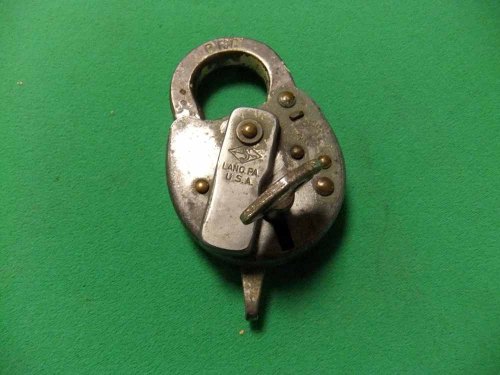
This padlock (broken) was originally used to lock remote trackside point levers.

Used for points on passing loops on single track section.

Keys were carried by the train crew.

The shackle is stamped  ‘1951’.

Donated  to the Museum by Alan G.Smith, to whom we offer our thanks.

Bannera Home Page PRR

Pennsylvania Railroad

The Pennsylvania Railroad (reporting mark PRR) was an American Class I railroad, founded in 1846. Commonly referred to as the “Pennsy,” the PRR was headquartered in Philadelphia, Pennsylvania.

The PRR was the largest railroad by traffic and revenue in the U.S. for the first half of the twentieth century. Over the years, it acquired, merged with or owned part of at least 800 other rail lines and companies. At the end of 1925, it operated 10,515 miles of rail line, in the 1920s, it carried nearly three times the traffic as other railroads of comparable length, such as the Union Pacific or Atchison, Topeka & Santa Fe railroads. Its only formidable rival was the New York Central (NYC), which carried around three-quarters of PRR’s ton-miles.

At one time, the PRR was the largest publicly traded corporation in the world, with a budget larger than that of the U.S. government and a workforce of about 250,000 people. The corporation still holds the record for the longest continuous dividend history: it paid out annual dividends to shareholders for more than 100 years in a row

Recent Colliery related addition to Museum

grove 7

Another recent addition to Chasewater Railway Museum, following the local Colliery connection with the Railway, is an old Labour Certificate, which as been framed. This certificate was donated to the Museum by Godfrey Hucker, one of the Museum volunteers. The certificate was issued to his father, also named Godfrey in November 1917, by Staffordshire County Council Education Committee, allowing him to leave school at the age of 13, and commence working at the Grove Colliery in Great Wyrley. The Grove Colliery ceased to mine coal in 1930, following an explosion which killed 14 miners. Following the disaster (a  report of this can be found on Brownhills Bob’s Blog) the Grove then used their surface equipment to wash, screen & distribute coal from the adjacent colliery, Wyrley No 3 known as the Sinking. Godfrey worked at the Grove until closure in the 1960’s.
Chasewater Railway Museum – Help Required!

Chasewater Railway Museum 

Help Required!

DSCF1427

Which Loco?

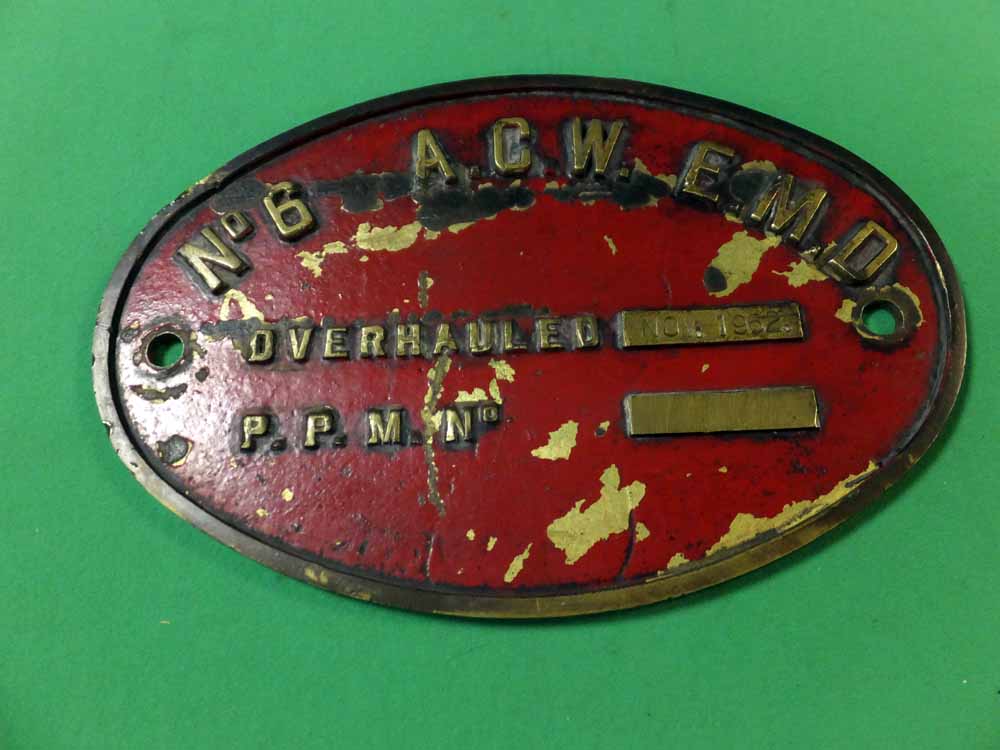
Lot 385 in the Great Central Auction at Bloxham on August 8th 2015 and described there as a wagon plate is actually an overhaul plate from the former NCB Workshops, Bestwood, Notts.

Acquired on behalf of the Chasewater Railway Museum, the brass plate is oval in shape, approx. 12″x 8″ with cast in lettering No.6  A.C.W.   E.M.D.  Overhauled with date stamped Nov. 1962.

Research using the Industrial Railway Society Handbook for Nottinghamshire leads to three possible locos which may have carried this particular plate (on the bunker side), these being locos named Valerie, Peter or Phillip – but which??

Maybe someone can help?

j.tisdale45@yahoo.com

Chasewater Railway Museum – New Additions

Chasewater Railway Museum 

New Additions

Our man has been out and about again and come back with three additions to the collection.

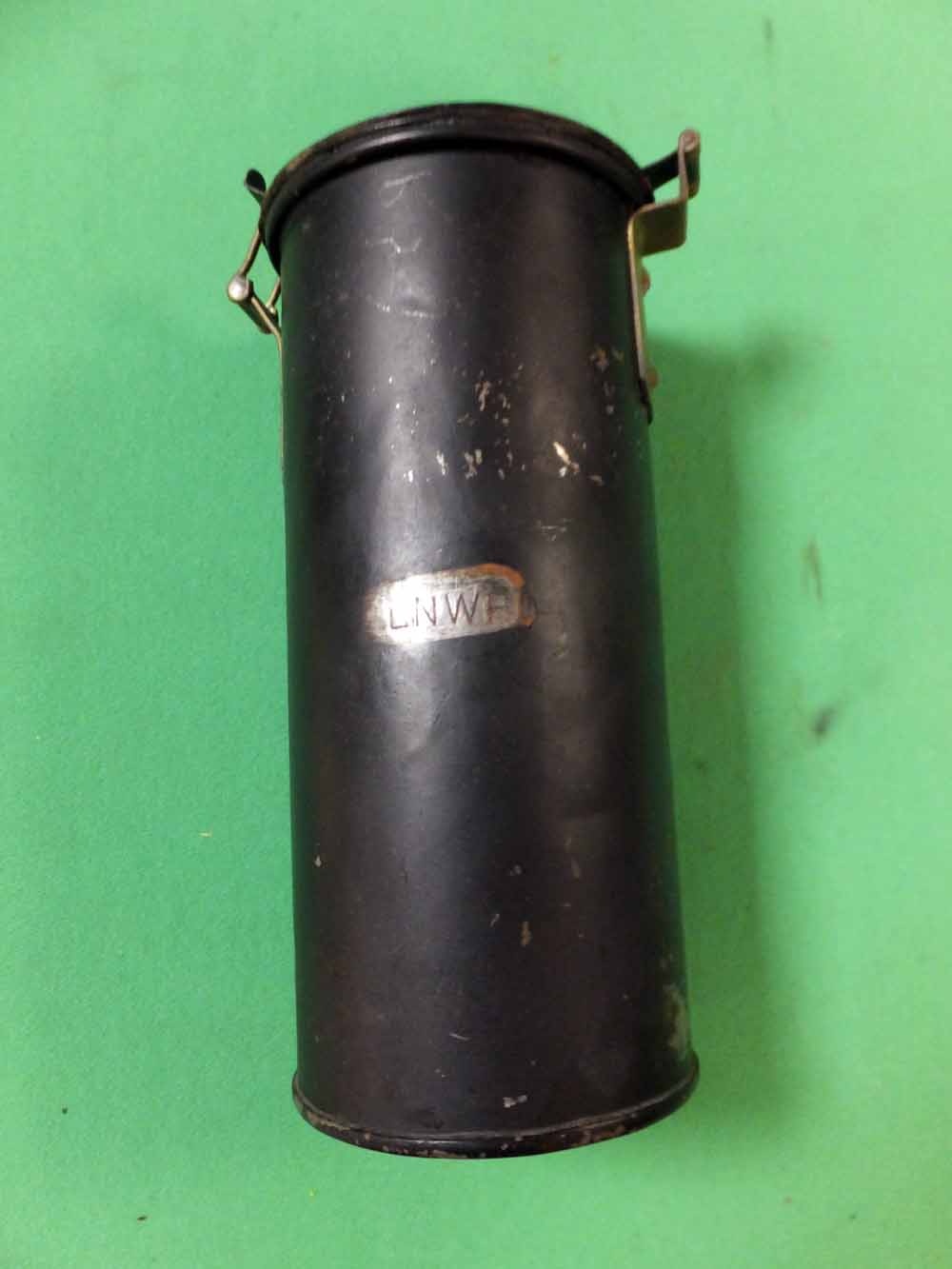
DSCF1430The first is a detonator case, stamped LNWR.  This is steel with brass hinges and stands 8″ tall.

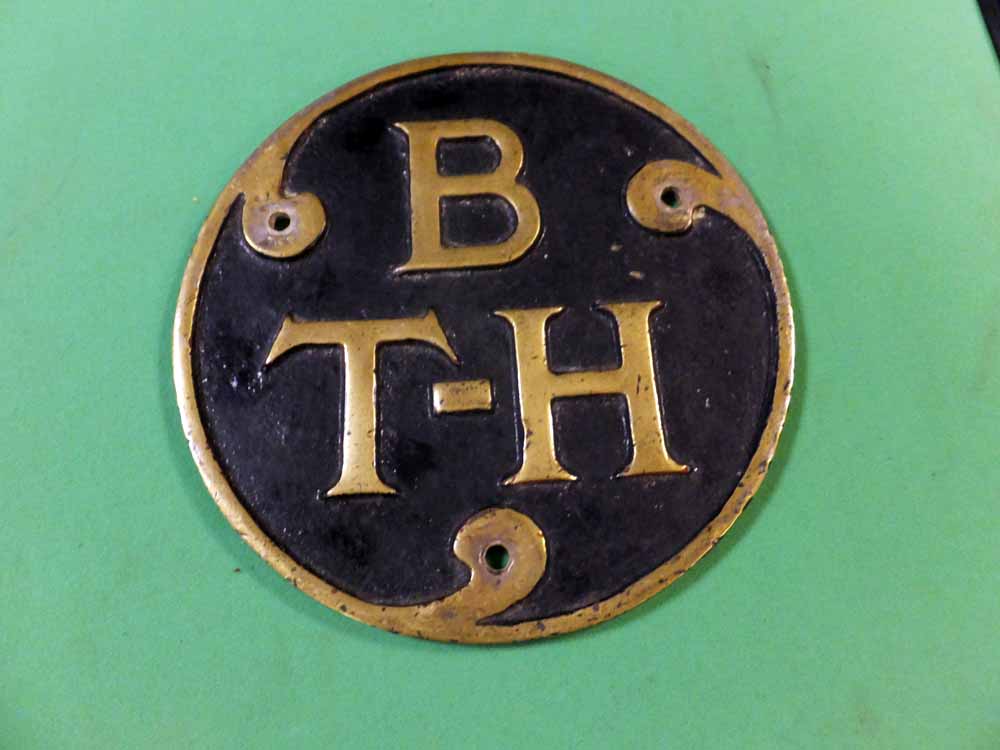
DSCF1425Next is a circular, brass, equipment plate, stamped B T-H.  As carried by Janus type Yorkshire Engine diesels.  8.5″ diameter.

DSCF1427Finally, a brass repair plate No.6 A C W EMD and stamped Nov 62.  Ex NCB Bestwood Workshops, Notts.  Oval 12″x 8″

There will be a request for help in the next post.