Chasewater Railway Museum
January 2019 Newsletter
Wishing everyone a Very Happy New Year
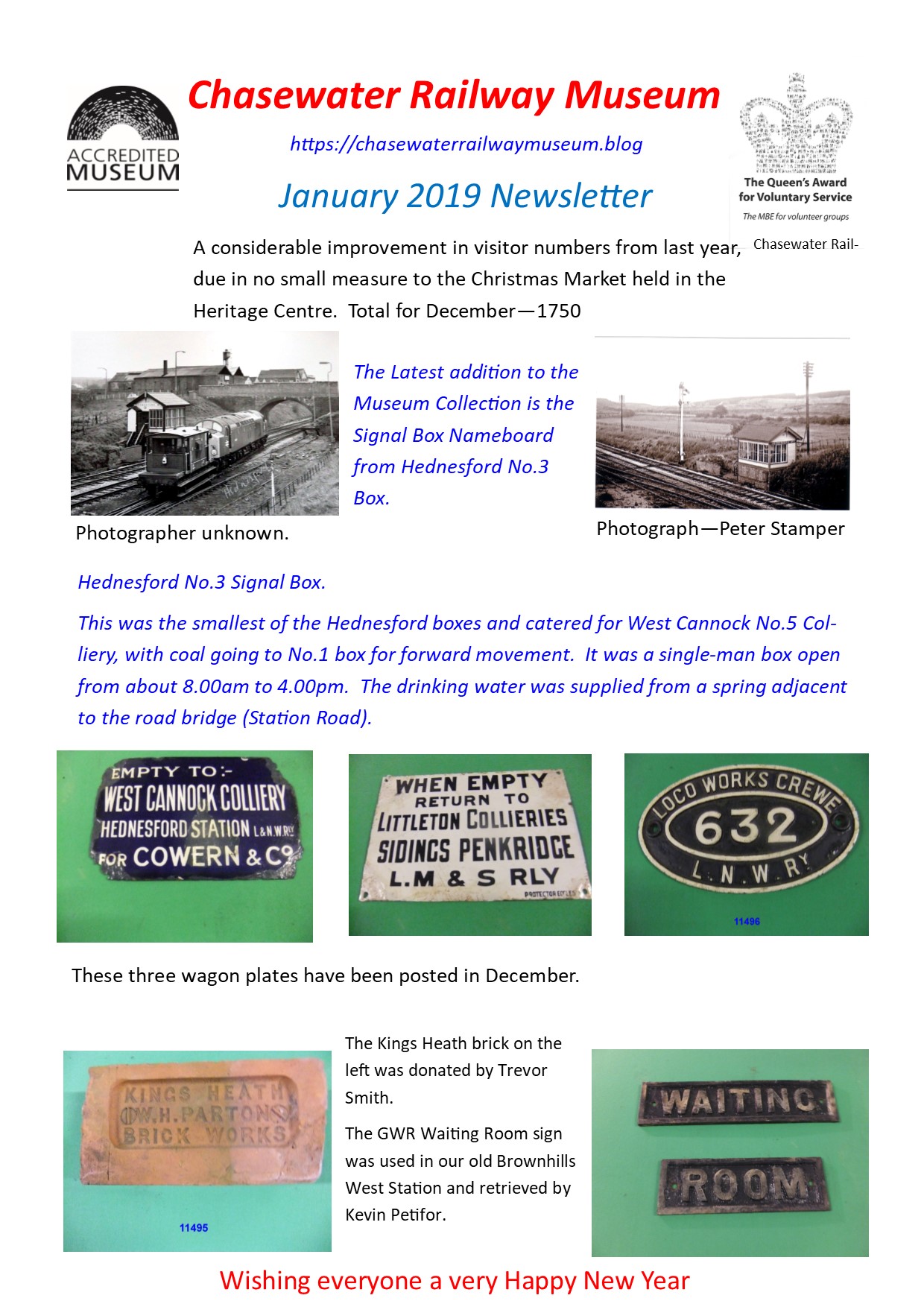

A signal lever collar from the Glasgow and South Western Railway, cast iron with a brass label, reading ‘Train Waiting’ (Sorry, not very clear in photo.)

The Glasgow & South Western Railway was a self-contained system in south-western Scotland with a total of around 325 miles of track. Its terminus was at Glasgow St. Enoch and from here in connection with the Midland railway expresses ran to London St Pancras via Carlisle, in competition with the West Coast Main Line. The G&SWR also served the important towns of Paisley, Ayr, Kilmarnock, and Dumfries. The locomotive works was at Kilmarnock but was allowed to become very run down and locomotive production ceased after the First World War. Boat trains connected with the company’s steamers at Greenock, Portpatrick and Stranraer. The G&SWR achieved surprisingly high speeds on its passenger expresses, and was remarkably innovative in its locomotive design.
The 1923 Grouping was a horrendous blow to the G&SWR, who found themselves in a subsidiary role to their arch-rival the Caledonian Railway. The MR and the G&SWR had tried to merge several times in the nineteenth century but had been told by the Government that this would be too much of a monopoly.(spellerweb.net)
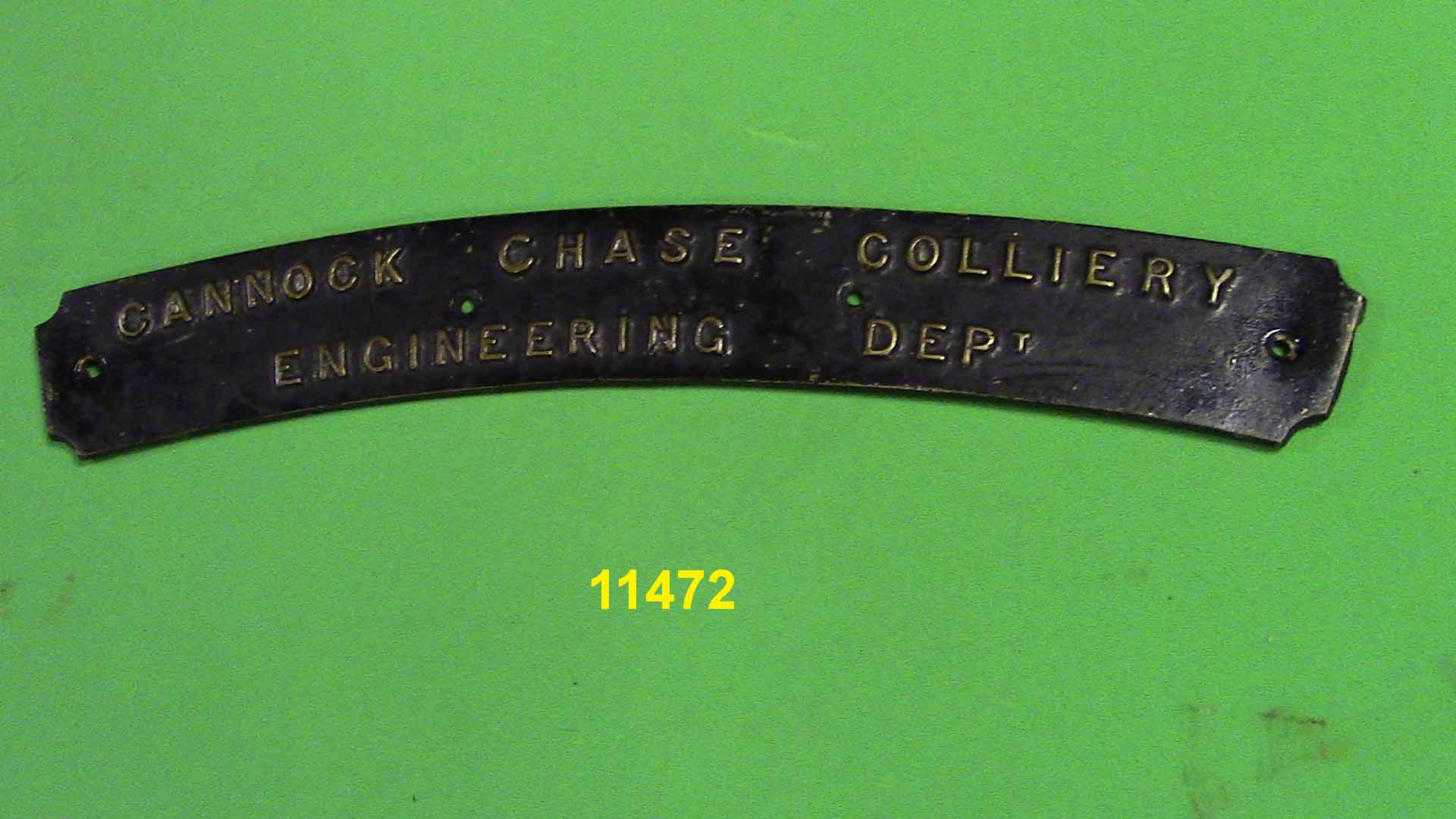
A hardware example of Railwayana from a company not well represented in the Museum.


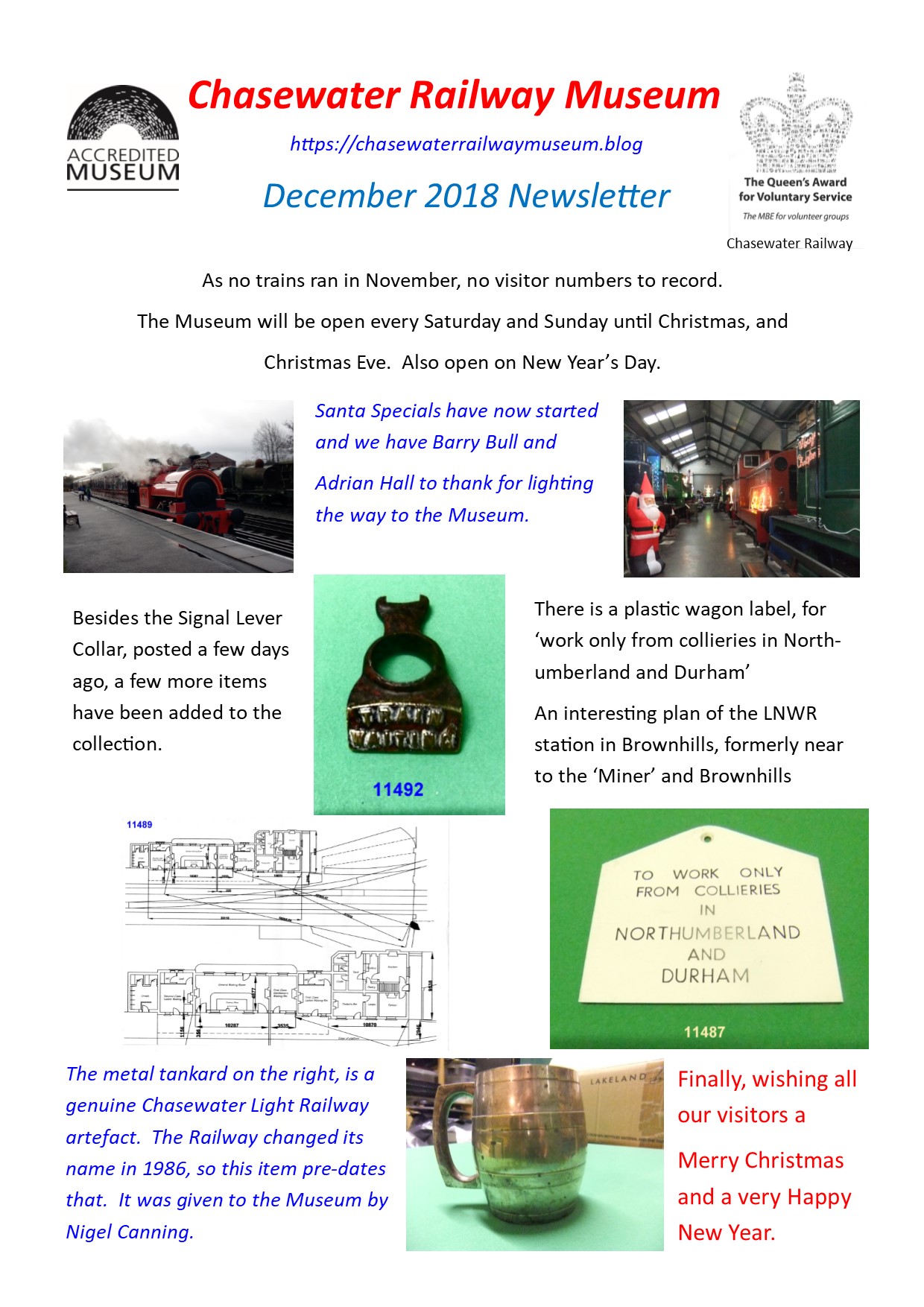
These three items are all that we have, apart from the signal collar.
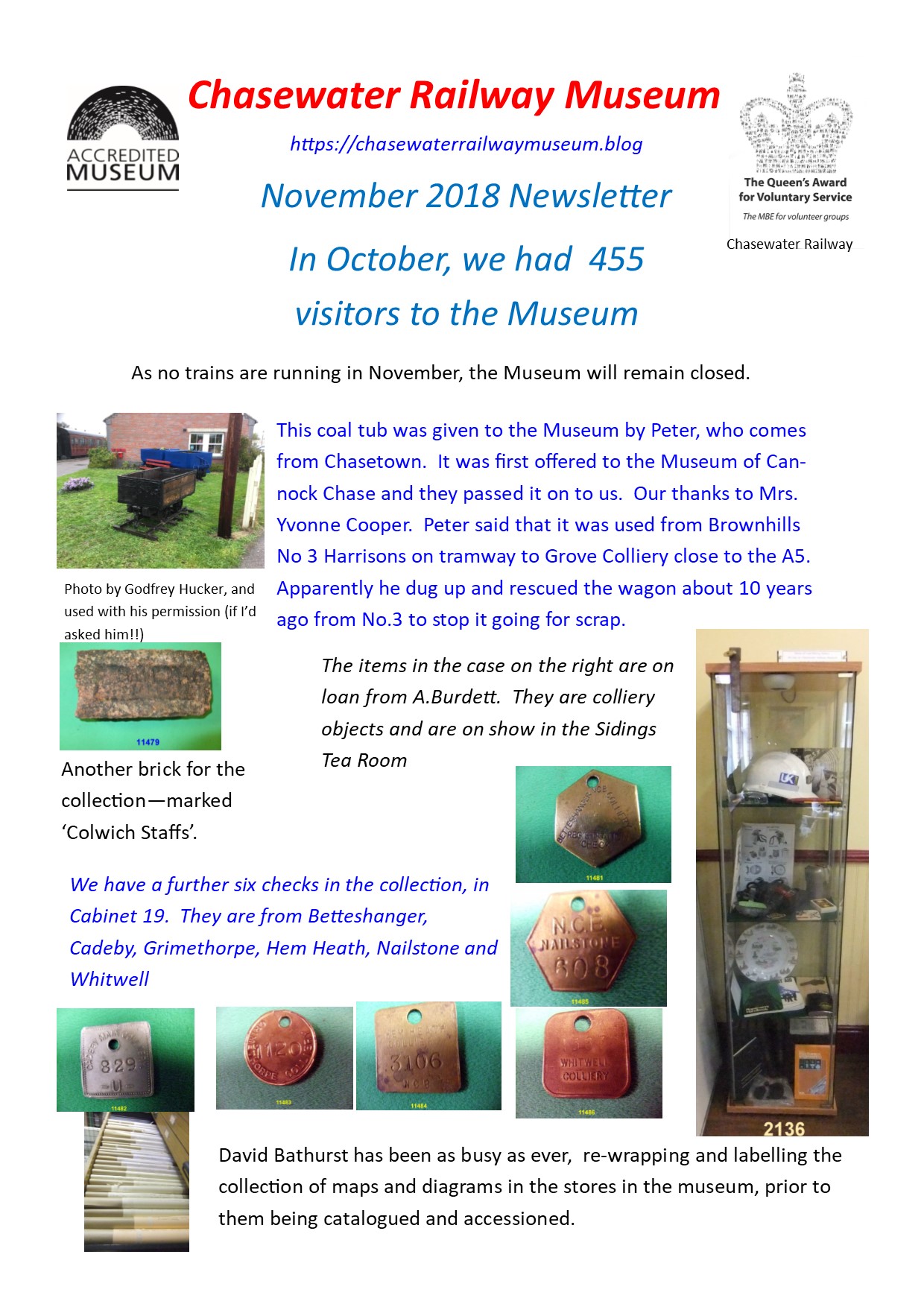
 This picture shows the old headquarters in Hednesford. The building which the carriages are partly inside is still standing, although it is bricked up now. The white buildings on the other side of the line to Rugeley was the wagon works – long gone.
Public Meeting, Saturday, March 5th 1960
Mr. G. T. Cox, WMD Chairman, opened the meeting at 3.00pm. He expressed his regret that there were not more people present, and said that possibly the unusually fine weather had diverted persons to outdoor pursuits.
Mr. Cox went on to say, “Many of us often look back to the bygone days. We younger ones can only remember the pre-nationalisation days, whilst older ones can remember quite clearly the pre-grouping companies and put down their memories in black and white.”
“The best way of showing any exhibition piece is in its natural surroundings, and this is what the RPS means by a ‘living’ museum. You will not get one by asking, but you will if you support the RPS to the best of your ability. There is little preserved in contrast to the vast scrapped during the last 50 years. It is within our reach to extend the range, if action is taken now.”
The General Secretary, D. Noel Draycott, briefly described the origins of the RPS and the district organisation which gives local groups the chance to build p local collections. The first programme for the WMD has been drawn up, covering the purchase of rolling stock and other large relics. The programme is divided into three stages, but it is not necessarily the order in which items will be purchased. The selection of relics depends on the speed with which our funds grow.
Mr. R. De Lacy-Spencer pointed out that many relics were kept by persons who did not realise their historic interest to railway enthusiasts. An example of this was the Midland Railway stationmaster’s hat which had been presented to the RPS by a lady living in Lincolnshire.
The WMD Secretary, D. A. Ives, gave an account of progress in the area. Membership was growing and a keen committee were considering more plans for the future. Members were contributing many smaller relics, and a good selection was on view. He had been corresponding with BR for some time about a possible depot site, but with no result to date.
Mr. F. J. Harvey read a branch line survey he had recently made. It was an account of the present condition of the MR branch from Aldridge to Brownhills and Chasewater. The civil engineering features appeared to be in good condition, but the permanent way was neglected towards the end of the branch and part had been lifted. At present only a section of it was used for a daily freight trip.
The meeting was wound up at 4.30pm and Mr. A. Holden from the audience proposed a vote of thanks to the speakers which was carried.
Stop Press! – Depot established in WMD
We are pleased to announce that negotiations for the establishment of a depot have reached a definite stage. The site is at Hednesford, about 11 miles from Wolverhampton, and contains 150 yards of siding, part of which is under cover. Fuller details were given to members at the visit to the Stafford/Uttoxeter branch on Sunday, March 27th. These details are not to hand at the time of writing this, and a description with information about working parties will appear in the next issue of the newsletter.
This will enable the WMD to launch an intensive campaign to purchase rolling-stock, etc., of the Cambrian, Great Western, London & North Western, Midland and North Staffordshire Railways. All persons interested in these railways are invited to send donations direct to the West Midlands Treasurer, RPS.

The Chasewater Railway Museum is proud to have two Books of Remembrance and two Rolls of Honour to commemorate some of the Railwaymen who lost their lives in the Service of their Country.
The Books of Remembrance are from the London & North Western Railway, and the Midland Railway.
The Rolls of Honour are from the Barry Railway and the North Staffordshire Railway.


Posted in Rolls Of Honour
Tagged Aldridge, Barry Railway Co, Bloxwich, Book of Remembrance, Brownhills, Burntwood, Cannock, Cannock Wood, Chasewater Railway Museum, Cheslyn Hay, Hazel Slade, Heath Hayes, Hednesford, Lichfield, London and North Western Railway, Midland Railway Objects, North Staffs Railway, Norton Canes, Pelsall, Roll of Honour, Walsall, Walsall Wood
( Later to become Chasewater Railway)
The General Secretary’s page discussed the setting up of a Carriage & Wagon Section, to include as much information, as detailed as possible, about vehicles which are still used as well as those no longer seen other than in photographs.
For Posterity
On looking forward to the continued expansion of the RPS over the next 50 years, I wish to express the view that it will be desirable to reproduce the trains of main and branch lines at different periods in the steam age.
Settle & Carlisle Railway
Assuming that it may be possible to acquire such secondary main lines as Settle – Carlisle, Exeter – Plymouth, Midland & South West Junction Railway, and Somerset & Dorset Joint Railway among others, in the event of them being closed by British Railways, which occurrence is not entirely without the bounds of possibility, the running of semi-fast and local services forming scenic excursions and conveying intermediate traffic would be possible.
In this connection the point to stress is the need to acquire a few of the older express types such as the ‘Sandringhams’, ‘King Arthurs’, ‘Patriots’ and ‘Schools’ which are threatened with extinction. Whatever weight restrictions exist on original branch lines to be acquired let us at least endeavour to save a few more typically British express engines before it is too late.
It is also obvious that the efforts of various small preservation societies dedicated to the saving of one particular branch line would be better used within the united effort of the RPS as not all such branches could hope to survive by themselves. The selection of branches in each area could then be carefully considered.
The point concerning all lines is that ‘period’ trains reproducing the locomotives, rolling stock and livery of, say, a Southern ‘Green Train’ or a 1930 ‘East Anglian Express’ could provide not only variety and colour in a standardised age, but would be in itself a strong appeal.
Of course this is assuming that the RPS becomes a railway company at some future date. But why not? Will someone design a suitable crest to super-impose on ‘period’ liveries?
Let us all contribute to making this a reality some day.
West Midlands District
Inaugural Meeting
About 20 people met at the Station Hotel, Stafford, on Saturday 21st November for the inaugural meeting. The General Secretary opened the meeting and sketched out the reasons leading to the formation of the RPS and future plans. He explained that this was the first District to be inaugurated and though the general outline had been planned out, the detailed application of this would be the concern of the WMD committee.
Mr. D. A. Ives, who has been acting as Secretary, gave a report on progress to date. He reported that membership was over 25 and that they had received a good response from individuals contacted. The first step was to secure a small depot in a convenient locality, where relics could be stored and members work on their restoration. The ideal site would contain a certain amount of covered accommodation as well as rail space for carriages and wagons. He believed the support was there in the West Midlands, it was only a question of publicity and personal contact.
The committee to serve for the current year was then elected.
Future plans were discussed and the decision taken to launch a publicity campaign leading up to a public meeting in the New Year. The site of the public meeting was fixed as being Birmingham, but emphasis was laid on arranging future meetings in different towns to give better contact with the public and members.
Three reporters attended the meeting, leading to reports in the ‘Stafford Newsletter’ and the ‘Staffordshire Weekly Sentinel’.
The public meeting was fixed for Saturday, March 5th in the Small Theatre at the Birmingham & Midland Institute, Paradise Street, Birmingham at 2.30pm. Everyone welcome.
A rather curtailed newsletter this month, however, our curator is slowly recovering from his injury and I am recovering from days-out (well, almost !!)
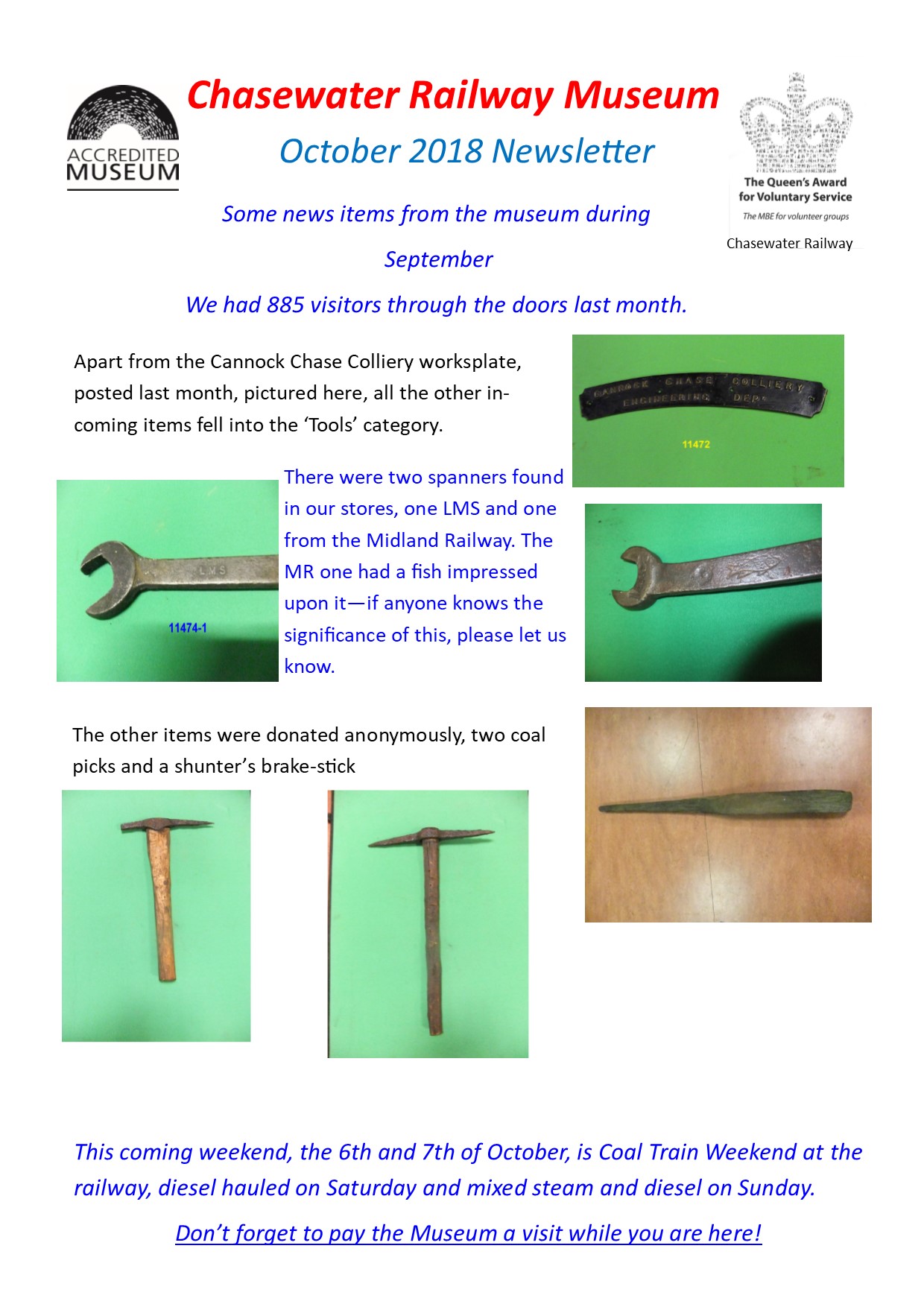
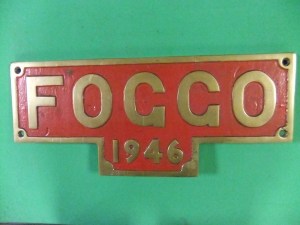
A worksplate from the locally built locomotive ‘Foggo’
Foggo, 1946, from a standard gauge 0-4-2ST built at the Chasetown workshops of the Cannock Chase Colliery Co.Ltd. in 1946, using parts supplied by Beyer Peacock, together with spare parts accumulated over the years from similar locomotives already at work at the colliery. The name derives from Mr. Foggo, the General Manager of the company at the time and the nameplate incorporates the year of build. It became National Coal Board property on 1st January, 1947. Transferred to Coppice Colliery in early 1954 and to Brereton Colliery later the year. Scrapped by W.H.Arnott Young in January 1961. Cast Brass, 21½”x 8¾”, the front repainted.
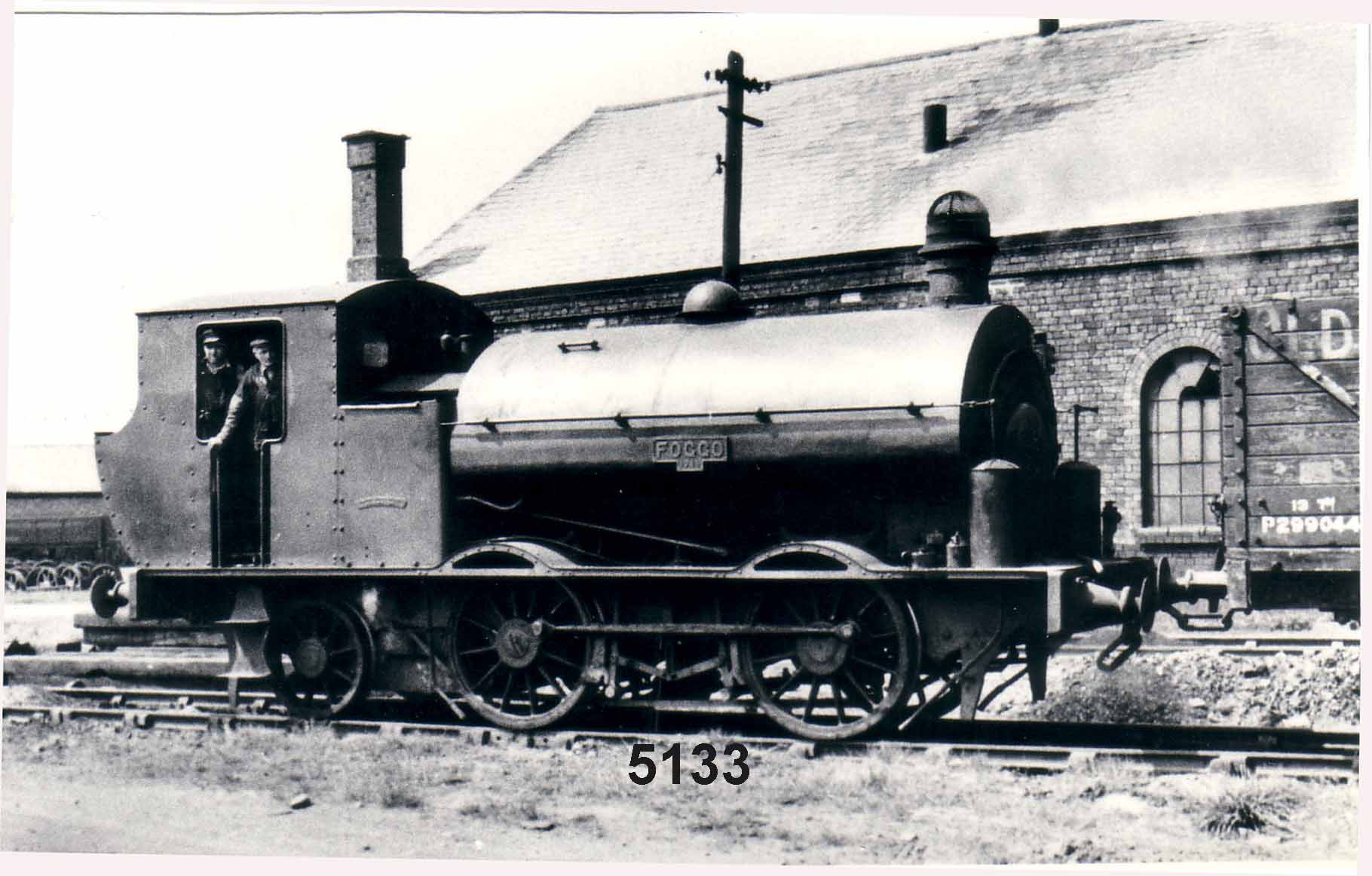
5133 Photograph Foggo 0-4-2ST Built Chasetown 1946 – taken 2-8-1942 from spares and parts supplied by Beyer Peacock Album 1
The worksplate can be seen on the side of the engine.

Posted in Newsletters
Tagged Brownhills, Burntwood, Chasewater Railway Museum, Old Railway Lines, Staffordshire, Steam Trains
 Chasewater Railway Museum