Chasewater Railway Museum
September Newsletter
Save
Save
Save



The later years of the 19th century saw increasing standardization on the railways, not least in the armbands worn by three types of railway worker – pilotmen, flagmen and lookout men. The one worn by pilotmen was issued by the signal department and was made of red cloth with white stitched letters, and was secured by leather or elastic straps.
The armbands for flagmen and lookout men were made of enamelled steel plate, cut into an oval and shaped to fit the arm. A pair of slots was cut into the plate, through which a pair of leather straps, with buckles, was attached. Issued by the permanent way department, these enamel armbands were finished in white with red lettering.
A pilotman was a signal department employee whose job was to ride on the locomotive acting as a kind of human staff or token if the signalling on a single line failed, or if there was an accident or obstruction which closed one of the lines of a double track. No train could proceed without him in such an emergency, so that the possibility of a head-on collision was avoided.
The lookout man was quite simply that. His job was to keep a sharp lookout when a permanent way gang was working on the track, and to give a warning for it to stand clear as soon as he saw an approaching train.
The flagman was another permanent way ganger, who used green, yellow or red flags to communicate with signalmen or other permanent way staff who were out of audible range. All three posts were – and still are – crucial to the safety of both passengers and railway employees, and armbands were issued to emphasize this fact and to avoid misunderstandings. A modern variety, coloured pale blue with white letters, was used on British Rail.

 London, Midland & Scottish Railway Armband.
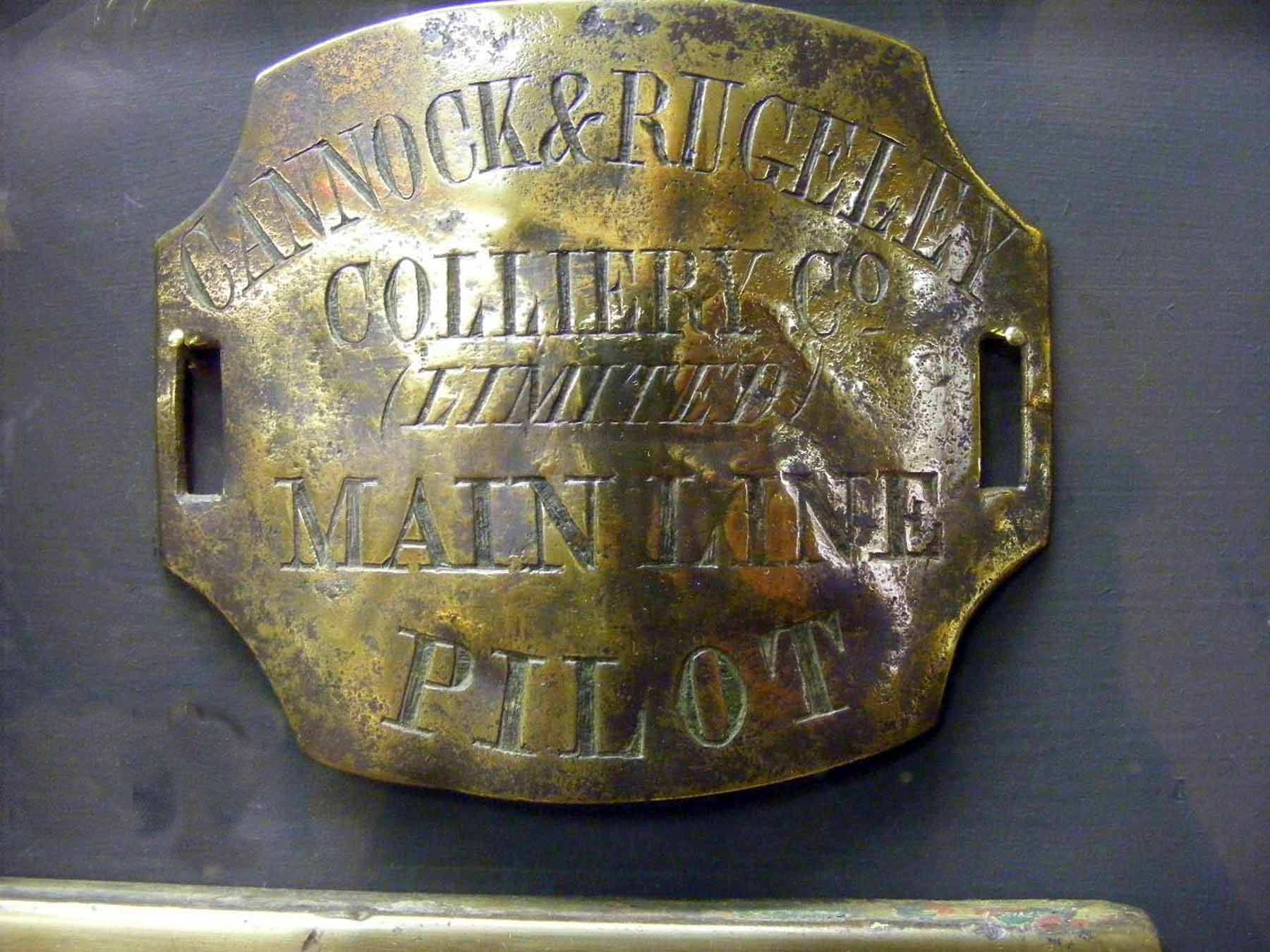
This armband is still my favourite. A brass Cannock & Rugeley Colliery Main Line Pilot Armband, dug up in a field by a farmer while ploughing some years ago – considerably battered and bent over double!
Posted in Museum Exhibits
Tagged Aldridge, Armband, Bloxwich, Brownhills, Burntwood, Cannock, Cannock & Rugeley Colliery, Cannock Wood, Chasewater Railway Museum, Cheslyn Hay, CRC, Great Wyrley, Hazel Slade, Heath Hayes, Hednesford, Lichfield, Mining Heritage, Norton Canes, Old Railway Lines, Pelsall, Walsall, Walsall Wood

Posted in Museum Exhibits, News
Tagged Aldridge, Bloxwich, Brownhills, Burntwood, Cannock, Cannock Wood, Chasewater Railway, Chasewater Railway Museum, Chasewater Railway Museum August Newsletter, Great Wyrley, Hazel Slade, Heath Hayes, Hednesford, Lichfield, Mining Heritage, Norton Canes, Steam Trains, Walsall, Walsall Wood
(Click to enlarge)





In 1880 the Midland Railway gained permission to build their long-awaited foothold into the Cannock Chase coalfield. The Walsall Wood Extension Railway would enable them to link their line from Aldridge with the Cannock Chase & Wolverhampton Railway near Chasewater.
The line opened in 1882 to bring coal out of the pits, but two years later, was also opened to passenger traffic as far as the Brownhills Midland Railway Station, between the Chester Road and the A5. The passenger service was not a great success and was closed in 1930.
The Midland Railway continued as a mineral only line until September 1960 when, following the demise of the coalfield, it was closed.
The Brownhills West Station and the first half-mile or so of the track of the Chasewater Railway is on the former Midland Railway line.
Posted in Museum Exhibits
Tagged Aldridge, Bloxwich, Brownhills, Burntwood, Cannock, Cannock & Rugeley Colliery, Cannock Wood, Chasewater Railway, Chasewater Railway Museum, Cheslyn Hay, Conduit Colliery, Great Wyrley, Hazel Slade, Heath Hayes, Hednesford, Lichfield, Mining Heritage, National Coal Board (NCB), Norton Canes, Pelsall, Walsall, Walsall Wood, Walsall Wood Colliery
A few more additions to the Museum’s collection. The visitor number was also helped by the Narrow Gauge running on the Sunday of the Coal Train Weekend, the figure went from around 200+ to well over 400.

Posted in Museum Exhibits
Tagged Aldridge, Bloxwich, Brownhills, Burntwood, Cannock, Cannock Wood, Chasewater Railway Museum, Chasewater Railway Museum Newsletter, Cheslyn Hay, Great Wyrley, Hazel Slade, Heath Hayes, Hednesford, July 2016 Newsletter, Lichfield, Mining Heritage, National Coal Board (NCB), Norton Canes, Pelsall, Staffordshire, Walsall, Walsall Wood, Wolverhampton

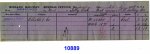
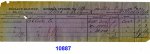
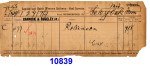
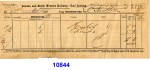
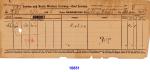
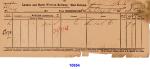
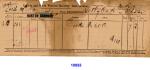
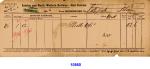
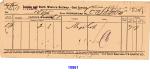
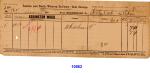
The Museum Curator, Barry Bull, has got together a number of London & North Western Railway Coal Invoices, all wagons starting their journey from Hednesford. These invoices are all dated from the late nineteenth century, and a variety of local pits sent their coal via Hednesford, a major distribution centre in those days, and for many more years, well into the 1950s.










Posted in Museum Exhibits
Tagged Aldridge, Bloxwich, Brownhills, Burntwood, Cannock, Cannock Wood, Chasewater Railway Museum, Cheslyn Hay, Great Wyrley, Hazel Slade, Heath Hayes, Hednesford, Lichfield, LNWR Coal Invoices, Mining Heritage, Museum Collection, Norton Canes, Pelsall, Steam Trains, Walsall, Walsall Wood
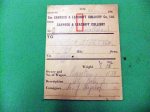
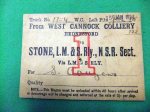
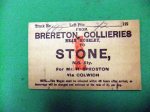
This first label is, in our opinion, the star of this collection. It dates from 1876 and covers a wagon of coal from Cannock Chase Colliery to Lyons Hall in Herefordshire. Addressed to Mr. Saxty, the Station Master at the time and with the old spelling of double ‘g’ in waggon. My thanks to Chris H.E.Smith of the Lyonshall.net website. (Well worth a visit)

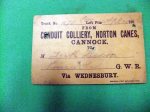
The other Cannock Chase Colliery label is the later style from the early 1900s. There are others from Brereton Collieries, Cannock & Leacroft Colliery, Coppice Colliery, Conduit Colliery, Littleton Colliery and West Cannock Colliery.



Posted in Museum Exhibits
Tagged Aldridge, Bloxwich, Brownhills, Burntwood, Cannock, Cannock Wood, Chasewater Railway Museum, Cheslyn Hay, Great Wyrley, Hazel Slade, Heath Hayes, Hednesford, Lichfield, Lyons Hall, Mining Heritage, Norton Canes, Pelsall, Wagon Labels, Walsall, Walsall Wood, Wolverhampton

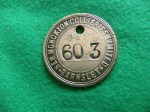
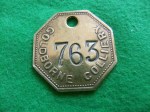
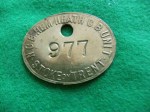
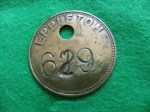
The Earl of Dudley’s Railway check has been moved in the museum, and six more checks have been added to the display.



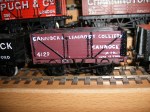
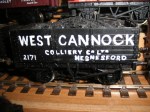
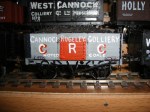
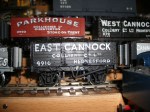
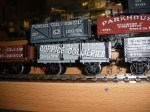
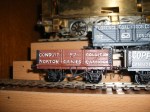
These wagons are kit-built 00 gauge models, hand-painted in Cannock Chase District locality liveries. Propriety models are available in some local liveries.



Posted in Museum Exhibits
Tagged 00 gauge, Aldridge, Bloxwich, Brownhills, Burntwood, Cannock, Cannock Chase district wagon liveries, Cannock Wood, Chasewater Railway Museum, Cheslyn Hay, Great Wyrley, Hazel Slade, Heath Hayes, Hednesford, Lichfield, Mining Heritage, Model Railways, Model Wagons, Norton Canes, Pelsall, Walsall, Walsall Wood, Wolverhampton
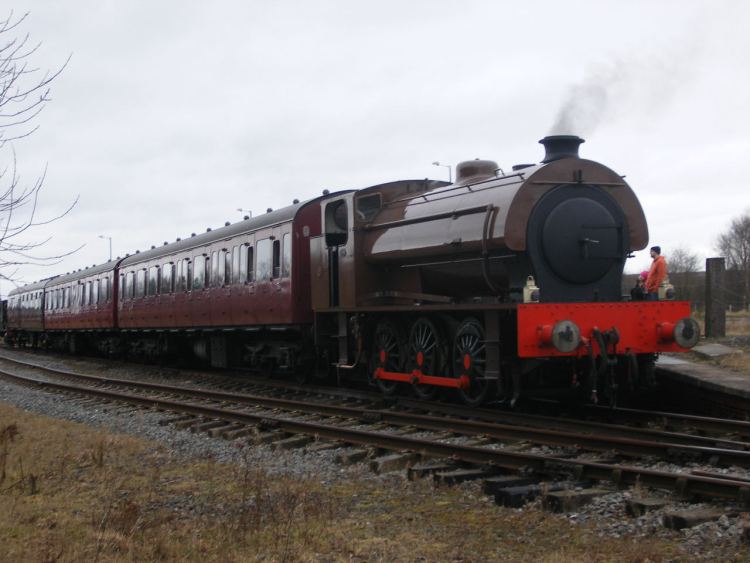 Wemyss No.15 at Chasetown (Church Street)
Hunslet Austerity, a powerful 0-6-0 saddle tank built to a wartime austerity design that latterly saw service as No. 15 on the industrial Wemyss Private Railway in Fife, Scotland
No. 15 is a Hunslet-designed Austerity 0-6-0ST, one of 13 subcontracted to Andrew Barclay. One of only three of the Andrew Barclay-built examples to survive.
This loco came to Chasewater for the February Gala 2008.
The Wemyss Private Railway was a network of lines, sometimes known as the Wemyss Estate Railway. The lines were a group of mineral and other railways in Fife, Scotland, mainly on the land of the Wemyss family. They were built to connect coal pits to harbours and the railway network, for the use of tenants of the Estate. The Wemyss and Buckhaven Railway was built at the expense of the Wemyss Estate and carried passengers; it was later sold to the North British Railway.
When numerous collieries needed a railway connection the Wemyss Estate built a connecting line to Methil Harbour and improved the harbour itself. The local network became known as The Wemyss Private Railway and the Estate’s interest was transferred to the Wemyss Coal Company. These terms have been used interchangeably by authors.
The collieries were nationalised in 1947 and the sidings connections at the pits followed; the main line railways of Great Britain were nationalised in 1948, but the central section, now known as the Wemyss Private Railway remained in private hands. However the mineral activity in East Fife declined and in 1970 the Wemyss Private Railway closed down.
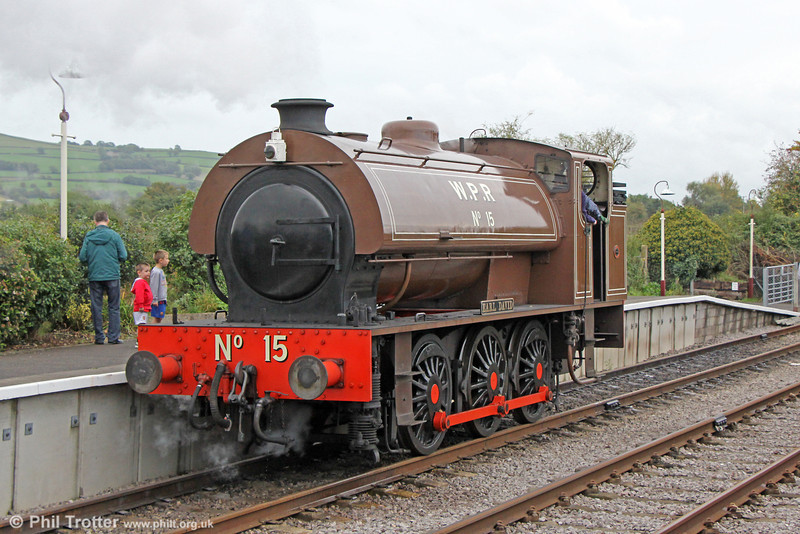 When the loco visited Chasewater Railway, sadly she wasn’t lined out, but in this photo by Phil Trotter, she can be seen in all her glory!
Posted in Locomotives, Photograph Collection
Tagged 2183/1943, Aldridge, Bloxwich, Brownhills, Burntwood, Cannock, Cannock Wood, Chasewater Railway, Chasewater Railway Museum, Cheslyn Hay, Great Wyrley, Hazel Slade, Heath Hayes, Hednesford, Hunslet Austerity, Lichfield, Mining Heritage, Norton Canes, Old Railway Lines, Pelsall, Steam Locomotives, Steam Trains, The Wemyss Private Railway, Walsall, Walsall Wood, Wemyss No.15, Wolverhampton
 Chasewater Railway Museum