Tag Archives: Chasewater Railway Museum

Chasewater Railway Museum – A photo of a Tackeroo Military Railway loco & Brocton Camp Power Station, plus the loco’s history.

Chasewater Railway Museum

A photo of a Tackeroo Military Railway loco & Brocton Camp Power Station, plus the loco’s history.

Brocton Camp Railway Traffic Office Dave Bevington

The photo was sent to me by Dave Bevington, with the following information:
‘I have come across a Great War photo at Brocton of the power station and Brocton railway traffic office (a small shed). In the foreground is a small loco Grassholme which is mentioned on your blog
I got it from NZ so it must have been a photo card owned by a Kiwi based there.’

Grassholme

Grassholme
Manning Wardle Class L 0-6-0ST 1513-1901

New 6-9-1901 to the firm of contractors, Walter Scott & Middleton.
The contractors had work around 1901-2 for the Derwent Valley Water Board on a line Banford to Ashopton, Derbyshire, also for the Midland Railway on widening the New Mills to Chinley section, also in Derbyshire. Another job was at Pallion, in the Sunderland area.
It seems probable that the loco took its name from Grassholme in County Durham.
The contractors known to have worked on the Cannock Chase Military Railway and Brocton Camp were the firm of Baldry, Yerburgh and Hutchinson, but there is no 1513 in the list, although their loco No.4 is listed as No.1531 !
Grassholme was at Brocton during the period 1915 – 1919.
For more information about the railway, go to:

http://www.rmweb.co.uk

Tackeroo – The Military Railway

Model

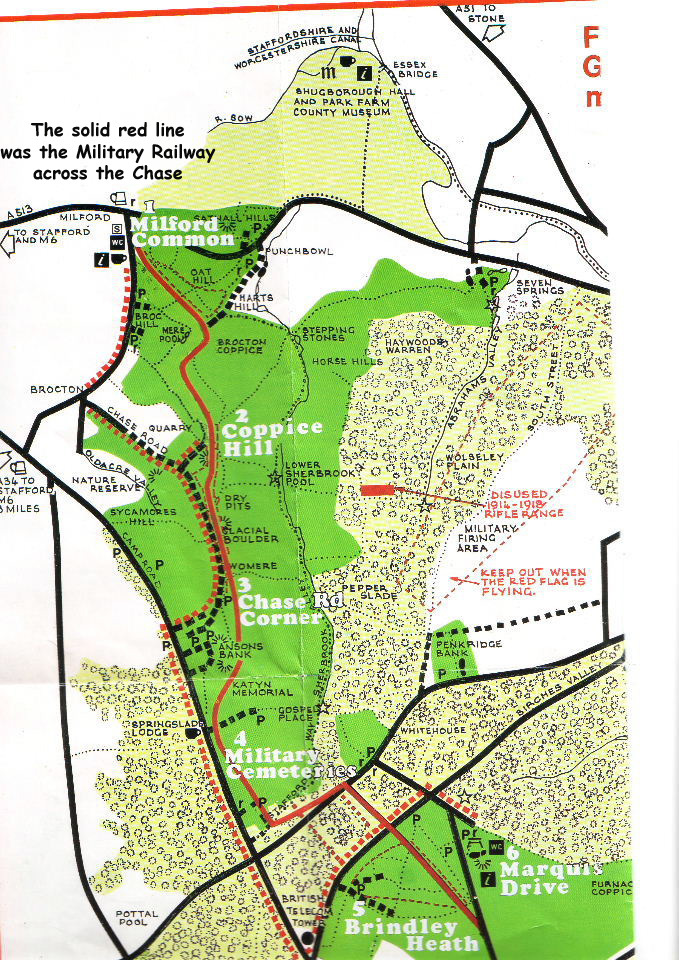
cannock-chase-great-war-trail Map

More about the loco

The original owners sold the loco to Thomas Summerson & Sons Ltd., Albert Hill Foundry, Darlington and it was seen at Crewe Works in June 1919 as war surplus before sale to Vivian & Sons, and then to one of Vivian’s Collieries – Mynyyd Newydd, Swansea.
The Colliery was sold in 1926 and the loco remained with the new owners. The Industrial Railway Society West Glamorgan book gives the loco as ‘disposal unknown’ after March 1932. The pit closed in November 1932. It re-opened in 1935, finally closing in 1955.
Thanks to Barry Bull, Pete Stamper and the IRS for the information and to Dave Bevington for the photograph.

Cannock Chase (Tackeroo) Railway in brief

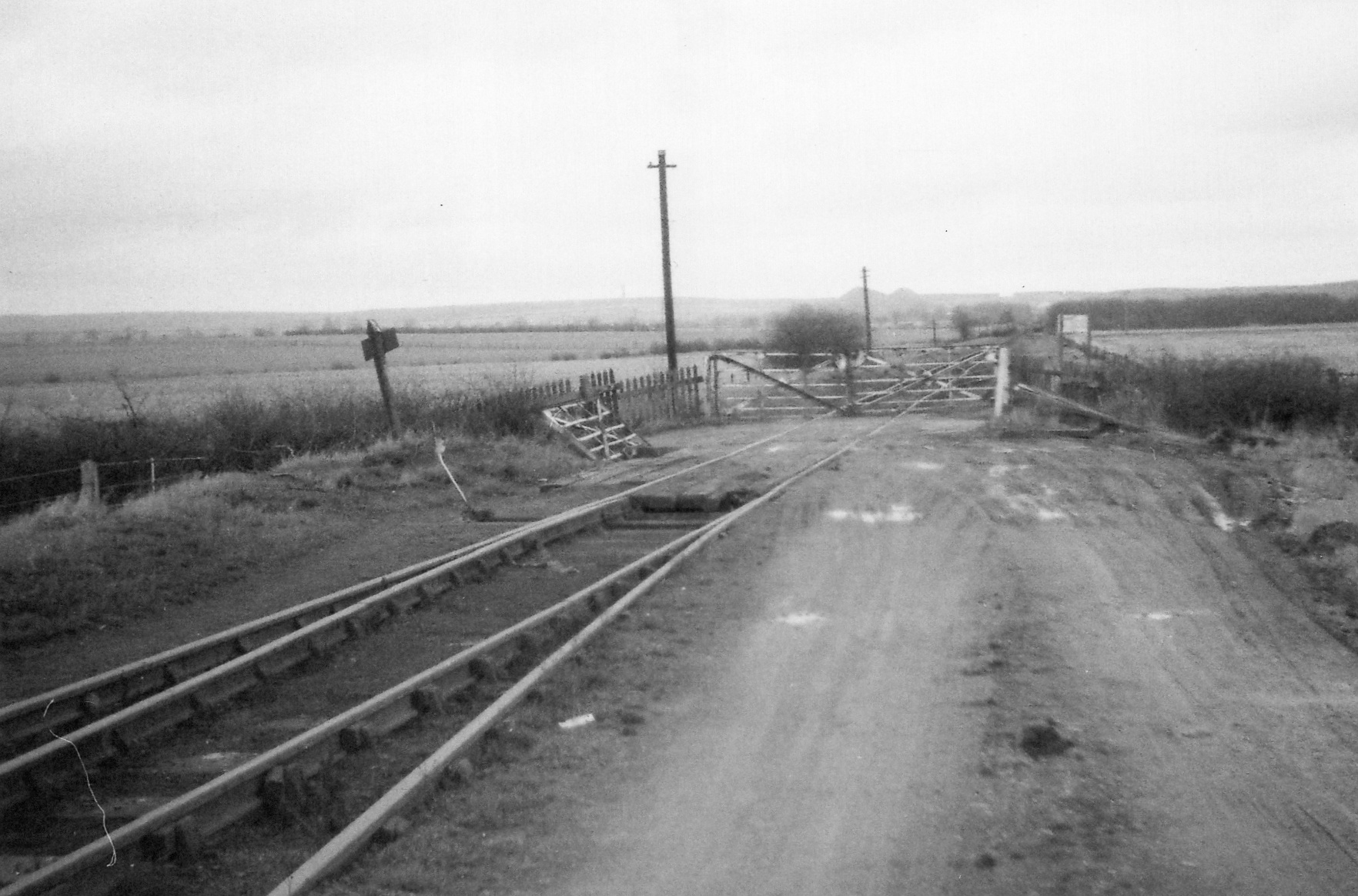
This railway was constructed during 1915 to serve the Brocton and Rugeley Military camps located on Cannock Chase.  One line was constructed during the spring of 1915 from the LNWR Cannock to Rugeley line near West Cannock No.5 Colliery across the Chase to the Rugeley Camp.  Between January and April a second railway was made from the LNWR Trent Valley line at Milford to the Brocton Camp, and by mid 1915 the lines had been joined.  In addition to army and prisoner of war camps this railway system served Central Stores Depots at Brocton Camp.  The locomotive shed was also located at Brocton Camp. After the war the camps and railway were dismantled and locomotives disposed of.
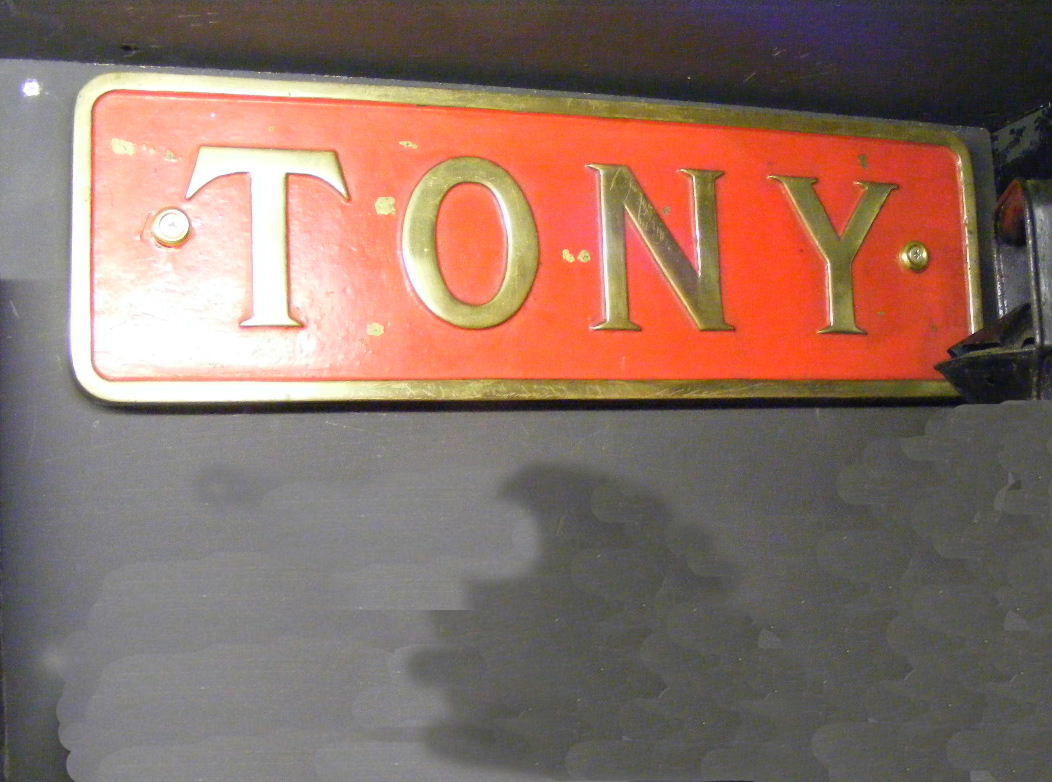
Chasewater Railway Museum – A locomotive nameplate

Chasewater Railway Museum –

A locomotive nameplate

26

‘Tony’
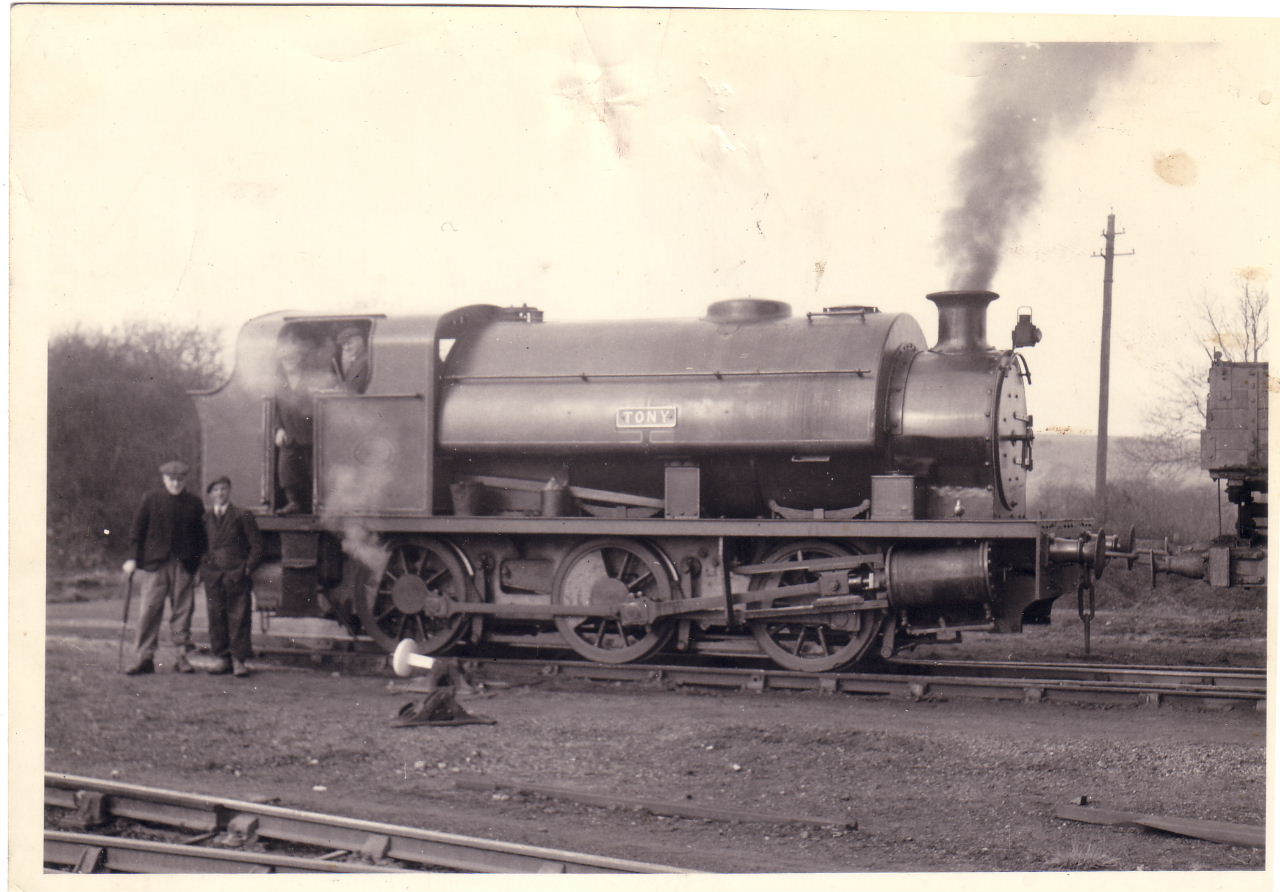
Hawthorne Leslie, 3460-1921

Built in Newcastle-upon-Tyne

Works No. 3460, ex works 31-3-1921.
Delivered new to U.A.Ritson & Sons, Preston Colliery, South Shields, Northumberland.
Standard gauge (4’ 8½”) 0-6-0 saddle tank with 2 outside cylinders, 16” diameter x 24” stroke. 3’ 8” wheels.
Sold 1927, via dealers Geo. Cohen, to T.A.Hawkins & Sons, Old Coppice Colliery, where it was named ‘Tony’
Sometime circa 1955-58 transferred by NCB to Chasetown and left there for Walsall Wood Colliery in February, 1959.
Scrapped May 1965.

05420 Tony 0-6-0ST HL 3460-1921 Hawkins-CCC-W.Wood 1959

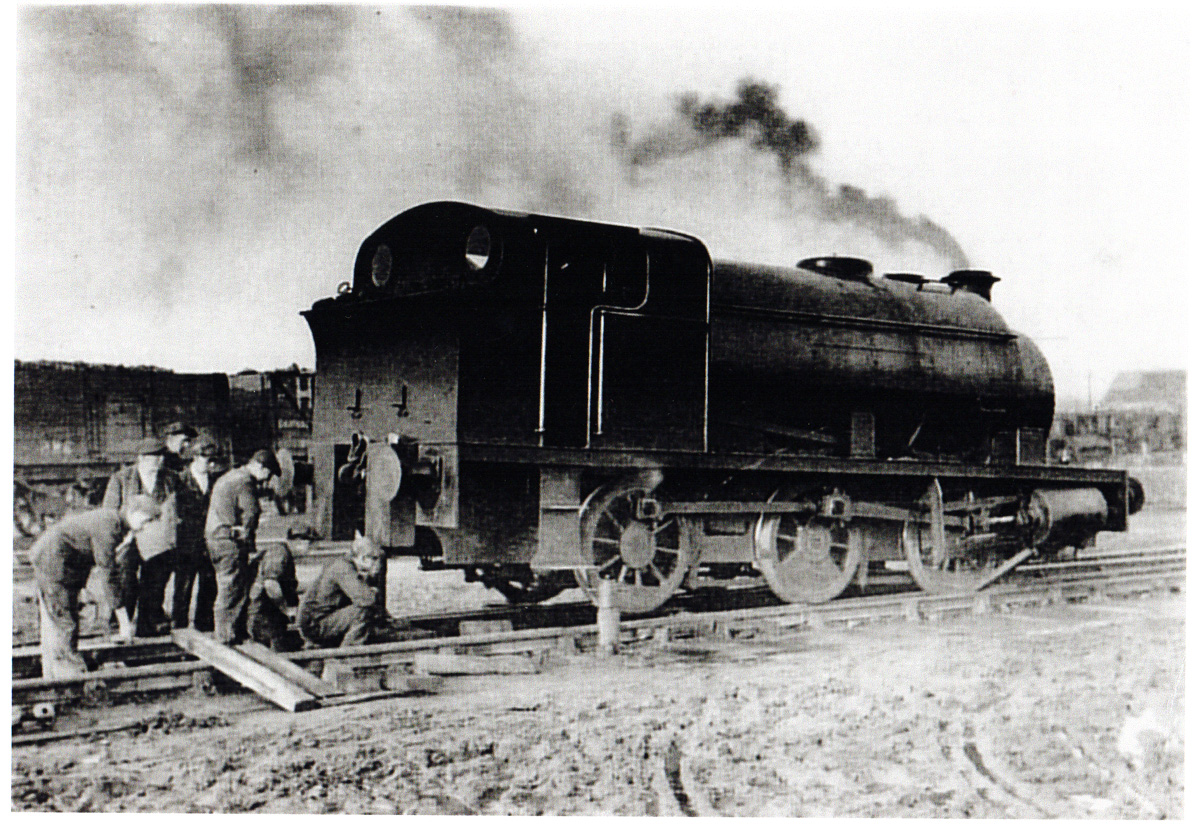
The locomotive at Hawkins Colliery.

Tony - De-railed at Hawkins in 1940s

Whoops!  ‘Tony’ – de-railed at Hawkins in the 1940s.

Chasewater Railway Museum -A more unusual notice.

Chasewater Railway Museum

A more unusual notice.

577

This Inner Harbour notice from Holyhead, North Wales, is another long-time resident in the museum.  Its more unusual subject has made it a favourite with museum staff.

Inner harbour & Marshalling yardHolyhead Inner Harbour

The railway marshalling yard and inner harbour
Irish Ferries’ “Jonathan Swift” lies at her berth in the background. On Tuesday, 1st August, 2006, the “Jonathan Swift” made the news when she crashed into a whale off the coast of North Wales.

Creative Commons Licence [Some Rights Reserved] © Copyright Eric Jones and licensed for reuse under this Creative Commons Licence.

Chasewater Railway Museum – A couple of ‘No Admission’ Notices

Chasewater Railway Museum 

A couple of ‘No Admission’ Notices

Anglesea Sidings

These ‘No Admission’ notices were fixed to the signal box adjacent to the door.  I can’t see one on this box, but it is a nice picture of the Anglesea Sidings signal box, sited near Newtown Bridge, Brownhills, Staffordshire.

I believe that ‘Anglesea’ can also be spelt ‘Anglesey’, my usual spelling.

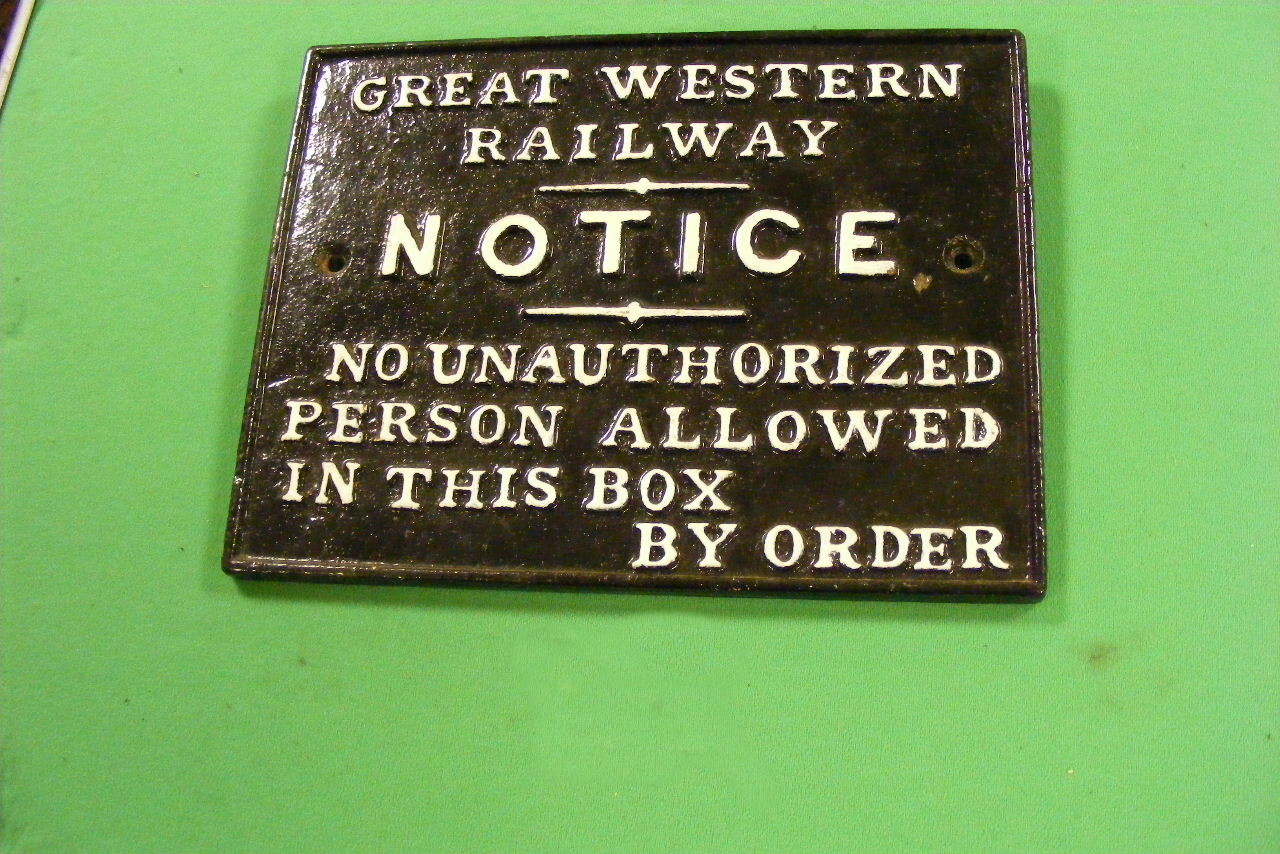
GWR SB Notice

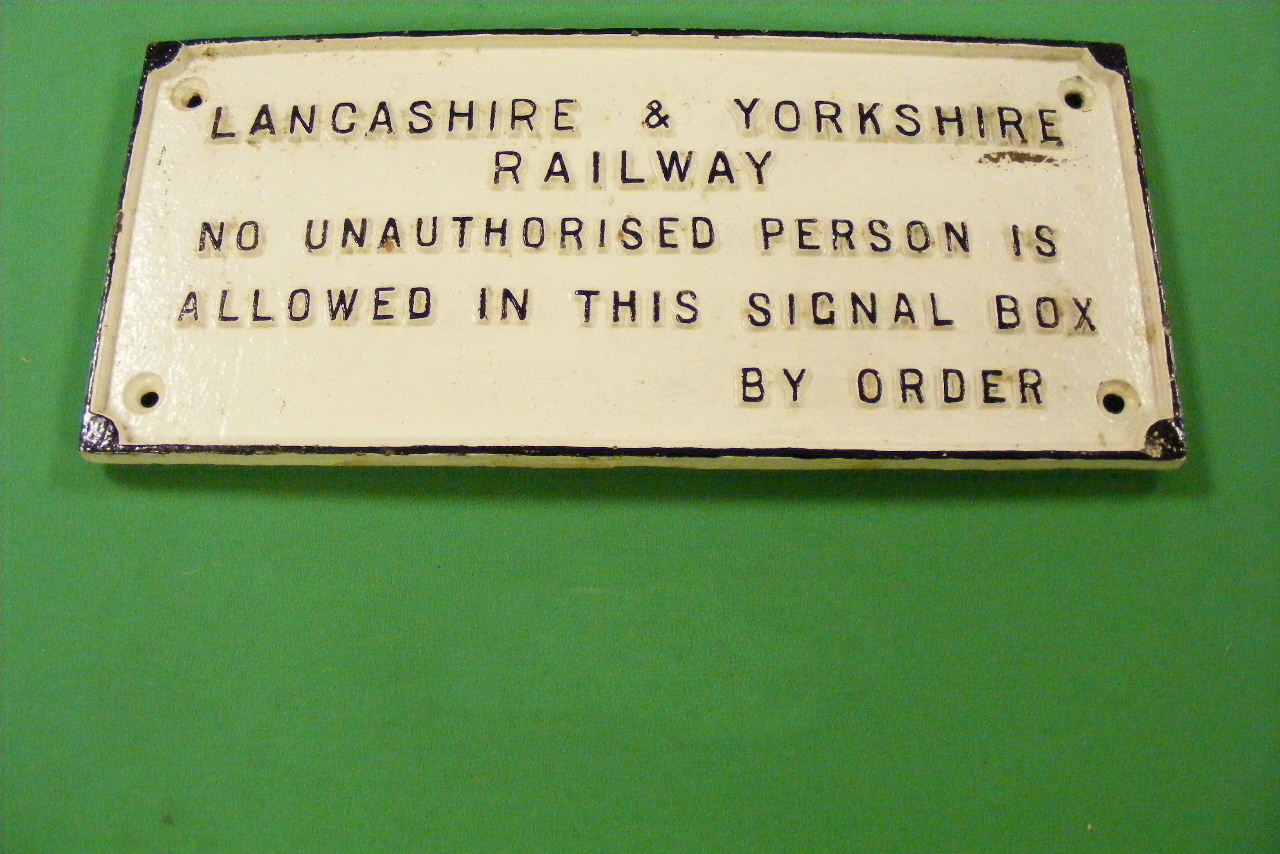
These notices have been in the museum for some years so we are not sure whence they came!

The first one is from the Great Western Railway.

L&Y Sign

The second one, obviously from the Lancashire & Yorkshire Railway.

Chasewater Railway Museum – You’ve had the model locos, now for some wagons! In local liveries!

Chasewater Railway Museum 

You’ve had the model locos, now for some wagons!  In local liveries!

883 CCCC

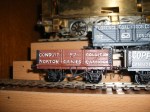
These wagons are kit-built 00 gauge models, hand-painted in Cannock Chase District locality liveries.  Propriety models are available in some local liveries.


Chasewater Railway Museum – Another Visiting Loco – J94 No.68009

Chasewater Railway Museum

Another Visiting Loco – J94 No.68009

Including video

68009

68009

Information – Great Central Railway

Although locomotives of this type are generally known by their LNER classification, J94, the design originated with the Hunslet Engine Company of Leeds in 1937. The J94 locomotives gained their claim to fame when, in 1942, they were chosen as the basis for a standard shunting locomotive for war service.
68009 was built in 1953 as Hunslet works No. 3825 for the National Coal Board and sent to the Kent coalfield. Although the locomotive ran for many years on the Great Central Railway in early British Railways livery, it was never a BR locomotive and therefore the number it carries belongs to a locomotive long since scrapped. However, it was discovered that the boiler was first fitted to the real 68009 and so it was felt appropriate to finish the loco in this livery. 68009 operated at the Snowdown Colliery near Deal in Kent.


68009.3


Chasewater Railway Museum – Another visiting loco pics & video clip – Wemyss No.15

Chasewater Railway Museum

Another visiting loco pics & video clip

2008 – Wemyss No.15

Wemyss No.15 at CWHWemyss No.15 at Chasetown (Church Street)


Wemyss No.15

2183/1943

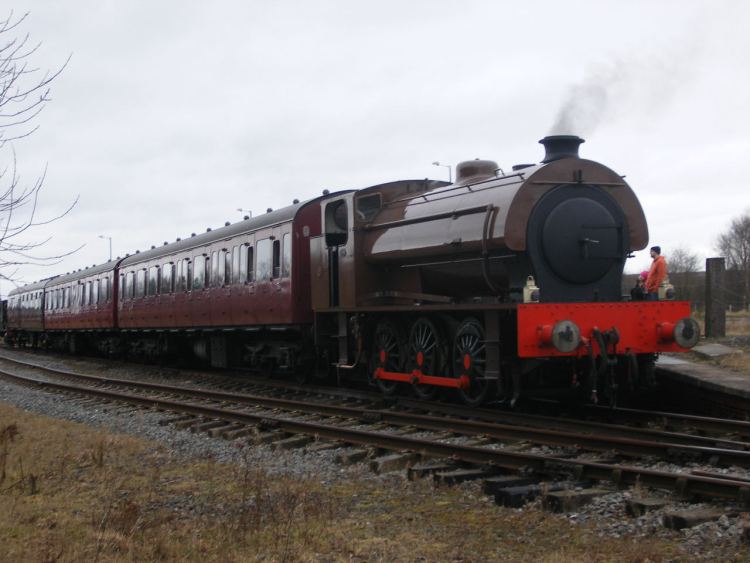
Hunslet Austerity, a powerful 0-6-0 saddle tank built to a wartime austerity design that latterly saw service as No. 15 on the industrial Wemyss Private Railway in Fife, Scotland

No. 15 is a Hunslet-designed Austerity 0-6-0ST, one of 13 subcontracted to Andrew Barclay. One of only three of the Andrew Barclay-built examples to survive.

This loco came to Chasewater for the February Gala 2008.
The Wemyss Private Railway was a network of lines, sometimes known as the Wemyss Estate Railway. The lines were a group of mineral and other railways in Fife, Scotland, mainly on the land of the Wemyss family. They were built to connect coal pits to harbours and the railway network, for the use of tenants of the Estate. The Wemyss and Buckhaven Railway was built at the expense of the Wemyss Estate and carried passengers; it was later sold to the North British Railway.

When numerous collieries needed a railway connection the Wemyss Estate built a connecting line to Methil Harbour and improved the harbour itself. The local network became known as The Wemyss Private Railway and the Estate’s interest was transferred to the Wemyss Coal Company. These terms have been used interchangeably by authors.

The collieries were nationalised in 1947 and the sidings connections at the pits followed; the main line railways of Great Britain were nationalised in 1948, but the central section, now known as the Wemyss Private Railway remained in private hands. However the mineral activity in East Fife declined and in 1970 the Wemyss Private Railway closed down.

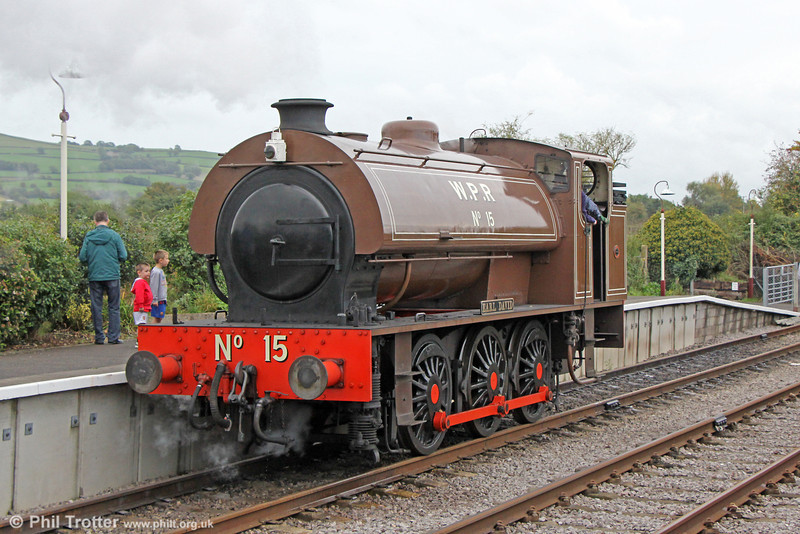
Wemyss No.15 Lined Phil TrotterWhen the loco visited Chasewater Railway, sadly she wasn’t lined out, but in this photo by Phil Trotter, she can be seen in all her glory!

Chasewater Railway Museum – Photos of a visiting loco, 2004 – Beattie Well Tank 30587

Chasewater Railway Museum

Photos of a visiting loco,2004

Beattie Well Tank 30587

Photo - M.Denholm

Photo – M.Denholm

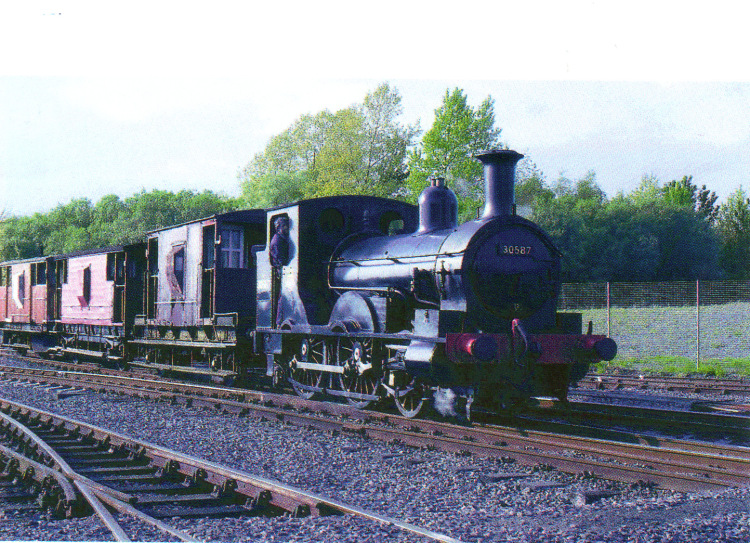
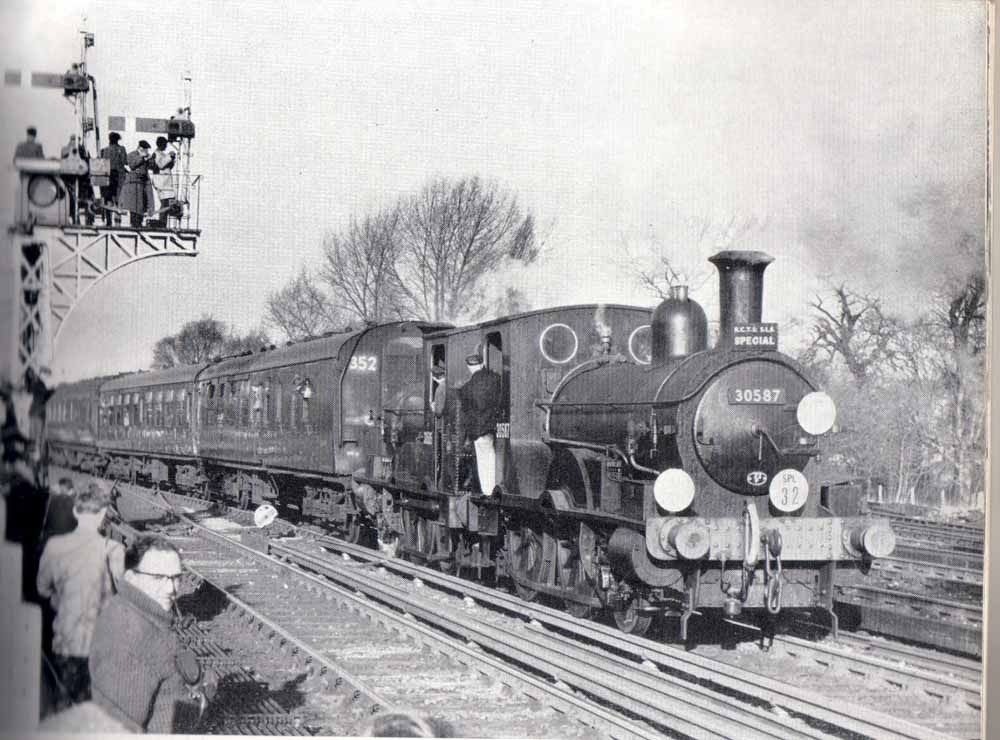
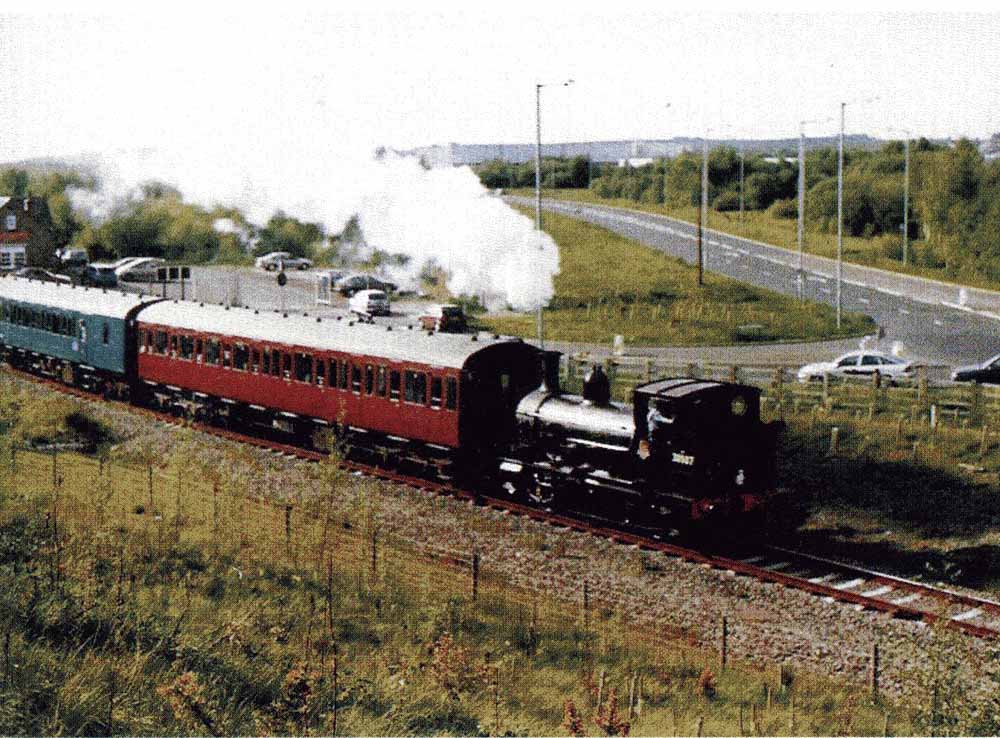
Looking through some more old photos, I came across some taken of locomotives visiting Chasewater Railway, so I thought that I would post a few over the next few weeks, starting with the Beattie Well Tank 30587.

Chasewater Railway was proud to feature this locomotive at our Spring Gala, 2004.

Built between 1872 1nd 1876, this loco was one of a class of 85 produced to a design by James Hamilton Beattie, the mechanical engineer of the London and South Western Railway from 1st July 1850, who was succeeded in the same position from 23rd November 1871 by his son William George Beattie.

Based on the three locomotives of the ‘Nile’ class built in 1859, but with many improvements, they were designed in consultation with Charles Beyer, of Beyer Peacock Co. and manufactured at their works at Gorton, Manchester – becoming known as Standard Well Tank engines.

The National Railway Museum selected 30587 for preservation after being finally withdrawn from service in December 1962, after 88 years of service. The engine was ultimately transferred, on loan, to the Dart Valley Railway at Buckfastleigh numbered 3298 on 22nd April 1978 and remained there as a static exhibit until 2nd December 2001 when it was taken to the Flour Mill Workshops in the Forest of Dean for restoration to full working order, before returning’home’ to Bodmin numbered 30587 on 12th November 2002.

30585-30587Two of the then three remaining Beattie 2-4-0 Well-tank engines, used on the Wenford Bridge line until 1962, on an RCTS railtour shunting at Hampton Court station in December 1962. The engines were 30585 and 30587 – G.D.King.

30587 CWH At the causeway Bridge, Lakeside Chasewater Beattie Well Tank pic-back-cover pic-beattie-well-tank-1

Chasewater Railway Museum – Ha’penny Billy’s Bridge Token

Chasewater Railway Museum

Ha’penny Billy’s Bridge Token

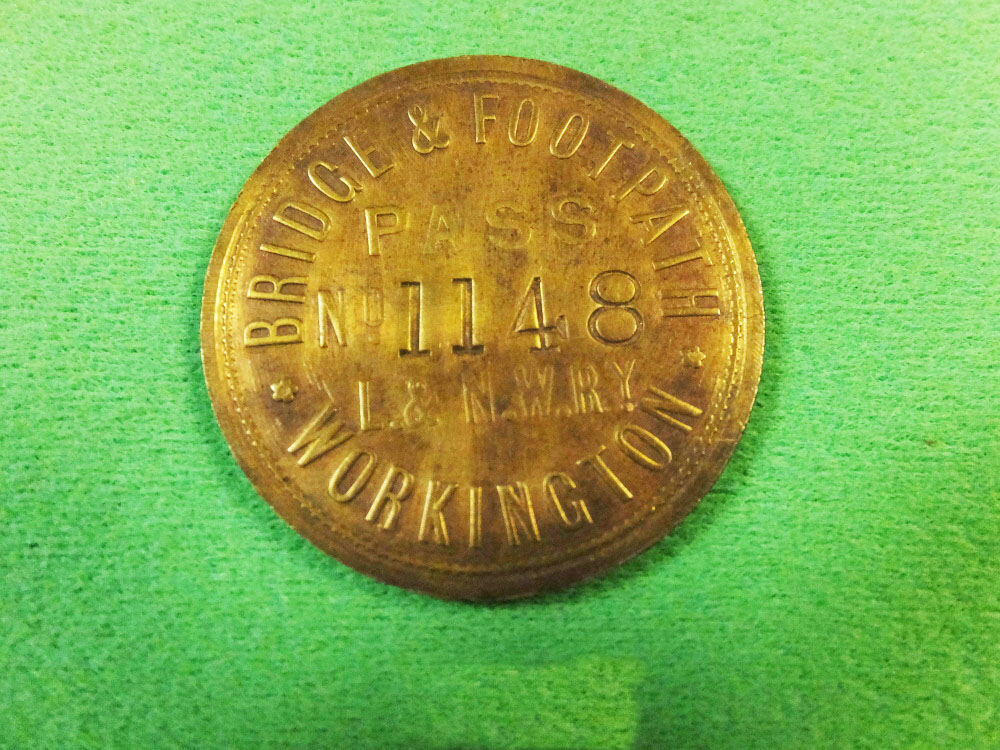
Another fairly recent acquisition – a different kind of token!


10798 No Number

The bridge and footpath were known locally as Ha’penny Billy’s bridge as a halfpenny was charged for any member of the public using the footpath.

The bridge was over the River Derwent and the footpath ran beside the Merchants’ Quay, over the bridge and alongside the railway to ‘Oldside’, comprising of a few cottages built near the old works originally belonging to the Steel Works.

The tolls were collected by a disabled man but did not amount to much so the footpath was closed. This would appear to have been done in March 1928. The tokens were apparently issued to Company servants.

From BR Magazine (LM Region) 12/56

Ha’penny Billy’s bridge 3Tuesday evening’s 6M22 Hunterston – Sellafield flask train rumbles across the newly repainted Ha’penny Billy’s bridge over the River Derwent behind a rather scruffy pair of Class 20s, Nos.20302 & 20304.
Richie B

Chasewater Railway Museum – Littleton Colliery warning notice

Chasewater Railway Museum 

Littleton Colliery warning notice

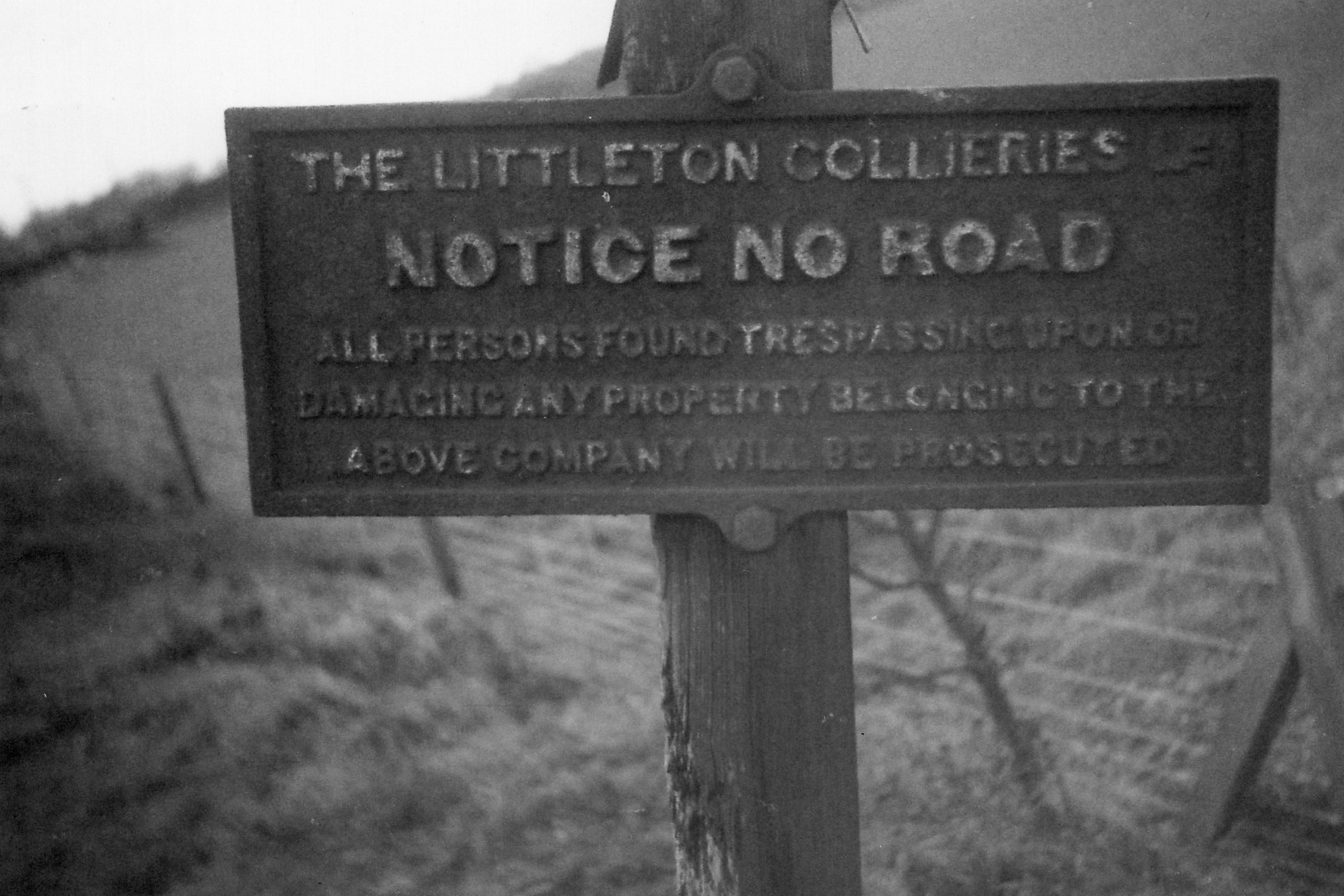
An opportunity presented itself recently to acquire by way of private purchase half a dozen items of local colliery railway interest. Not since the 1960s and early 1970s, when in that period a good relationship existed between the Railway Preservation Society and local National Coal Board management and which resulted in several donations of interest has the chance to obtain in bulk such star items for the museum collection. Finally a possibly unique cast iron sign headed The Littleton Collieries Ltd.  The last of the six items, the 3 nameplates and 2 worksplates have been posted recently.

1902

In the Museum

Littleton Sign 2

The notice before the paint-brush got close!

Littleton Sign 1

The notice in situ – left of centre.  We think located near to the Penkridge end of the Littleton Colliery to Penkridge line.