Tag Archives: Chasewater Railway

Chasewater Railway Museum – The running season starts this weekend, March 5th & 6th

Chasewater Railway Museum

The running season starts this weekend, March 5th & 6th

If you are going to visit Chasewater Railway for the Gala this weekend, don’t forget to pop into the museum and pay us a visit.  We are to be found in the Heritage Centre.

Chasewater Railway Gala March 5th & 6th

Chasewater Railway Museum – A Visiting Peckett, 2006

Chasewater Railway Museum 

A Visiting Peckett, 2006

No

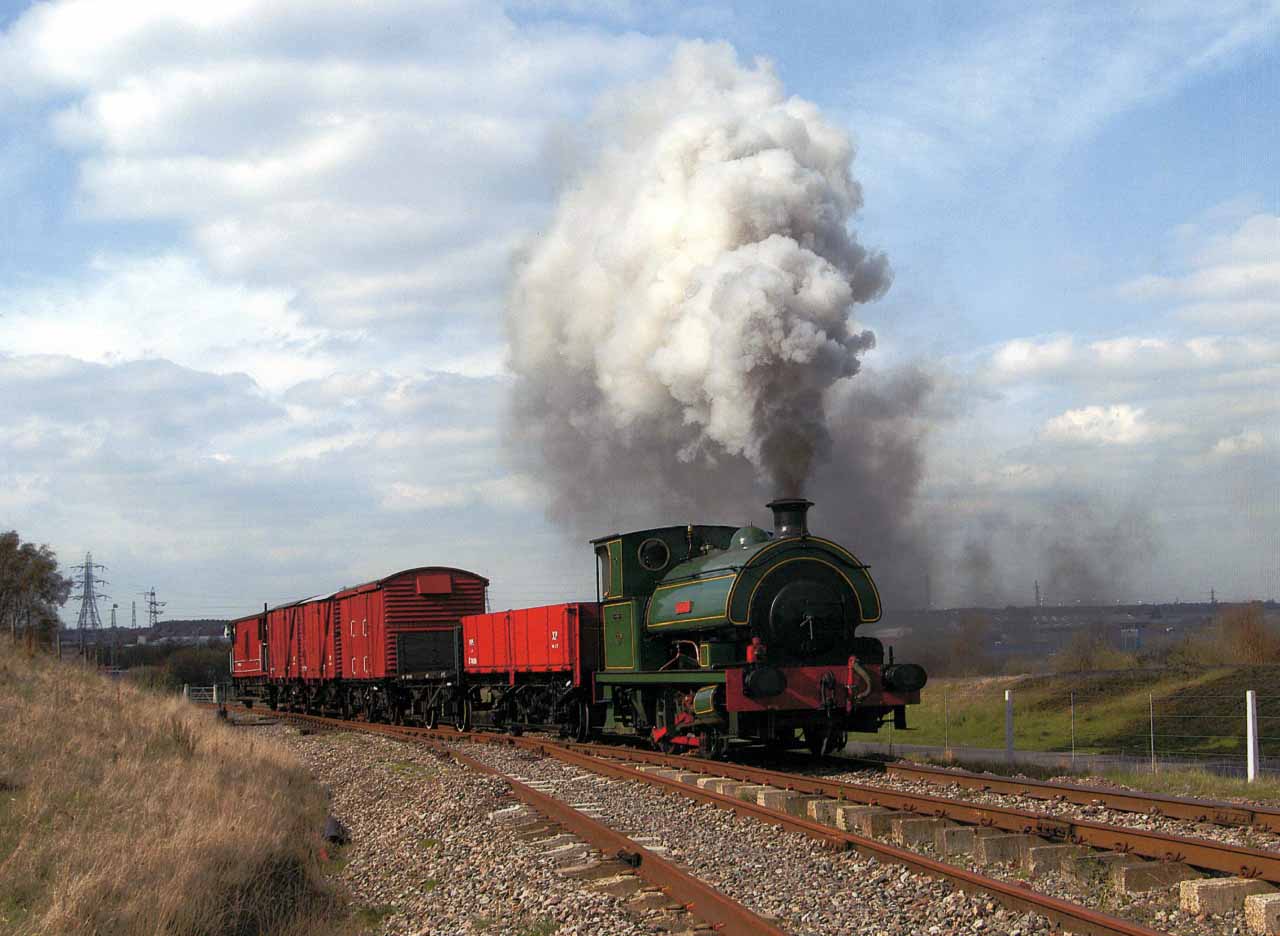
Peckett 0-4-0ST 1738/1928

Supplied new to Birmingham Electricity Authority, Hams Hall Power Station, near Coleshill.

By 1968 the loco was disposed of by sale to a Severn Valley Railway member and the loco went to Bridgnorth on the embryonic Severn Valley Railway.

The locomotive saw very little use and was eventually sold privately, this time going to the South Devon Railway.

Later again resold, this time going to Titley Junction, Herefordshire. The loco masquerades as the Thomas the Tank Engine character ‘Percy’ and has visited several preserved railways at Thomas events.

Martin Evans Pic

Chasewater Railway Museum – Amongst the miscellaneous trivia!

Chasewater Railway Museum

Amongst the miscellaneous trivia!

1878

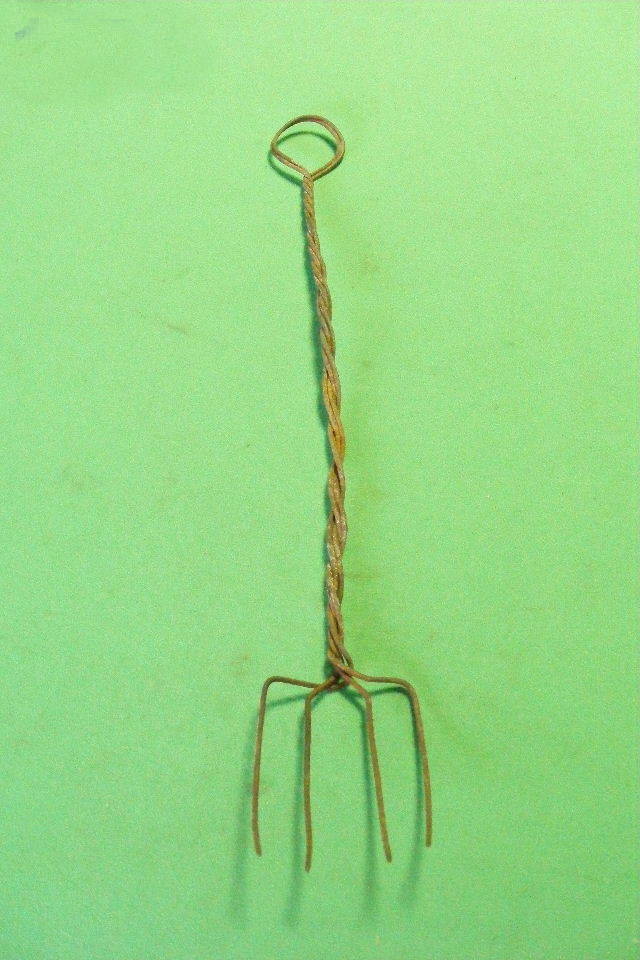
I know that this toasting fork should have been disposed of but it has been with the railway for so long that I didn’t have the heart to sling it.  It was used by someone on the railway or perhaps a P-Way gang working in the wilds of Chasewater Heaths as it was when they started working there!  So there it is – a genuine Chasewater Relic, crafted (?) by  one of the volunteers on the railway, it doesn’t take up much room and is tucked away in the stores and there I hope it will stay.

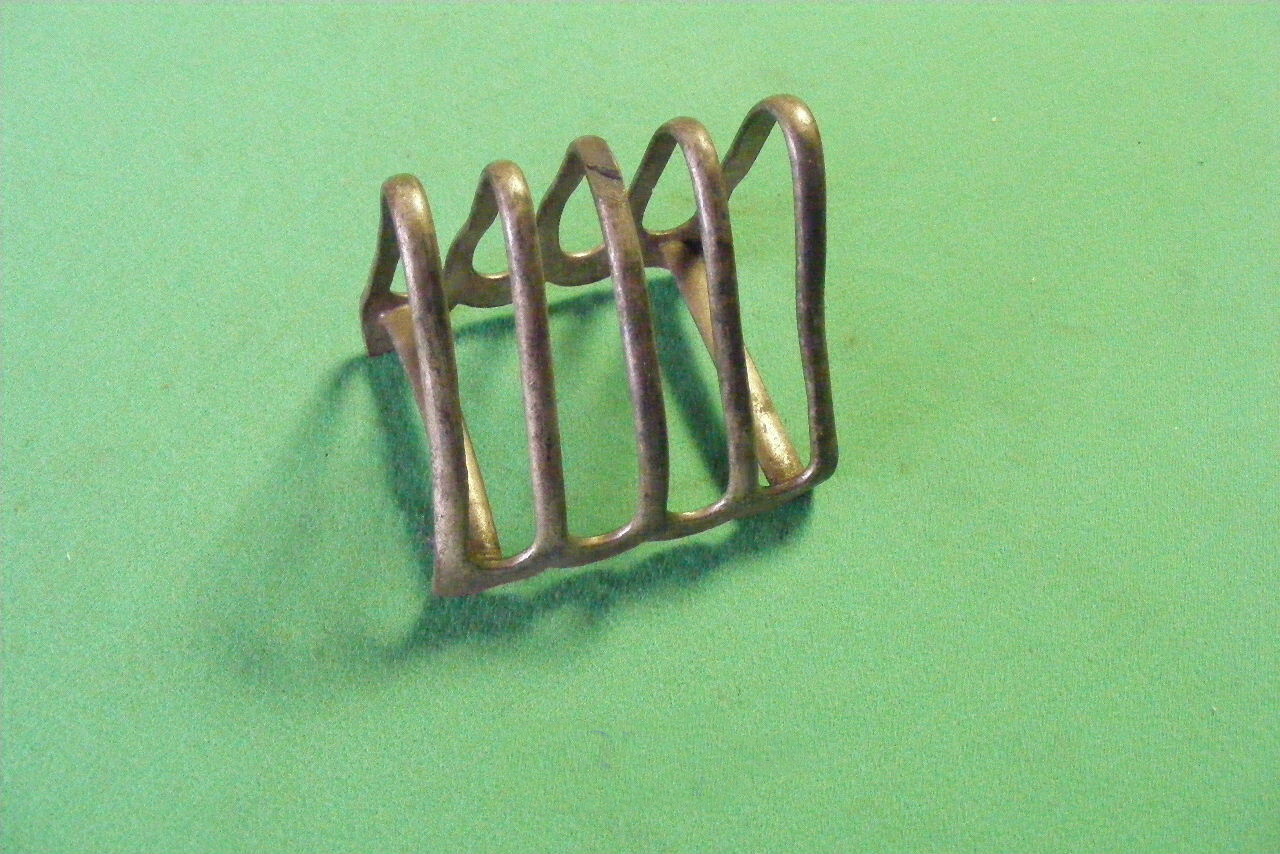
Of course, when the toast was made, it needed a rack to put it in, and we do have two of them – but somehow the fork and the racks don’t seem to go together.

1871

Unmarked

1870

Marked ‘St. Enoch’s Station Hotel’, which was in Glasgow, now demolished.

Chasewater Railway Museum – 3 photos of Hawthorn Leslie loco ‘Asbestos’ (Not forgetting ‘Sentinel’)

Chasewater Railway Museum

3 photos of Hawthorn Leslie loco ‘Asbestos’ (Not forgetting ‘Sentinel’)

A few photographs sent to us by Robin Stewart-Smith, taken at a Gala in 2004.  (Hard to believe that it’s 12 years ago).

The first two are of ‘Asbestos’ pulling into Chasetown Church Street, and the third was taken at Brownhills West, ‘Asbestos’ and Sentinel’.  Both locos on freight duties.

Asbestos 1

Asbestos 2

Sentinel & Asbo

‘Asbestos’  Hawthorn Leslie 0-4-0 ST 2780-1909

‘Sentinel’  4wVBT  9632-1957

Chasewater Railway Museum – Another visiting Loco – Port Talbot 0-6-0ST No. 26 (GWR 813)

Chasewater Railway Museum 

Another visiting Loco

Port Talbot 0-6-0ST No. 26 (GWR 813)

003_IMG_0211

Photo – Elja Trum

This locomotive is a six-coupled 0-6-0ST Saddle Tank No.813 under the Great Western Railway numbering system but was built for the Port Talbot Railway & Docks in 1901. The Port Talbot Railway & Docks Company was formed in 1894 to work the docks of the town. The Railway opened several branches especially those to the Llynfi & Garw valleys. This attracted a heavy coal traffic, which was dealt with at Duffryn Yard.
In 1901 the PTR ordered a number of small 0-6-0 saddle tank locomotives (six in all) from Hudswell Clark of Leeds & was given the works No. 555/01 & on delivery it became PTR No.26. In this guise it was put to work in Duffryn Yard & served in this capacity until 1908 when the PTR was absorbed into the GWR system. However, no changes were made to the loco at this time until the grouping which brought changes to No.26 in that it was first Westernised & given the GWR number 813.
The GWR decided later however that the older absorbed locos should be sold off out of service & No.813 fund itself on that list in 1934. It was sold to a Backworth Colliery, Northumberland where it was again renumbered as No.12 & remained there for the next 33 years. The No.12 did not stay for long though, as when the colliery was absorbed in to the National Coal Board when it was formed in 1947 it became NCB No.11
In 1950 it was fitted with a new boiler & firebox. However the original GWR boiler fittings were retained. As steam working was nearly at an end hastened by the closing of collieries, older locos were withdrawn in the late 1950’s & early 60’s with 813 lasting until the summer of 1967.
The loco was duly discovered by Mr. Paddy Goss & attempts to preserve it were ultimately successful for he was able, after a great struggle to raise funds as is ever the case in the preservation scene, to purchase the loco. The loco arrived at the Severn Valley Railway in November 1967 with sufficient finance available to pay for the removal charges. Since then much loving care & a great deal of money has been spent keeping 813 in its present condition.


Chasewater Railway Museum – Another visiting loco pics & video clip – Wemyss No.15

Chasewater Railway Museum

Another visiting loco pics & video clip

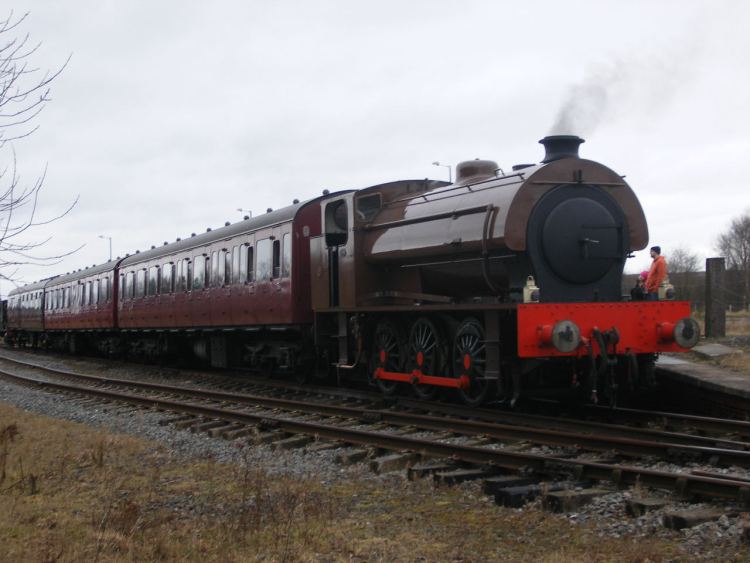
2008 – Wemyss No.15

Wemyss No.15 at CWHWemyss No.15 at Chasetown (Church Street)


Wemyss No.15

2183/1943

Hunslet Austerity, a powerful 0-6-0 saddle tank built to a wartime austerity design that latterly saw service as No. 15 on the industrial Wemyss Private Railway in Fife, Scotland

No. 15 is a Hunslet-designed Austerity 0-6-0ST, one of 13 subcontracted to Andrew Barclay. One of only three of the Andrew Barclay-built examples to survive.

This loco came to Chasewater for the February Gala 2008.
The Wemyss Private Railway was a network of lines, sometimes known as the Wemyss Estate Railway. The lines were a group of mineral and other railways in Fife, Scotland, mainly on the land of the Wemyss family. They were built to connect coal pits to harbours and the railway network, for the use of tenants of the Estate. The Wemyss and Buckhaven Railway was built at the expense of the Wemyss Estate and carried passengers; it was later sold to the North British Railway.

When numerous collieries needed a railway connection the Wemyss Estate built a connecting line to Methil Harbour and improved the harbour itself. The local network became known as The Wemyss Private Railway and the Estate’s interest was transferred to the Wemyss Coal Company. These terms have been used interchangeably by authors.

The collieries were nationalised in 1947 and the sidings connections at the pits followed; the main line railways of Great Britain were nationalised in 1948, but the central section, now known as the Wemyss Private Railway remained in private hands. However the mineral activity in East Fife declined and in 1970 the Wemyss Private Railway closed down.

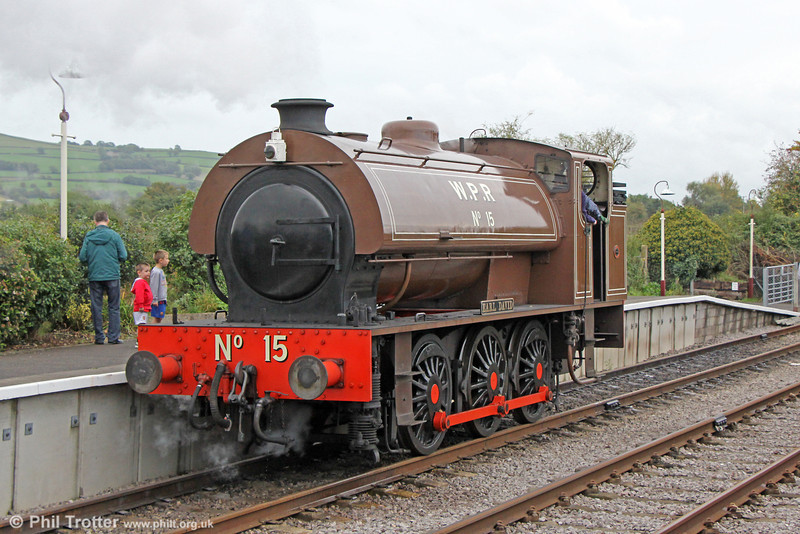
Wemyss No.15 Lined Phil TrotterWhen the loco visited Chasewater Railway, sadly she wasn’t lined out, but in this photo by Phil Trotter, she can be seen in all her glory!

Chasewater Railway Museum – Photos of a visiting loco, 2004 – Beattie Well Tank 30587

Chasewater Railway Museum

Photos of a visiting loco,2004

Beattie Well Tank 30587
Photo - M.Denholm

Photo – M.Denholm

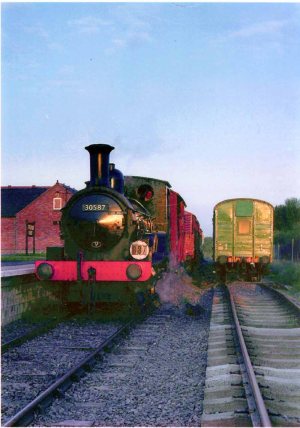
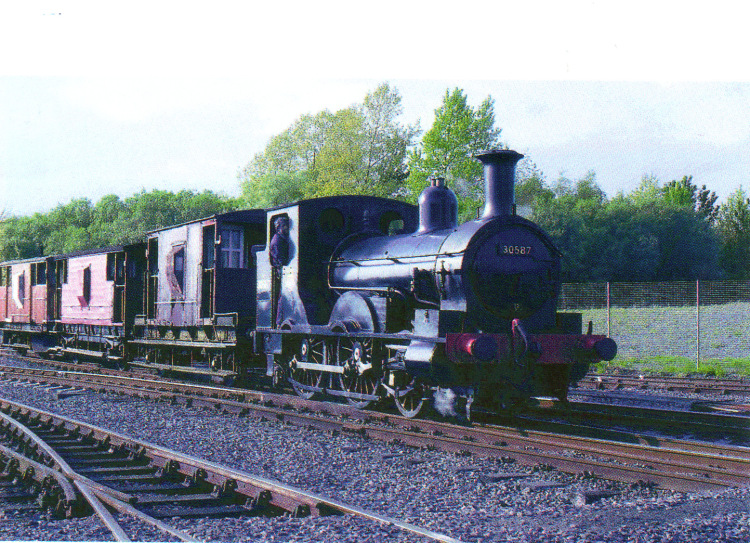
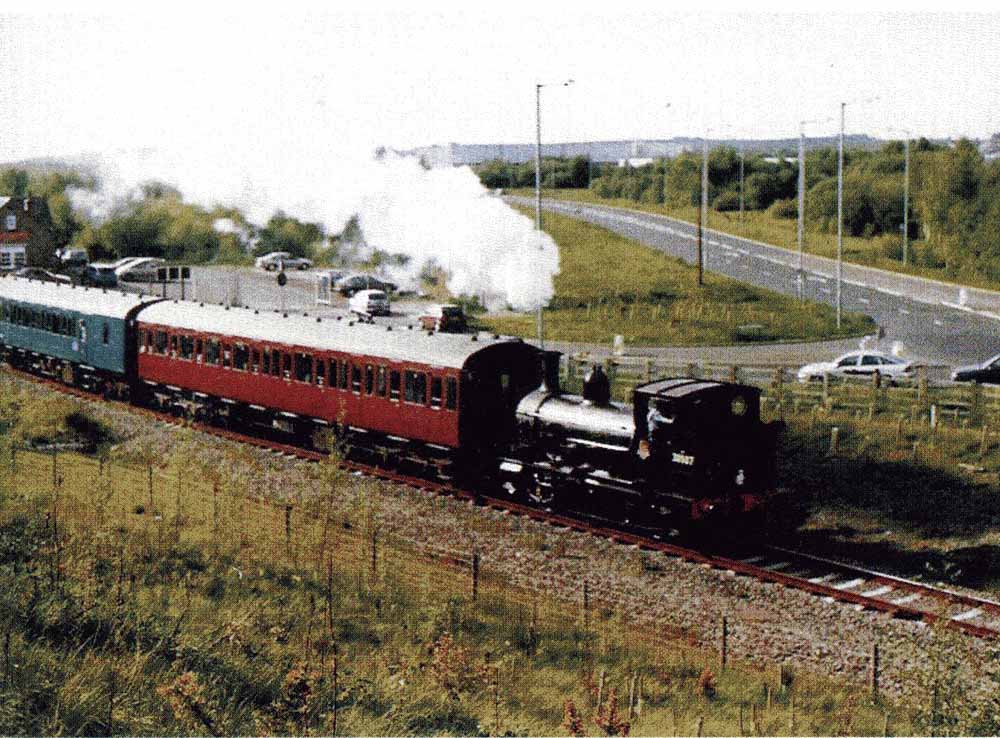
Looking through some more old photos, I came across some taken of locomotives visiting Chasewater Railway, so I thought that I would post a few over the next few weeks, starting with the Beattie Well Tank 30587.

Chasewater Railway was proud to feature this locomotive at our Spring Gala, 2004.

Built between 1872 1nd 1876, this loco was one of a class of 85 produced to a design by James Hamilton Beattie, the mechanical engineer of the London and South Western Railway from 1st July 1850, who was succeeded in the same position from 23rd November 1871 by his son William George Beattie.

Based on the three locomotives of the ‘Nile’ class built in 1859, but with many improvements, they were designed in consultation with Charles Beyer, of Beyer Peacock Co. and manufactured at their works at Gorton, Manchester – becoming known as Standard Well Tank engines.

The National Railway Museum selected 30587 for preservation after being finally withdrawn from service in December 1962, after 88 years of service. The engine was ultimately transferred, on loan, to the Dart Valley Railway at Buckfastleigh numbered 3298 on 22nd April 1978 and remained there as a static exhibit until 2nd December 2001 when it was taken to the Flour Mill Workshops in the Forest of Dean for restoration to full working order, before returning’home’ to Bodmin numbered 30587 on 12th November 2002.
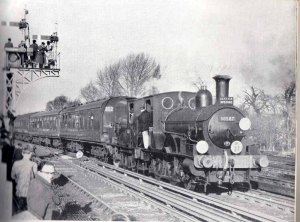
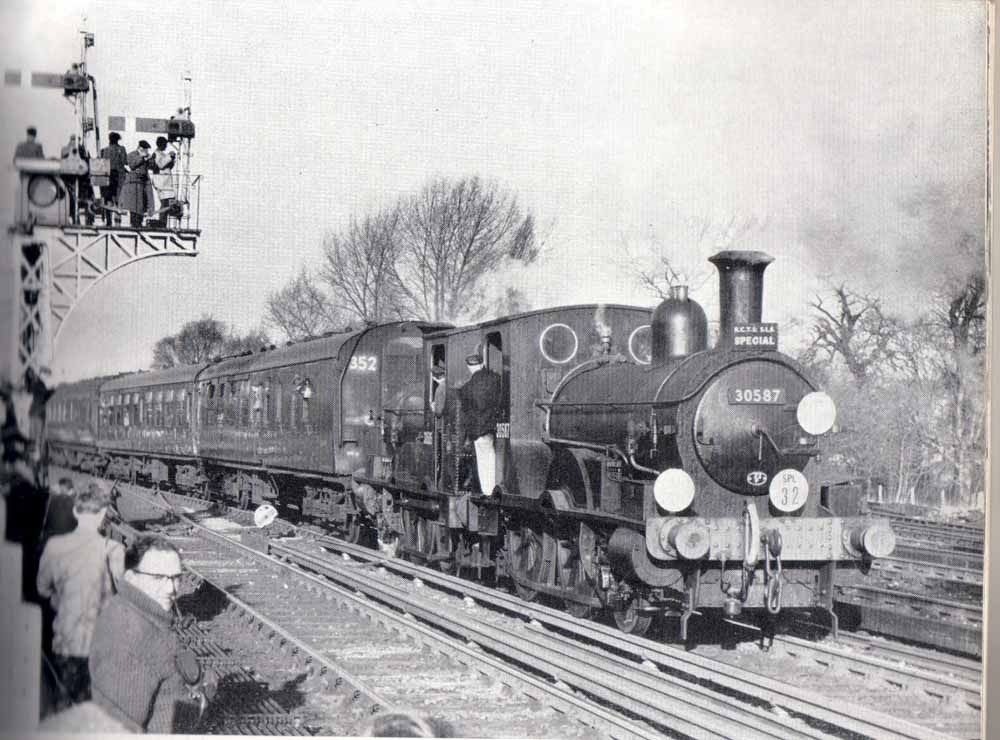
30585-30587Two of the then three remaining Beattie 2-4-0 Well-tank engines, used on the Wenford Bridge line until 1962, on an RCTS railtour shunting at Hampton Court station in December 1962. The engines were 30585 and 30587 – G.D.King.

30587 CWH At the causeway Bridge, Lakeside Chasewater Beattie Well Tank pic-back-cover pic-beattie-well-tank-1

Chasewater Railway Museum – a photo from the archives

Chasewater Railway Museum

A photo from the archives

7127

The Neilson loco 2937-1882 0-4-0ST, complete with ‘Alfred Paget’ nameplates, on a freight train at Chasewater Railway in early days.
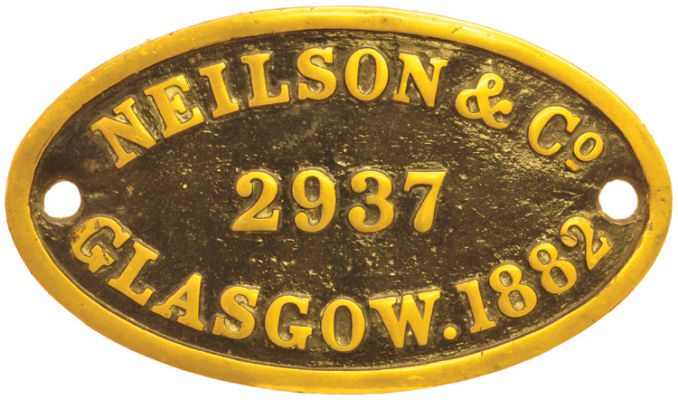
Neilson plate & info

A locomotive worksplate, Neilson, No.2937 of 1882, from a 0-4-0ST O/C new to William Baird & Co (Ltd from 1893) at Bedlay Colliery near Glenboig, their No 11, becoming part of the Scottish Iron & Steel Co Ltd in January 1939, Bairds & Scottish Steel Ltd six months later and the National Coal Board in January 1947. It returned to Bairds & Scottish Steel Ltd at Gartsherrie Ironworks, Coatbridge, in about 1950 and following withdrawal, was acquired in June 1968 by Railway Preservation Society, Hednesford, Staffordshire and later went to the Chasewater Light Railway.
Cast brass 10 x 6″¼”, the front of the plate has been repainted.

Chasewater Railway Museum – 3 from our photo collection

Chasewater Railway Museum

3 from our photo collection

Chasewater Heaths

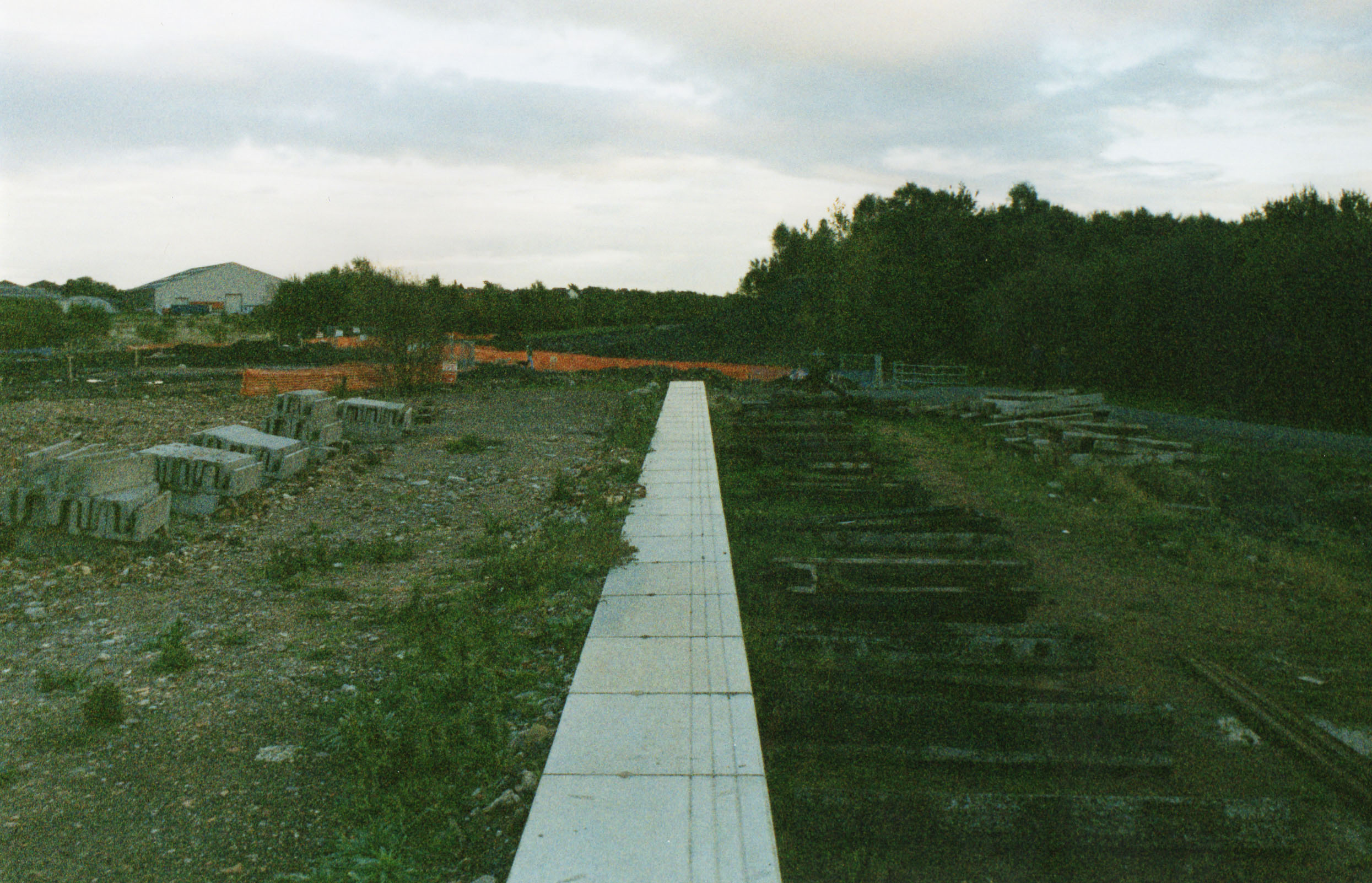
The first two photos were obviously taken in the early stages of development of the site of the station and of the by-pass.

In this first photo, on the left hand side, you can see the platform edge – on the right is the Burntwood ring-road taking shape. Taken around 2000.

5883 crop

The second photo, taken from the platform edge, is pointing towards Chasetown, Church Street and the Rugby Club.

5892 crop

Chasewater Heaths in operation, with Hudswell Clark- Port Talbot 0-6-0ST No. 26 (GWR 813) – taking a freight train through towards Brownhills West. Taken in 2009.

813 Taking a freight train through Chasewater Heaths

Chasewater Railway Museum – The Causeway

Chasewater Railway Museum

The Causeway

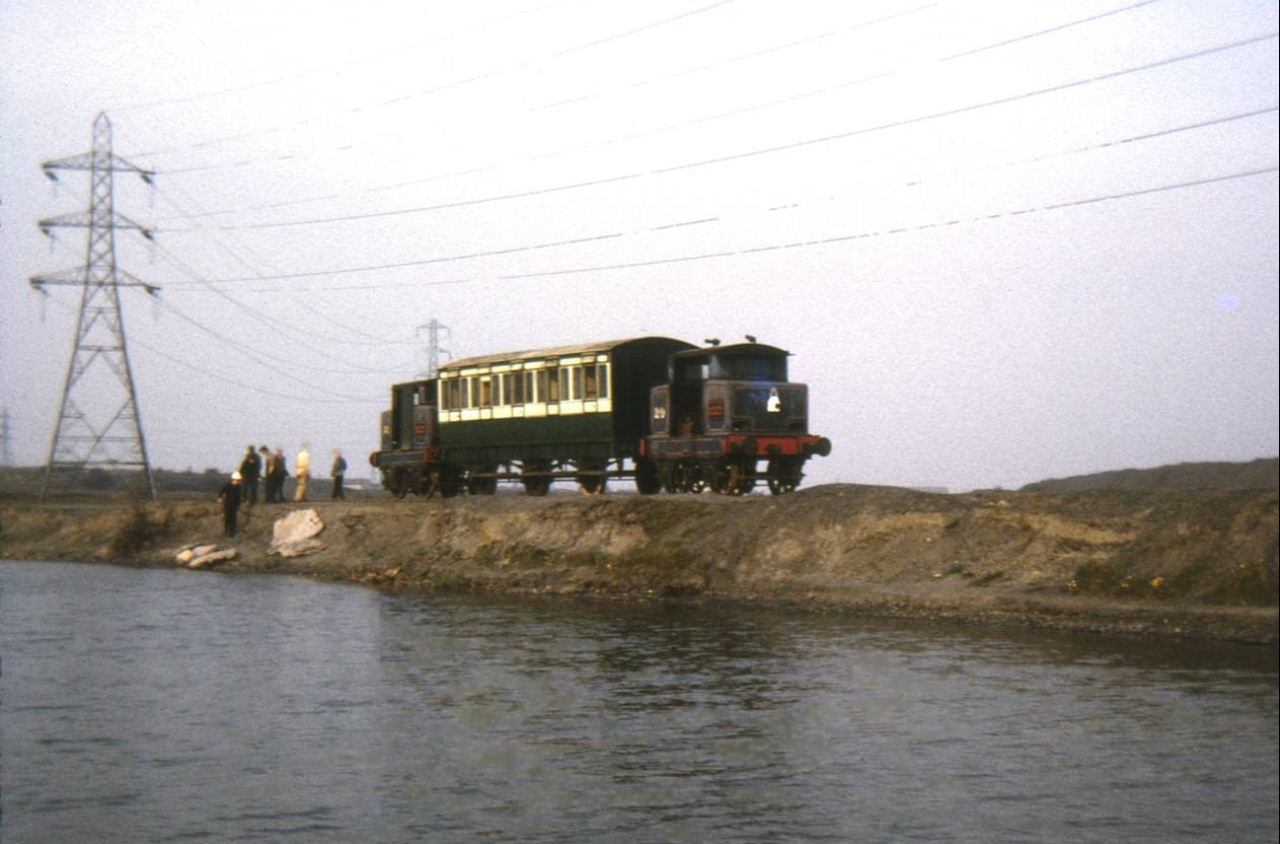
Causeway April 1971

Worthington locos Nos.20 & 21 on the causeway with the Maryport & Carlisle coach in April, 1971

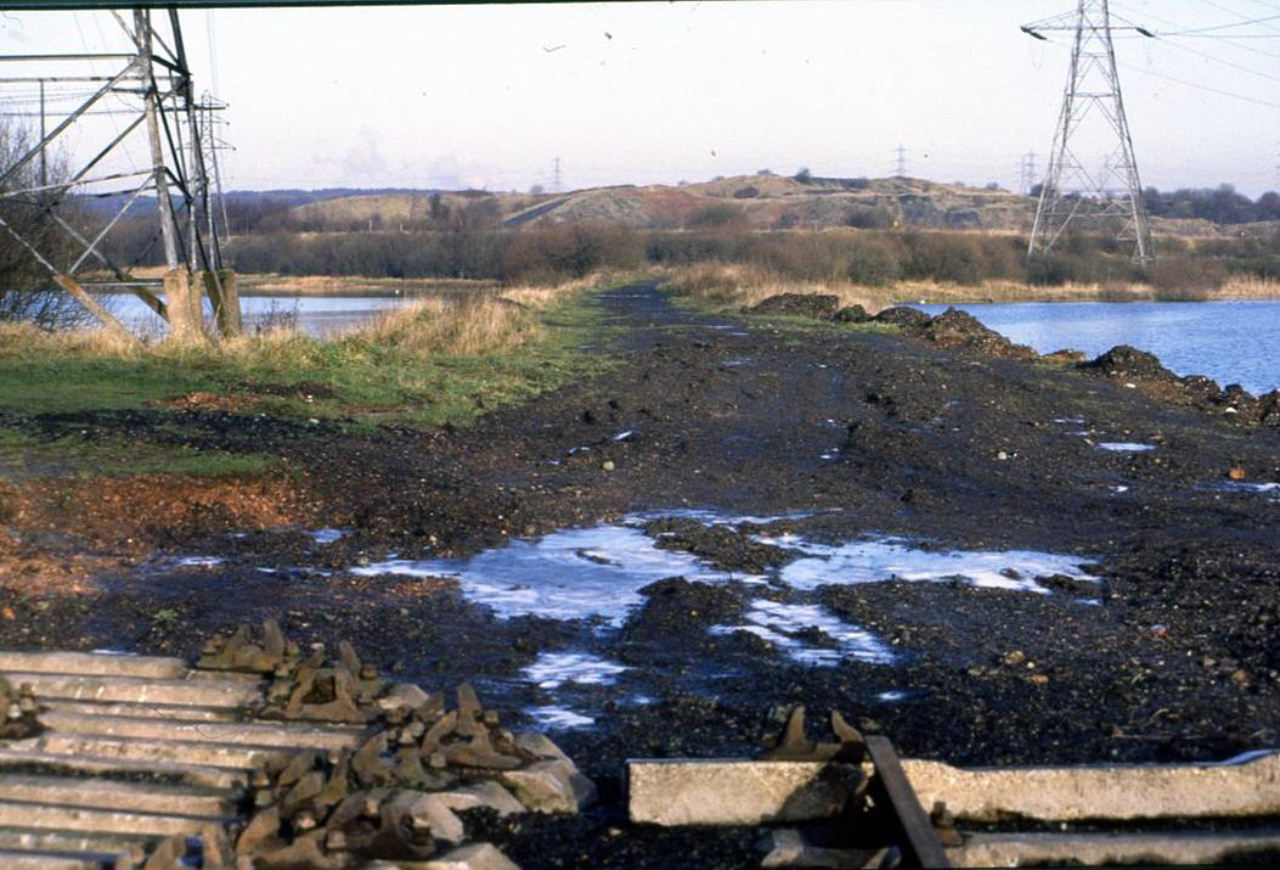
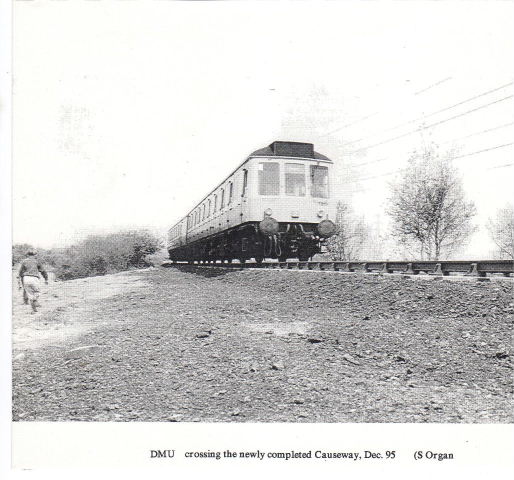
Causeway 1992

Taken in 1992

DMU on causeway001

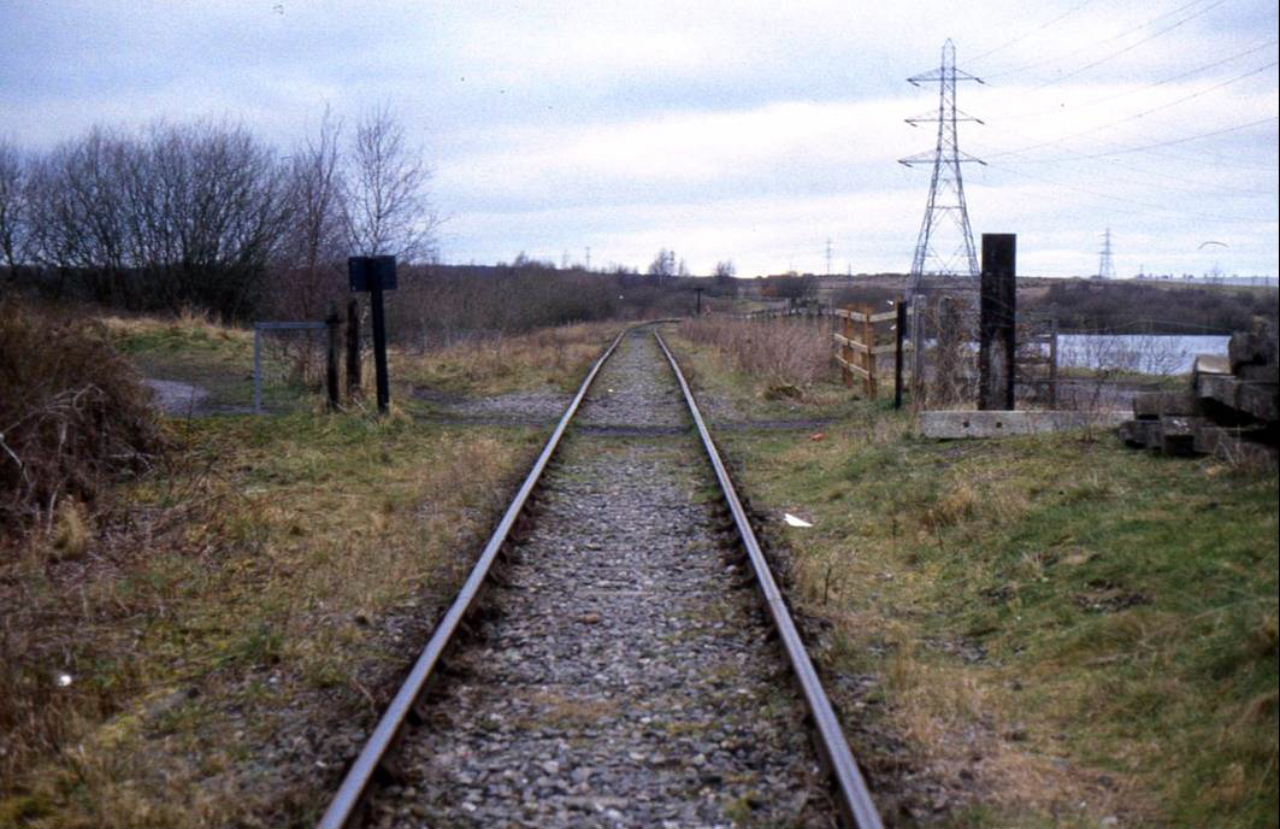
Causeway 2005

Taken in 2005

2011_03250028

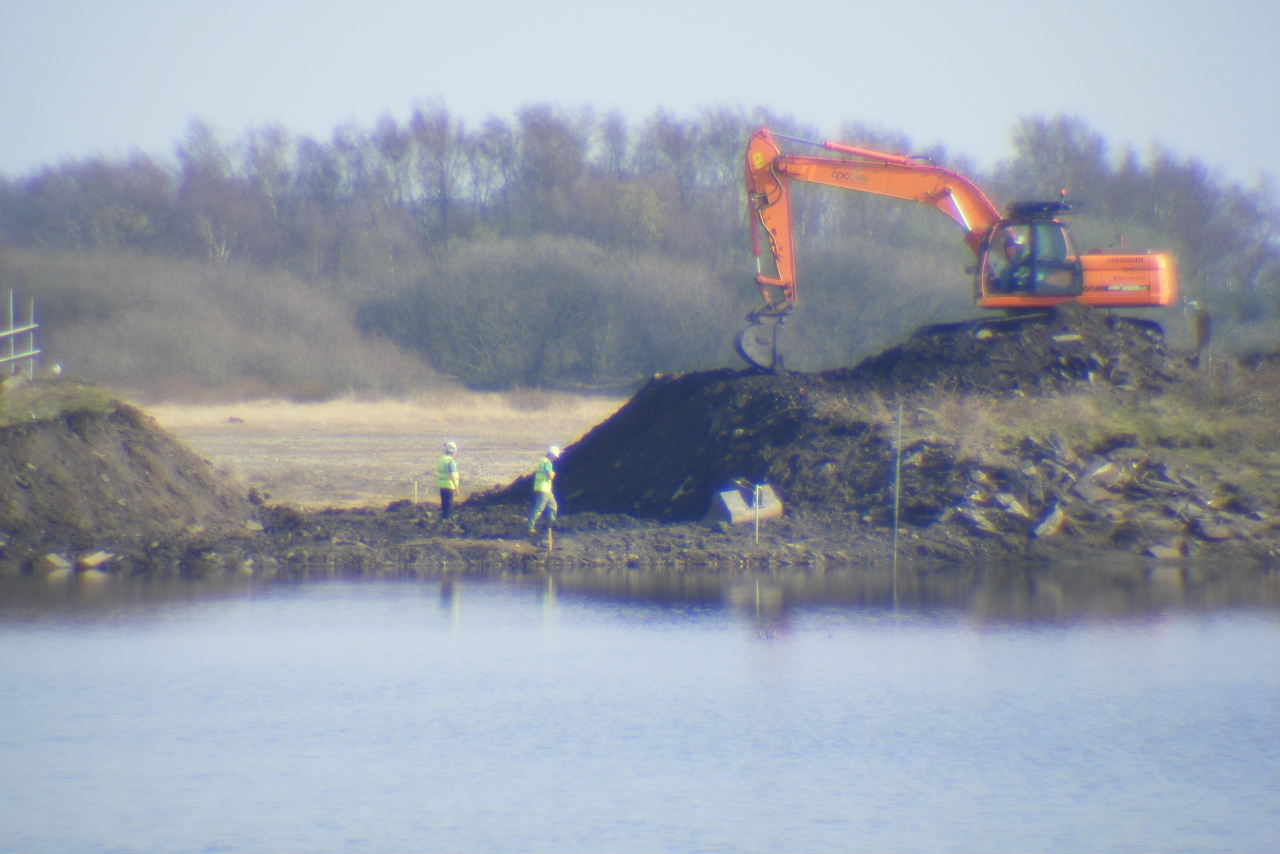
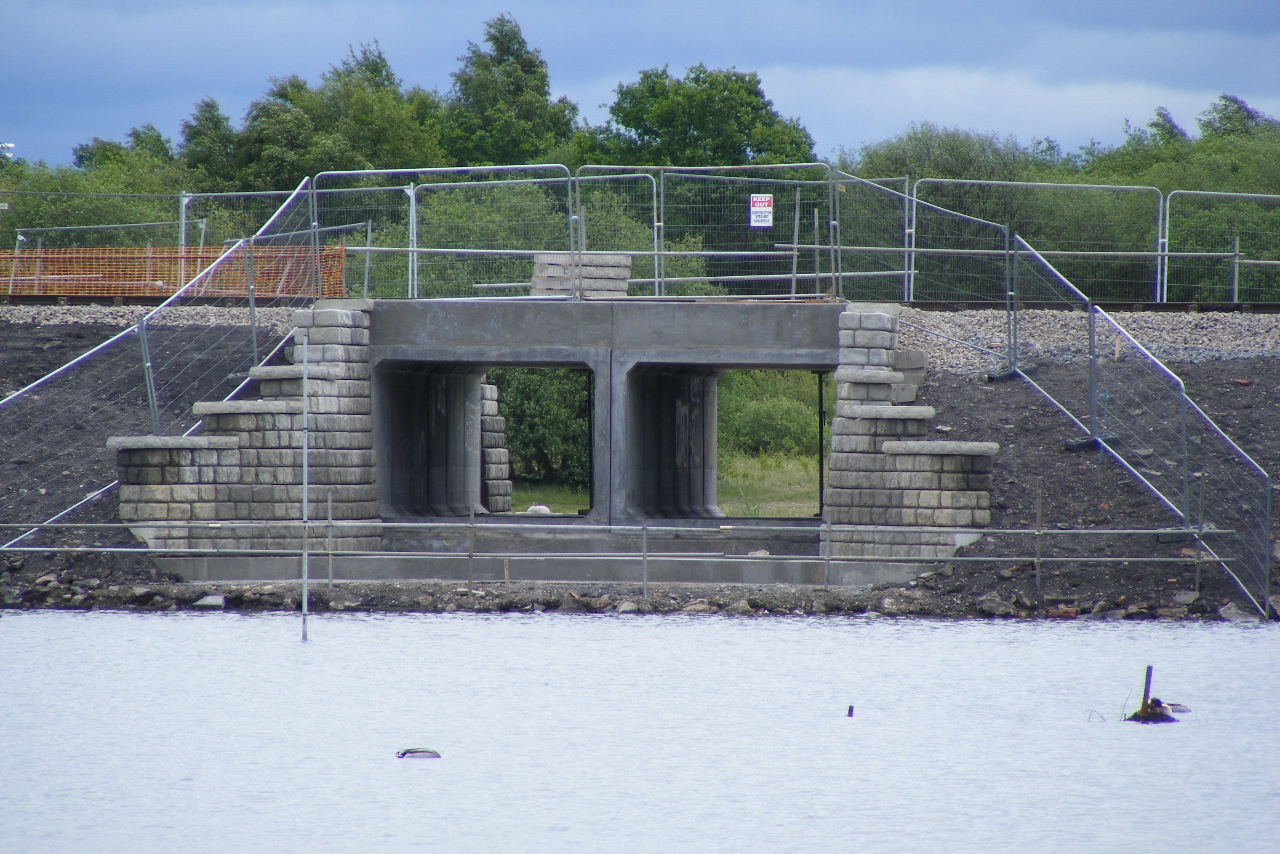
2011 – A hole in the Causeway!

2011_05280007

Later in 2011

2011_05280016

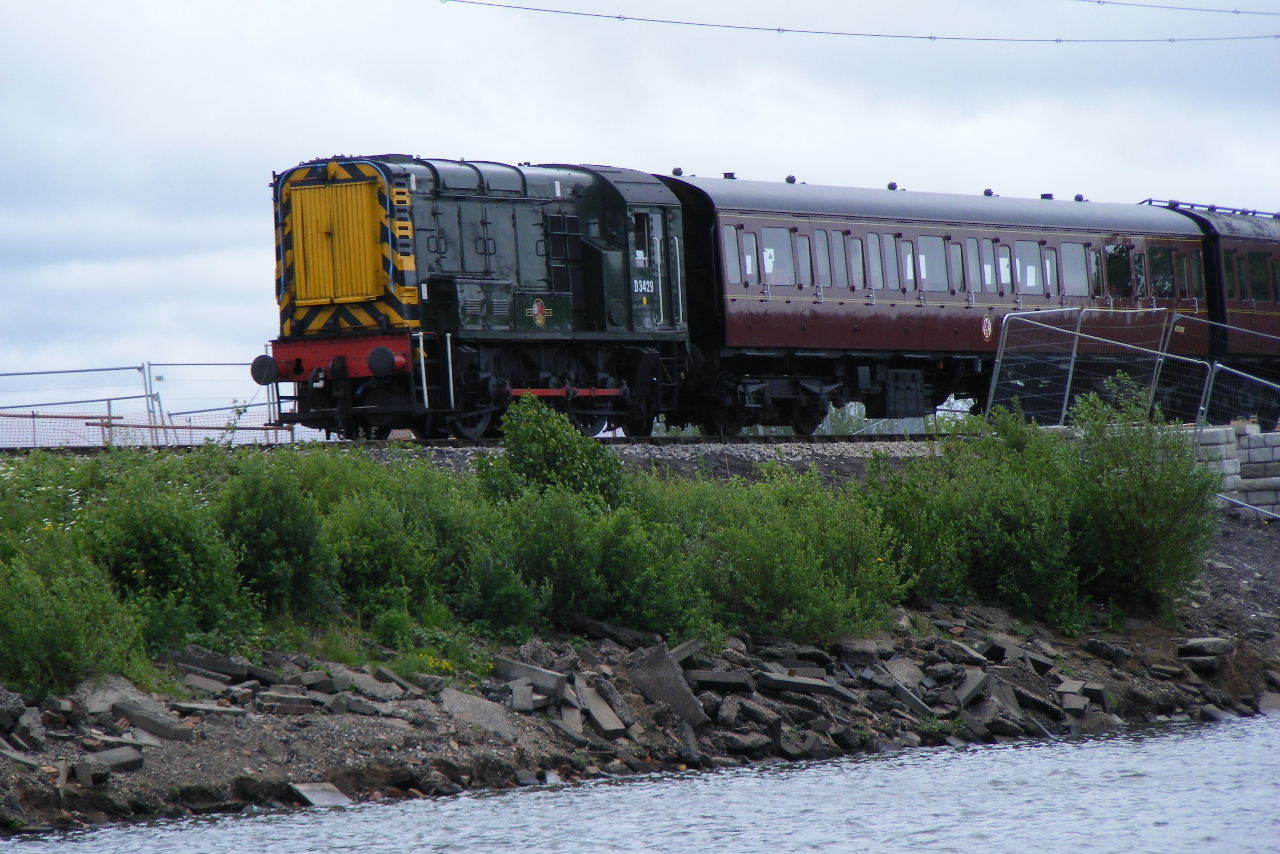
May 2011 – First train over re-opened causeway.

2009_09120020

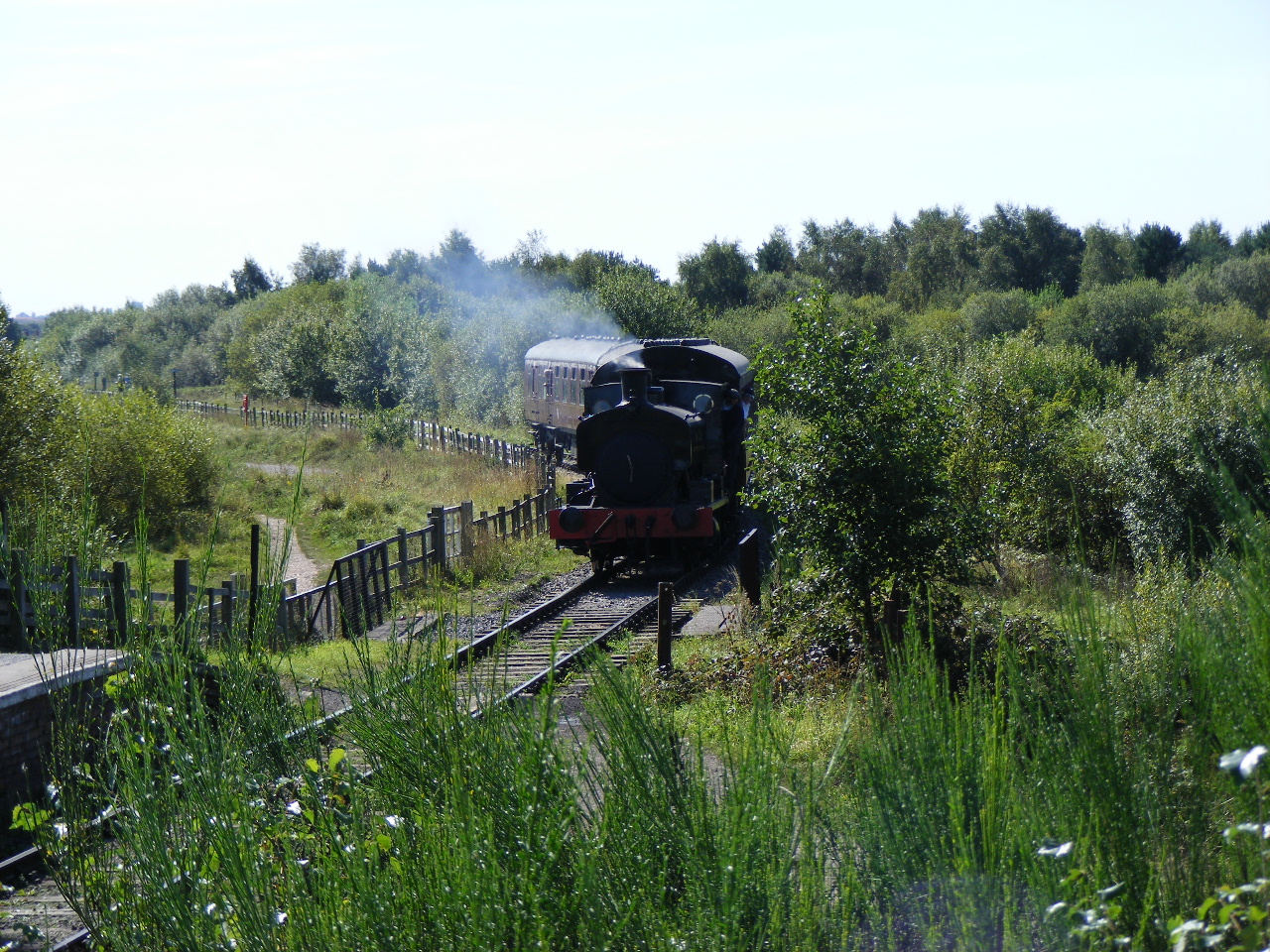
Just to show steam locos use it too !!