Tag Archives: Chasewater Railway Museum

Chasewater Railway Museum – ‘Burton Brewery Locomotive Day’

Chasewater Railway Museum

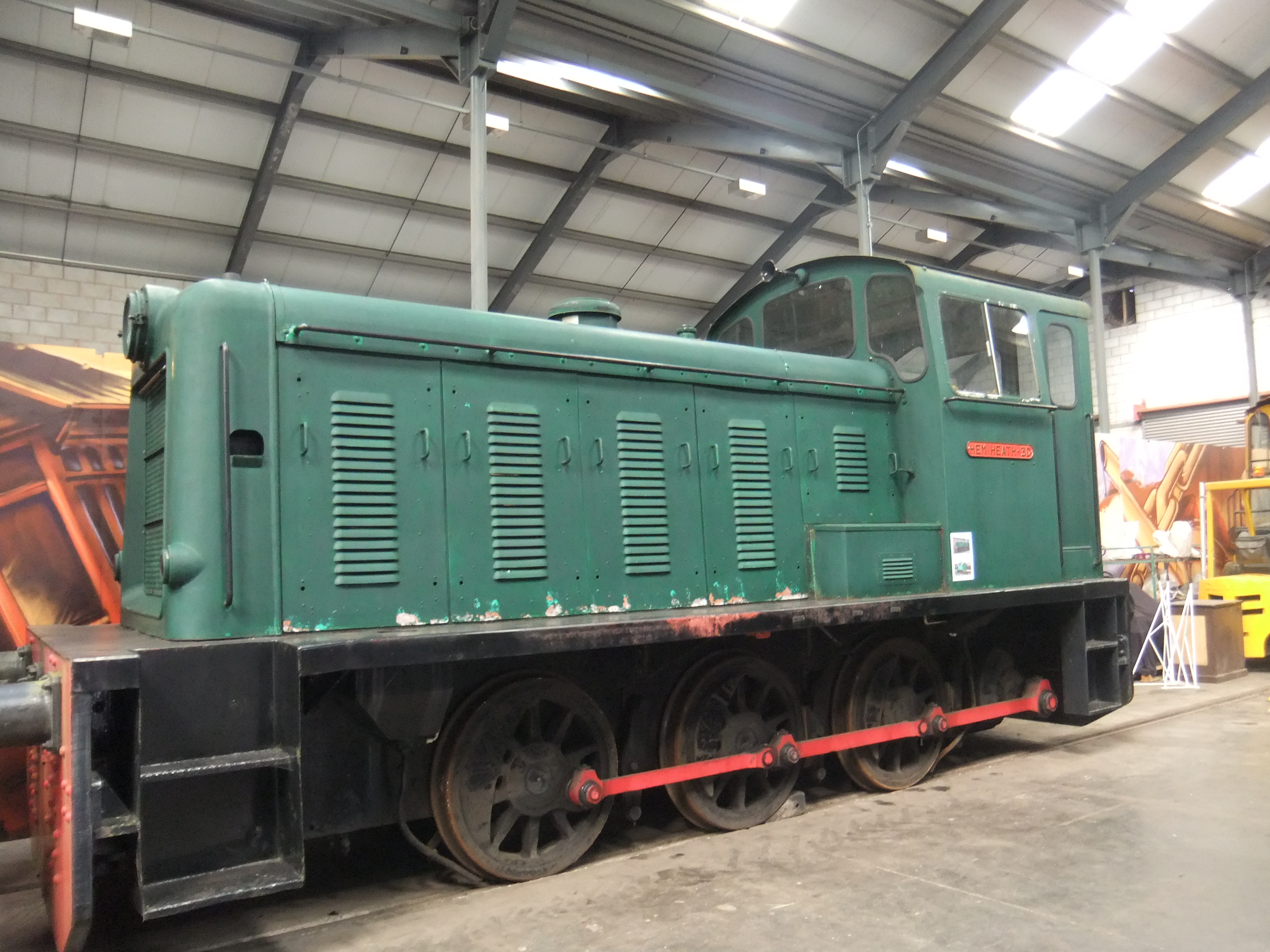
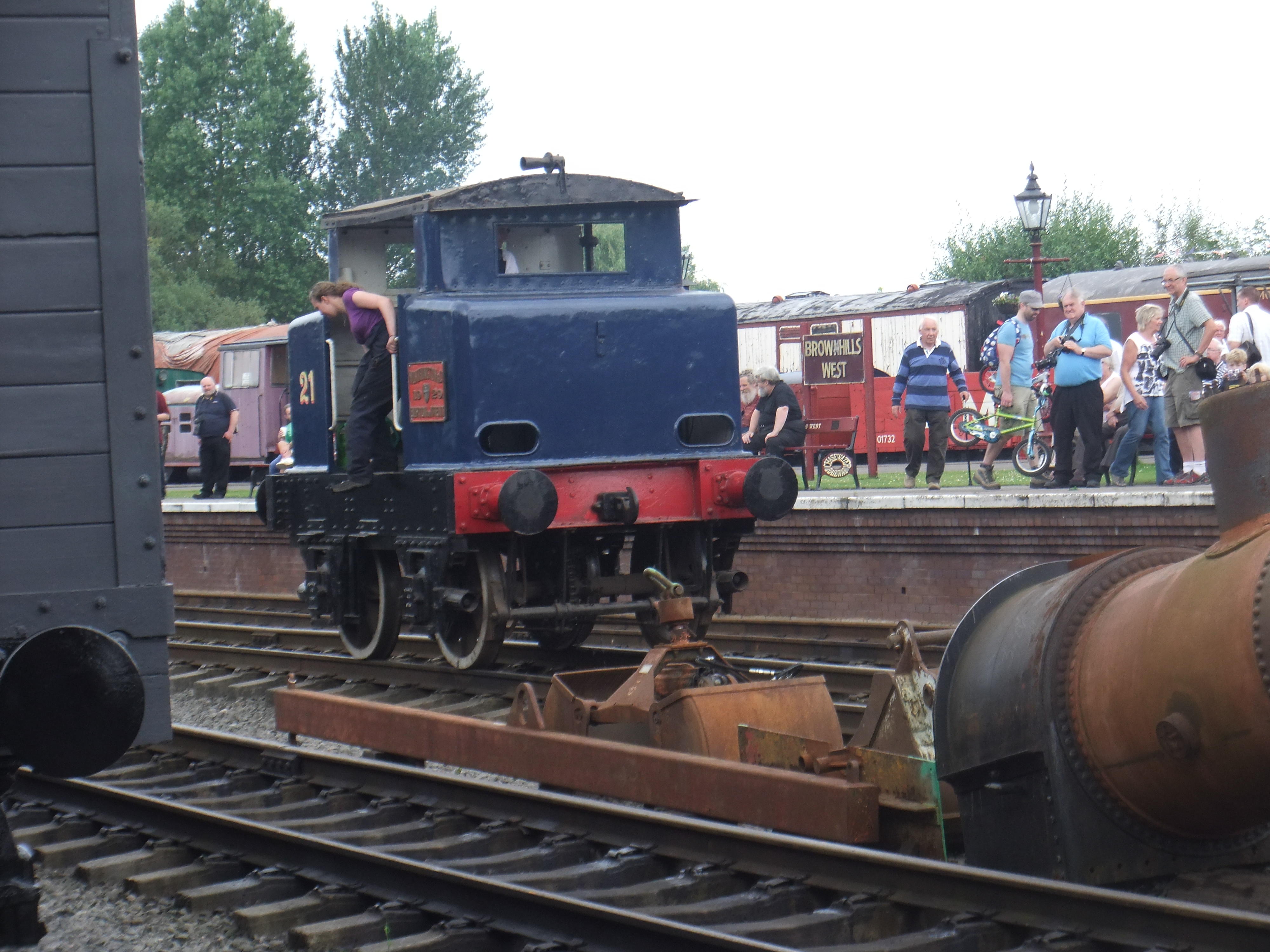
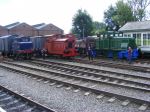
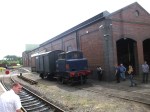
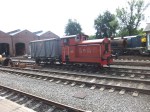
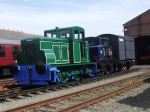
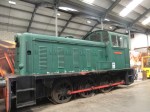
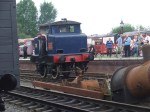
Just a thought about the tremendously successful Chasewater Railway ‘Burton Brewery Locomotive Day’.  It was great to see some museum items ‘on active service’.

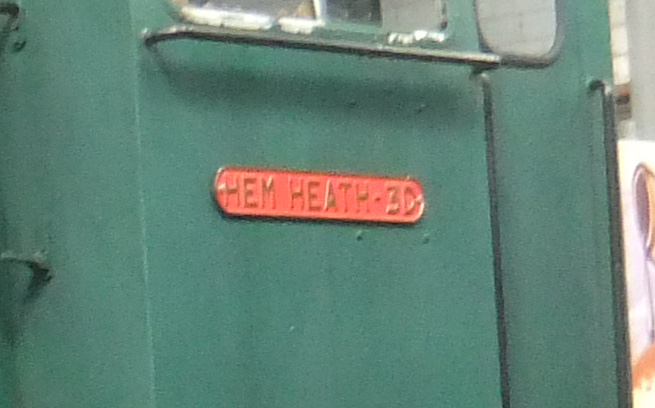
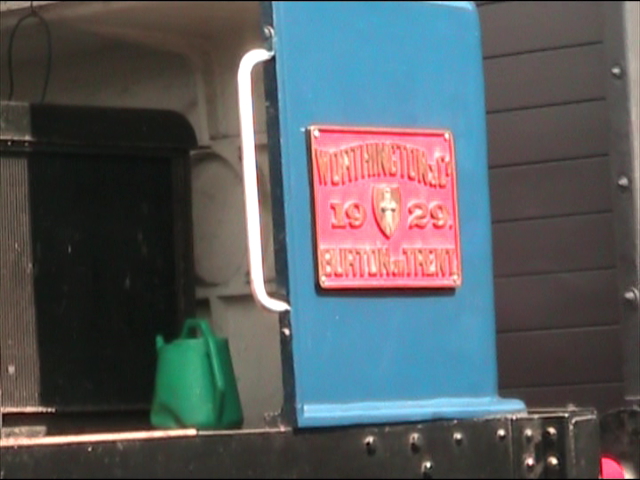
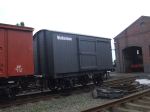
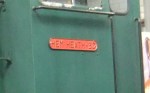
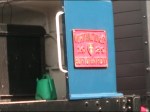
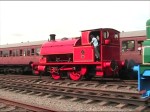
2014_07220062 The Hem Heath plate and the Worthington nameplates were attached to their vehicles for the first time in some years.

Hem Heath Plate

2014_07220036

Worthington Plate

These plates usually reside in the museum – it was great to see them put to their proper use!

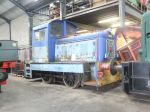
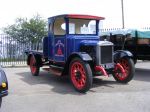
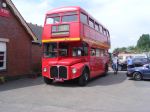
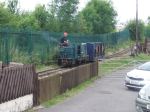
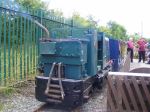
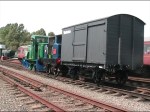
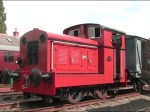
A gallery of more vehicles on display:


Chasewater Railway Museum – an interesting letter.

Chasewater Railway Museum – an interesting letter.

10377

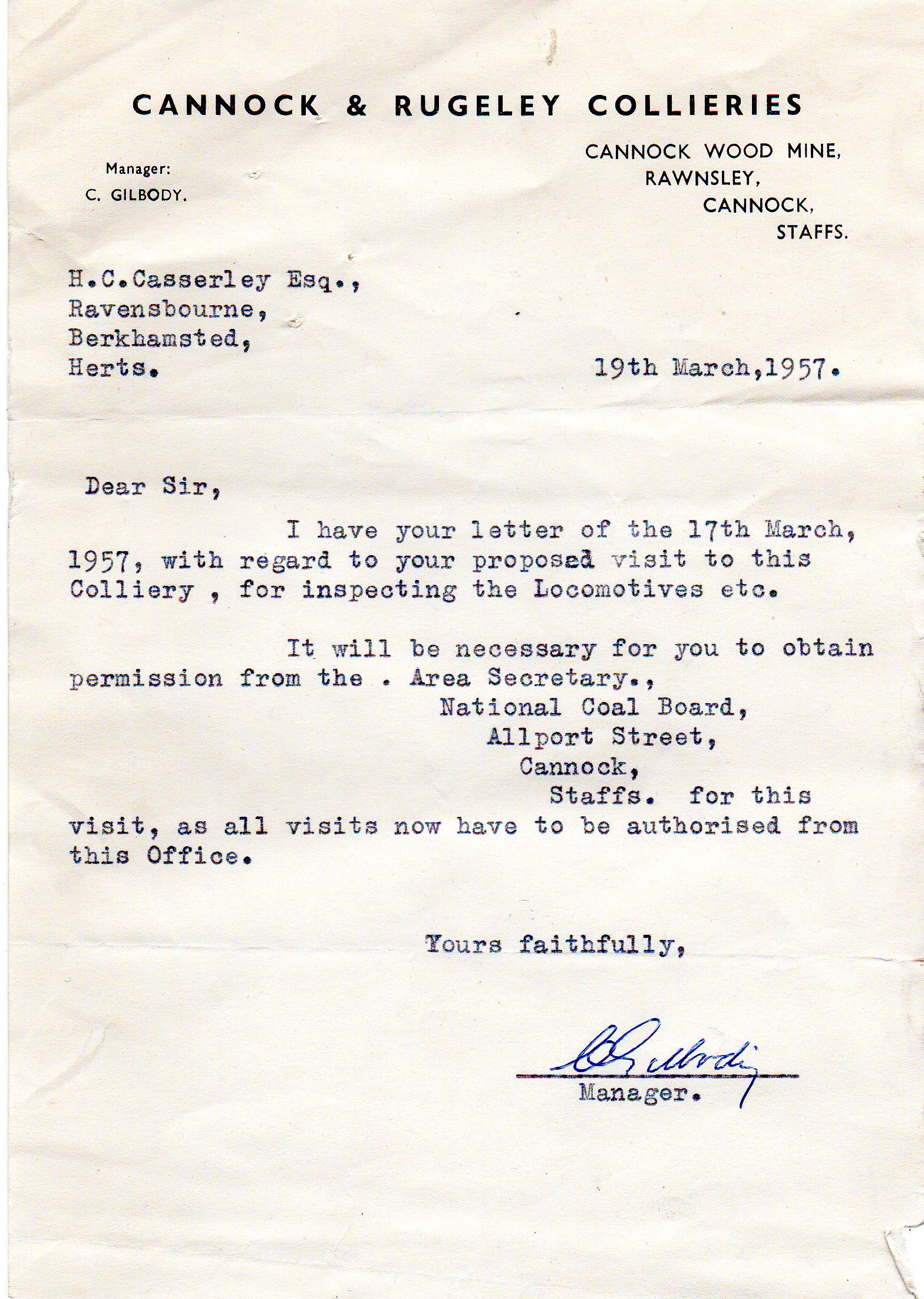
The Chasewater Railway Museum has been given a letter dated 1957 from the Cannock & Rugeley Collieries in reply to Mr. H.C.Casserley’s request for permission to visit the Colliery for photographing the locos, etc.
Mr. Casserley was a very highly regarded railway photographer who had many books published.

The letter was kindly donated to the Museum by Mr. Debens.

B15 Birch C & R 6-5-1946 H.C.Casserley
This was not to be his first visit to the Colliery as we have in our collection a photo taken by Mr. Casserley of the CRC loco ‘Birch’ dated 1946!

The coal industry was nationalised in 1947.


Chasewater Railway Museum – three new items

Chasewater Railway Museum

Three new items

DSCF9001

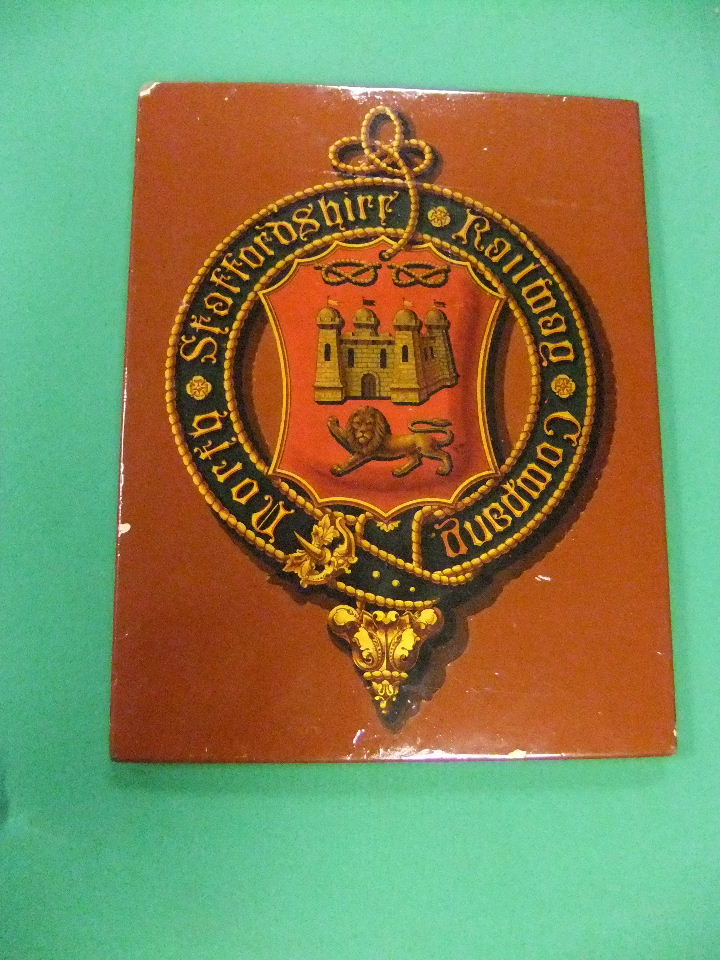
The first one, the North Staffordshire Railway Company Coat of Arms, we have had for a long time but has been kept in stores until recently.

DSCF9039

The second one is a recent acquisition by our curator, a Rhymney Railway Coat of Arms.


DSCF9004

The final one for now is a Chasewater Railway badge dated 1995, loaned to the Museum by a visitor from Burntwood after finding it at a Car Boot Sale.

Keep your eyes open folks!!

Chasewater Railway Museum – One from the scrapbook

Chasewater Railway Museum

One from the scrapbook

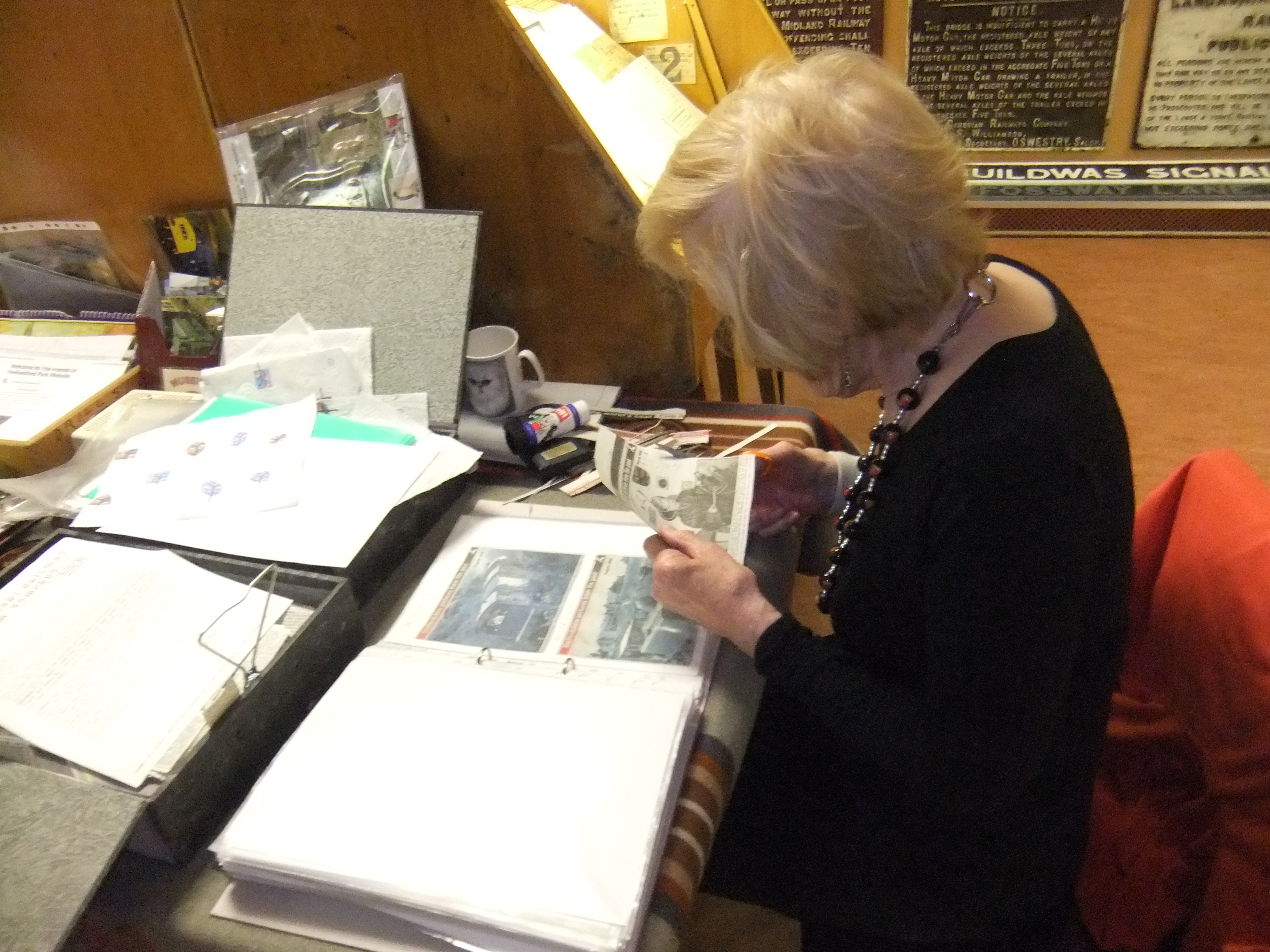
While Jo was doing her usual Tuesday stint on the museum scrapbook,  a book, which was an anonymous donation over the weekend, came to light.DSCF9036

DSCF9009When Barry saw it, he recognised the book and the name of the author – Ken Judkins – a member of Chasewater Railway a long time ago.  He had also seen a photo in the paper of the launch of the book in 1989, which Jo had put into the scrapbook.Ken Judkins

A nice coincidence!

Chasewater Railway Museum – Two more local finds

Chasewater Railway Museum

Two more local finds

Our curator has unearthed two maps of local lines, the Norton Branch and the LNWR Five Ways Branch

to blog

6″ scale map in card cover, dated 1903, shows (and entitled) Norton Branch, does, however, also show part of the MR Walsall Wood Extension and Chasewater

to blog 5 ways
Two chains to the inch scale plan of the LNWR Five Ways Branch, 1897. Shows the entire branch in good detail

to blog 3

In Memory of Roger Shenton.

The latest addition to be installed on the platform at Brownhills West Station is a bench in memory of Roger Shenton.
Roger Shenton's bench.
Roger worked as a volunteer at Chasewater until his sudden death in December 2012. This bench stands as a tribute to the many hours he gave to the Railway over the years.
Roger Shenton's plaque
Rest in peace Roger and Thank you.

Chasewater Railway’s Diesel Locos – Bass No.11

Chasewater Railway’s Diesel Locos

Bass No.11

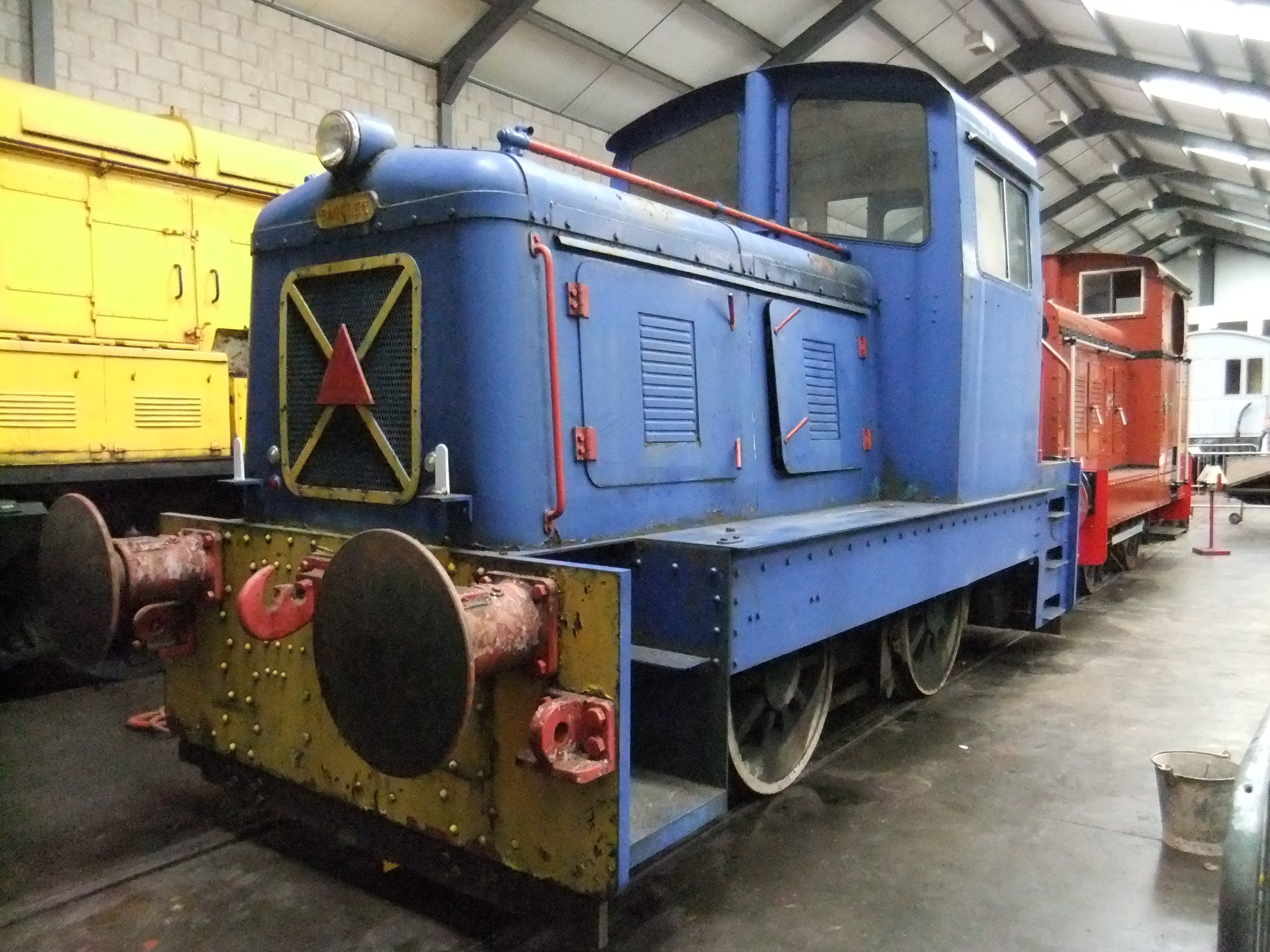
DSCF9083Monday March 31st 2014 saw the latest locomotive to arrive at Chasewater, this being a 107 hp 0-4-0 diesel built by Baguley of Burton-on-Trent, works number 3590 of 1962. The loco was delivered new to the brewery giant ‘Bass’ again, of course, in Burton-on-Trent. The loco cost £8,939 new. Eventually Bass discontinued use of their railway system but No.11, as the loco had become in the fleet at Bass, being relatively new was sold on for further use at Wagon Repairs Ltd., Port Tennant, West Glamorgan, leaving for its new home in March 1968.
In 1998 the loco was sold to Staffordshire Locos and eventually resold again to Mr. Trevor Smith, who kept it in his yard off Engine Lane, Lye.
The loco has been purchased and eventually will see further use at Chasewater.
Some of the above information was taken from the excellent Industrial Railway Society publication ‘Burton Brewery Railways’, author Cliff Shepherd.
Barry Bull – Chasewater Railway Museum

The Latest Addition to the Chasewater Railway Museum Loan Items

The Latest Addition to the

Chasewater Railway Museum Loan Items

Today, March 6th 2014, The Chasewater Railway Museum received a visit from members of the Industrial Railway Society.  The principal reason for this visit was for the IRS to receive, on loan, a nameplate from the locomotive ‘Rothervale No.0’ from Mr. Bernard Mettam, and in turn, and with Mr. Mettam’s approval, place it on loan with the Chasewater Railway Museum.

 Rothervale No.0 Nameplate

 DSCF9297

The above pic was taken on arrival, the one below was taken on 16-6-2015, after a little(!) attention from Pete Stamper.DSCF0792

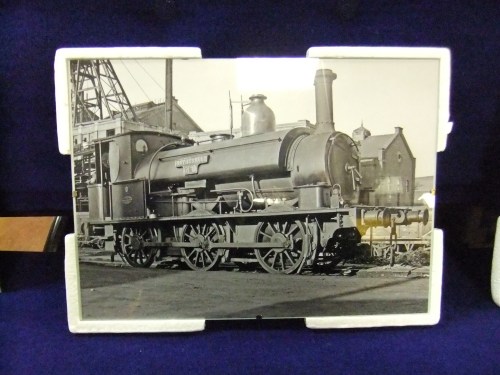
‘Many industrial locomotives are names or numbered for identification purposes, or sentimental reasons.  For various reasons very few were given the number ’0’.  Perhaps the most famous in this category was locomotive ‘Rothervale No.0’ whose nameplate is displayed here.  The locomotive was cut up in October 1959, but fortunately both nameplates were rescued by Mr. Bernard Mottram.

The locomotive, an 0-6-0 inside cylindered saddle tank, was built in 1879 by Beyer Peacock (works number 1830) in Manchester and became No.1 on the East & West Junction Railway, which later (1909) became part of the Stratford-upon-Avon and Midland Junction Railway.  In April 1890 the loco was sold to the Rothervale Collieries Ltd. and carried its new name ‘Rothervale No.1’ on a pair of cast brass nameplates attached, one on each side, to the saddle tank.  The loco was employed at Treeton Colliery located in the River Rother Valley just to the east of Sheffield.

Further locos were acquired by the colliery and named in a similar manner, i.e. ‘Rothervale No.’ followed by a single digit up to ‘9’, in the order of arrival.  In 1929 a new outside cylinder 0-6-0 saddle tank adorned with the cast nameplates ‘Rothervale No.1’ was delivered from the Yorkshire Engine Co.  It is possible that a mistake was made and it should have been ‘No.10’, (following No.9).  Confusion could now arise because there were two ‘No.1s’ at Treeton.  One of them had to be renumbered and there was space for a single digit only on the nameplate.  The decision was taken to renumber the Beyer Peacock to ‘No.0’, possibly because it was an earlier build than the Yorkshire.  The ‘1’ was chiselled or ground off the nameplate and replaced by a brass ‘0’ digit screwed on in the space created.  Brass ‘0’digits, slightly smaller then those on the nameplate were also attached to cab side sheets.
DSCF9294

The photograph was taken on 12th March 1955 at Treeton Colliery by Mr. Bernard Mettam, to whom the Chasewater Railway Museum is indebted, by way of the Industrial Railway Society, for the loan of this most unusual nameplate.

Thanks are due to Mr. Adrian Booth for some of the above information.’

DSCF9304

After the presentation of the nameplate by Bernard Mettam to Ian Bendall of the IRS, ( with the Railway’s Mr Bull waiting patiently!) the group adjourned to the Sidings Tea Room to enjoy one of Craig Wilkinson’s excellent Carvery Lunches.

The Industrial Railway Society also  extended the existing loan agreement for the Eric Tonks Collection for a further two years.

The Chasewater Railway Museum is most grateful and proud to house all of these items.

IRS Coll

Poster – ‘Your Friends on the LMS’

Poster – ‘Your Friends on the LMS

At present on display in the Buffet.

DSCF9071 

This is a copy of a poster by Septimus E.Scott (1946), from an original held in the collection of the National Railway Museum, York.

Typical of the post World War II poster, this one depicts the many vital roles played by the staff on the London Midland & Scottish Railway (LMS), from the guards to the chef, to the signal man, ticket collector and porter – all but two of these roles were undertaken by men.  After the Second World War many more of the women who had joined the railways during hostilities remained working for them.  This had not been the case after the First World War when those that had helped to keep the railways going were made to leave to make way for men returning from the front.

A Selection of Railway Posters from the Collection

A Selection of Railway Posters from the Collection

Mostly holiday destinations but also others of interest.

Some are in better condition than others and some will join those already on display.

Click on any picture for a larger version.