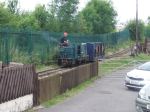
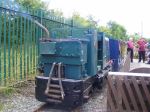
1914 photographs from the Museum Collection
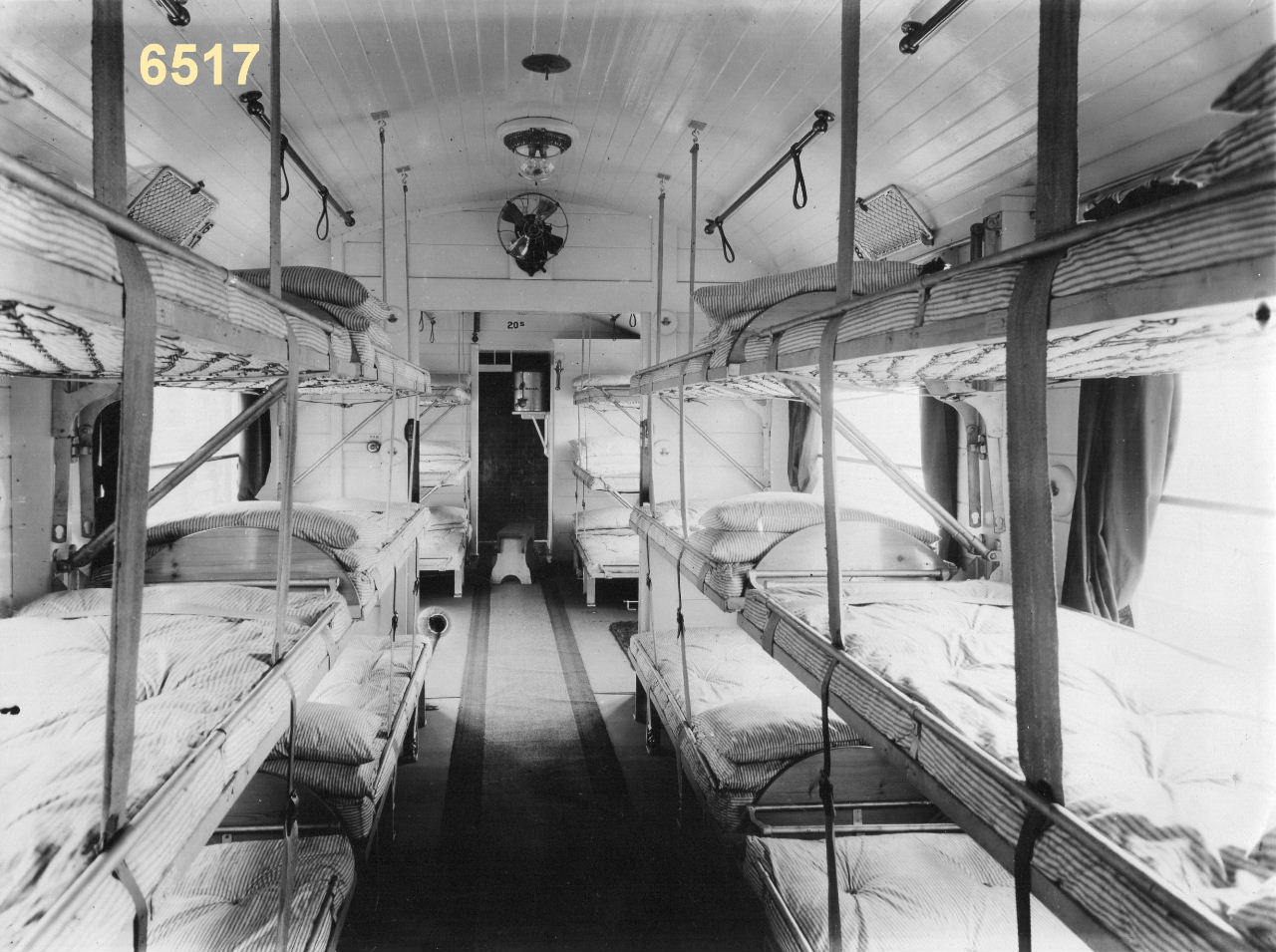
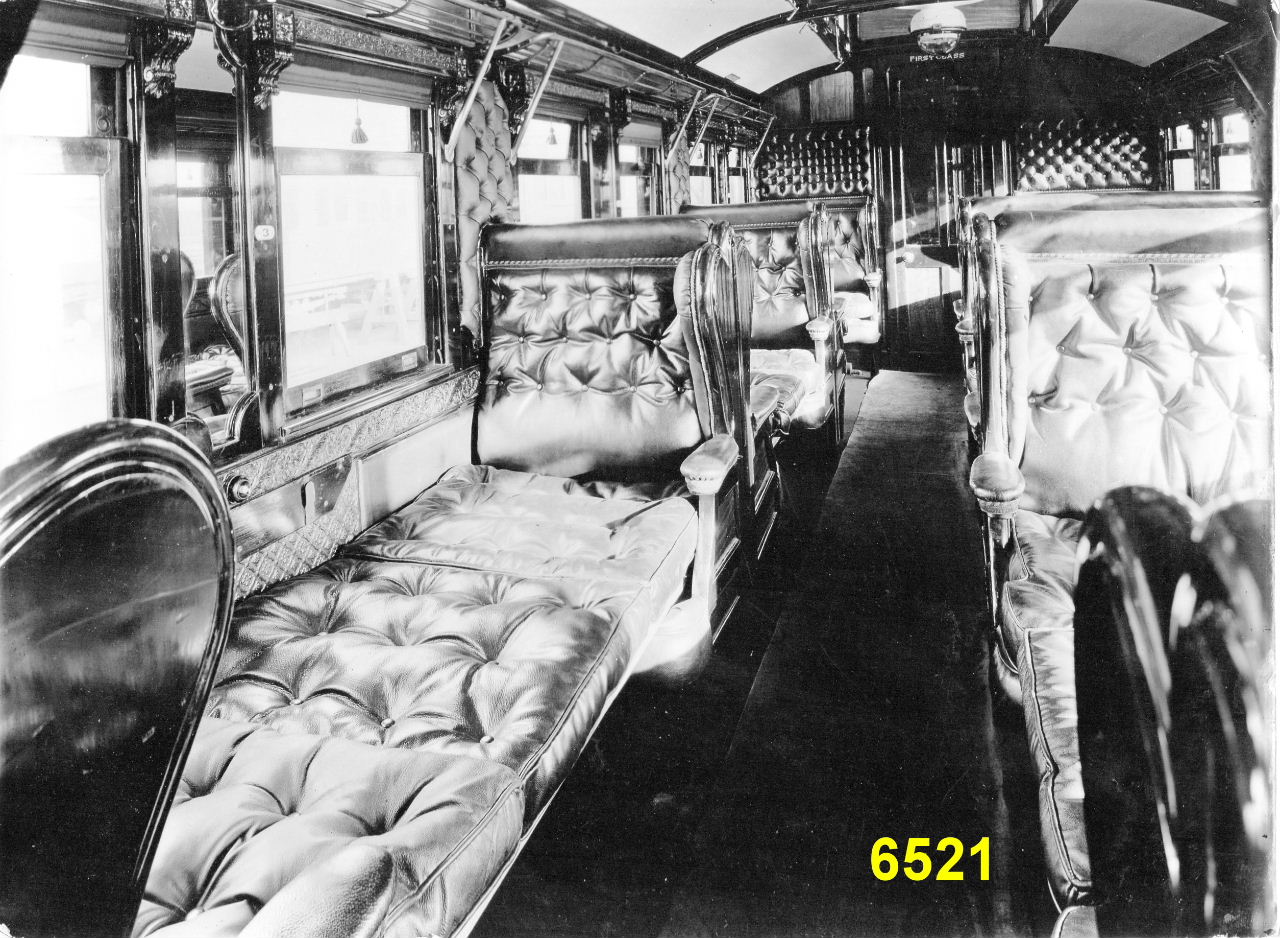
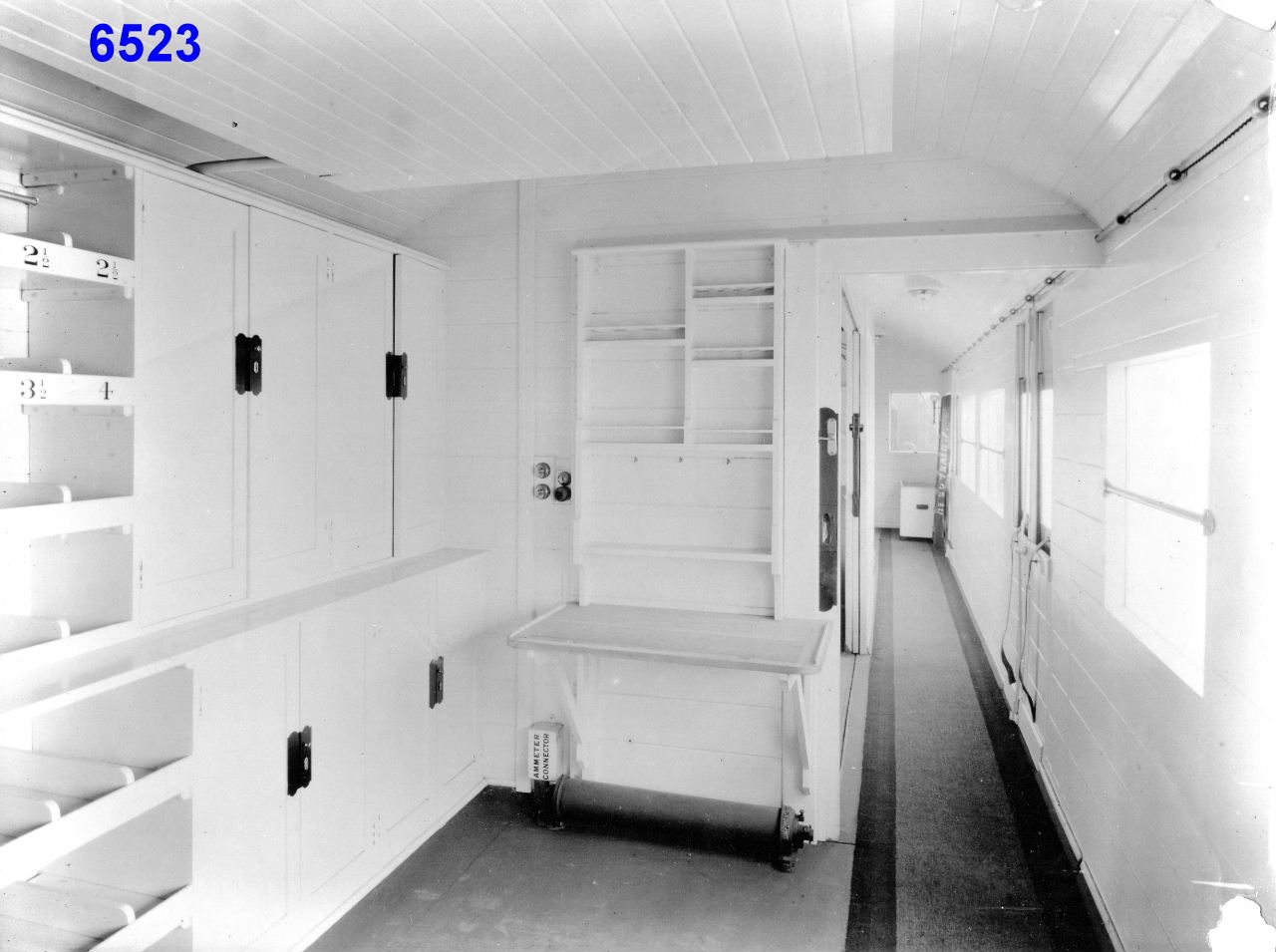
Photographs of an Ambulance Train – 1914
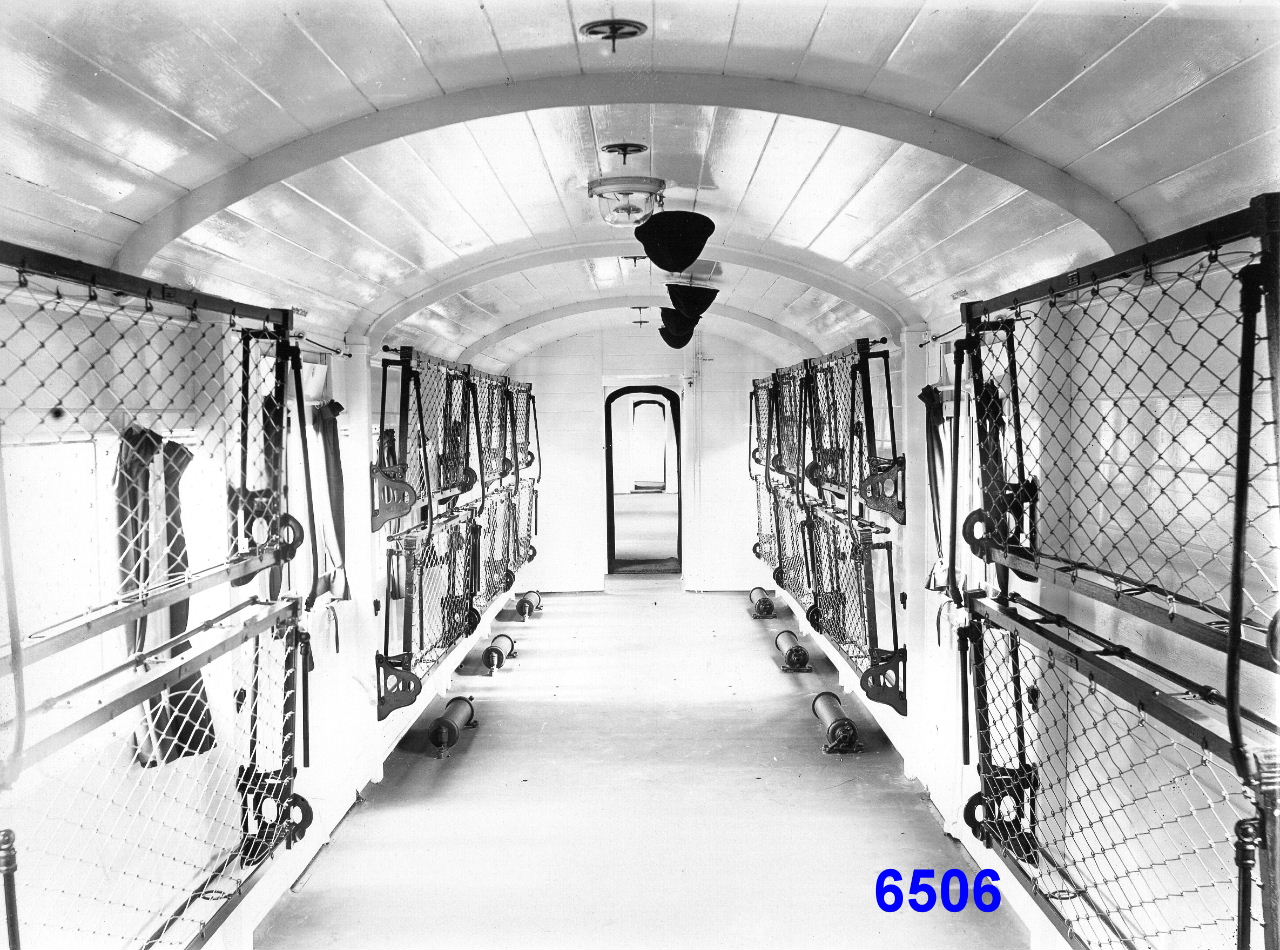
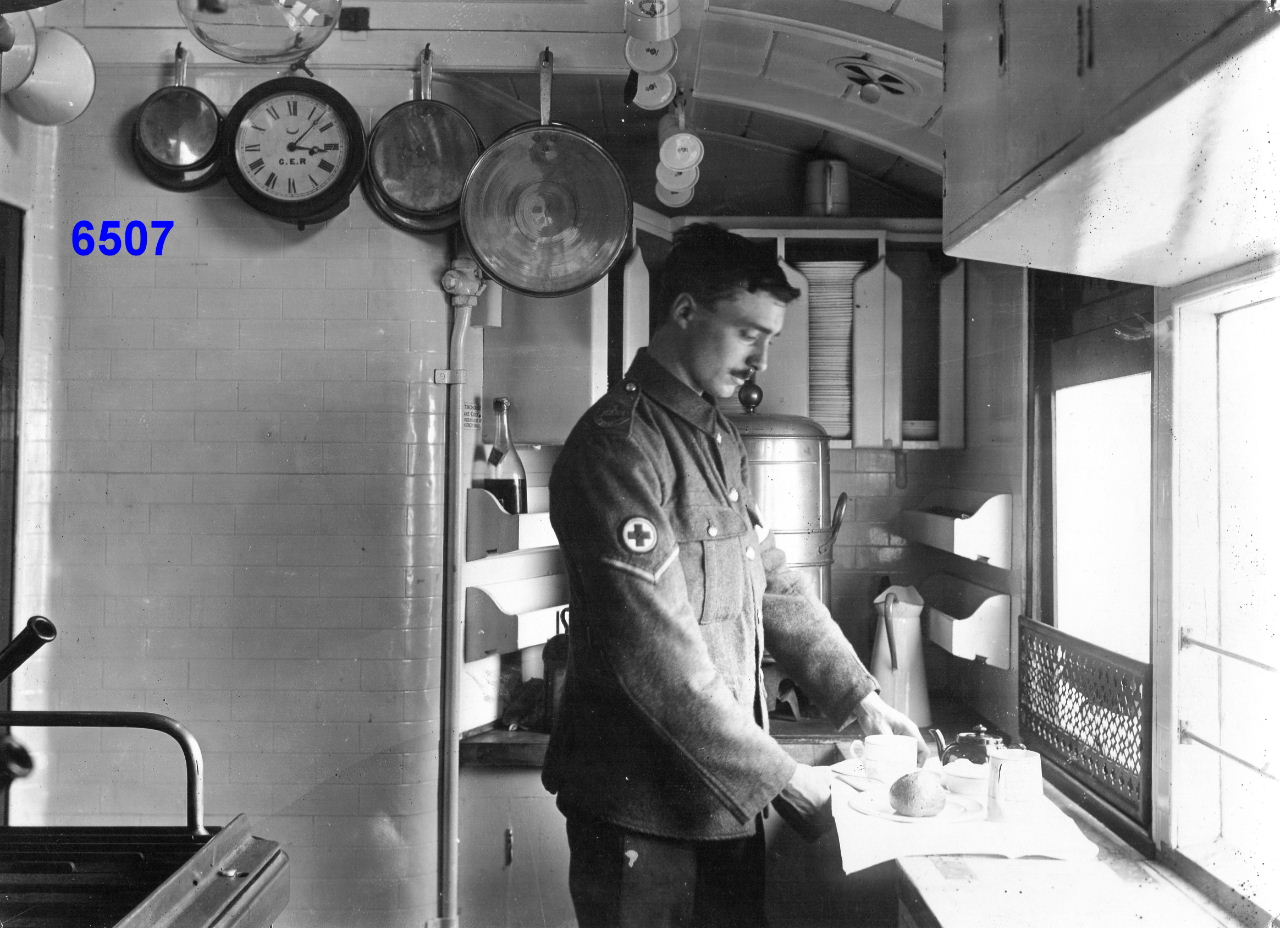
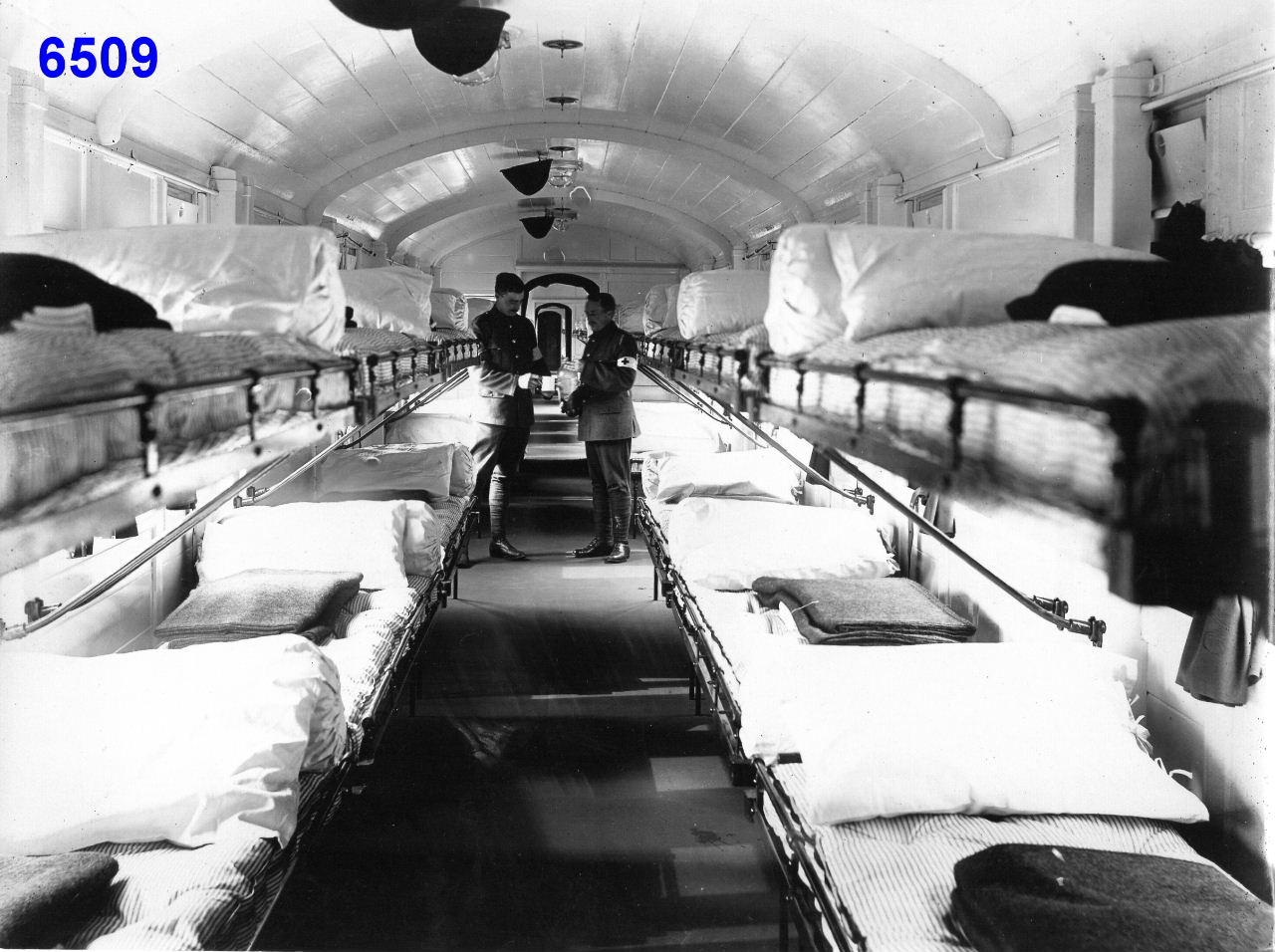
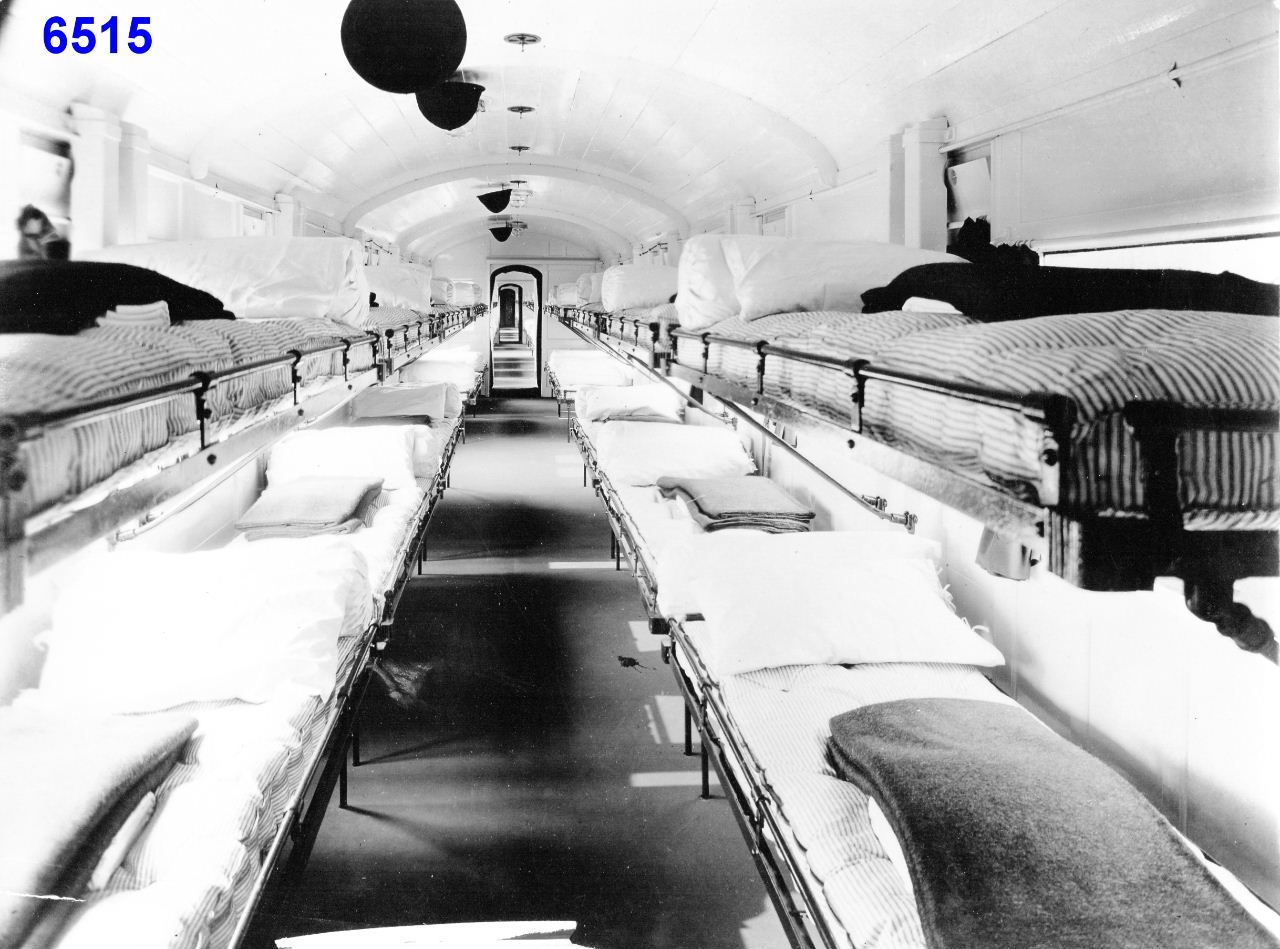
This is a selection of photographs of a First World War Ambulance Train from David Ives’ collection, given to the Chasewater Railway Museum by Robert Ives.
Books, bricks, pay tokens, even a chunk of tram rail – all sorts coming into the museum.
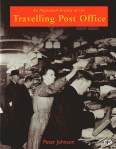
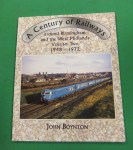
A quick explanation of these items: the first book is the TPO one mentioned on the chasewaterstuff blog, the next Volume 2 of a Century of (local) Railways – a bit of luck, we already have Volume 1.
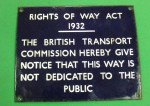
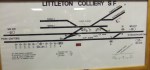
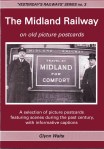
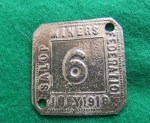
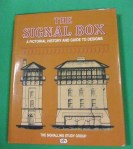
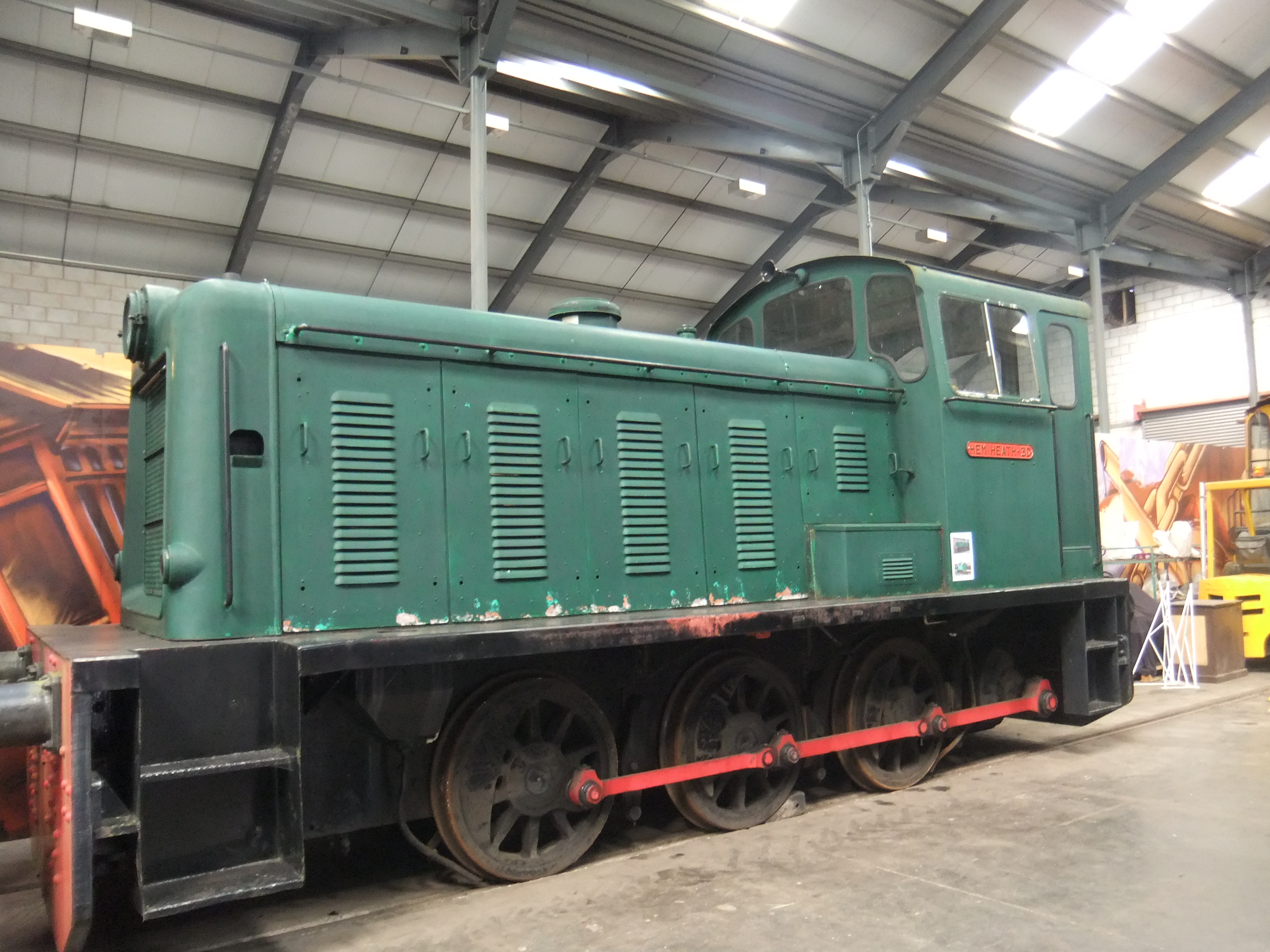
Next, one of 3 black and white photos of Asbestos, taken by Robin Stewart Smith in 1993, then a decorative brick – made in Birmingham ( we prefer colliery-made bricks but don’t turn many away!). Then a British Transport Commission blue enamelled sign and a Hem Heath lamp token, followed by Littleton Colliery Sidings signal box diagram. A couple of Midland Railway books next – 1 the MR on postcards and 2 an Illustrated History of Midland Wagons. A token from the Salop Miners’ Federation (1919) is next followed by another book – ‘The Signal Box’ by the Signalling Study Group, and finally for this time, a length of tram rail, given to us by Frank Jennings, a long-time friend of the railway. We don’t know where it’s from at the moment!
Posted in Museum & Artefacts
Tagged Aldridge, Bloxwich, Books, Brownhills, Burntwood, Chasewater Railway Museum, Cheslyn Hay, Great Wyrley, Hazel Slade, Heath Hayes, Hednesford, Lichfield, Norton Canes, Old Railway Lines, Pelsall, Photos, Staffordshire, Steam Trains, Tram Rail, Walsall, Walsall Wood, Wolverhampton
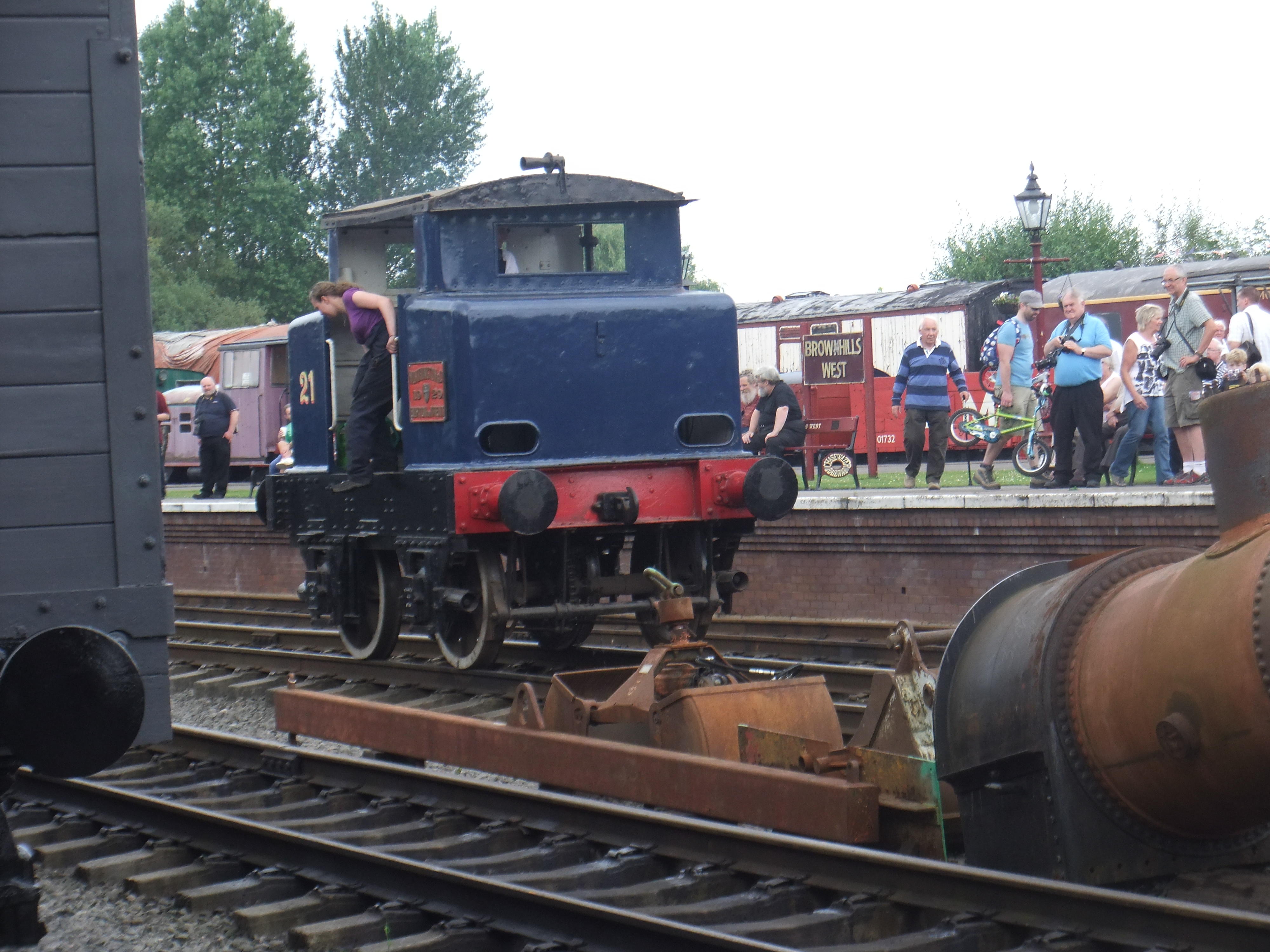
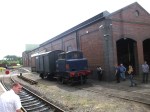
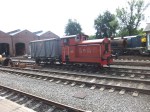
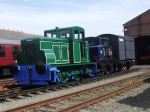
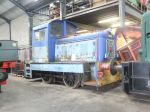
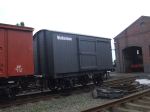
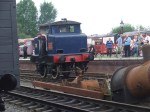
Just a thought about the tremendously successful Chasewater Railway ‘Burton Brewery Locomotive Day’. It was great to see some museum items ‘on active service’.
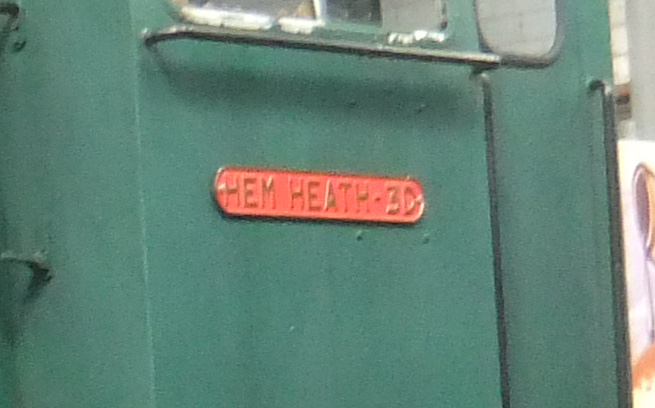
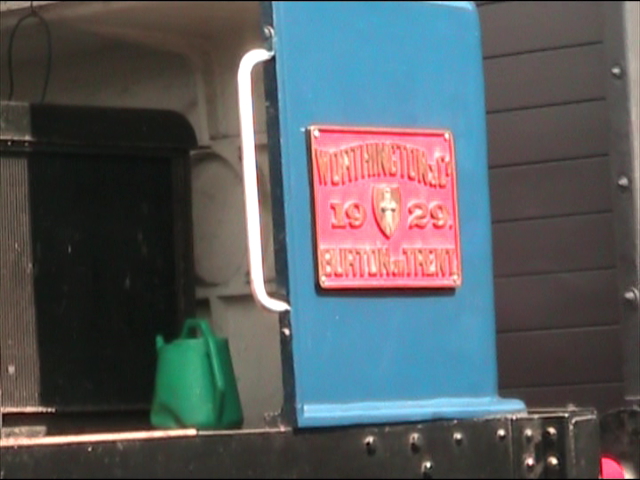
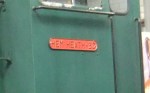
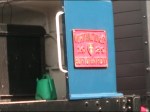
The Hem Heath plate and the Worthington nameplates were attached to their vehicles for the first time in some years.
These plates usually reside in the museum – it was great to see them put to their proper use!
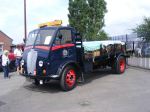
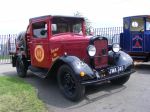
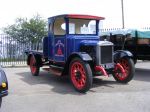
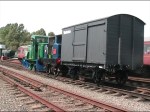
A gallery of more vehicles on display:
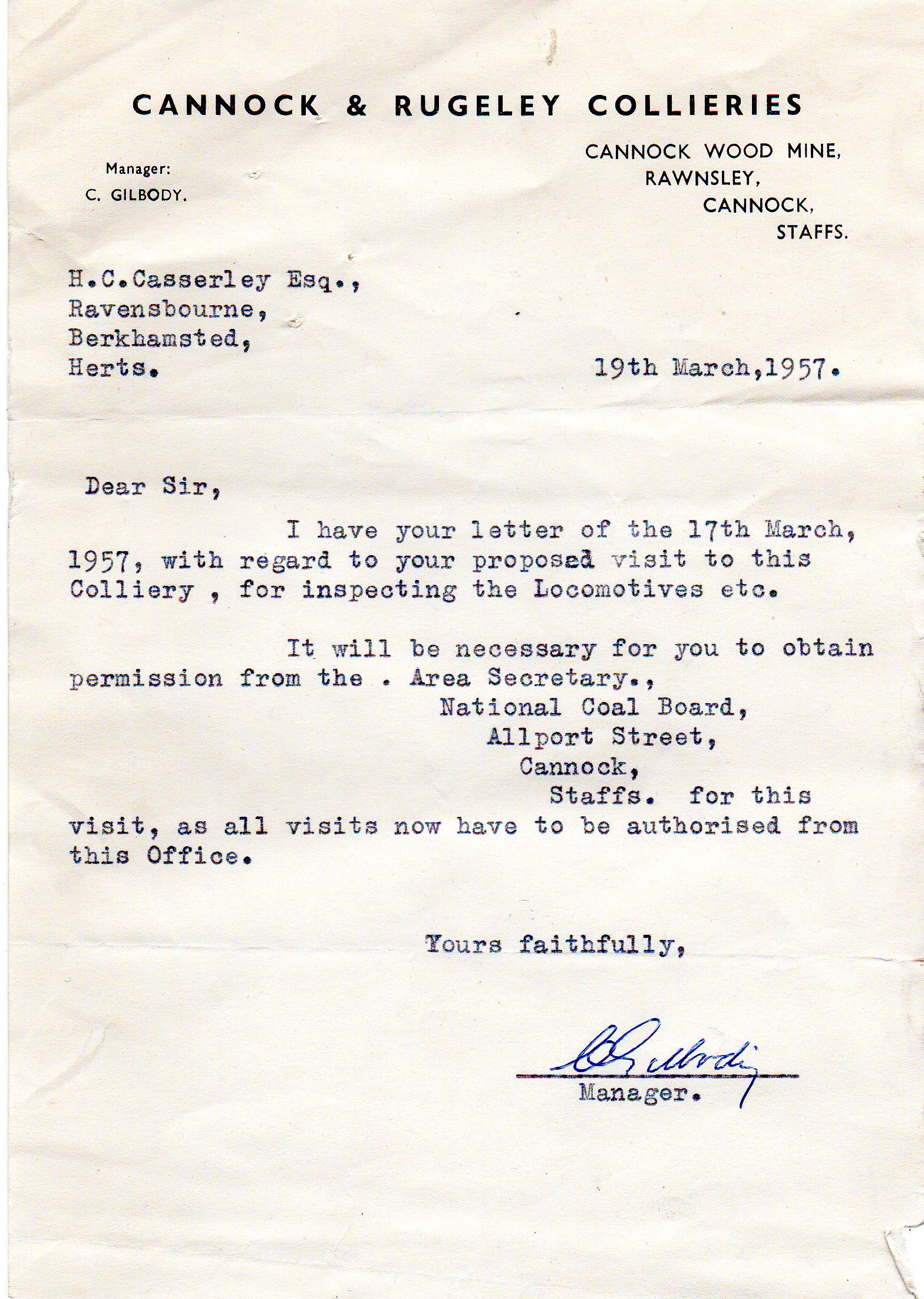
The Chasewater Railway Museum has been given a letter dated 1957 from the Cannock & Rugeley Collieries in reply to Mr. H.C.Casserley’s request for permission to visit the Colliery for photographing the locos, etc.
Mr. Casserley was a very highly regarded railway photographer who had many books published.
The letter was kindly donated to the Museum by Mr. Debens.

This was not to be his first visit to the Colliery as we have in our collection a photo taken by Mr. Casserley of the CRC loco ‘Birch’ dated 1946!
The coal industry was nationalised in 1947.
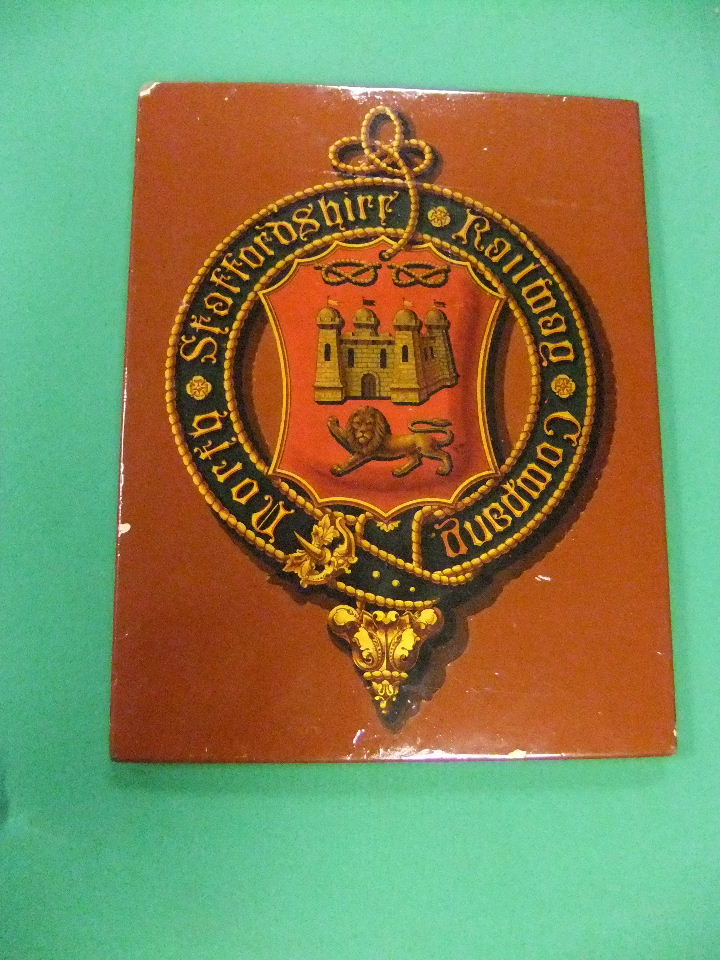
The first one, the North Staffordshire Railway Company Coat of Arms, we have had for a long time but has been kept in stores until recently.
The second one is a recent acquisition by our curator, a Rhymney Railway Coat of Arms.
The final one for now is a Chasewater Railway badge dated 1995, loaned to the Museum by a visitor from Burntwood after finding it at a Car Boot Sale.
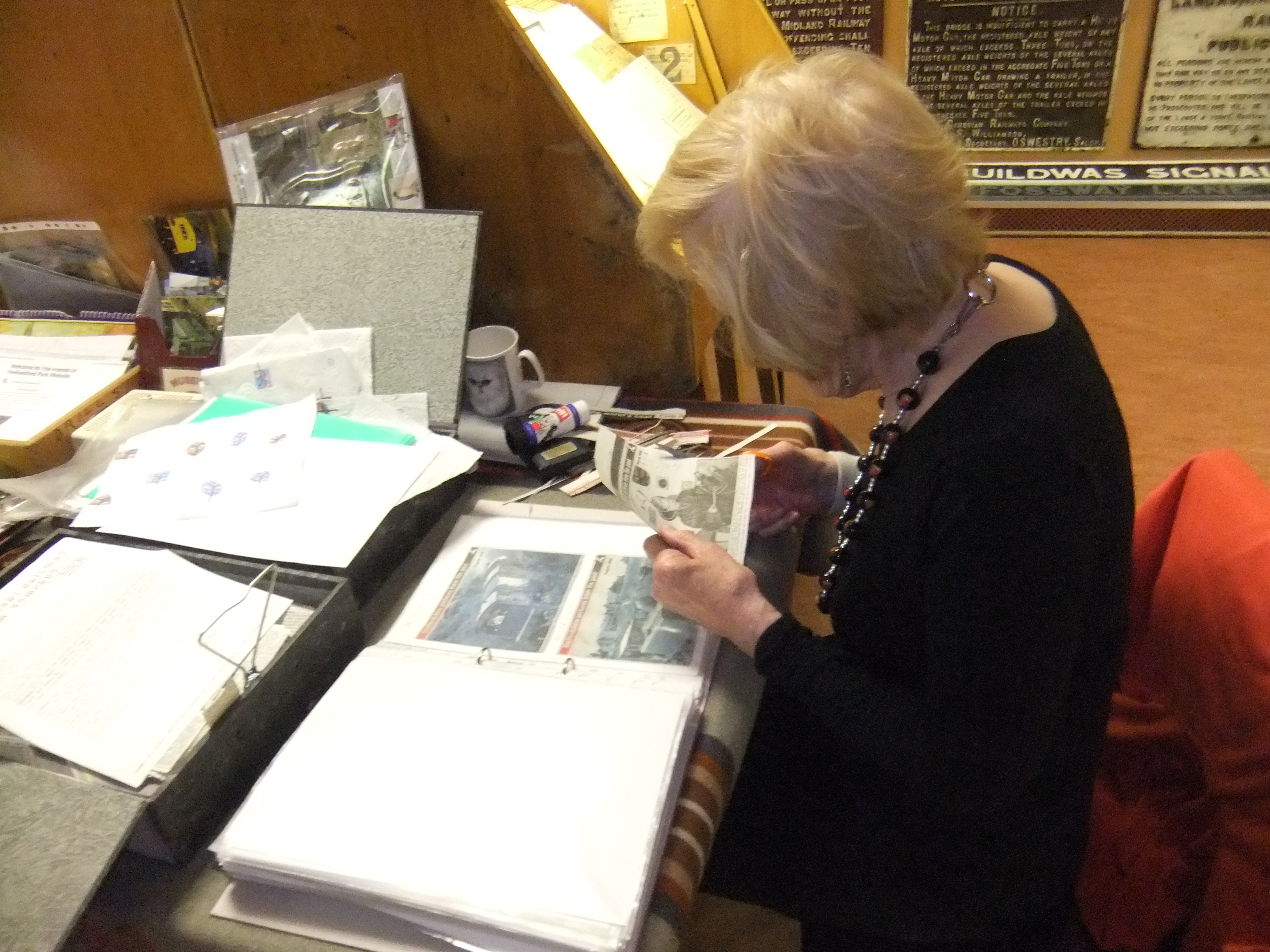
While Jo was doing her usual Tuesday stint on the museum scrapbook, a book, which was an anonymous donation over the weekend, came to light.
When Barry saw it, he recognised the book and the name of the author – Ken Judkins – a member of Chasewater Railway a long time ago. He had also seen a photo in the paper of the launch of the book in 1989, which Jo had put into the scrapbook.
A nice coincidence!
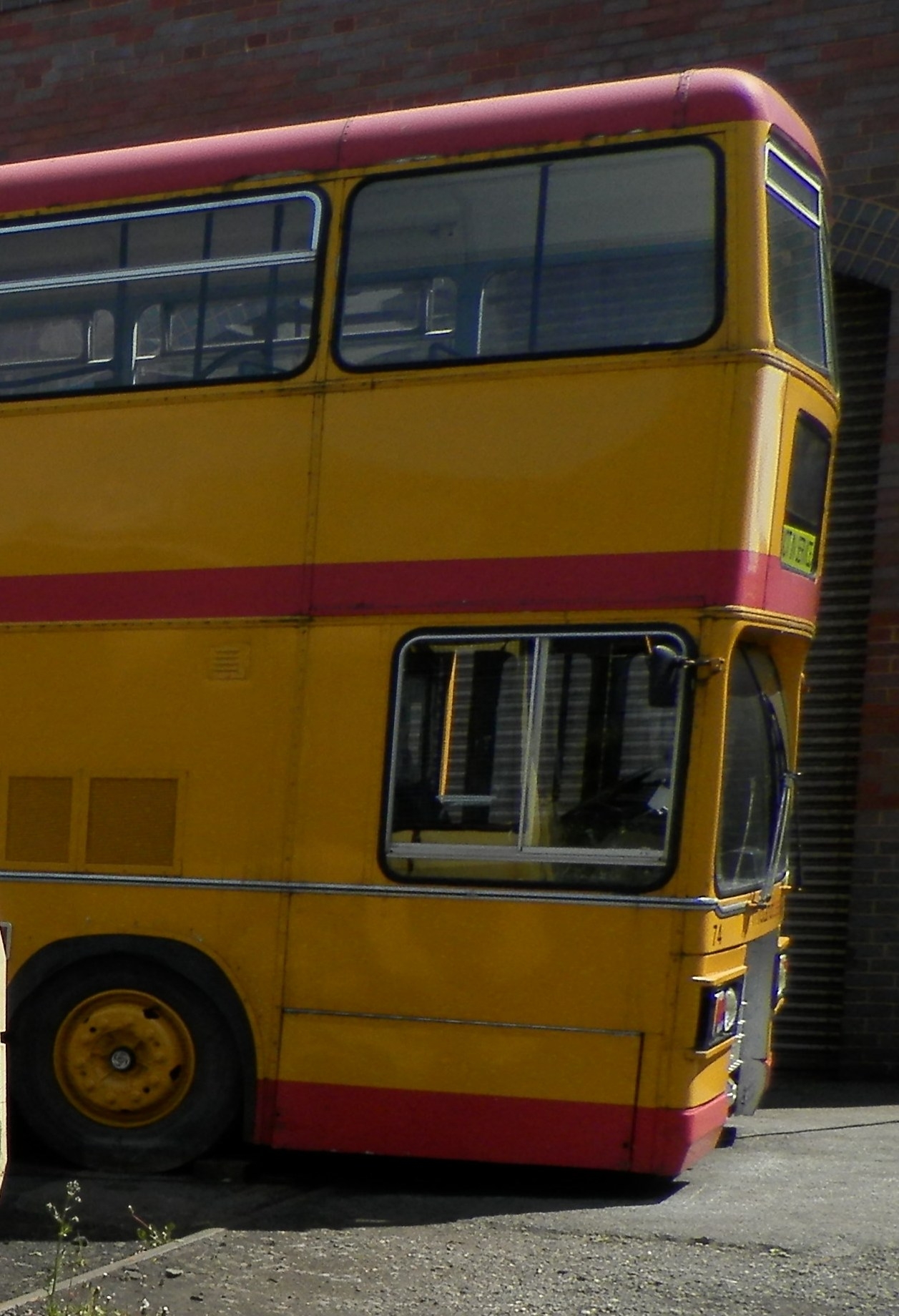
This vehicle was at Chasewater Railway for repairs to the engine, gear box, electrics, etc., etc., etc. (As the King of Siam once said!).
It has now left Chasewater fully renovated by the resident engineers
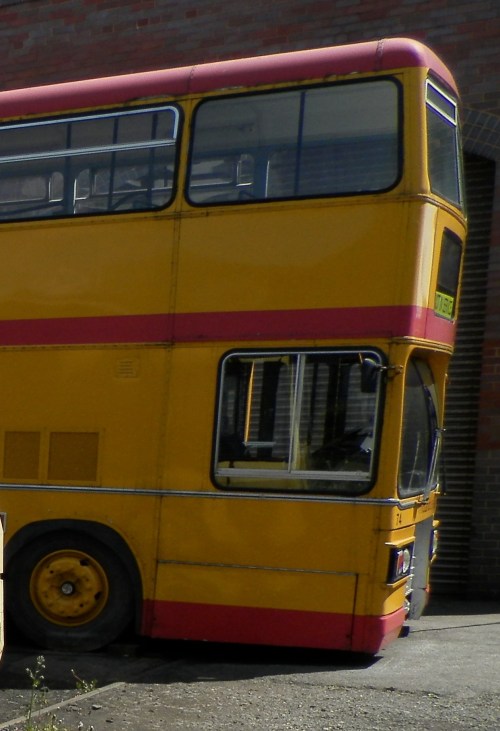
The 28th production Titan, it was part of the early batch built by the British Leyland subsidiary Park Royal Vehicles in Park Royal, London (later ones were built at Leyland’s expanded factory in the Lillyhall Industrial Estate, Workington). It’s one of the very few Titans that were not built for London Transport as part of their dual door T-class, instead being delivered new to the West Midlands Passenger Transport Executive, the local authority operator covering the West Midlands conurbation.
WMPTE took it as part of a batch of 5, (reg. WDA 1/2/3/4/5T), and numbered them in the series 7001-5. Unlike the London buses, it had a single door layout giving 47 seats upstairs, 26 down, and used a smaller destination blind box (the intended standard size being visible in the bodywork’s otherwise standard panelling). It also used four vertical blinds for the route numbers, on the front, side and rear, instead of the London designed blinds. The staircase was also further forward, meaning they didn’t have the small window on the lower deck over the driver’s side wheel arch. While at WMPTE, 7004 wore at least two versions of their blue and cream livery, having been repainted at Walsall works in 1982.

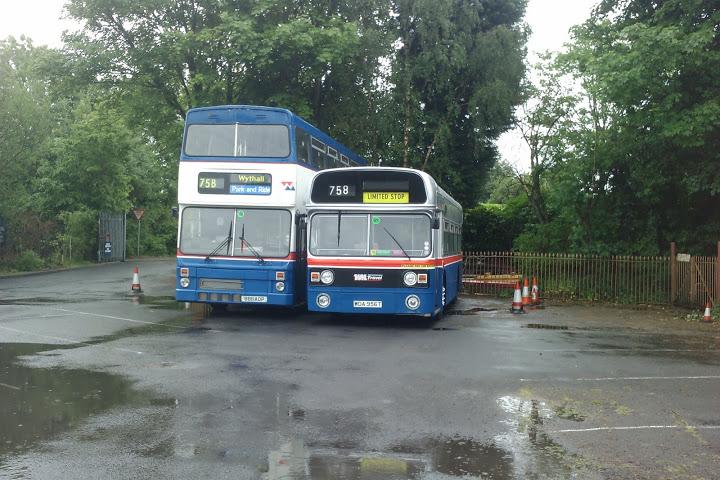
This bus usually resides at The Transport Museum, Chapel Lane, Wythall, Worcs, B47 6JX, and is at the Chasewater Railway for welding repairs to the chassis, the engine having been previously overhauled by Chasewater Railway’s engineers.
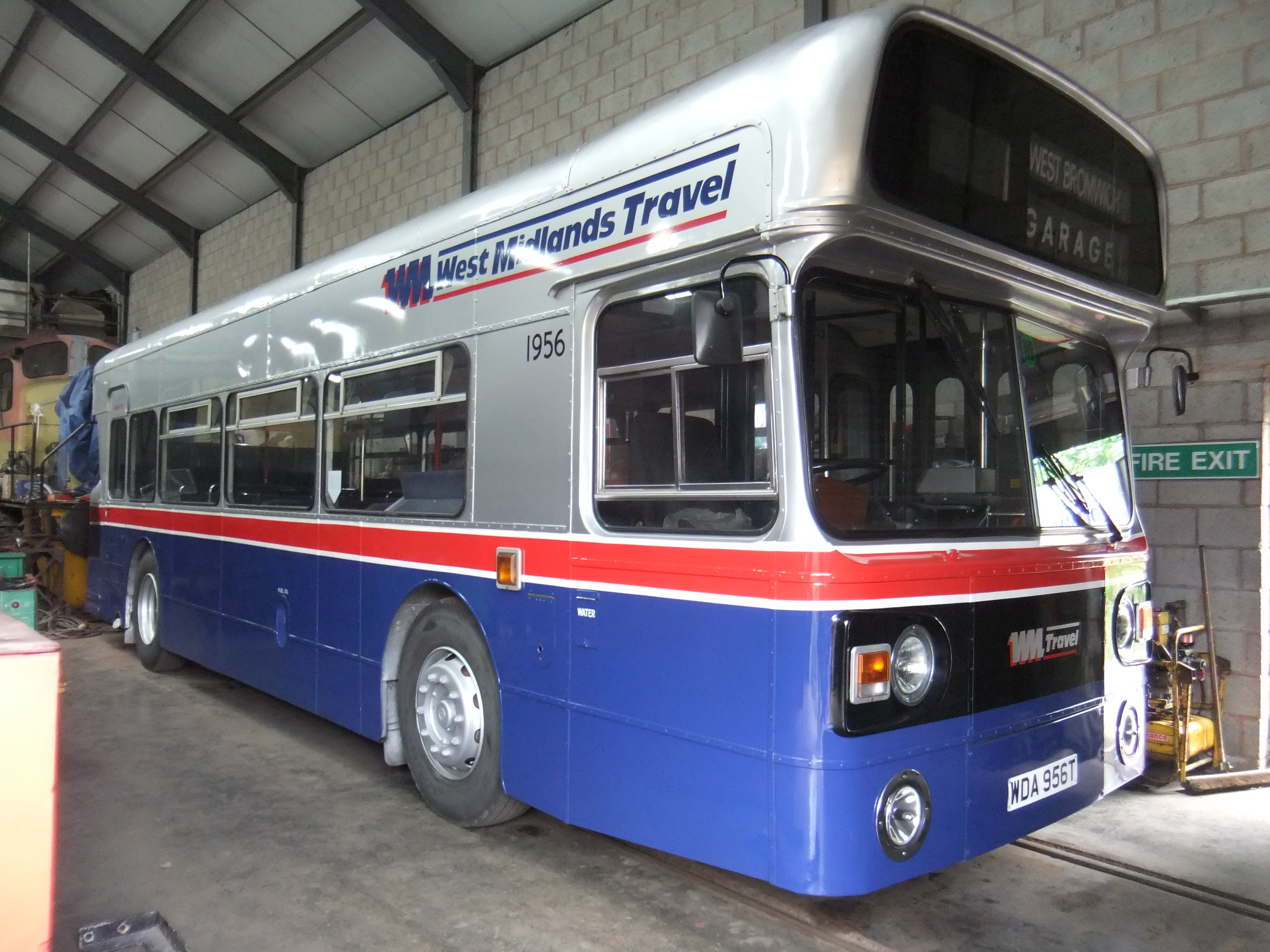
Although not a museum exhibit, this vehicle is a noteworthy addition in the Heritage Centre.

It is a Leyland Fleetline bus with a Gardner 6LX engine, and the original body – MCW DD. Fleet No.1956
It is now a single decked bus, having been converted from double decker by West Midlands Travel at the Green Lane Depot, Walsall in 1994, and is in WMT livery. This was a project for training mini-bus drivers to learn single deck operation, and there was a surplus of double deckers at the time.
Our curator has unearthed two maps of local lines, the Norton Branch and the LNWR Five Ways Branch
6″ scale map in card cover, dated 1903, shows (and entitled) Norton Branch, does, however, also show part of the MR Walsall Wood Extension and Chasewater

Two chains to the inch scale plan of the LNWR Five Ways Branch, 1897. Shows the entire branch in good detail