Tag Archives: Staffordshire

Chasewater Railway Museum – Midland Royal Saloon – A Happy Ending

Chasewater Railway Museum

The Midland Railway Royal Saloon – A Happy Ending

The previous post stated that this vehicle was at Derby on a long term loan, giving the impression that it still belonged to Chasewater Railway – this is not the case – this post explains subsequent events.

Midland Royal Saloon

This unique example of Midland Railway Regal coachbuilding has been purchased by the RPS (West Midlands District) from British Railways at a cost of £300. This was only possible with a loan of £240 from a generous member.
The loan is being paid back at the rate of £10 per month to this fine member, who wished to remain anonymous. His name was released at the AGM but to save further embarrassment, we will not mention it in these columns, but let it be ‘broadcast’ by word of mouth.
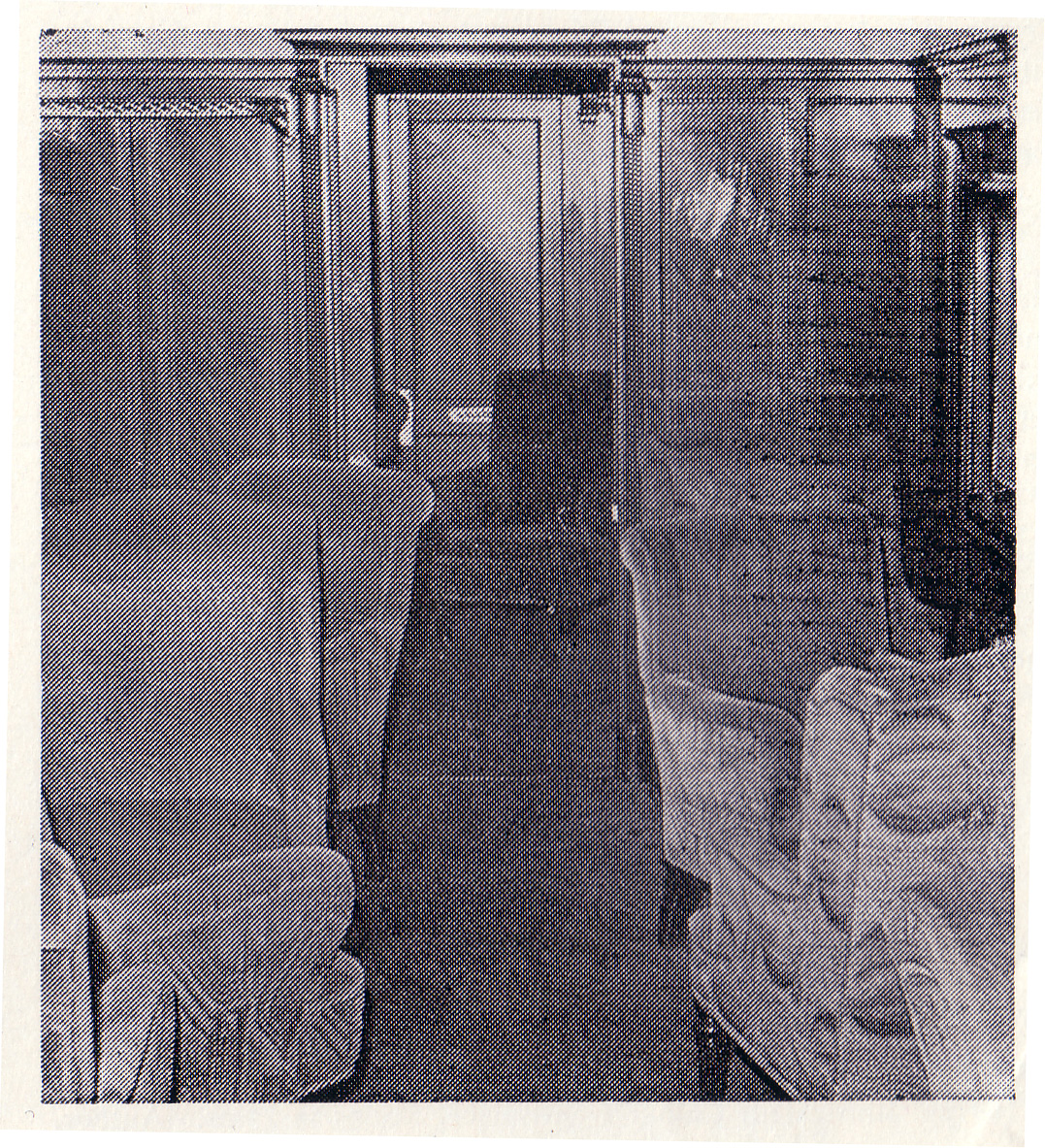
inside-royal-saloon 2Inside the Royal Saloon

The final item on the agenda was the consideration of an offer from the Midland Railway Trust based at Butterley for the purchase of our ex Midland Railway Royal Saloon Coach. The history of the coach was briefly outlined. The coach was on loan to Derby Corporation for a further 17 years and they had a 25 year option open to them after that.
The Trust have spent a considerable amount of money upon the coach so far and wish to finish the job properly but don’t feel able to unless the coach is their property. They reckon they will have spent well in excess of £10,000 on the coach by the time it is complete. Inside the Royal Saloon
As the Chasewater Light Railway Society was in a difficult position – in effect our hands were tied – it was decided to let the coach go. It was unlikely to come to Chasewater in the majority of our members’ lifetimes and, as in the case of the ‘E1’, if it had not been for the Railway Preservation Society then it would have gone to the scrap heap years ago, so at least some satisfaction could be derived from that. The coach is to be exchanged for the following:-
1. £600 in cash

2. Equipment surplus to the Midland Railway Trust’s needs, such as crossing gates, signals, ancillary equipment, etc., but in demand at Chasewater – to the value of £1,000 plus

3. The ex Walsall Gas Works Sentinel Locomotive (S9632/1957) plus spares, which will be in working order when it arrives at Chasewater, hopefully before Easter.
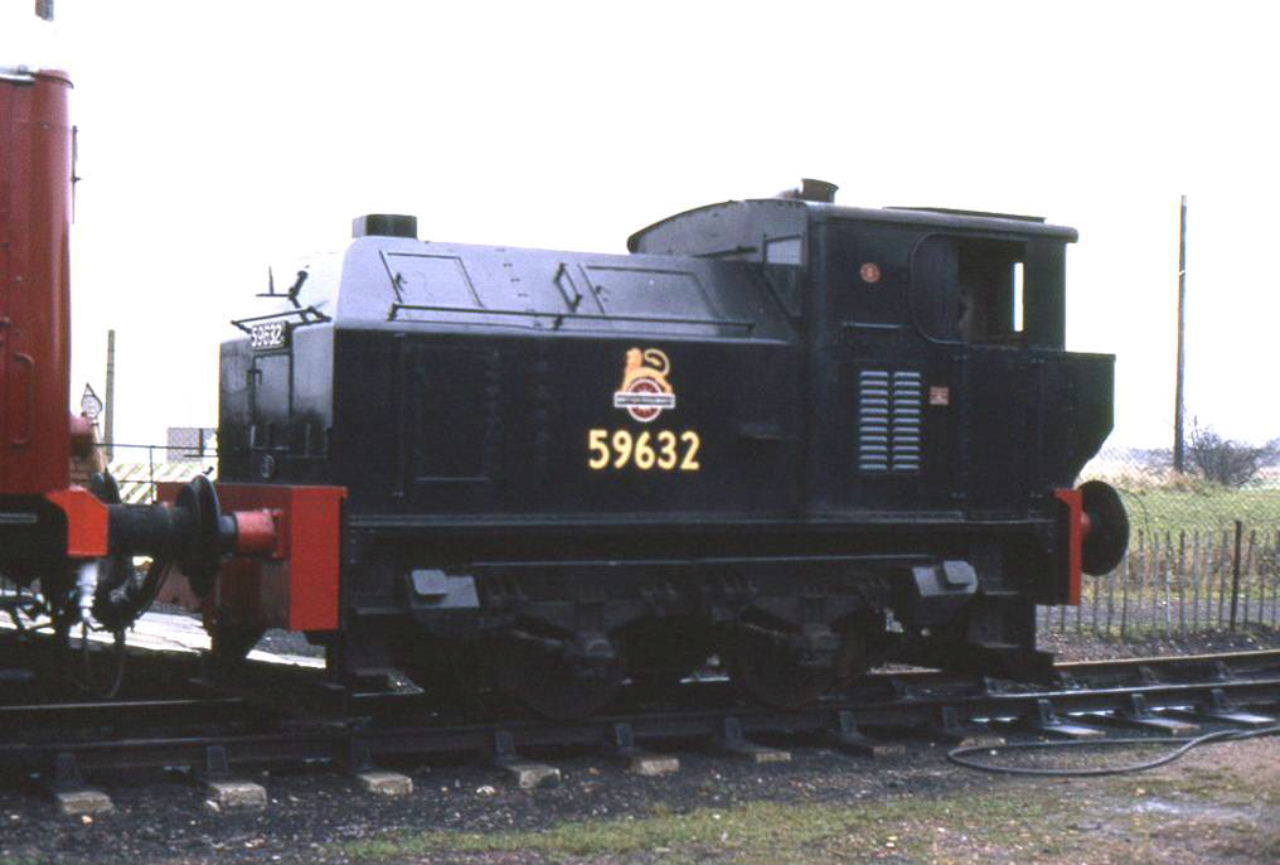
december-1989-sentinel-2Sentinel 1989

Chasewater Railway Museum – Latest Acquisition

Chasewater Railway Museum

Latest Acquisition

2014_08190084

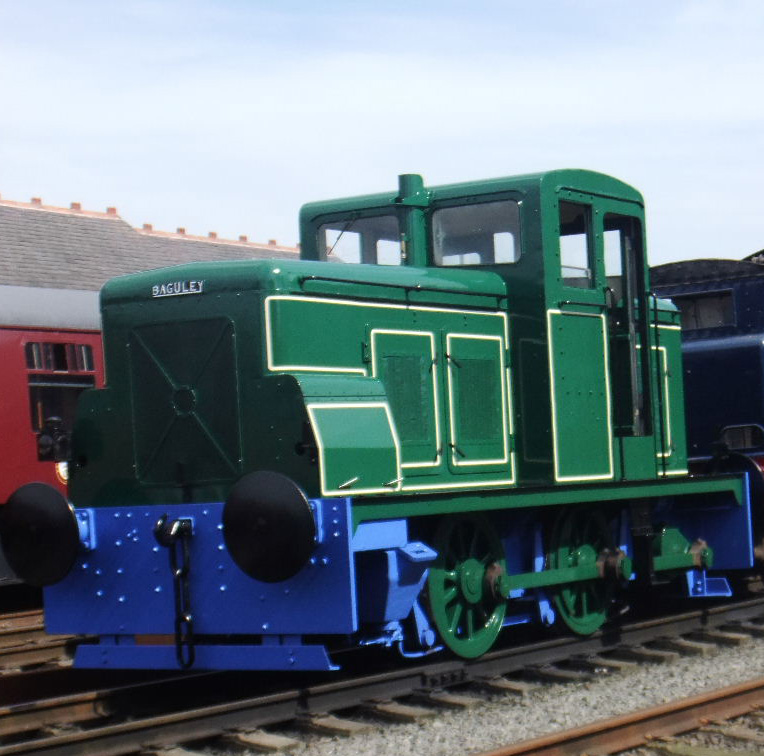
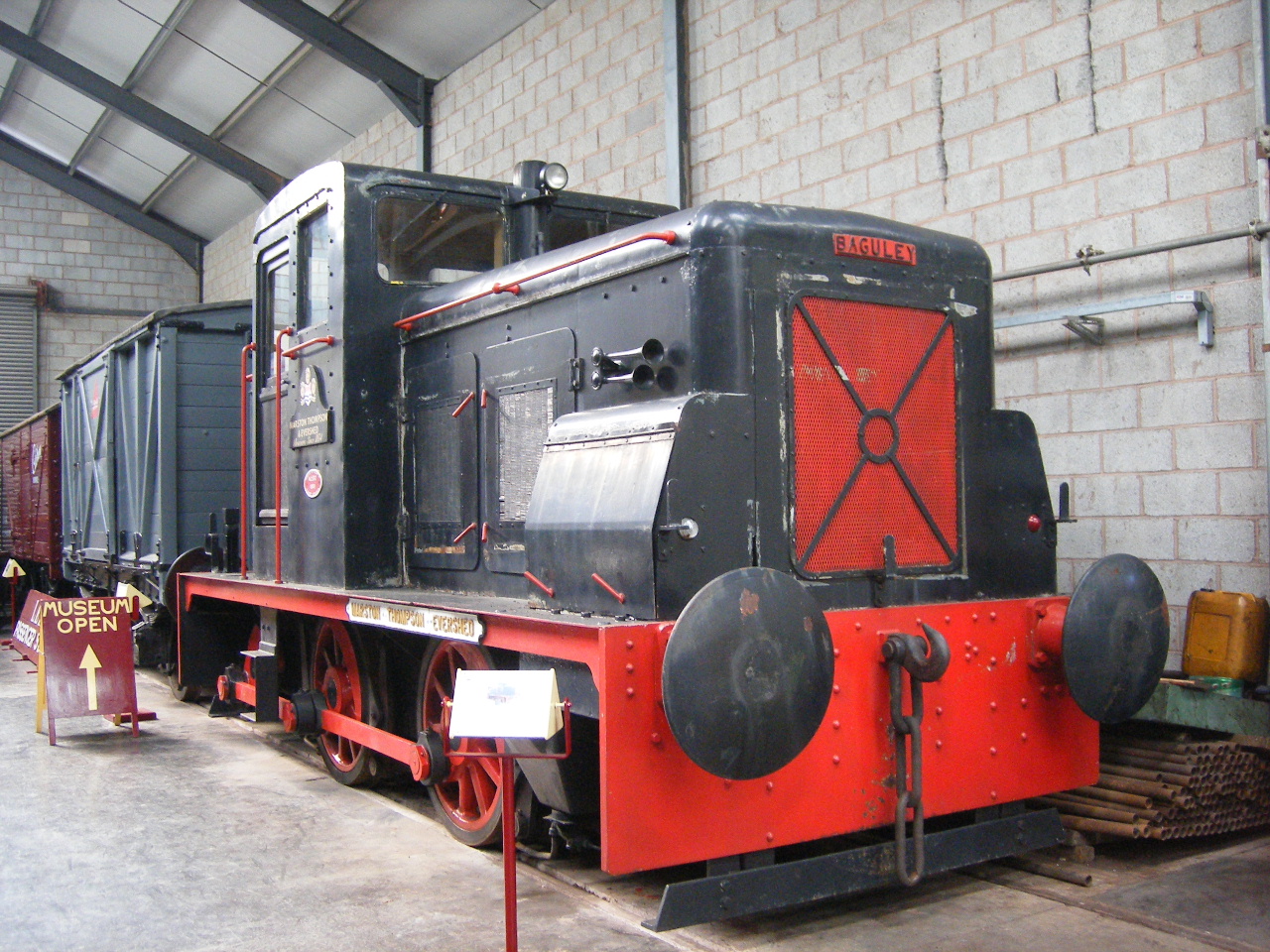
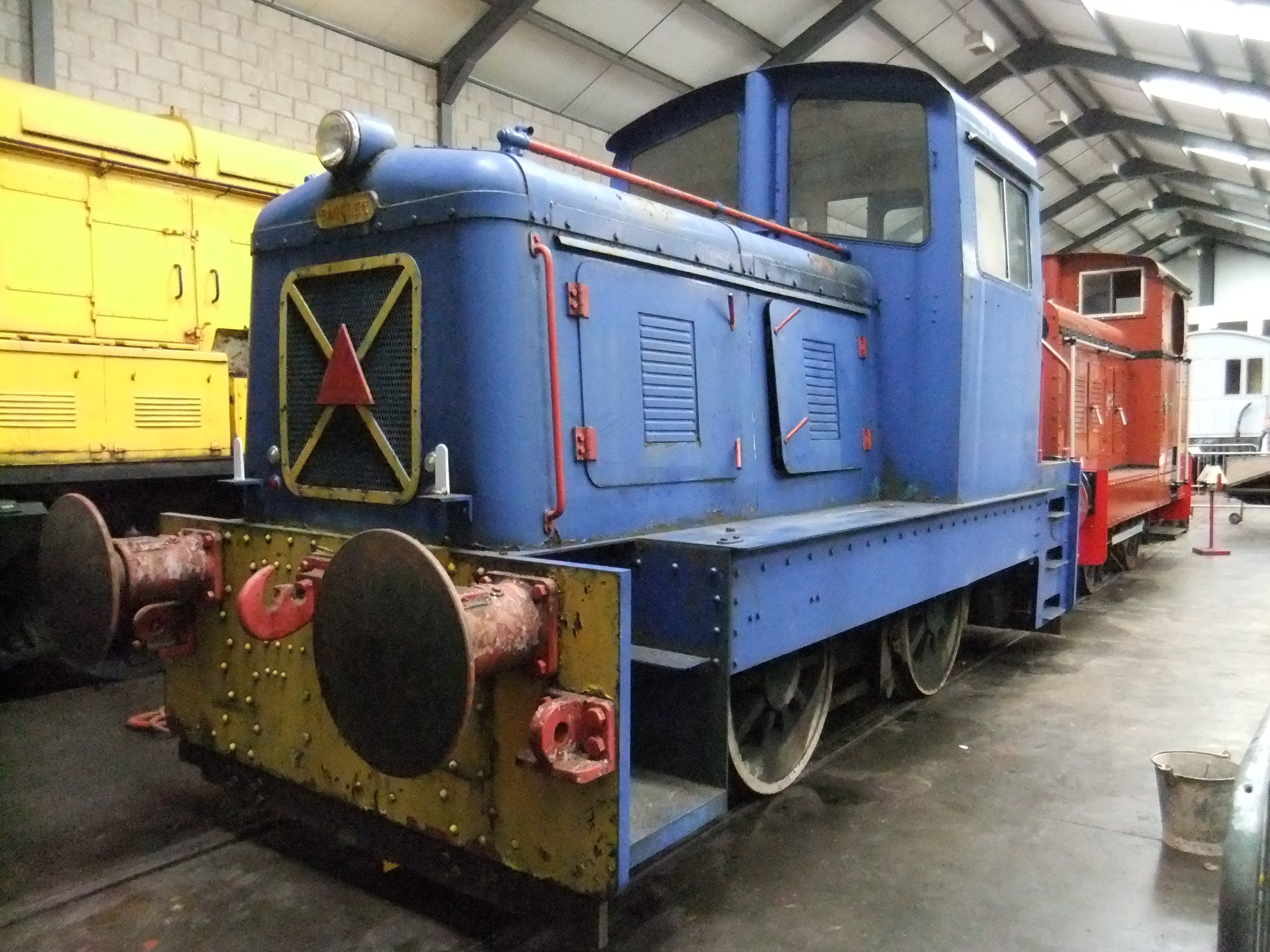
An acquisition from the Great Central Railwayana Auction at Bloxham on Saturday 16th August, 2014 was the worksplate off Baguley 3410 of 1955, the ex Marston, Thompson and Evershed Ltd four coupled 150 hp diesel locomotive which resides at Chasewater.
The plate sold was from the collection of the late Keith Buckle of Solihull, whose fine collection is being disposed of by GCR Auctions.

Below are 2 photographs of the loco

Marstons Crop2010_08310010Before and after repaint

Chasewater Railway Museum – More New Items

Chasewater Railway Museum 

More New Items

Books, bricks, pay tokens, even a chunk of tram rail – all sorts coming into the museum.

A quick explanation of these items: the first book is the TPO one mentioned on the chasewaterstuff blog, the next Volume 2 of a Century of (local) Railways – a bit of luck, we already have Volume 1.

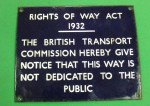
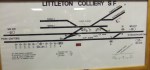
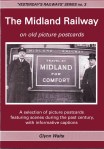
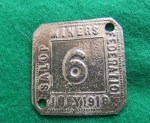
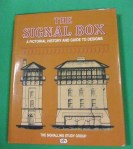
Next, one of 3 black and white photos of Asbestos, taken by Robin Stewart Smith in 1993, then a decorative brick – made in Birmingham ( we prefer colliery-made bricks but don’t turn many away!).  Then a British Transport Commission blue enamelled sign and a Hem Heath lamp token, followed by Littleton Colliery Sidings signal box diagram.  A couple of Midland Railway books next – 1 the MR on postcards and 2 an Illustrated History of Midland Wagons.  A token from the Salop Miners’ Federation (1919) is next followed by another book – ‘The Signal Box’ by the Signalling Study Group, and finally for this time, a length of tram rail, given to us by Frank Jennings, a long-time friend of the railway.  We don’t know where it’s from at the moment!

Chasewater Railway Museum – three new items

Chasewater Railway Museum

Three new items

DSCF9001

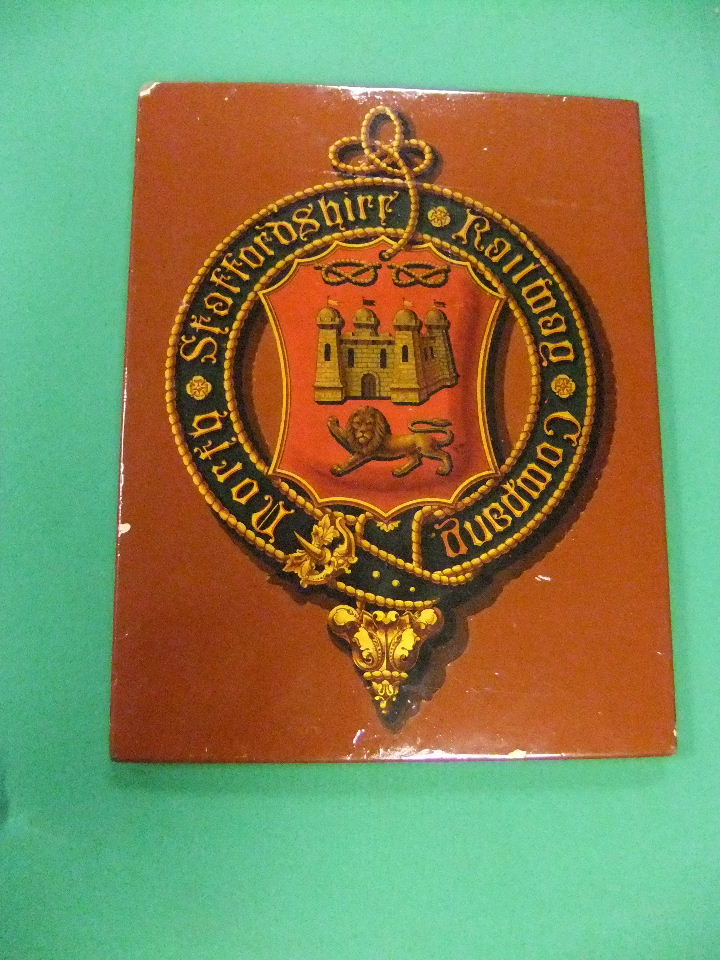
The first one, the North Staffordshire Railway Company Coat of Arms, we have had for a long time but has been kept in stores until recently.

DSCF9039

The second one is a recent acquisition by our curator, a Rhymney Railway Coat of Arms.


DSCF9004

The final one for now is a Chasewater Railway badge dated 1995, loaned to the Museum by a visitor from Burntwood after finding it at a Car Boot Sale.

Keep your eyes open folks!!

Chasewater Railway Museum – One from the scrapbook

Chasewater Railway Museum

One from the scrapbook

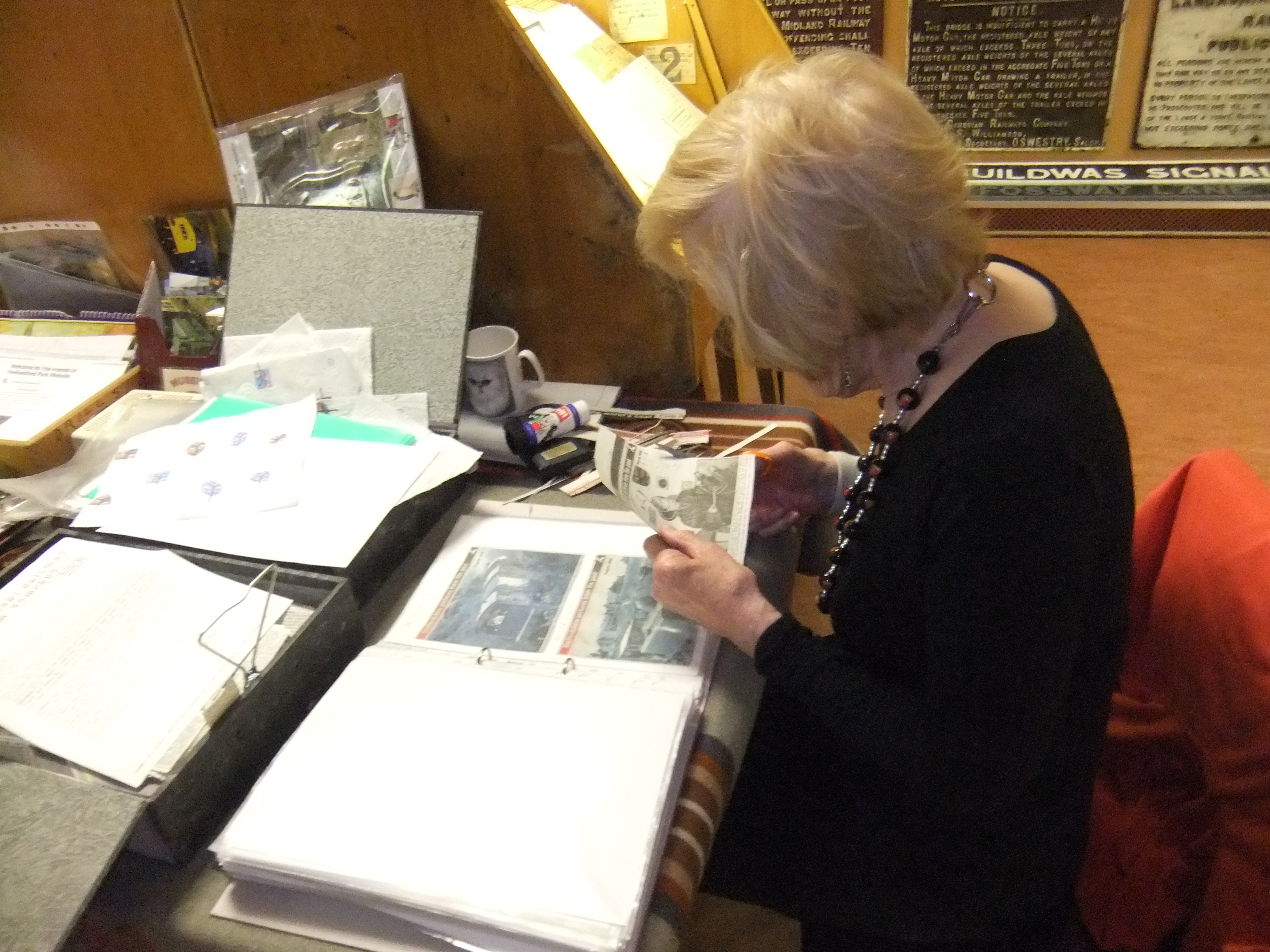
While Jo was doing her usual Tuesday stint on the museum scrapbook,  a book, which was an anonymous donation over the weekend, came to light.DSCF9036

DSCF9009When Barry saw it, he recognised the book and the name of the author – Ken Judkins – a member of Chasewater Railway a long time ago.  He had also seen a photo in the paper of the launch of the book in 1989, which Jo had put into the scrapbook.Ken Judkins

A nice coincidence!

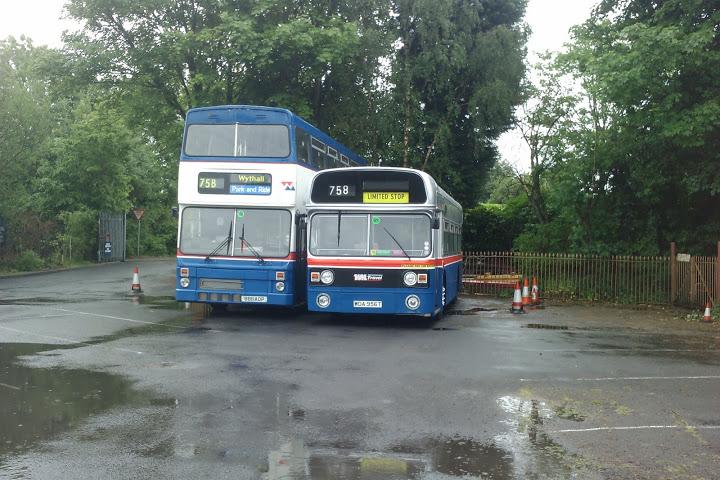
Chasewater Railway Museum Temporary Addition – West Midland Transport single decker bus. Reg. No. WDA 596T (1978)

Chasewater Railway Museum

DSCF9009

Temporary Addition – West Midland Transport single decker bus.
Reg. No. WDA 596T (1978)

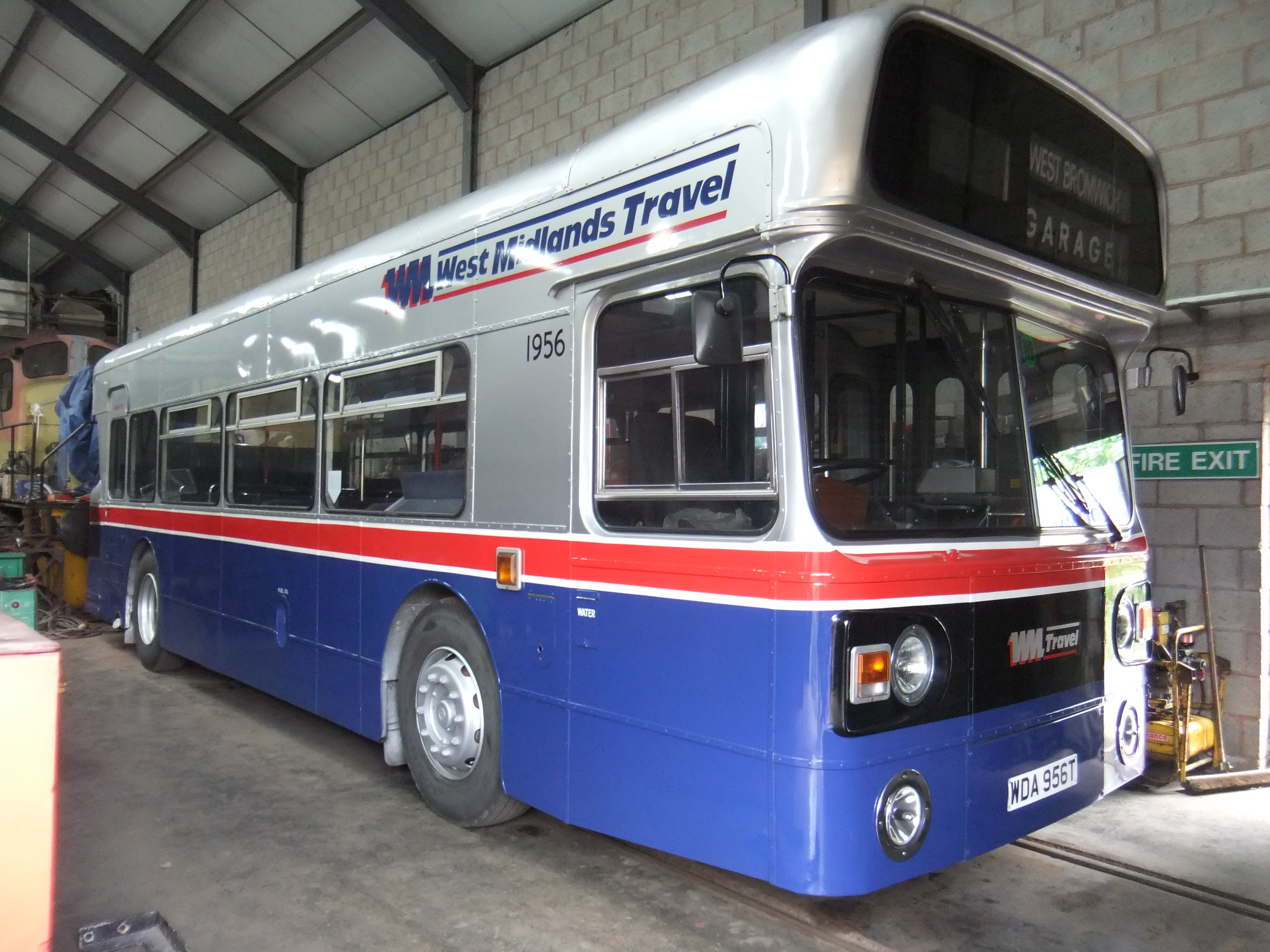
This bus usually resides at The Transport Museum, Chapel Lane, Wythall, Worcs, B47 6JX, and is at the Chasewater Railway for welding repairs to the chassis, the engine having been previously overhauled by Chasewater Railway’s engineers.

Although not a museum exhibit, this vehicle is a noteworthy addition in the Heritage Centre.

bus 2
It is a Leyland Fleetline bus with a Gardner 6LX engine, and the original body – MCW DD. Fleet No.1956
It is now a single decked bus, having been converted from double decker by West Midlands Travel at the Green Lane Depot, Walsall in 1994, and is in WMT livery. This was a project for training mini-bus drivers to learn single deck operation, and there was a surplus of double deckers at the time.

bus cropped
http://www.bammot.org.uk/wm.asp

Chasewater Railway Museum – Two more local finds

Chasewater Railway Museum

Two more local finds

Our curator has unearthed two maps of local lines, the Norton Branch and the LNWR Five Ways Branch

to blog

6″ scale map in card cover, dated 1903, shows (and entitled) Norton Branch, does, however, also show part of the MR Walsall Wood Extension and Chasewater

to blog 5 ways
Two chains to the inch scale plan of the LNWR Five Ways Branch, 1897. Shows the entire branch in good detail

to blog 3

Chasewater Railway Museum – New Items, Including one from Brownhills

Chasewater Railway Museum

New Items, Including one from Brownhills

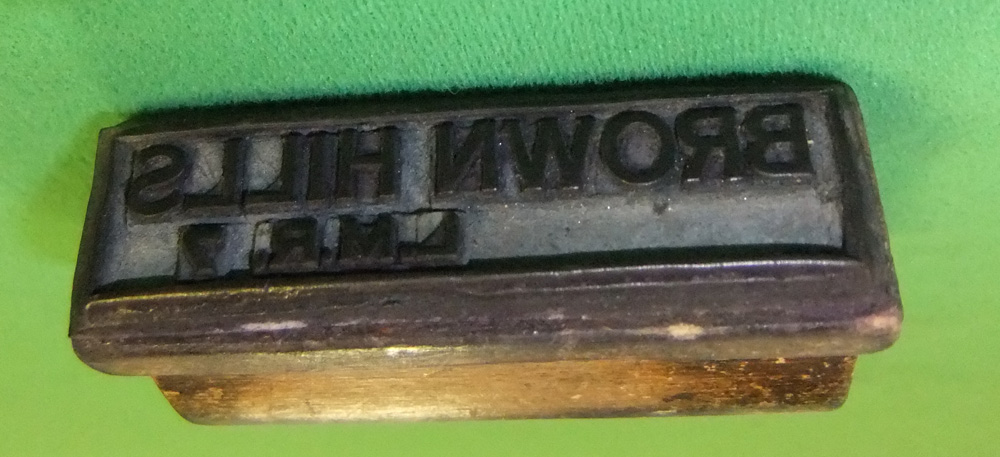
The first is a rubber stamp – marked ‘Brownhills LMR 7’ – and it’s not very often that we see something quite so local!

StampImpressionThis was given to the Museum by Colin Marklew of Brownhills and came from the Brownhills Station goods yard off the Pelsall Road.  Many thanks Colin.

From B-Hills bridge towards WalsallPhoto taken from Brownhills bridge looking towards Pelsall

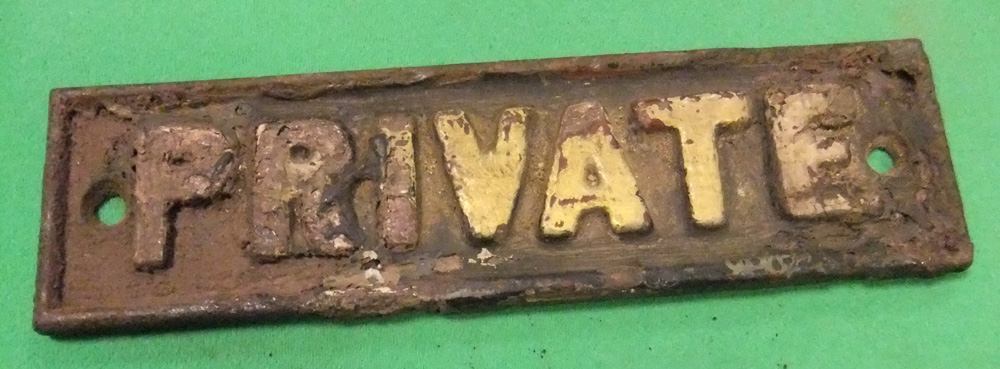
The next item is a cast iron sign ‘Private’ given to the Museum by David Townsend from Wednesfield, who has helped us in the past – thanks again David.

PrivateThis was found in the burned out remains of Essington Wood sjgnal box.

Finally – a reminder of the latest book from the Cannock Chase Mining Historical Society – ‘Cannock Old Coppice Colliery’ (Hawkins Colliery  1875 – 1960)

Now on sale in the Museum – Price £10.00

Book


Chasewater Railway’s Diesel Locos – Bass No.11

Chasewater Railway’s Diesel Locos

Bass No.11

DSCF9083Monday March 31st 2014 saw the latest locomotive to arrive at Chasewater, this being a 107 hp 0-4-0 diesel built by Baguley of Burton-on-Trent, works number 3590 of 1962. The loco was delivered new to the brewery giant ‘Bass’ again, of course, in Burton-on-Trent. The loco cost £8,939 new. Eventually Bass discontinued use of their railway system but No.11, as the loco had become in the fleet at Bass, being relatively new was sold on for further use at Wagon Repairs Ltd., Port Tennant, West Glamorgan, leaving for its new home in March 1968.
In 1998 the loco was sold to Staffordshire Locos and eventually resold again to Mr. Trevor Smith, who kept it in his yard off Engine Lane, Lye.
The loco has been purchased and eventually will see further use at Chasewater.
Some of the above information was taken from the excellent Industrial Railway Society publication ‘Burton Brewery Railways’, author Cliff Shepherd.
Barry Bull – Chasewater Railway Museum

The Latest Addition to the Chasewater Railway Museum Loan Items

The Latest Addition to the

Chasewater Railway Museum Loan Items

Today, March 6th 2014, The Chasewater Railway Museum received a visit from members of the Industrial Railway Society.  The principal reason for this visit was for the IRS to receive, on loan, a nameplate from the locomotive ‘Rothervale No.0’ from Mr. Bernard Mettam, and in turn, and with Mr. Mettam’s approval, place it on loan with the Chasewater Railway Museum.

 Rothervale No.0 Nameplate

 DSCF9297

The above pic was taken on arrival, the one below was taken on 16-6-2015, after a little(!) attention from Pete Stamper.DSCF0792

‘Many industrial locomotives are names or numbered for identification purposes, or sentimental reasons.  For various reasons very few were given the number ’0’.  Perhaps the most famous in this category was locomotive ‘Rothervale No.0’ whose nameplate is displayed here.  The locomotive was cut up in October 1959, but fortunately both nameplates were rescued by Mr. Bernard Mottram.

The locomotive, an 0-6-0 inside cylindered saddle tank, was built in 1879 by Beyer Peacock (works number 1830) in Manchester and became No.1 on the East & West Junction Railway, which later (1909) became part of the Stratford-upon-Avon and Midland Junction Railway.  In April 1890 the loco was sold to the Rothervale Collieries Ltd. and carried its new name ‘Rothervale No.1’ on a pair of cast brass nameplates attached, one on each side, to the saddle tank.  The loco was employed at Treeton Colliery located in the River Rother Valley just to the east of Sheffield.

Further locos were acquired by the colliery and named in a similar manner, i.e. ‘Rothervale No.’ followed by a single digit up to ‘9’, in the order of arrival.  In 1929 a new outside cylinder 0-6-0 saddle tank adorned with the cast nameplates ‘Rothervale No.1’ was delivered from the Yorkshire Engine Co.  It is possible that a mistake was made and it should have been ‘No.10’, (following No.9).  Confusion could now arise because there were two ‘No.1s’ at Treeton.  One of them had to be renumbered and there was space for a single digit only on the nameplate.  The decision was taken to renumber the Beyer Peacock to ‘No.0’, possibly because it was an earlier build than the Yorkshire.  The ‘1’ was chiselled or ground off the nameplate and replaced by a brass ‘0’ digit screwed on in the space created.  Brass ‘0’digits, slightly smaller then those on the nameplate were also attached to cab side sheets.

DSCF9294

The photograph was taken on 12th March 1955 at Treeton Colliery by Mr. Bernard Mettam, to whom the Chasewater Railway Museum is indebted, by way of the Industrial Railway Society, for the loan of this most unusual nameplate.

Thanks are due to Mr. Adrian Booth for some of the above information.’

DSCF9304

After the presentation of the nameplate by Bernard Mettam to Ian Bendall of the IRS, ( with the Railway’s Mr Bull waiting patiently!) the group adjourned to the Sidings Tea Room to enjoy one of Craig Wilkinson’s excellent Carvery Lunches.

The Industrial Railway Society also  extended the existing loan agreement for the Eric Tonks Collection for a further two years.

The Chasewater Railway Museum is most grateful and proud to house all of these items.

IRS Coll