Tag Archives: Old Railway Lines

Chasewater Railway Museum – From the Archives Folder

Chasewater Railway Museum 

From the Archives Folder

In the museum there are a lot of boxes containing archive paperwork, but these boxes have already been cleaned, dried and sorted by David Bathurst before I enter them on our database.  This folder is different – and so are the contents.  The boxes are sorted into companies but the folder isn’t!  When I first saw it, I thought that it was a folder of luggage labels – straight forward – but as I turned the pages I could see that not only were they not all luggage labels but they were also from different companies,  this made life more difficult as it was not straightforward but also a lot more interesting, with some companies I had never heard of and all sorts of information – I just had to read them all to see what they were all about!

Luggage Labels

Luggage Labels

I thought that they were all luggage labels like these!

Then the next one came along, an 1874 quote for rates to carry manure!!  I have stared at the word long and hard and can’t think of anything else it could be.

10393

Then came the Great Western Horse Department!

10394

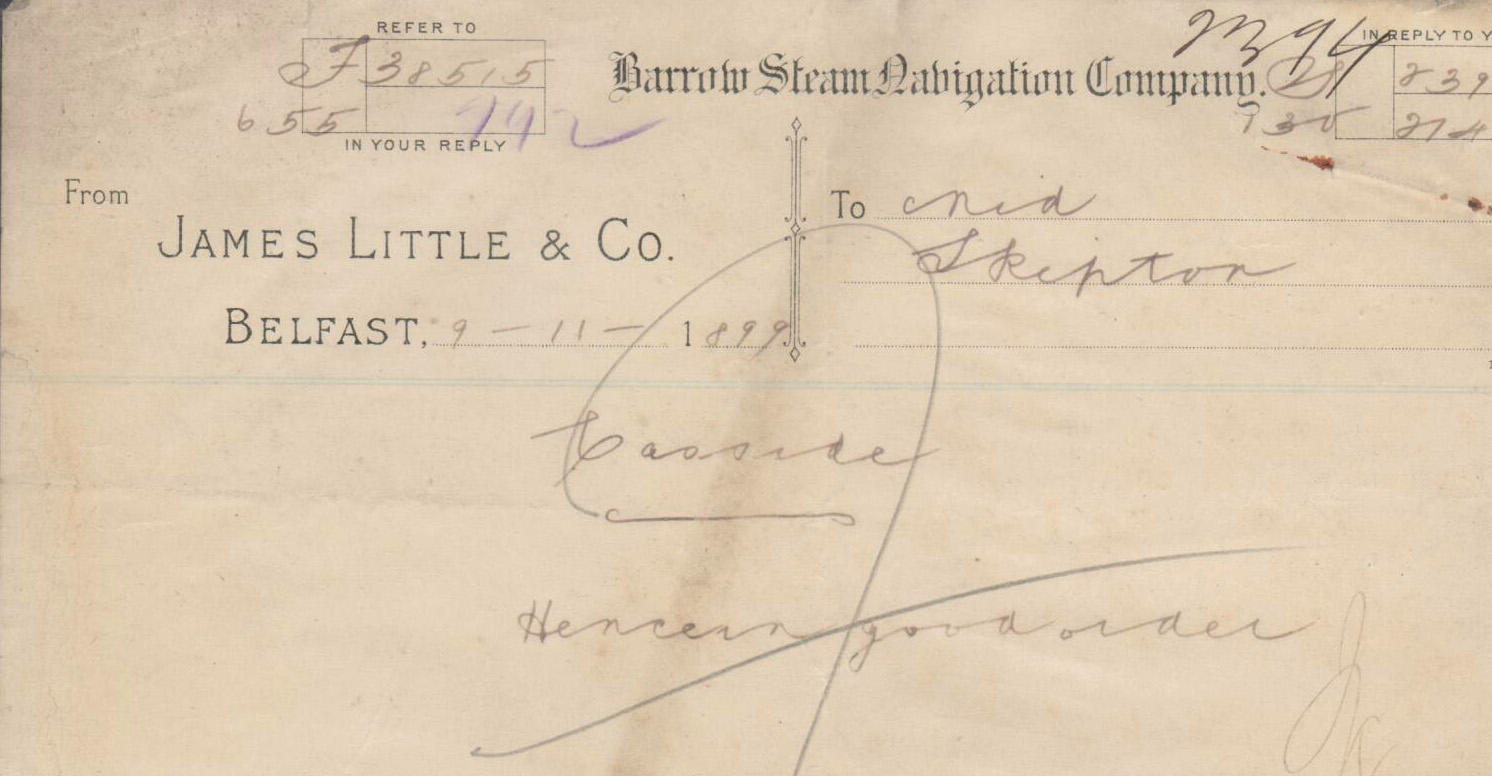
Now,  an advice note from the Barrow Steam Navigation Company, dated 1899, for transport from Belfast to Skipton.
10395.1

And finally for this time, an 1876  enquiry from the Bristol & Exeter Railway Company about the cost of transport from Staffordshire.  Asking how the 9/7 is made up.  That’s the old money version, in new money it’s 48p!

10395.2

Chasewater Railway Museum – More New Items

Chasewater Railway Museum 

More New Items

Books, bricks, pay tokens, even a chunk of tram rail – all sorts coming into the museum.

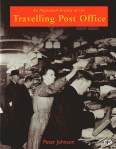
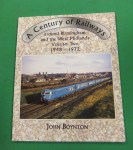
A quick explanation of these items: the first book is the TPO one mentioned on the chasewaterstuff blog, the next Volume 2 of a Century of (local) Railways – a bit of luck, we already have Volume 1.

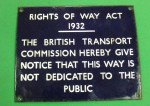
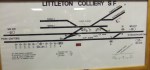
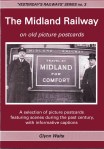
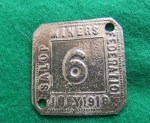
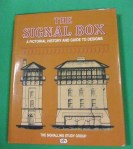
Next, one of 3 black and white photos of Asbestos, taken by Robin Stewart Smith in 1993, then a decorative brick – made in Birmingham ( we prefer colliery-made bricks but don’t turn many away!).  Then a British Transport Commission blue enamelled sign and a Hem Heath lamp token, followed by Littleton Colliery Sidings signal box diagram.  A couple of Midland Railway books next – 1 the MR on postcards and 2 an Illustrated History of Midland Wagons.  A token from the Salop Miners’ Federation (1919) is next followed by another book – ‘The Signal Box’ by the Signalling Study Group, and finally for this time, a length of tram rail, given to us by Frank Jennings, a long-time friend of the railway.  We don’t know where it’s from at the moment!

Chasewater Railway Museum – an interesting letter.

Chasewater Railway Museum – an interesting letter.

10377

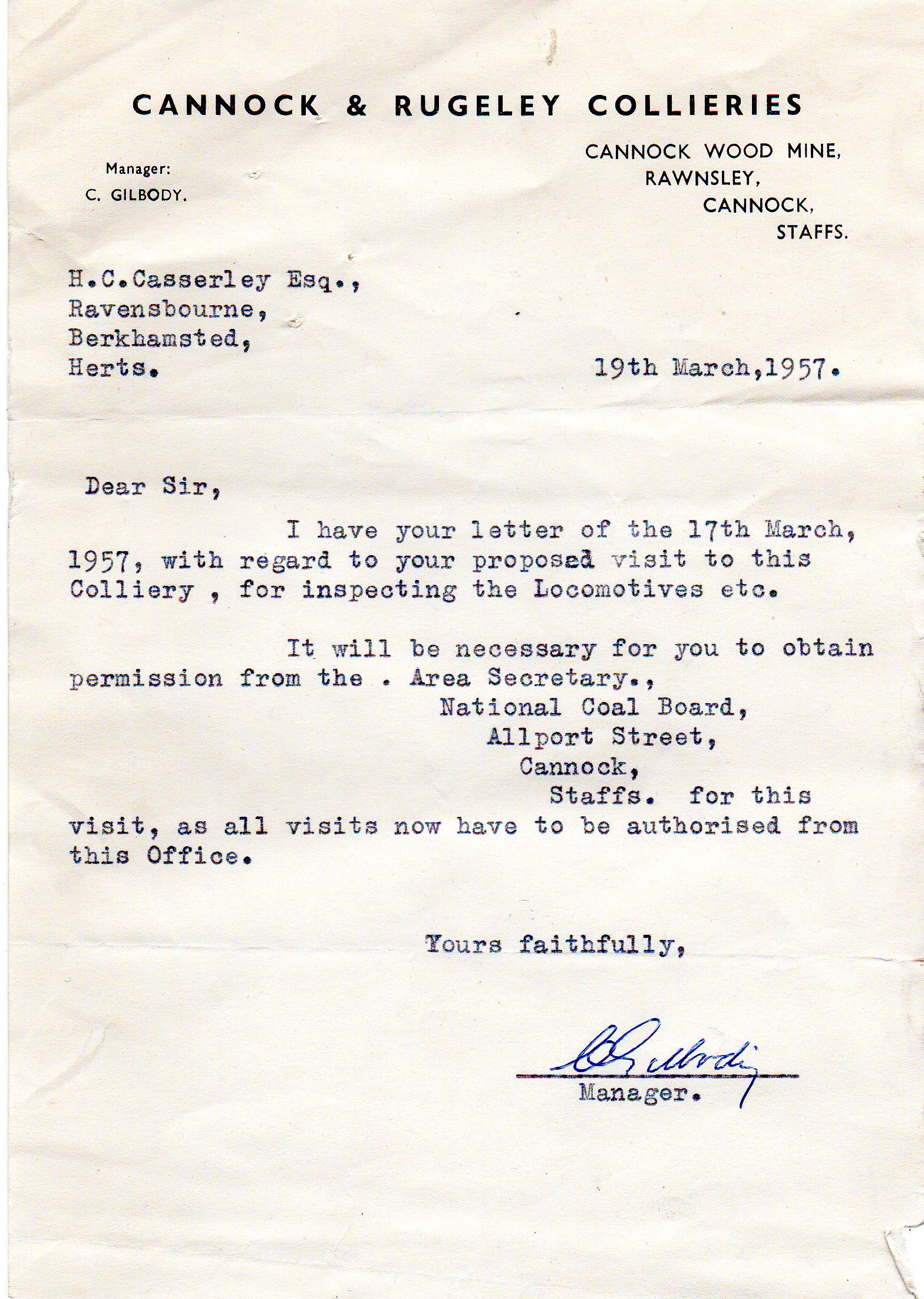
The Chasewater Railway Museum has been given a letter dated 1957 from the Cannock & Rugeley Collieries in reply to Mr. H.C.Casserley’s request for permission to visit the Colliery for photographing the locos, etc.
Mr. Casserley was a very highly regarded railway photographer who had many books published.

The letter was kindly donated to the Museum by Mr. Debens.

B15 Birch C & R 6-5-1946 H.C.Casserley
This was not to be his first visit to the Colliery as we have in our collection a photo taken by Mr. Casserley of the CRC loco ‘Birch’ dated 1946!

The coal industry was nationalised in 1947.


Chasewater Railway Museum – Two more local finds

Chasewater Railway Museum

Two more local finds

Our curator has unearthed two maps of local lines, the Norton Branch and the LNWR Five Ways Branch

to blog

6″ scale map in card cover, dated 1903, shows (and entitled) Norton Branch, does, however, also show part of the MR Walsall Wood Extension and Chasewater

to blog 5 ways
Two chains to the inch scale plan of the LNWR Five Ways Branch, 1897. Shows the entire branch in good detail

to blog 3

Photos from the Archives – the old Brownhills West

Photos from the Archives

The old Brownhills West


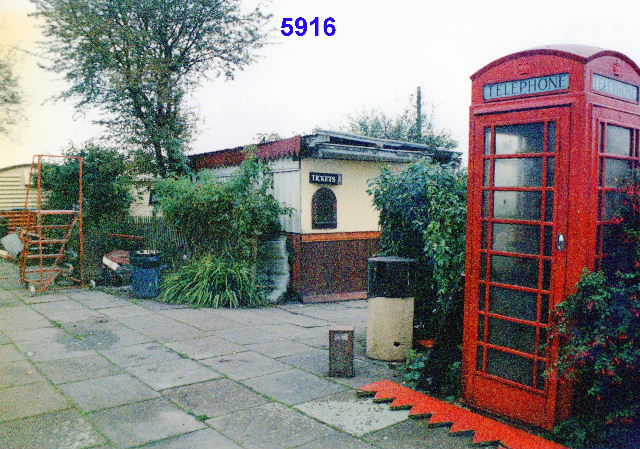
A couple of photos of the old Brownhills West Station

5900

5916

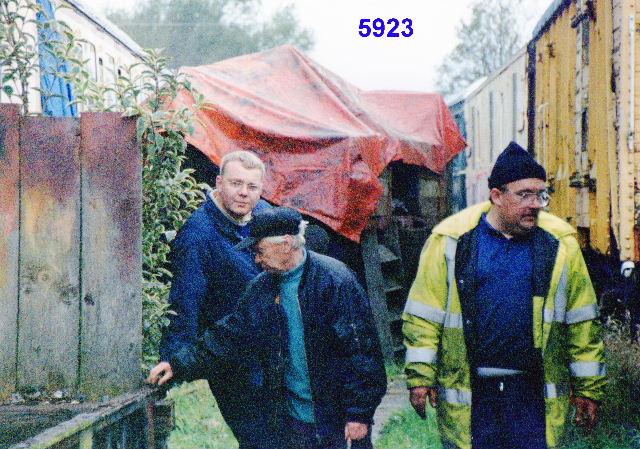
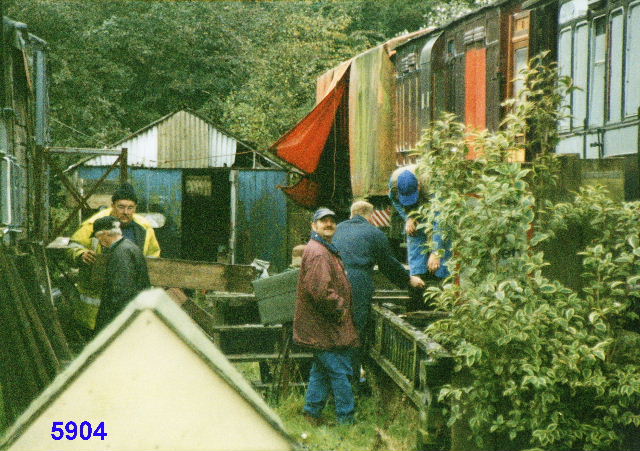
Clearing out the old Brownhills West Station Yard

5923 

5904

5912 

Before starting the new…5899

Photos from the Archives – These are from David Ives’ Collection – Sans Pareil

Photos from the Archives

These are from David Ives’ Collection

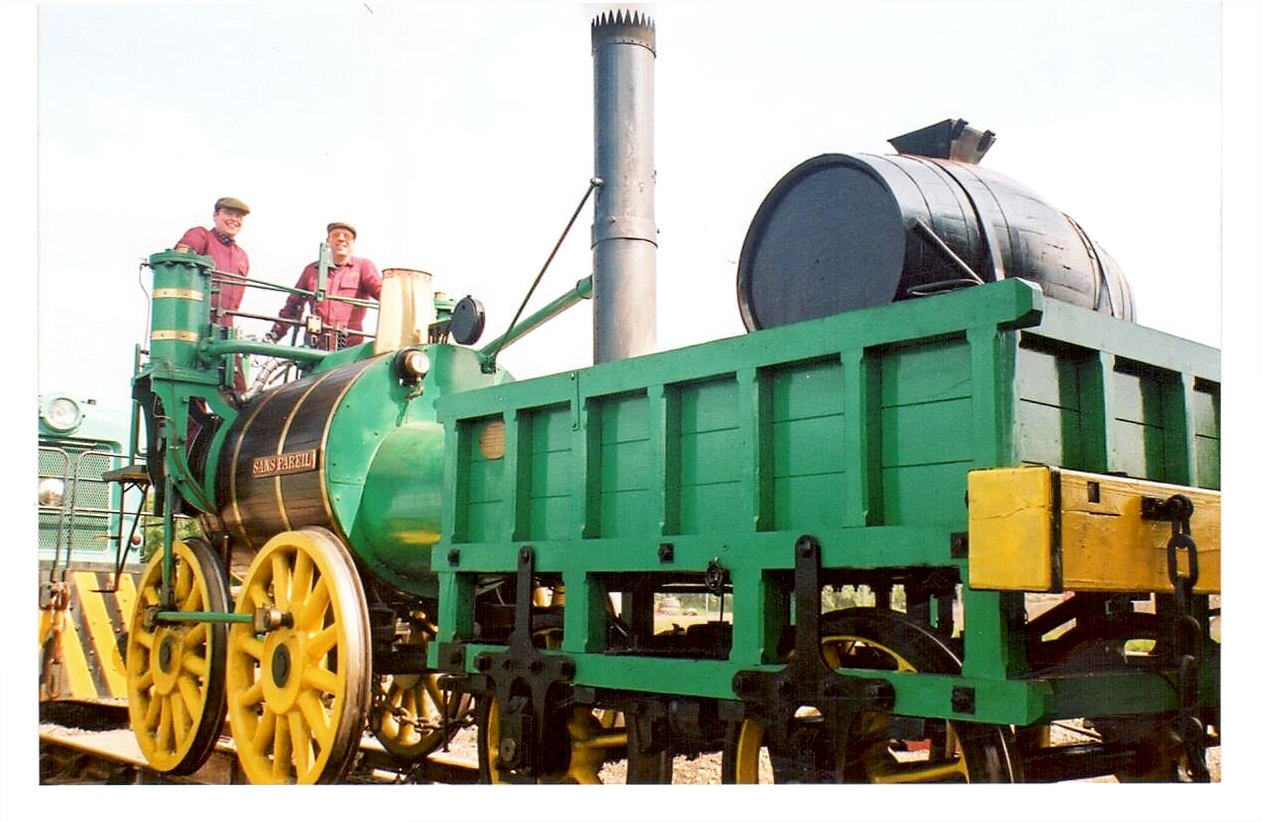
Sans PareilOutside the shed

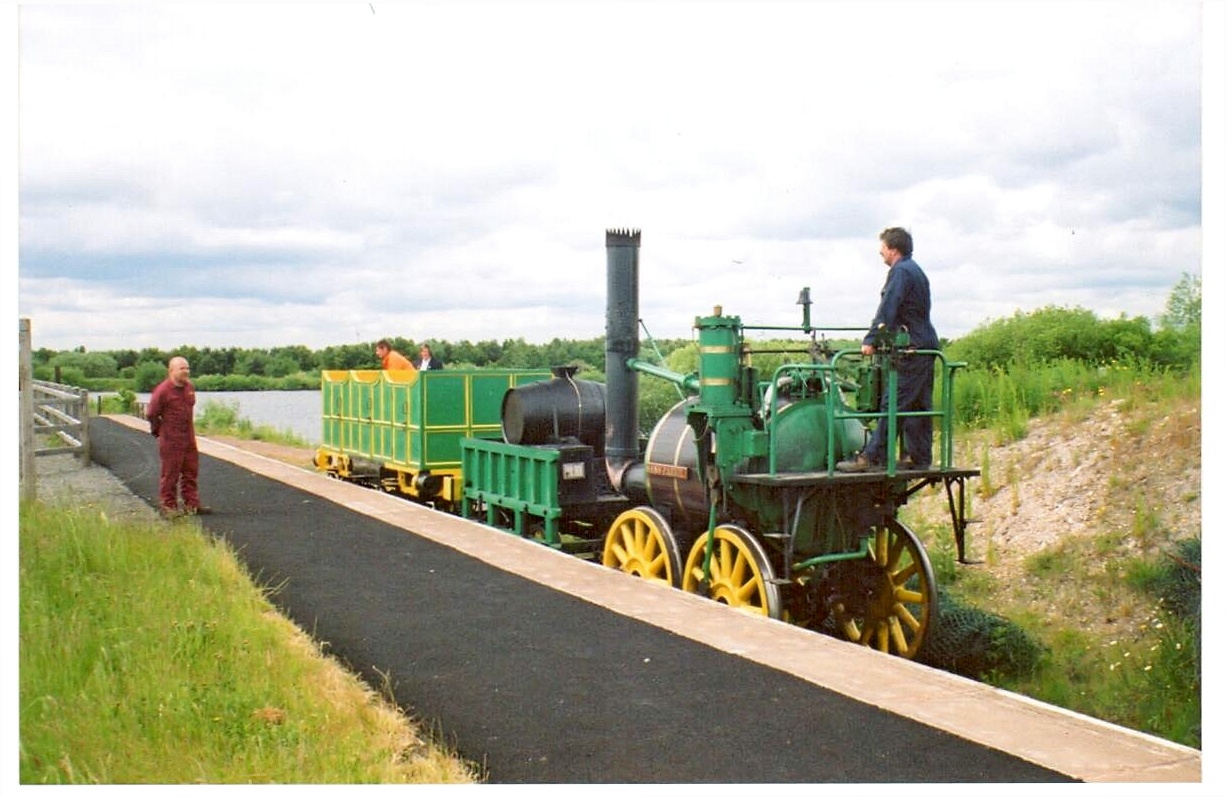
Sans Pareil is a replica of Timothy Hackworth’s 1829 locomotive which competed against Stephenson’s ‘Rocket’ at the famous Rainhill Trials.

This locomotive came to Chasewater in 2001 and 2002 and proved to be very popular with railway enthusiasts and the general public alike.

Passenger train services ran between Brownhills West and Chasewater Heaths, alternating between Sans Pareil and Sentinel.Engine ShedOutside the loco shedLoading up at Brownhills WestLoading up at Brownhills WestChasewater HeathsChasewater Heaths

LakesideAt Lakeside

Railway Relics – Bridge Number Plates

Railway Relics

Bridge Number Plates

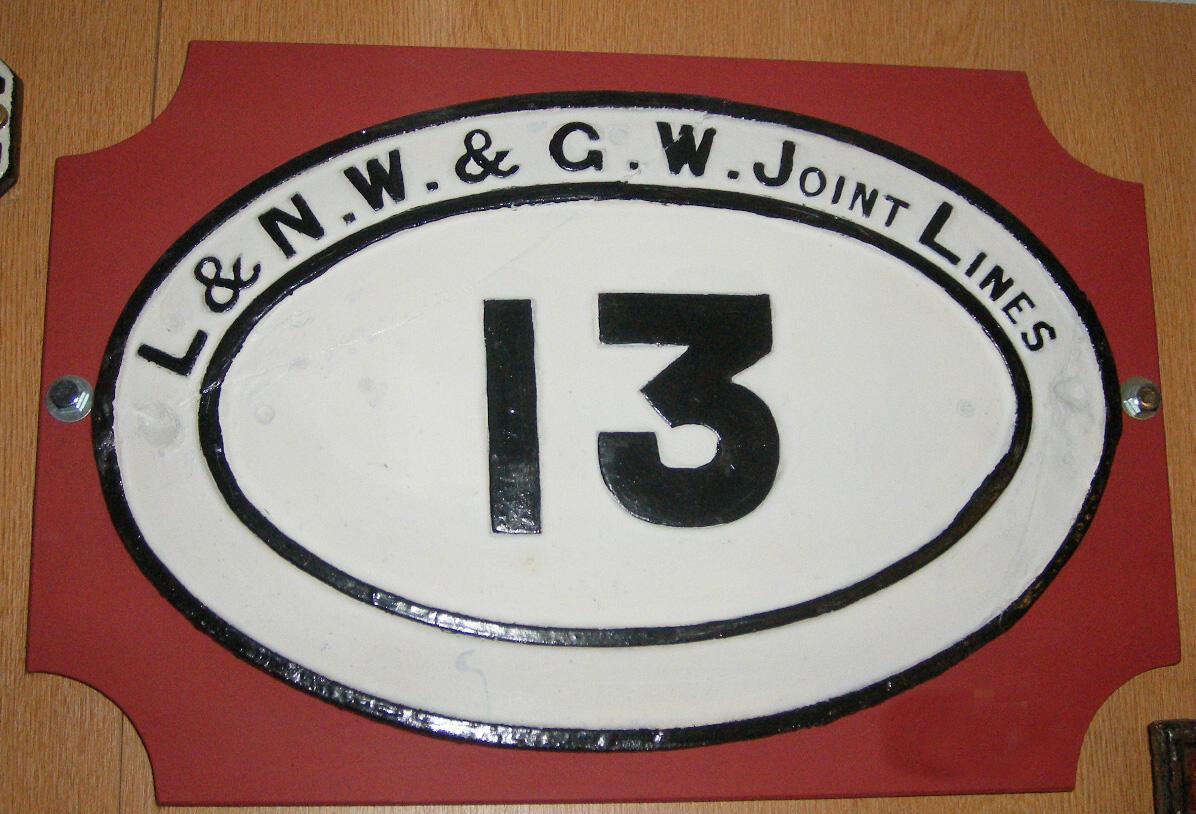
13

London & North Western and Great Western Joint Lines

Most railway signs were meant for the public and carried a variety of warnings and exhortations such as ‘Beware of the trains’, ‘Shut the gate’ and ’Do not cross beyond this point’.

A sign with a different purpose was to be found on the majority of bridges throughout the railway system.  These bridge numberplates had nothing to do with the public, being purely for the railways’ own operational purposes.

They have become very popular with enthusiasts, often being put to use as house numbers.  Almost every company used them, a major exception being the Great Western Railway.  Most plates were made of cast iron, though in the case of the South Eastern & Chatham Railway, they were made of stamped, pressed steel.  The plates were located on the left-hand side of bridge piers – one at each end – facing the trains.1

North Eastern Railway

Some of the cast iron plates from pre-grouping days are still in place, the largest number being found along the route once worked by the London & Birmingham Railway.

Plates are often oval, though within this broad category there are plenty of variations of size and shape.  The type used by the London & North Eastern Railway, for example, is less elongated than its LMS equivalent.

Among the most attractive and sought after plates are those of the Cockermouth, Keswick & Penrith Railway (CKPR) in Cumberland.  This small company had 135 bridges in its system, with just a single plate on each bridge.  The plates, which faced Cockermouth and were numbered from that end of the line, feature an attractive lettering-face reading ‘CK & P Railway’ round their border.

Only twenty or so of the CKPR’s plates are known to have survived.  But it is not just their good looks or scarcity value that have led them to be so sought after by collectors.  They are also the only plates to feature the word ‘Railway’ in full.  Their popularity has made them expensive, and even if you were able to find one it would cost a considerable sum of money.

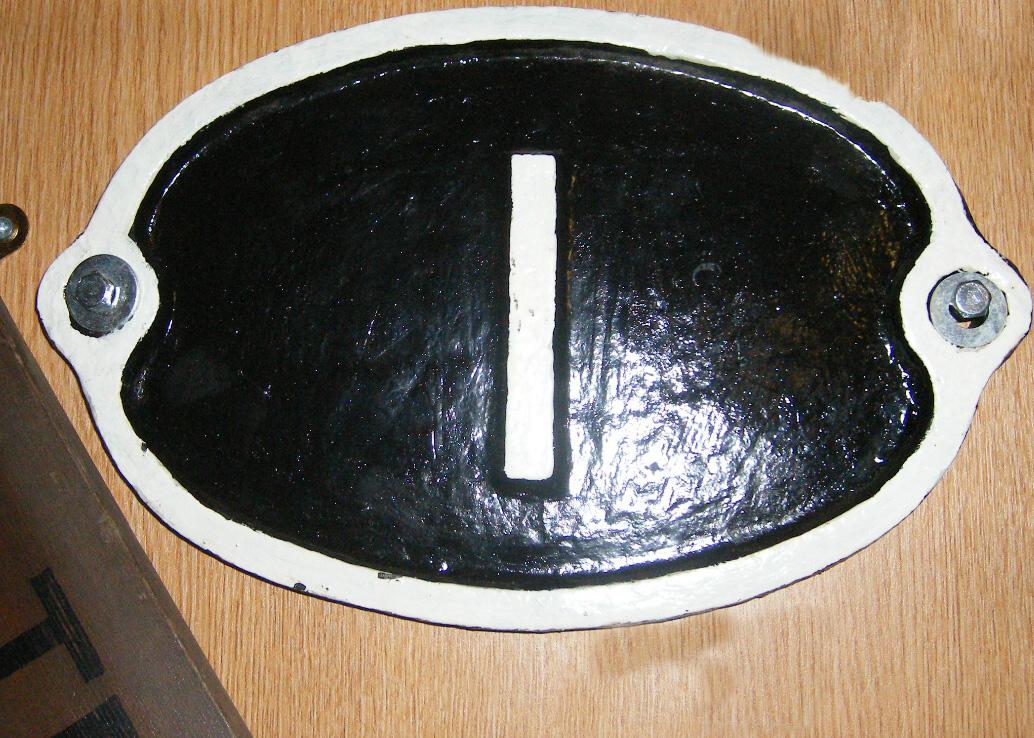
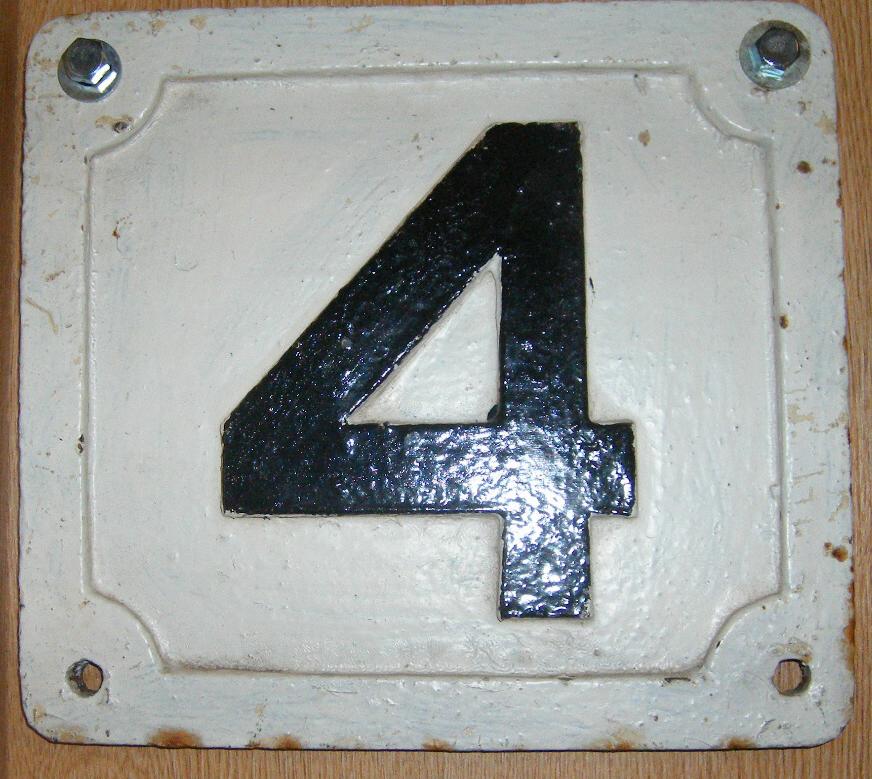
Some railways produced bridge numberplates showing only the numbers.  In the case of the Great Eastern, the plates were a lozenge shape and came in two sizes – the more elongated one being for siting by the roadside.4 Clayton West Branch

Clayton West Branch

From the Archive – Another couple of handbills

From the Archive

Another couple of handbills

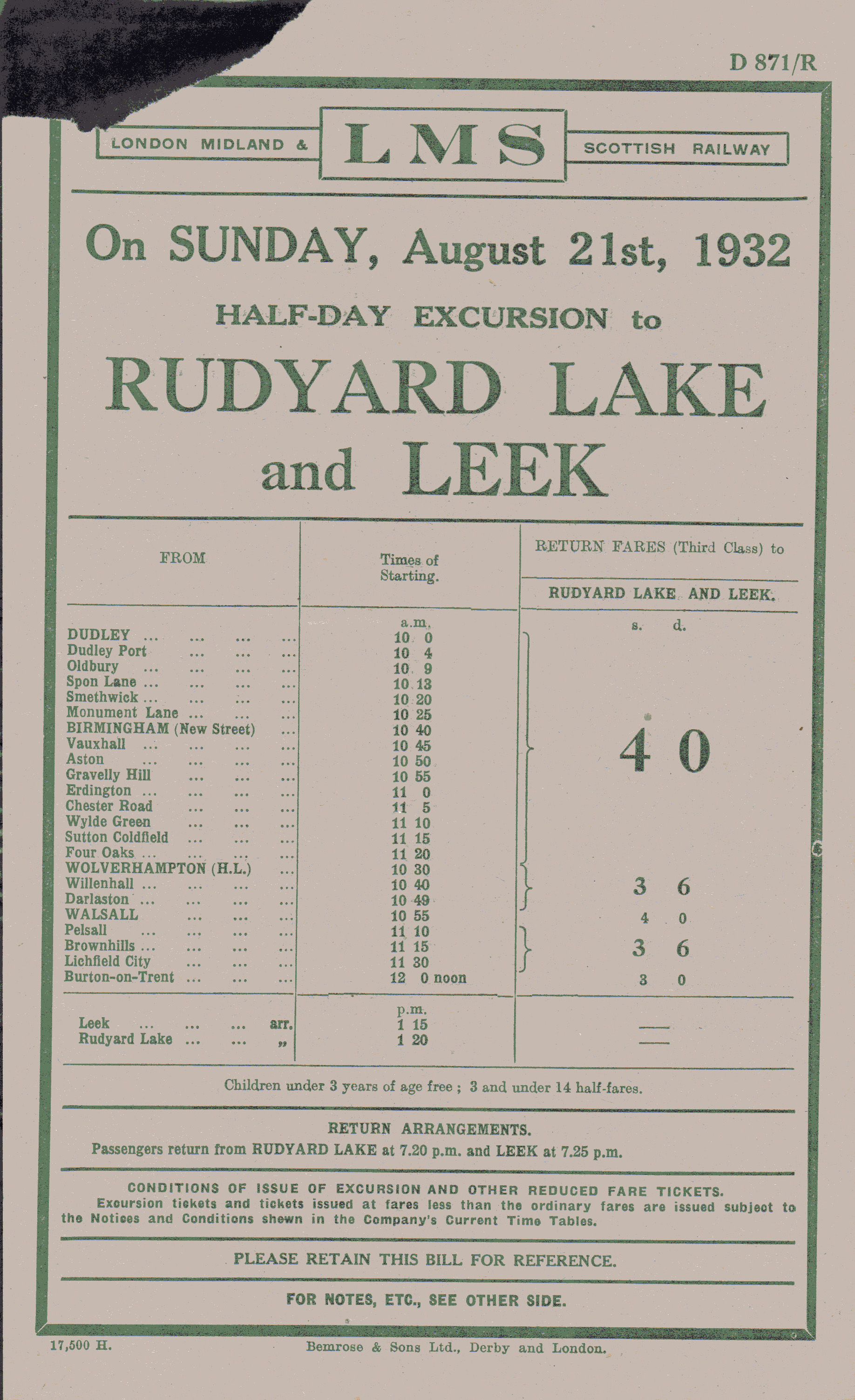
All sorts of destinations from Brownhills High Street!

8492

8507

To Scarborough for £1-5-6  (£1.27½)  return

and Rudyard Lake for 3/6  (17½p)  return


From the Archive – Midland Railway Advert – 1903

From the Archive

Midland Railway Advert – 1903

Another handbill, this time a national advertisement – stretching the Midlands a little!

8434 Hand Bill

Chasewater Railway Museum Exhibits – Wagon registration plates

Chasewater Railway Museum Exhibits

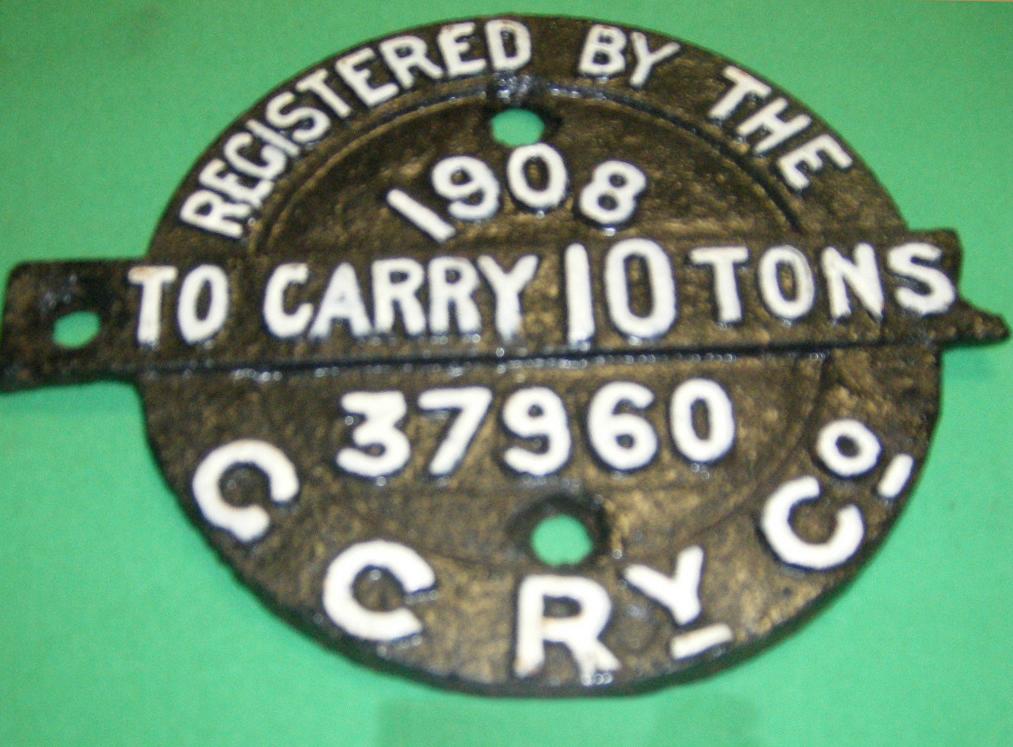
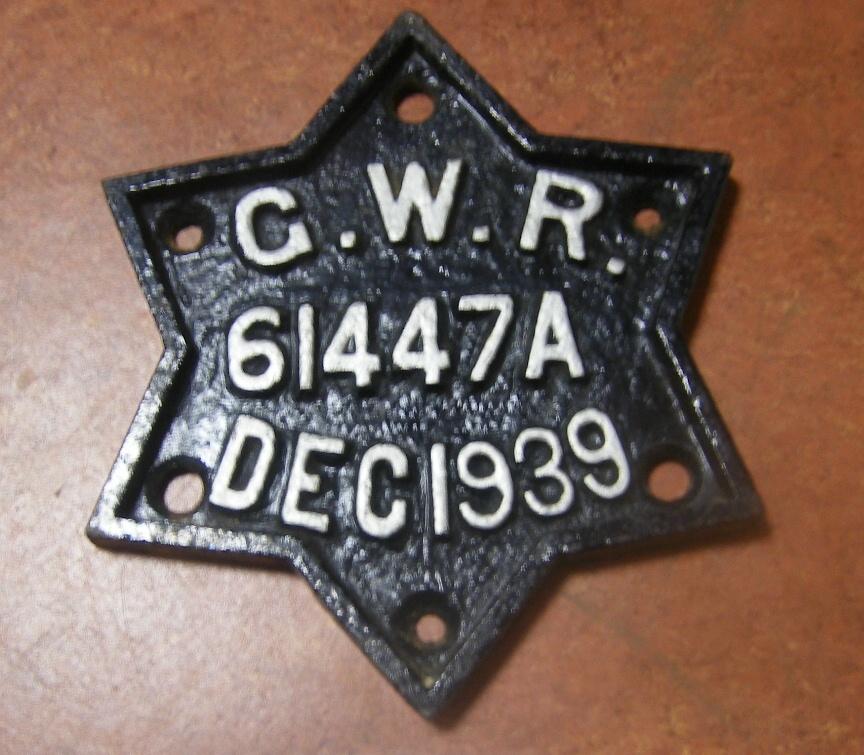
Wagon registration plates515  e

Railways came into being first and foremost not to carry passengers, but to convey freight, especially mineral traffic, like coal.  In the early days, when few lines were interconnected, the variety of goods wagons did not matter, but as railways expanded and through trains became common, it was essential to have wagons whose buffers, brakes, couplings and so on all matched up.

Risk of derailment

The main line railways adopted these fairly quickly, but the private owners, especially collieries and coal merchants, were reluctant to comply, and damage and derailments became common due to their wagons either lacking proper buffers and brakes or being poorly maintained.

In 1880, however, it became a legal requirement for all privately owned wagons to be registered by the railway company to whose sidings their owners were connected, and only those that reached the Clearing House standard were allowed to run on main lines.

Vital Statistics

Each wagon so passed had two plates, one on either side of the main frame, advising its date of manufacture, its registration number, and its carrying capacity.  In 1907, the RCH designed a new, star-shaped plate for tank wagons.653  e

Many of the ordinary registration plates come with their lugs broken off, but these can easily be repaired using fibreglass filler.   The normal colour seems to have been black with white letters, and red with white letters for tank wagons.

However, some privately owned wagons were painted in quite garish colours, and it seems likely that their plates were similarly treated.  Nearly all plates were made of cast iron, but examples in brass or lead alloy are occasionally seen.2062  e