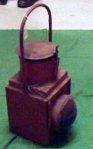
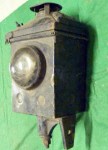
Tag Archives: LNWR

156 – Chasewater Railway Museum Bits and Pieces

 Postcards  – 156 – Chasewater Railway Museum Bits & Pieces

from Chasewater News Spring 1993 – Part 2

‘Official’ Picture Postcards – by Barry Bull

The hobby of collecting postcards began in Edwardian times within just a few years of the first cards being accepted for postage by the Post Office in 1894, The charge for postage only being a halfpenny and the cards themselves being very cheap soon led to a collecting tradition that has remained with us through to these inflationary times almost a hundred years later.

The ‘Official’ railway cards is the term used for those cards produced by and for over 60 of the old pre-grouping companies plus those issued by the 4 post-grouping railways and British Railways. The earliest official cards generally showed views of London and various other cities and towns throughout the land.  Many depicted views of castles, cathedrals, river bridges and the like, and were known as court cards.

The court cards were printed by such companies as the Picture Postcard Company and were often half-tone pictures in decorative frames with a small space to the right of the picture to write a few words.  At this time the back of the card was for the address only to be written, plus of course a space for the stamp to be affixed.  Examples of these early cards can occasionally be found and carry the names of such railways as the LSWR and the SECDR.

By the turn of the century, full size sepia postcards were being produced, that is, the picture occupied all of one side with the reverse being provided for both the address and message.  The cards were still being produced by postcard printers with the same views being supplied for several different railway companies, it not being until about 1903-4 before the larger railway companies in particular had cards printed specifically for their use and sale only.  Most of the official pre-grouping railway cards seen today date from the period 1904-14, when the production and sale of these cards was at its peak.

In this short history it is not possible to go into too much detail, but the casual observer and collector cannot fail to have noticed that by far the most common examples of cards to be seen are those of the London & North Western Railway.   This, however, is hardly surprising when one considers that from 1904, when Raphael Tuck & Sons produced a set of twelve cards on behalf of the LNWR, until September 1914 when production of LNWR cards was discontinued; over 11 million cards had been sold – most at two pence for a set of six!

The LNWR cards covered a wide range of subjects.  There were some 60 sets and a hundred or so non-set cards.

Interestingly, the success of the LNWR cards, undoubtedly due to their quality and subject range, was in no way matched by the concern who many feel to be elite in printed publicity – the Great Western Railway.  Cards produced by the GWR tended in the main to be of rather mundane subjects in sepia.  Only occasionally were rolling stock, locomotives, stations or engineering subjects featured.  After the Great War the GWR produced little of significance for the postcard market and when one considers their other publicity successes, the GWR certainly disappoints its supporters in this matter.

Other prolific producers of postcards who spring to mind are the Midland Railway with nice coloured examples of stately homes and tourism resorts; the Furness Railway with a variety of Lakeland scenes; and the Great Eastern Railway with a pleasant range from seaside towns, cathedrals, the Norfolk Broads and ships.

Irish, Isle of Man as well as Scottish and English companies were well represented in postcard issues and several minor railways also produced cards.  Cards issued by minor railways are avidly collectable today and may cost several pounds each, dependent on condition and rarity.  Quite common cards to find from a small company are the photographic views published for, and sold by the Corris Railway.  These usually fetch about £5.00 each at stamp or postcard collector fairs.

Following the 1923 grouping, the production of postcards continues albeit in smaller numbers and these cards, although collectable, do not generally reach such prices as some pre-grouping and minor railway examples.

The Southern Railway issued 140 odd cards with over 100 depicting locomotives, while both the LMS and the LNER took the opportunity to market many cards which showed their hotels, with ships and locomotives being well represented.

Other cards which still sell very well today, often commanding prices between £3.00 and £10.00 each, once again dependent on rarity and condition, are those of the various London Underground Railways.  Many of these depict posters and are particularly attractive to collectors. The only ‘official’ Chasewater Light Railway’ postcards issued so far is one depicting the Neilson with the Gloucester DMU trailer, a card which owed its origins to an Adrian Pearson colour photograph.  5,000 examples were produced at a cost I recall of 2.4 pence each.  I wonder how many remain unsold?Neilson with the Gloucester DMU Trailer – Adrian Pearson

I can’t say exactly how many were left, but those that were have been given to the younger visitors to the Chasewater Railway Museum – and very much appreciated as a memento.

All postcards from the Chasewater Railway Museum Collection – compiled by Barry Bull and David Bathurst (sorry, not on public view at the moment).

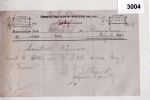
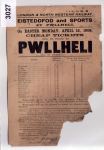
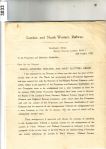
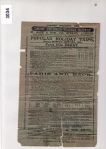
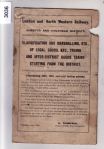
Chasewater Railway Museum Catalogue – London and North Western Railway Archives

Chasewater Railway Museum Catalogue – London and North Western Railway Archives

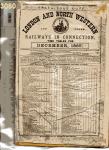
Lots more paperwork, this time from the London & North Western Railway

Click on the link below to see the full list

LNWR Archives 2020 XL Files

Caption text – object number, name, description and location in the museum.

Click on a photo for a larger image.

Chasewater Railway Museum – More from the Sixties

Chasewater Railway Museum

More from the sixties

Taken from the RPS Newsletter Vol 3  No.2 – Date – Summer, 1961?

West Midlands District

Our covered space at the Hednesford depot now houses the London North-Western Webb coal tank, together with the London North-Western TPO van, Maryport & Carlisle and Great Eastern coaches, which are in various stages of restoration.. A considerable amount of really hard work has been carried out during the last three weekends.

Photo: Andrew Handley

Collection of small relics continues to grow, thanks in no small measure being due to two of our junior members, Brian Kinder and Maurice Harper, of  Walsall.  Donations to the TPO fund were received from some 18 members.


The West Midlands District also toured the railway system of the Bass, Ratcliff and Gretton Company at Burton-on-Trent.  The trip was organised as a joint effort by Stafford Railway Circle, and the party travelled in a four-wheeled directors’ saloon of 1889 vintage.  Acquired from the Midland Railway, the vehicle was built by the Railway Carriage & Iron Co. Ltd. at Manchester.Bass Locos – Published by Bass Museum

The following piece is taken from an article written by A. A. Chatfield (Vice-Chairman of the West Midlands District).
The Webb Coal Tanks of the LNWR


With the arrival at our Hednesford depot of number 1054, the last of the celebrated Webb coal tank engines, A. A. Chatfield has outlined a brief history of the class.

The first of these locomotives was constructed at Crewe works in 1881, and during the ensuing years no fewer than 300 were built.  Initially they were a tank version of the very successful coal engines with the addition of a pair of trailing wheels running in a radial axle box under the bunker and rear wheel tank.  Designated for working heavy mineral trains in the colliery areas of Lancashire and the South Wales valleys, the design changed very little over the years except that quite a few were fitting with the vacuum brake for working branch line passenger trains.

Main dimensions were: cylinders  17in. x 24in., pressure 150lbs., grate area 17 sq. ft., total heating surface 10,548 sq. ft., weight in working order 43 tons. Water capacity 1,150 gallons, height 13ft. 1in., and tractive effort 16,530lbs.

It is a strong testimony to the workmanship put into these locomotives that many of them survived for so long after the Grouping, as the total was still quite large even after the close of the second world war when some of the survivors were at least 60 years old.  It is strange that so many of Webb’s simple designs should have lingered on for so long, for by the time the railways were nationalised quite a few octogenarians of this design could be found happily and usefully employed in the quiet backwaters of the LMSR.

Naturally the coal tanks were very prominent in the ranks for 30 of them were still at work in these out of the way corners when the 1950s dawned.  By this time numbers were thinning out but still the coal tanks chuffed on until only one, 1054 or 58926 as she had become, remained – latterly employed ignominiously as a stationery boiler at Pontypool Road MPD.

However, the old lady still had her final fling to come, for she was cleaned up and hauled out to pilot an LNWR 0-8-0 on the last special train over the Merthyr – Abergavenny line on which duty she was filmed and recorded for posterity.  After this brief appearance in the limelight she was sumped in a siding at Pontypool Road depot to await the last call to Crewe for breaking up.

Fortunately the story has had a happy ending for through the good offices of Mr. J. M. Dunn and a large group of enthusiasts who were familiar with these engines in their hey-day, number 1054 has been saved for posterity, decked out in her original finery, and has been put into the custody of the West Midland District of the RPS at Hednesford within a stones throw of her old birthplace.

During 1963, Mr Dunn and his supporters arranged for 1054 to be transferred into the ownership of the National Trust for display at Penrhyn Castle in North Wales, not far from where the engine worked in the 1920s.

Although Penrhyn provided public access in safe and secure surroundings, facilities for effectively exhibiting the locomotive were limited. After nine years at Penrhyn, and with the growth of railway preservation groups providing improved facilities, some of the locomotive’s original trustees arranged for the engine to be cared for by the ‘Bahamas’ Locomotive Society at their Dinting Railway Centre near Glossop in Derbyshire.

London and North Western Railway Webb 0-6-2T ‘Coal Tank’ class locomotive number 1054 giving brake van rides on the demonstration line at the Dinting Railway Centre, Higher Dinting. Sunday 3rd October 1982. Photo:  David Ingham

In 1980 the engine was overhauled, put into working order, and restored to the LNWR condition in which it would have appeared just prior to the First World War. In May that year it attended the great exhibition at Rainhill near Liverpool. This was held to celebrate the 150th anniversary of the ‘trials’ won by George Stephenson’s famous Rocket, and the opening of the Liverpool and Manchester Railway in 1830.

In the years since, 1054 has performed reliably and well.

LNWR Loco 1054 at Hednesford depot.

To the best of my knowledge, 1054 is owned by The National Trust. It is currently undergoing overhaul by volunteer members of the’Bahamas’ Locomotive Society, who have cared for the engine since 1973.

The work is being undertaken at the Society’s Museum & Workshop –
Ingrow Loco – on the Keighley & Worth Valley Railway in
Yorkshire, and is supported by a grant from the Heritage Lottery Fund.Pictured at Oxenhope on the Keighley & Worth Valley Railway by John Winters.

For video footage go to:

www.geoffspages.co.uk/grp/Movies01/index.html

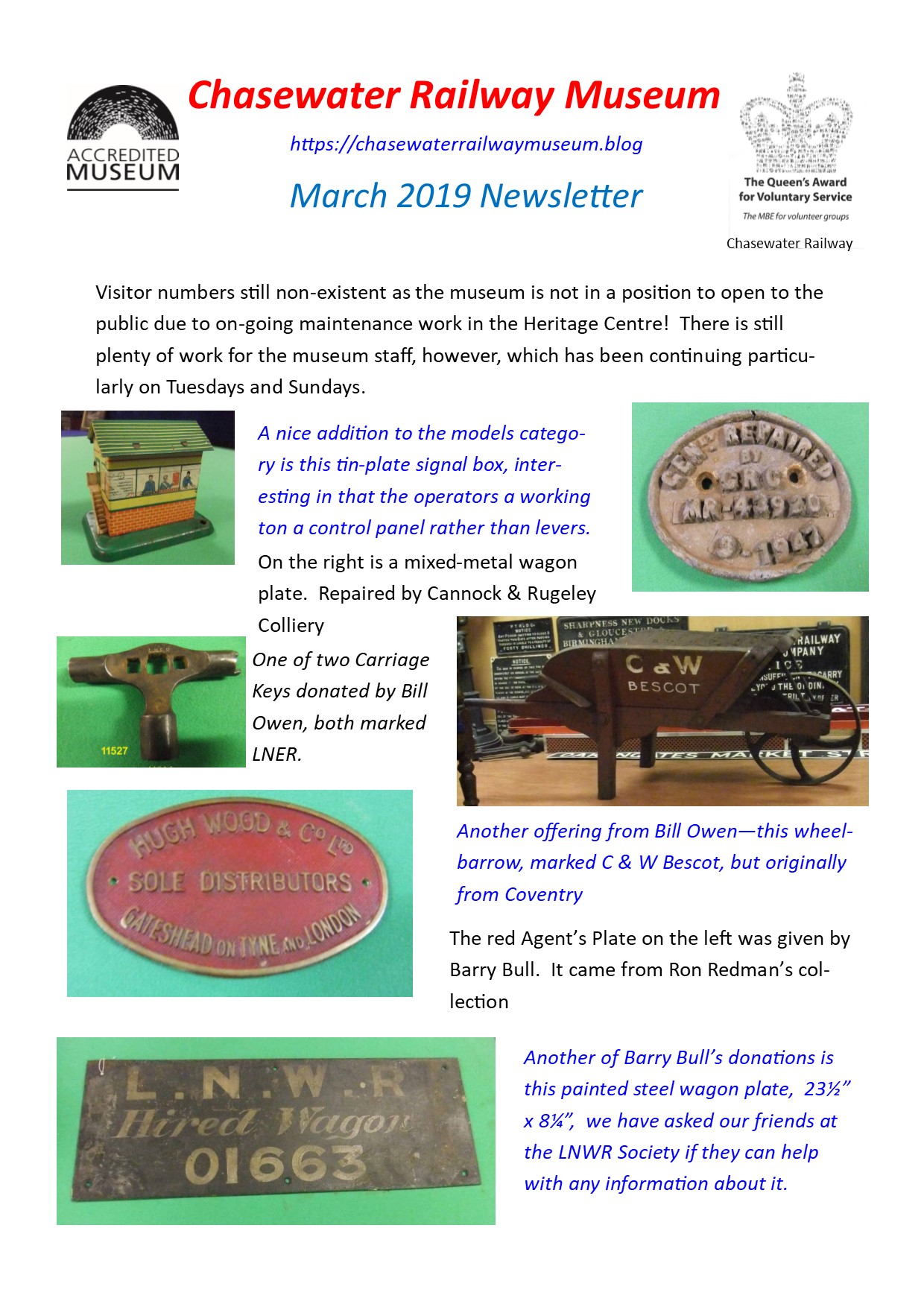
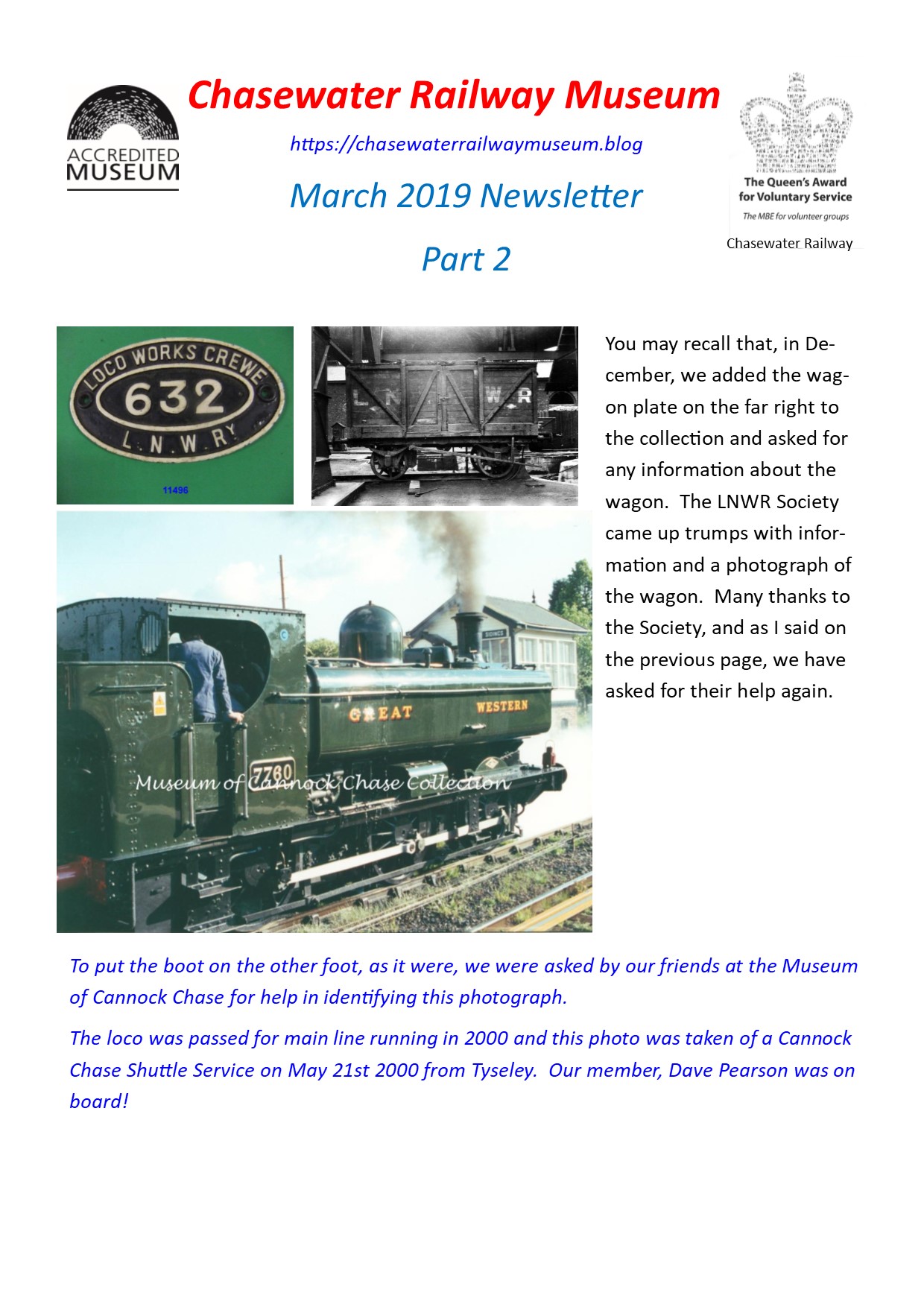
Chasewater Railway Museum – March 2019 Newsletter

Chasewater Railway Museum

March 2019 Newsletter

2 pages!

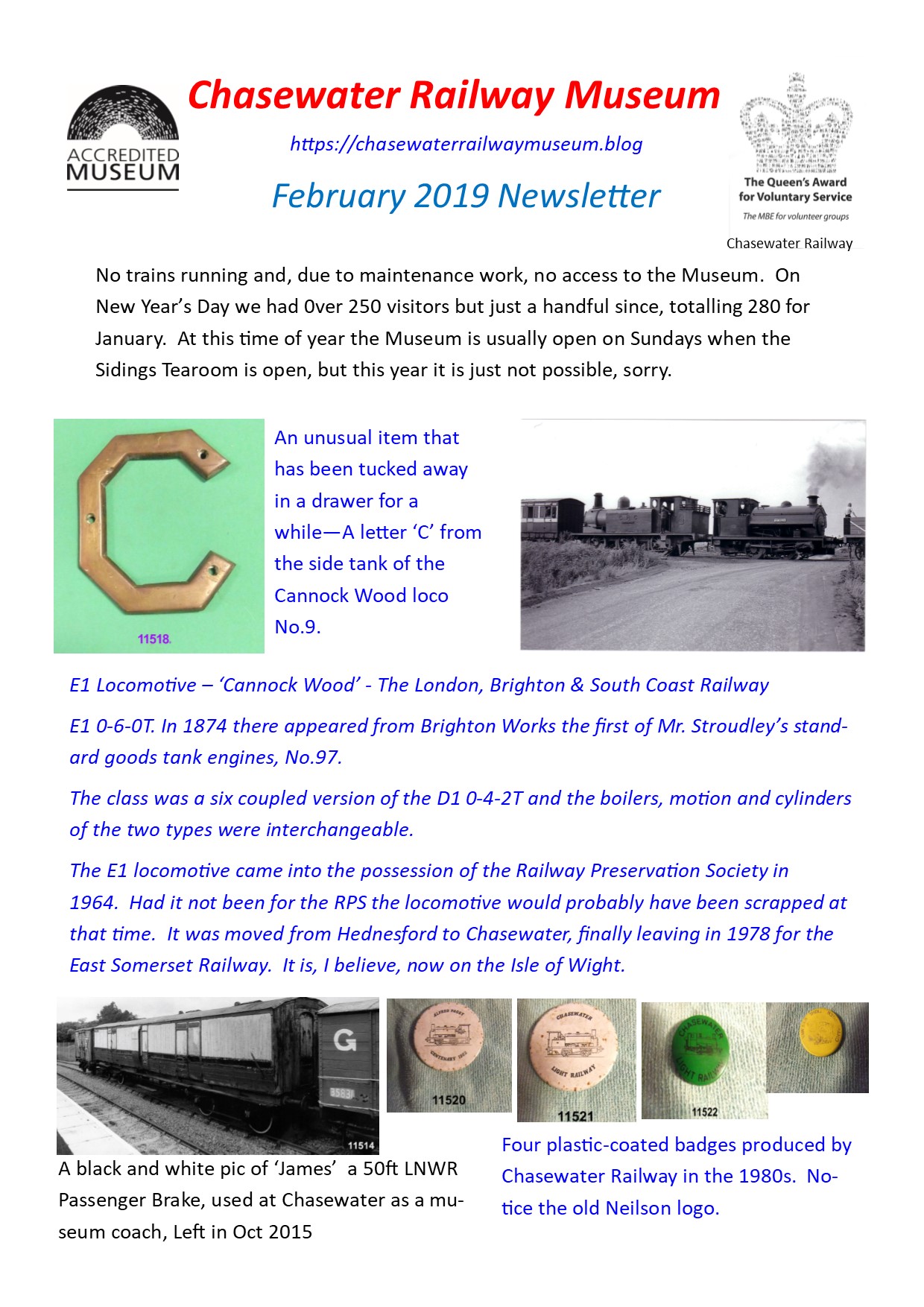
Chasewater Railway Museum – February 2019 Newsletter

Chasewater Railway Museum

February 2019 Newsletter

Chasewater Railway Museum Catalogue – London & North Western Railway Objects

Chasewater Railway Museum Catalogue

London & North Western Railway Objects


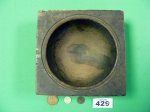
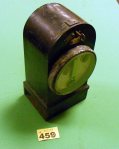
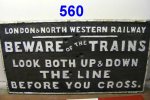
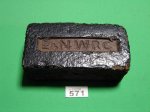
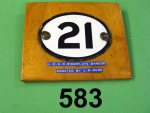
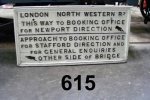
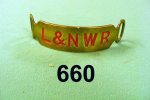
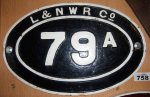
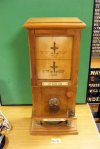
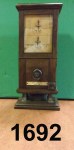
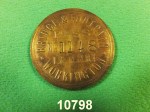
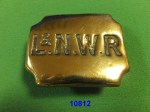
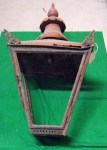
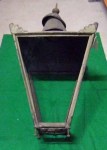
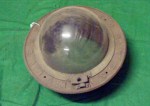
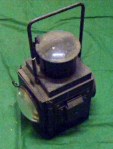
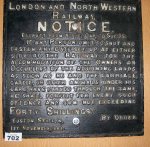
Some pics of LNWR objects in our museum collection.  More photos will be added later.

Click on the link below to see the full list

LNWR Objects 2020 XL Files


Chasewater Railway Museum June 2017 Newsletter

Chasewater Railway Museum

June 2017 Newsletter

The visitor numbers for May were a little lower than in recent years at 1,584.

We’ve received some very nice items during May, not least from former local residents Sue and Diana Windsor. Sue sent the following email:

Daphne and Sue Windsor in the museum.

‘My grandfather Albert Edward Rose was a train driver in the collieries and I have some photos of trains at Fair Lady Pit Heath Hayes, Conduit Pit, photos of my grandad and other work colleagues on the engines. There are a few old newspaper cuttings about the history of the local collieries. There is also a letter from the then Prime Minister, Mr Attlee sent to the coal workers dated Jan 1951 asking them to work harder due to the threat of a coal shortage and finally a postcard in memory of the men who lost their lives in the Grove Pit disaster of 1930.

The museum was delighted to accept the offer.


Click on a photo for a larger version and use the side arrow to move to another pic.


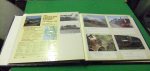
The following item is a very well put together scrapbook of photos and postcards donated by Mrs D.Lawton in memory of Mr.K.Lawton, who had a footplate ride when very ill and Mr.M.J.Layland.

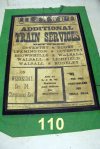
These two items were given to the museum by one of the very early members of the Railway, Laurence Hodgkinson, now, of course, at Amerton Railway.  The first item is an LNWR ticket rack and the second, a poster board heading from Hednesford.

Our Curator, Barry Bull, donated a fine LNWR pay check from Camden.

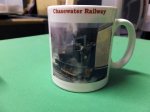
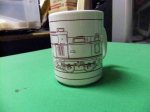
David Bathurst donated his collection of Chasewater Railway mugs to add to our ever-increasing catalogue of railway –related items.


Save

Save

Save

Chasewater Railway Museum Catalogue – Destination Indicators

Chasewater Railway Museum Catalogue

Destination Indicators

Click on the link below to see the full list

Destination Indicators 2020 – XL Files

Caption text: Object number, name, description, creator, location.

Click on a picture to see a larger version.

2Finger board LMS All Stations to Rugeley LMS R1.S3

2 Finger board LMS All Stations to Rugeley LMS R1.S3

3Finger board LMS Perry Barr, Aston and Birmingham LMS R1.S3

3 Finger board LMS Perry Barr, Aston and Birmingham LMS R1.S3

4Finger board LMS Macclesfield, Stoke, Watford and London LMS R1.S3

4 Finger board LMS Macclesfield, Stoke, Watford and London LMS R1.S3

5Finger board LMS Birmingham Local LMS R1.S3

5 Finger board LMS Birmingham Local LMS R1.S3

6Finger board LMS Wolverhampton & Birmingham LMS R1.S3

6 Finger board LMS Wolverhampton & Birmingham LMS R1.S3

7Finger board LMS All Stations to Stoke and Stafford LMS R1.S3

7 Finger board LMS All Stations to Stoke and Stafford LMS R1.S3

8Finger board LMS Kidsgrove Central, Stoke and London St Pancras LMS R1.S3

8 Finger board LMS Kidsgrove Central, Stoke and London St Pancras LMS R1.S3

9Finger board LMS Sutton Park LMS R1.S3

9 Finger board LMS Sutton Park LMS R1.S3

10Finger board LMS Darlaston, Willenhall, Wolverhampton LMS R1.S3

10 Finger board LMS Darlaston, Willenhall, Wolverhampton LMS R1.S3

11Finger board LMS Birmingham Express LMS R1.S3

11 Finger board LMS Birmingham Express LMS R1.S3

12Finger board LMS Kidsgrove, Stoke-on-Trent, Stafford, London LMS R1.S3

12 Finger board LMS Kidsgrove, Stoke-on-Trent, Stafford, London LMS R1.S3

13Finger board LMS Cheadle Hulme, Vauxhall & Birmingham LMS R1.S3

13 Finger board LMS Cheadle Hulme, Vauxhall & Birmingham LMS R1.S3

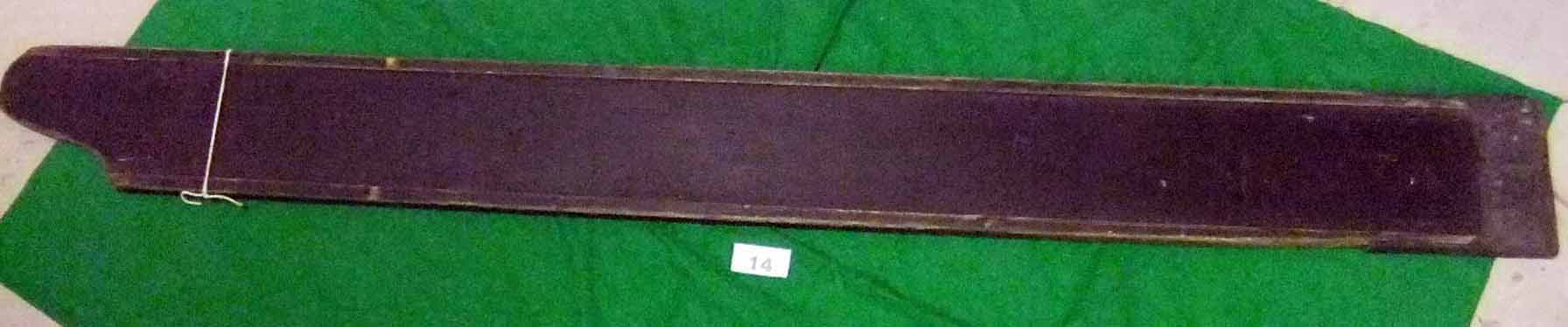
14Finger board LMS LMS R1.S3

14 Finger board LMS LMS R1.S3

15Finger board LMS Wolverhampton, Stafford, Symington, Edinboro LMS R1.S3

15 Finger board LMS Wolverhampton, Stafford, Symington, Edinboro LMS R1.S3

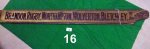
16Finger board LMS Brandon, Rugby, Northampton, Wolverton, Bletchley LNW R1.S3

16 Finger board LMS Brandon, Rugby, Northampton, Wolverton, Bletchley LNW R1.S3

17Finger board BR Loughborough, Leicester, Nuneaton & Birmingham BR R1.S3

17 Finger board BR Loughborough, Leicester, Nuneaton & Birmingham BR R1.S3

18-1

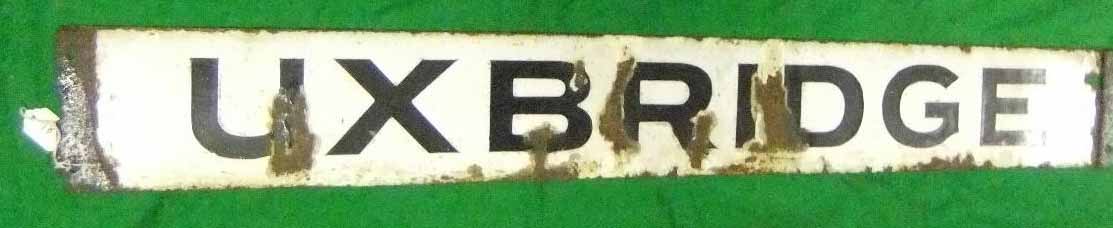
18Carriage destination board Metro Uxbridge/Harrow Metropolitan Railway R5.B1.S3

18 Carriage destination board Metro Uxbridge/Harrow Metropolitan Railway R5.B1.S3

Save

Save

Save

Chasewater Railway Museum – Some lamps from the collection.

Chasewater Railway Museum 

Some lamps from the collection.

Some of these lamps are on display in the museum and some are in our stores, sadly, as is the case with many museums, we do not have space to show them all.

Click on the link below to see the full list

Lamps 2020 XL Files

Caption text:  Object number, name, description, maker, location.

Click on a picture to see a larger version.


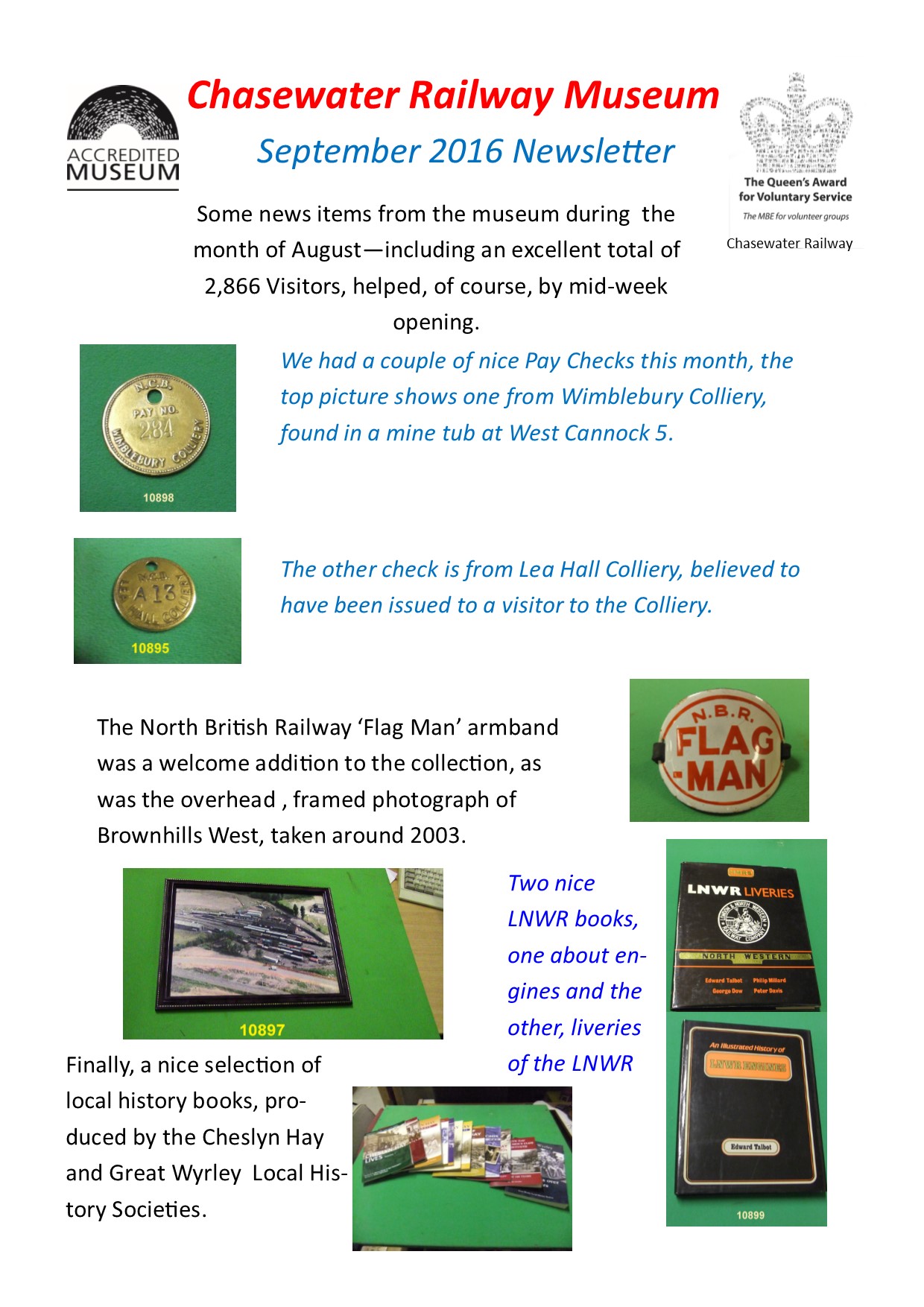
Chasewater Railway Museum – September Newsletter

Chasewater Railway Museum 

September Newsletter

September Newsletter

Save

Save

Save