Tag Archives: Great Wyrley

Chasewater Railway Museum – A Miscellaneous item or two

Chasewater Railway Museum

A Miscellaneous item or two

This first item was found in a grounded carriage at Whatstandwell, Derbyshire.  A frosted pane of glass from carriage toilet window. Midland Railway griffin logo on frosted pane of glass, sadly broken.

219 Mid window

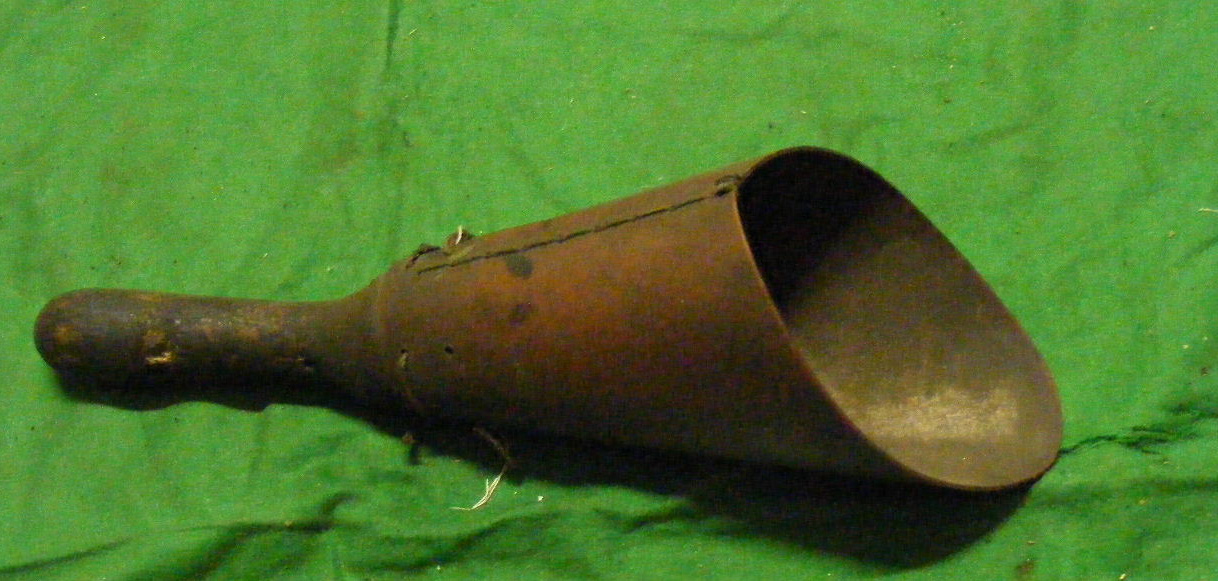
Another unusual item by today’s standards, a BR No. 8 fire extinguisher.  It comes in three parts, a bucket containing special powder with removable lid and scoop to put powder on fire.

198.1

198.2

198.3

It’s amazing what bits and pieces have been collected over the years!!


Chasewater Railway Museum – Spare wheels??

Chasewater Railway Museum 

Spare wheels??

In the ‘Station Tools’ department we have some items which, on first glance, have very little to do with railways, but, rest assured, these spares came from railway station goods departments!

171

The first one is a common 4-spoke whell-barrow wheel, wood with a steel rim.  Very nice joints though!

169

The second one goes up to a 6-spoke wheel-barrow wheel, again wood with a steel rim.

172

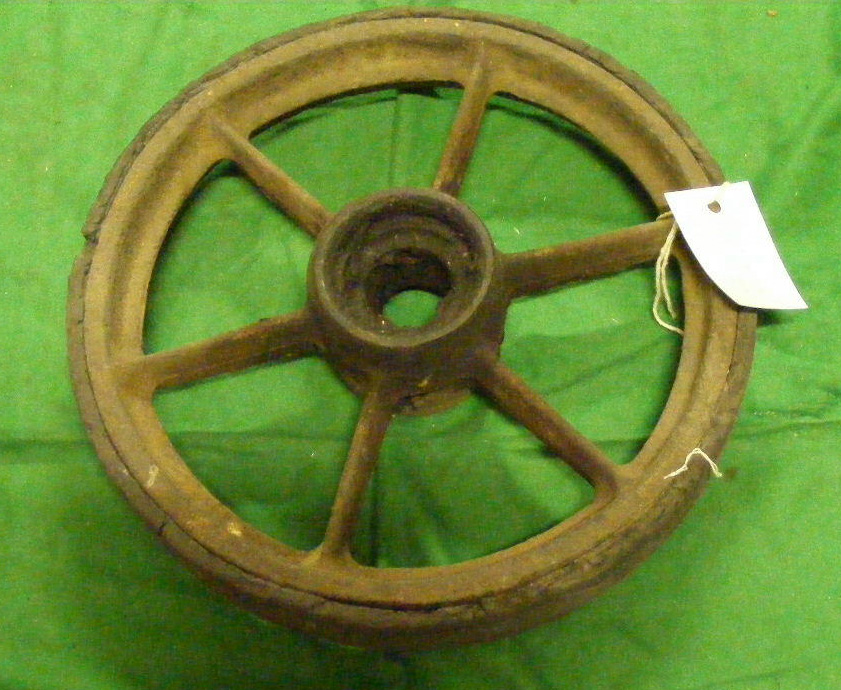
The third wheel is not from a wheel-barrow but from a 4-wheeled platform trolley, made from cast iron with rubber tyre.

170

The final one is a very classy GWR wheel-barrow spare from Wolverhampton, made from cast iron.

Chasewater Railway Museum – One from the collection

Chasewater Railway Museum 

One from the collection
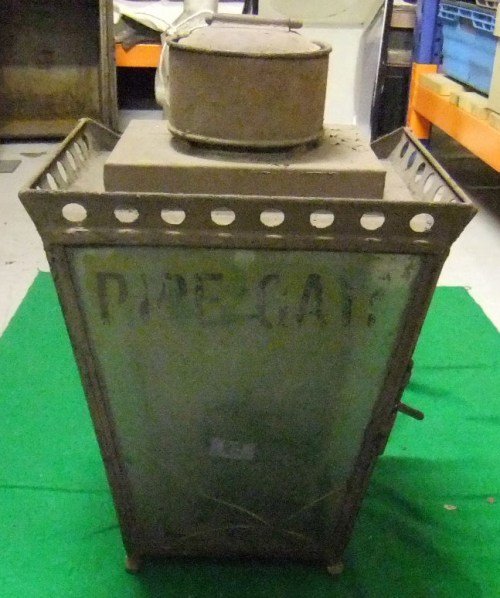
59Wall mounted station lamp from Pipe Gate Station.

Pipe Gate was a railway station on the North Staffordshire Railway’s Stoke to Market Drayton Line.

Construction
Construction was started on the Newcastle-under-Lyme to Silverdale Junction line on 29 July 1864, and the first train ran on 1 February 1870.
The station served the hamlet of Pipe Gate, which is part of the parish of Woore, Staffordshire. It was hence named Pipe Gate (for Woore). Trains from the station ran from Stoke on Trent, to junction with the Great Western Railway at Market Drayton. On grouping in 1923 it was absorbed into the London Midland and Scottish Railway.
Passenger services
The early years of the 20th century were the busiest, there being thirteen trains daily from Stoke to Silverdale and five to Market Drayton. Railmotor services began in 1905, intended to compete with trams and were somewhat successful in this respect, although they only lasted until 1926. The station also serviced Woore Racecourse which opened at Pipe Gate in 1885.

The section between Silverdale and Pipe Gate was reduced to single track in October 1934. Dwindling passenger numbers after World War II meant that there were only two trains daily from Stoke to Market Drayton, and all passenger services ceased on 7 May 1956.
Freight traffic
Express Dairies had a creamery with private siding access to the station, allowing its preferred transport partner the GWR to provide milk trains to the facility, for onward scheduling to London. In 1962 a new “chord” line was opened at Madeley to provide a connection to the West Coast Main Line. This was used as a diversionary route when the Harecastle diversion line was being constructed and continued in use for freight workings once the latter was completed. After the closure of the creamery, the route between Market Drayton and Madeley Chord closed under the Beeching Axe in 1966.
Today
A large amount of rail still exists to the eastern edge of the former and now demolished station, running back towards Silverdale.

Old_railway_line_to_Pipe_Gate_-_geograph.org.uk_-_547352Old railway line still in place near Pipe Gate station, September 2007
The copyright on this image is owned by charles c and is licensed for reuse under the Creative Commons Attribution-ShareAlike 2.0 license.

 

Chasewater Railway Museum – Just two photos tonight.

Chasewater Railway Museum –

Just two photos tonight.

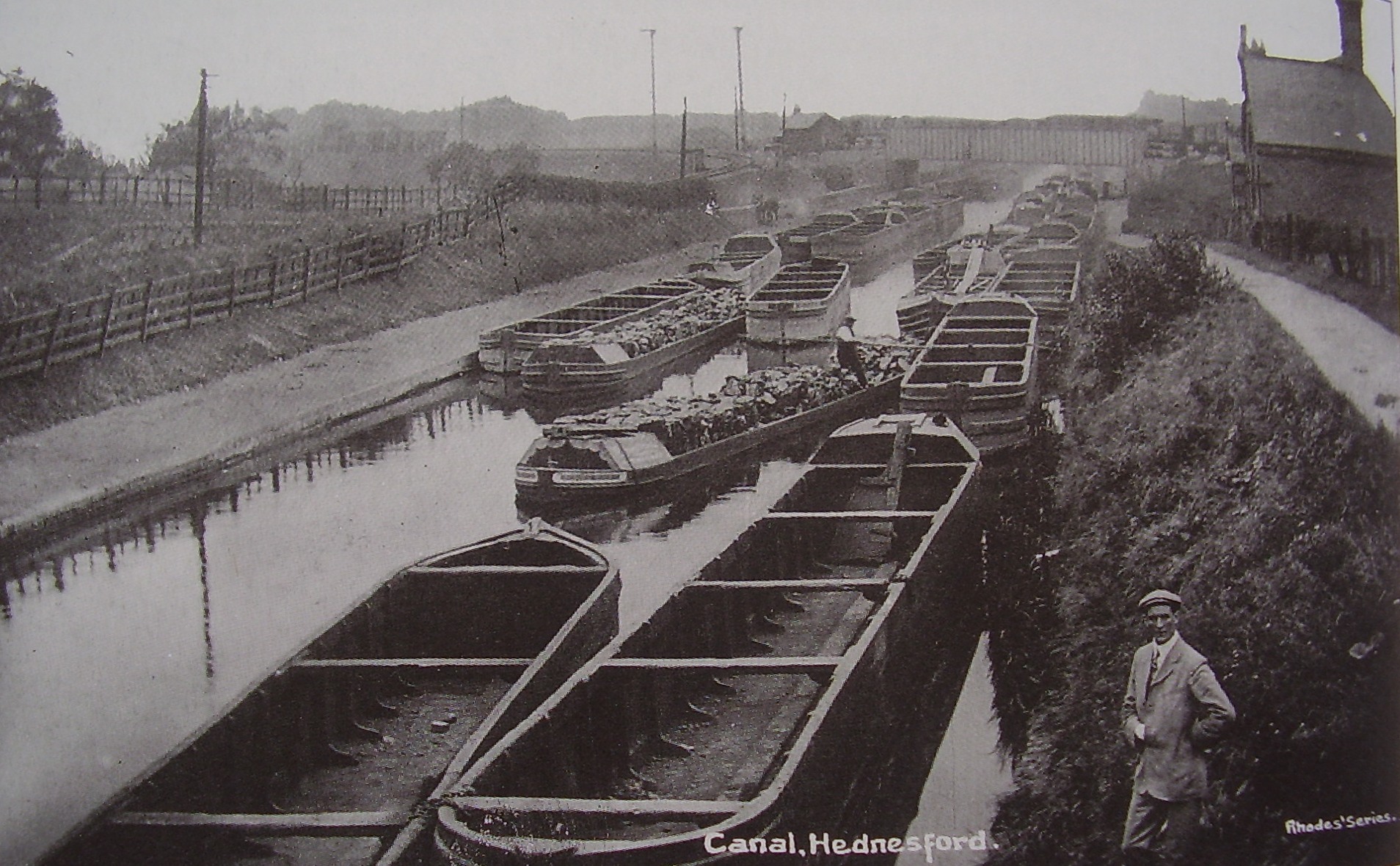
This canal basin was situated at the end of the Cannock Extension Canal, which left the Wyrley & Essington Canal at Pelsall.  The site was on land opposite the Globe public house ( or where the Globe used to be!), off the East Cannock Road.

OLYMPUS DIGITAL CAMERA

OLYMPUS DIGITAL CAMERA

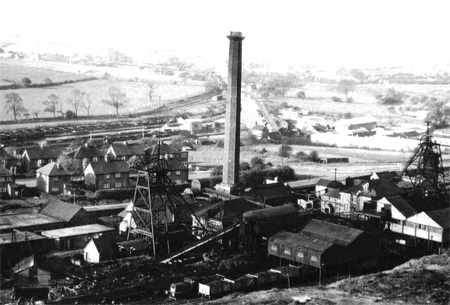
The East Cannock Colliery was on the other side of the East Cannock Road.

The building on the right of the picture was the Boatmen’s Mission.


East Cannock Colliery from the pit mound.

The basin is in the background, to the right of the chimney.

Chasewater Railway Museum – 3 from our photo collection

Chasewater Railway Museum

3 from our photo collection

Chasewater Heaths

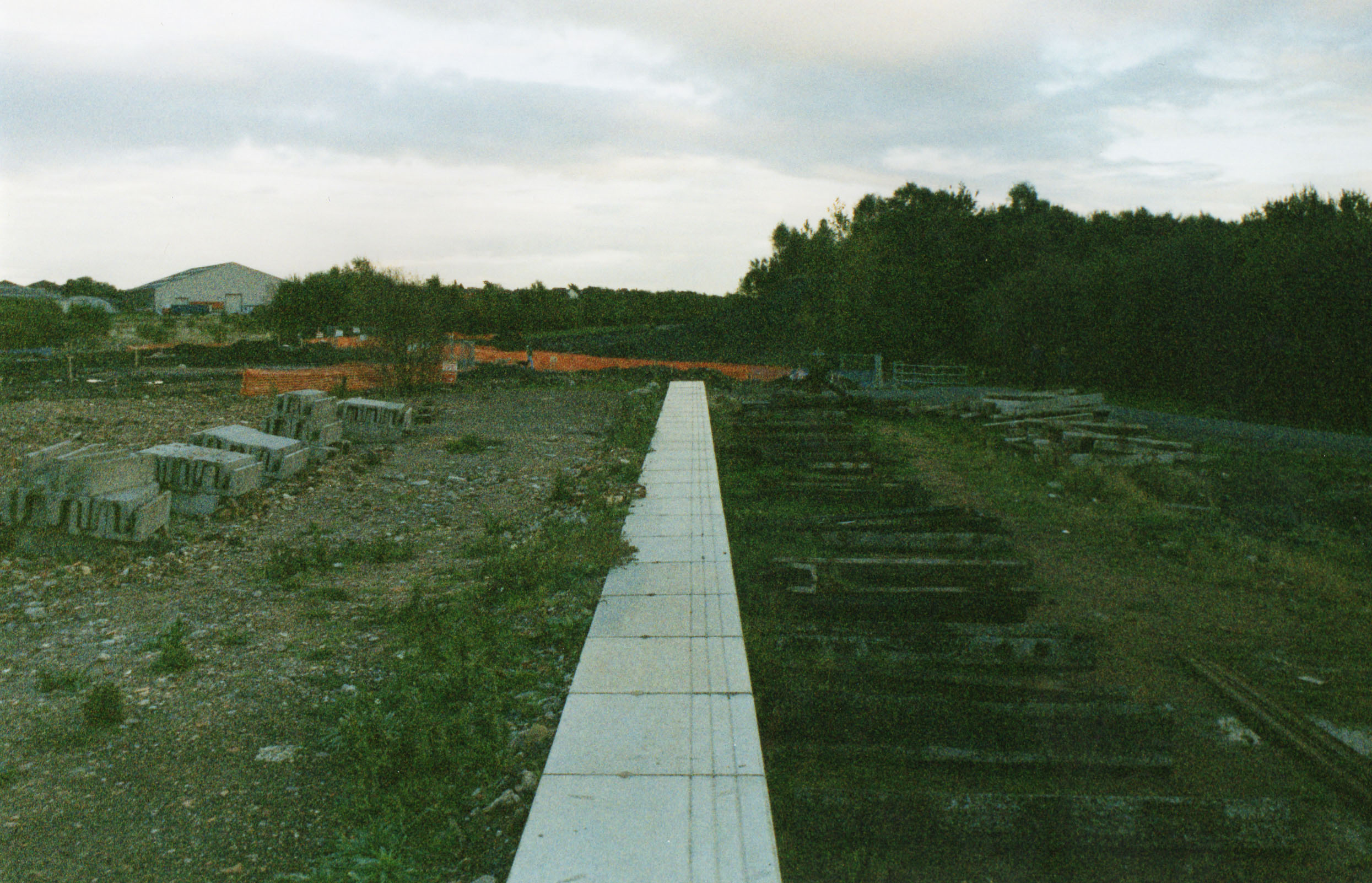
The first two photos were obviously taken in the early stages of development of the site of the station and of the by-pass.

In this first photo, on the left hand side, you can see the platform edge – on the right is the Burntwood ring-road taking shape. Taken around 2000.

5883 crop

The second photo, taken from the platform edge, is pointing towards Chasetown, Church Street and the Rugby Club.

5892 crop

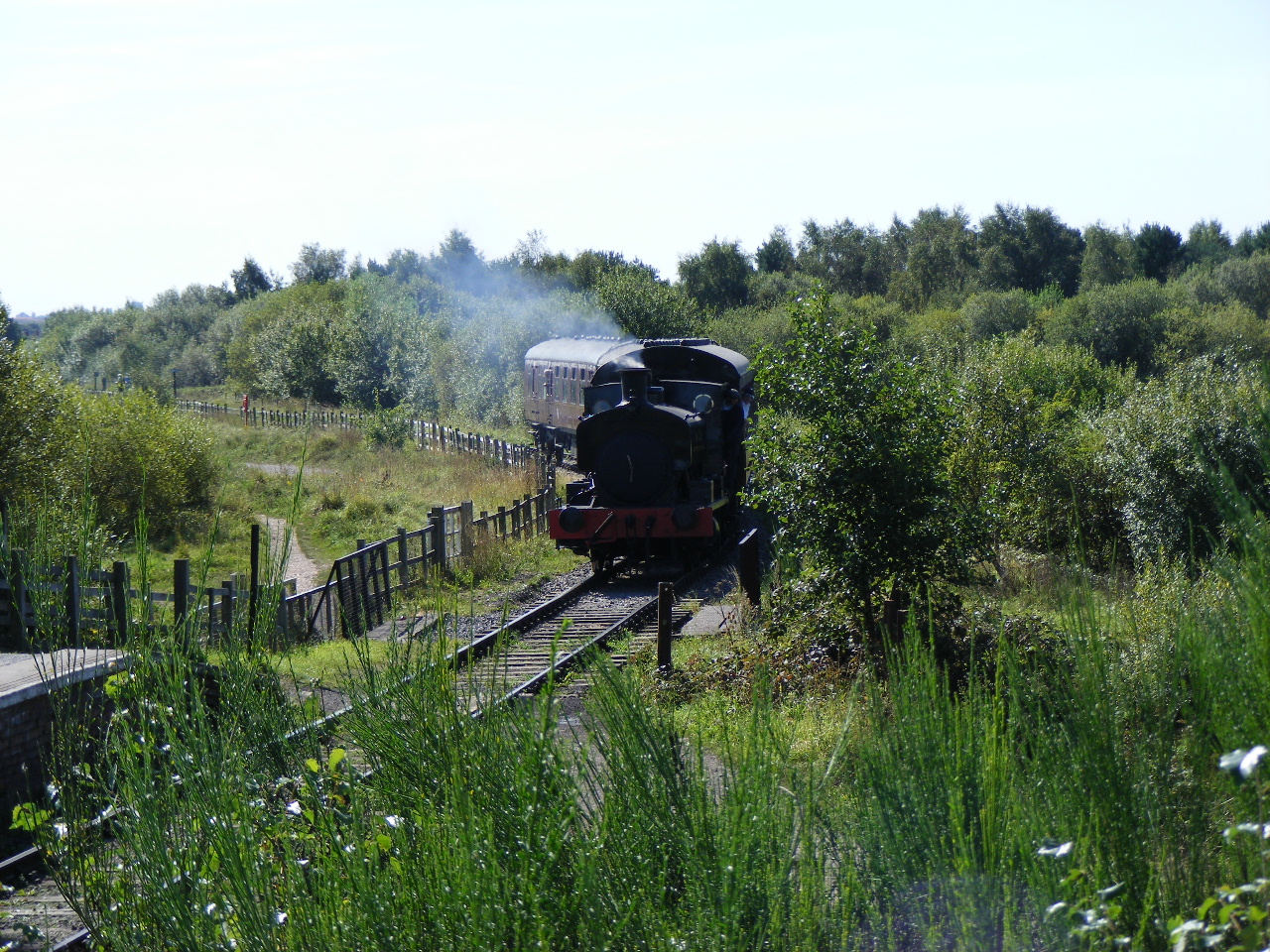
Chasewater Heaths in operation, with Hudswell Clark- Port Talbot 0-6-0ST No. 26 (GWR 813) – taking a freight train through towards Brownhills West. Taken in 2009.

813 Taking a freight train through Chasewater Heaths

Chasewater Railway Museum – The Causeway

Chasewater Railway Museum

The Causeway

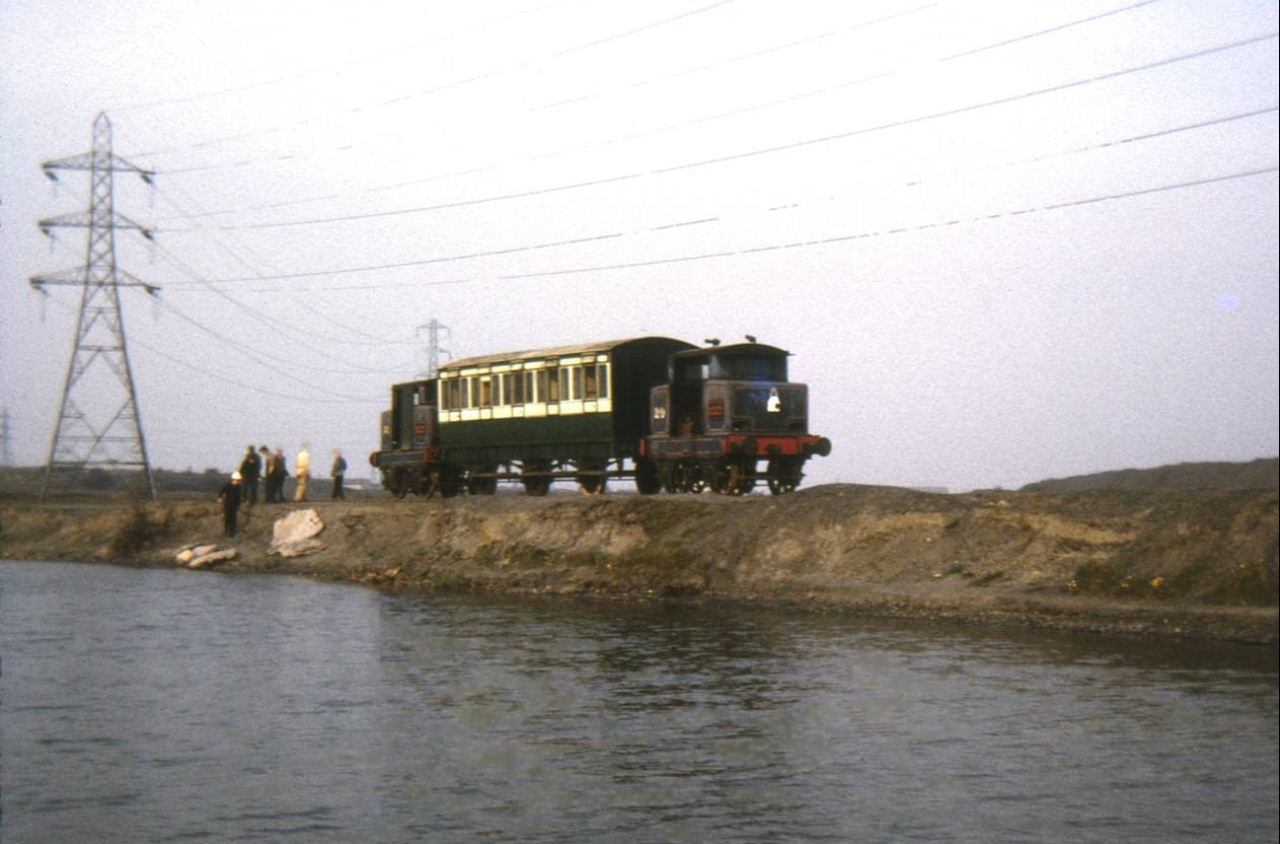
Causeway April 1971

Worthington locos Nos.20 & 21 on the causeway with the Maryport & Carlisle coach in April, 1971

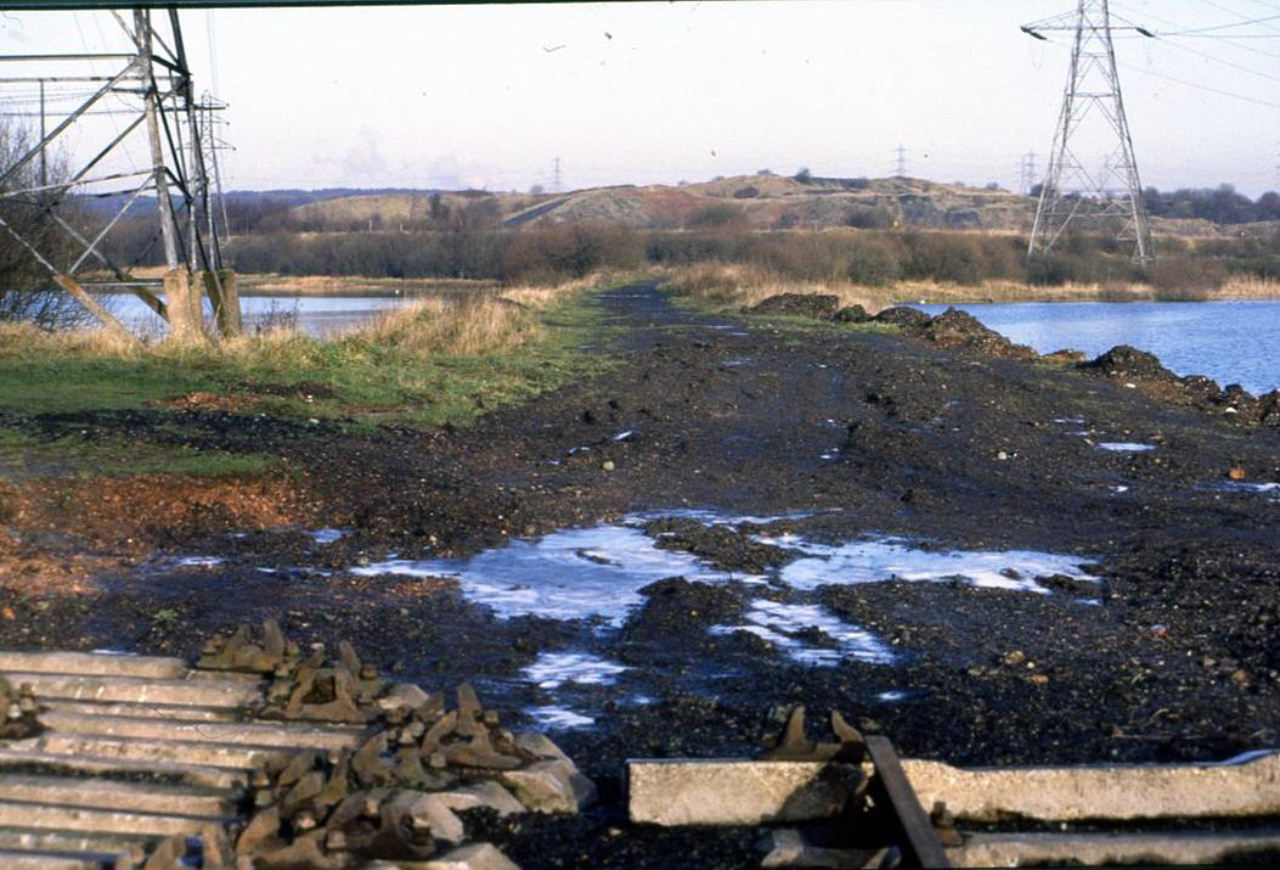
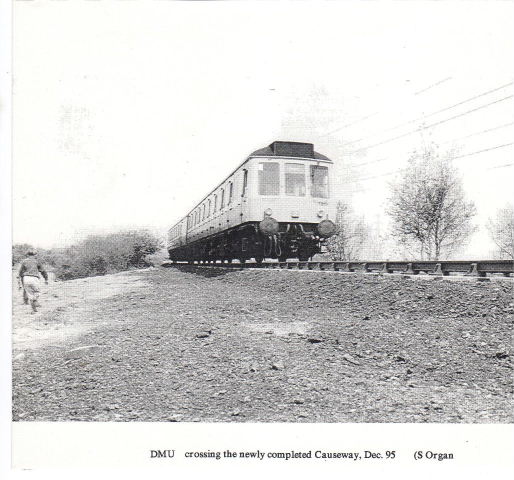
Causeway 1992

Taken in 1992

DMU on causeway001

Causeway 2005

Taken in 2005

2011_03250028

2011 – A hole in the Causeway!

2011_05280007

Later in 2011

2011_05280016

May 2011 – First train over re-opened causeway.

2009_09120020

Just to show steam locos use it too !!

Chasewater Railway Museum – the first loco

Chasewater Railway Museum 

The first loco 

from our photograph collection

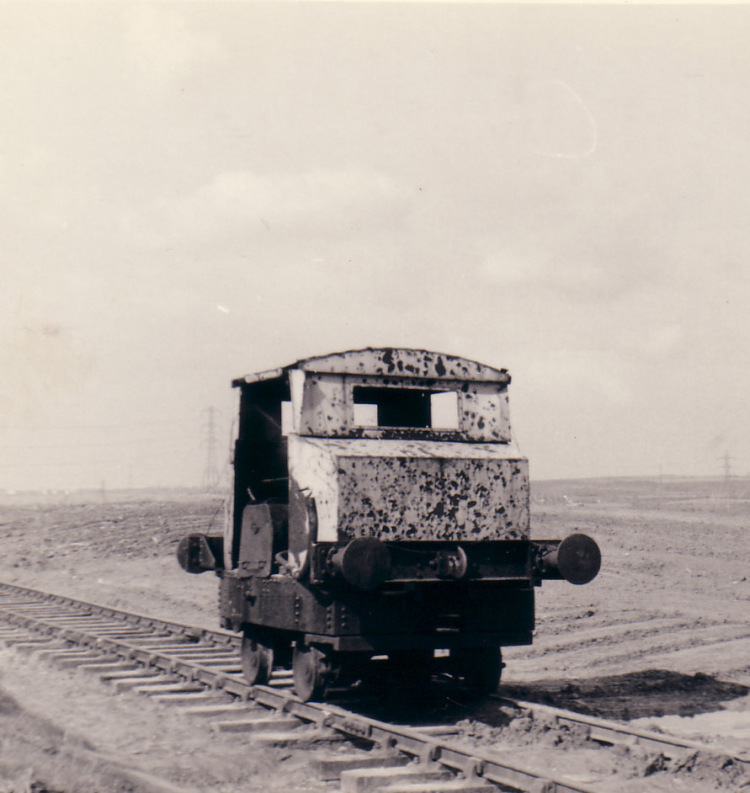
pittsteel-no-1-planetPittsteel No.1 – Another photo from Laurence Hodgkinson’s collection

It wasn’t until late 1967 that motive power arrived in the shape of Pittsteel Hibberd No.1.  Development at Chasewater was slow and laborious and it wasn’t until 1970 that all stock at Hednesford had been transferred to Chasewater and the Hednesford depot closed.

Chasewater Railway Museum – More wide open spaces!

Chasewater Railway Museum

More wide open spaces!

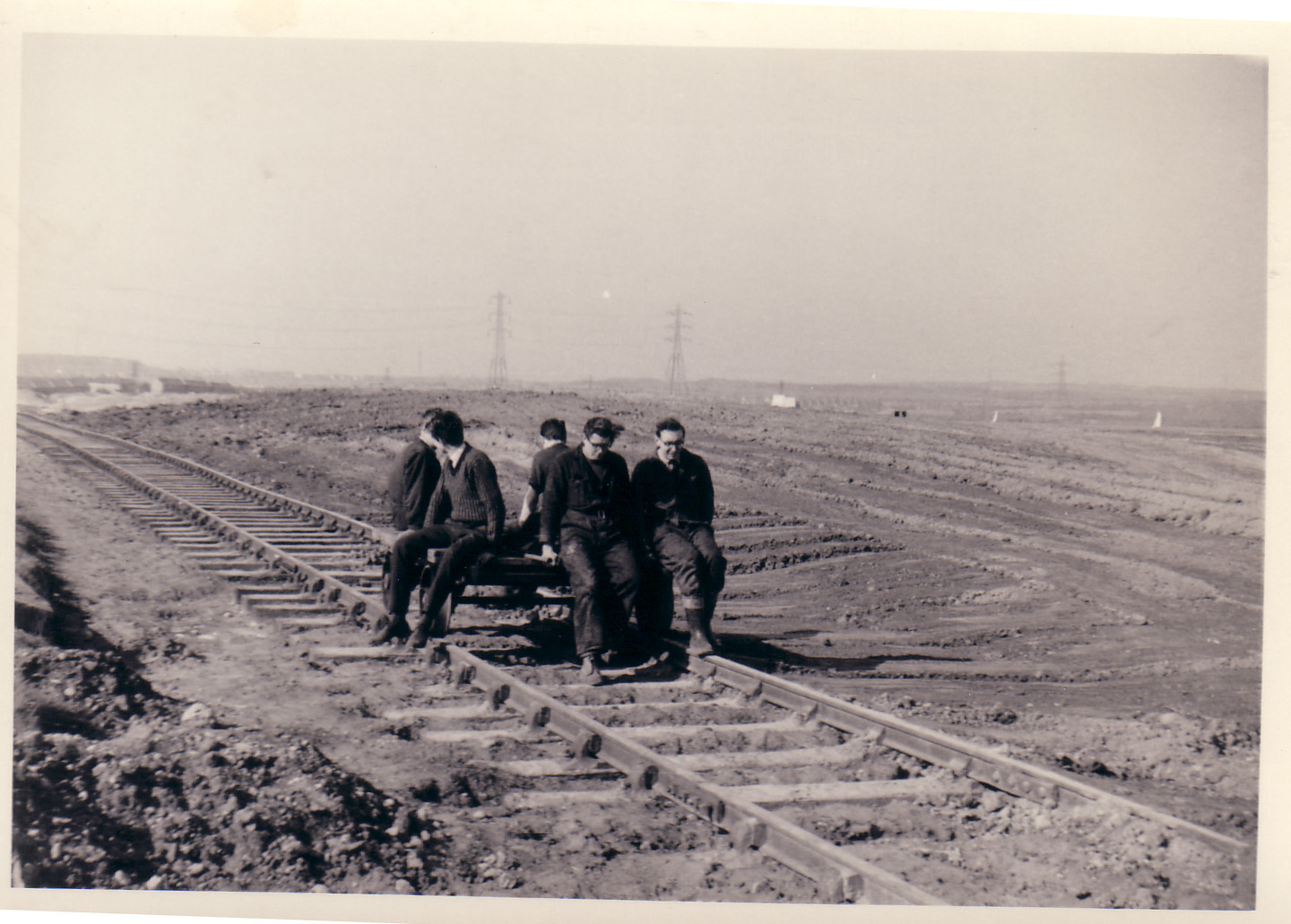
Taken from a collection by Laurence Hodgkinson in 1966.

Chasewater 66 5

Bleak or what!

Steam Railway??

Chasewater Railway Museum – Another photo on the Causeway

Chasewater Railway Museum

Another photo on the Causeway

7176.15

This time the Neilson – 2937/1882 carrying the ‘Alfred Paget ‘ nameplates –  heading a freight train  of wagons in various liveries (including rust!), with the Cannock Chase Colliery brake van – affectionally known as the ‘slum’  bringing up the rear.

CCCC Brake Van

This brake van has now fallen into major disrepair, with the chassis collapsing and breaking the sole bars.  The interior of the van still remains dry.  It has had a few coats of paint over the years, but, as the last known item of rolling stock which actually ran on the line in the mine-working years, it seems a shame that more cannot be done to restore it.

Chasewater Railway Museum – A locally built loco.

Chasewater Railway Museum

A locally built loco.

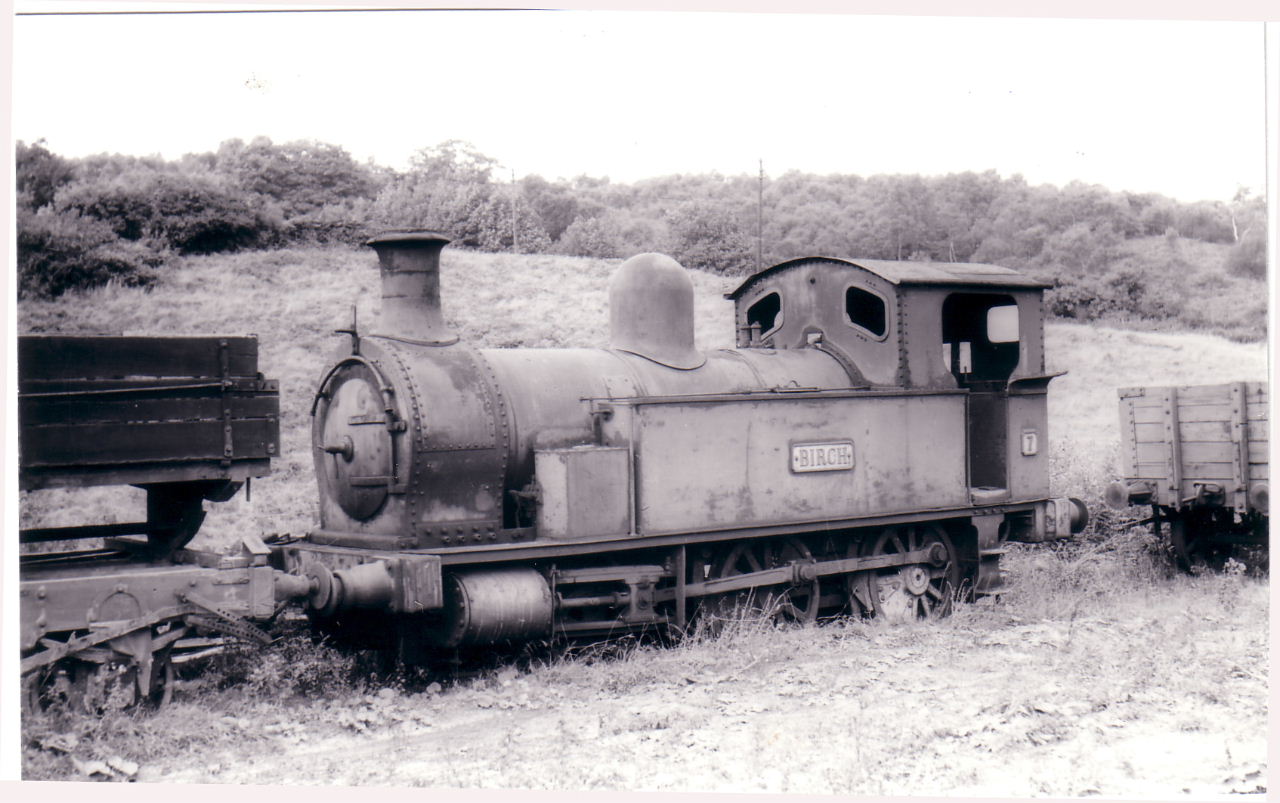
A photograph from our collection of one of the locomotives which worked in the area and was actually built here!

05040 No.7 Birch 2-4-0T Bt Rawnsley 1888 C & R

No.7 Birch 2-4-0T Built at Rawnsley in 1888 but not put to work till 1890. Worked at Brereton 1949/50. Scrapped at Brereton circa 1956.

This next picture shows the loco well past its best – very sad.

05044 No.7 Birch 2-4-0T Bt Rawnsley 1888 C & R  Past its best