Chasewater Railway Museum
November 2018 Newsletter

A rather curtailed newsletter this month, however, our curator is slowly recovering from his injury and I am recovering from days-out (well, almost !!)
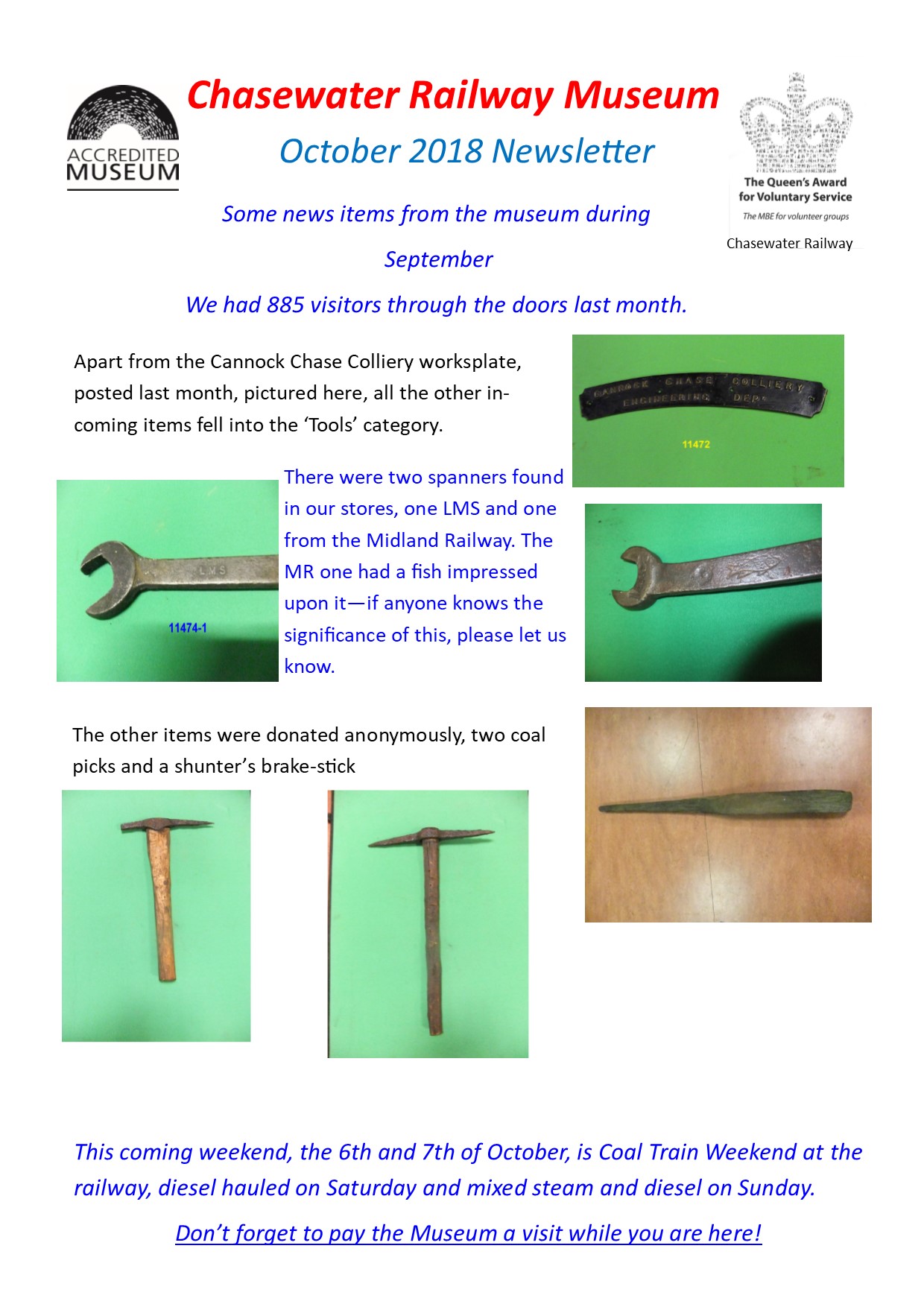
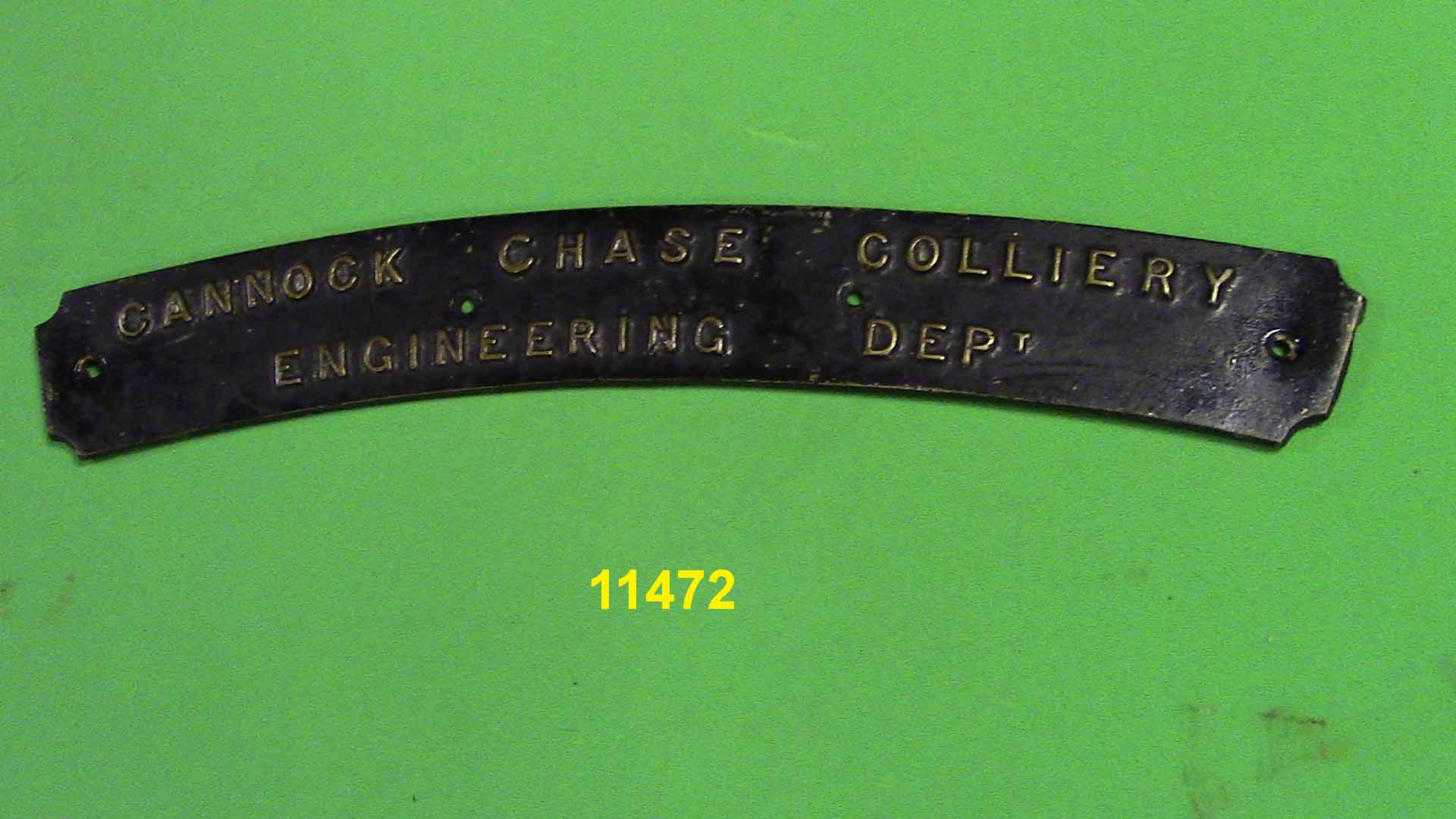
A worksplate from the locally built locomotive ‘Foggo’
Foggo, 1946, from a standard gauge 0-4-2ST built at the Chasetown workshops of the Cannock Chase Colliery Co.Ltd. in 1946, using parts supplied by Beyer Peacock, together with spare parts accumulated over the years from similar locomotives already at work at the colliery. The name derives from Mr. Foggo, the General Manager of the company at the time and the nameplate incorporates the year of build. It became National Coal Board property on 1st January, 1947. Transferred to Coppice Colliery in early 1954 and to Brereton Colliery later the year. Scrapped by W.H.Arnott Young in January 1961. Cast Brass, 21½”x 8¾”, the front repainted.
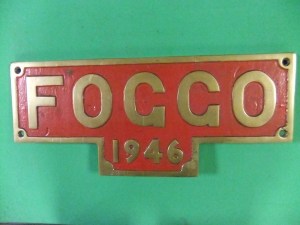
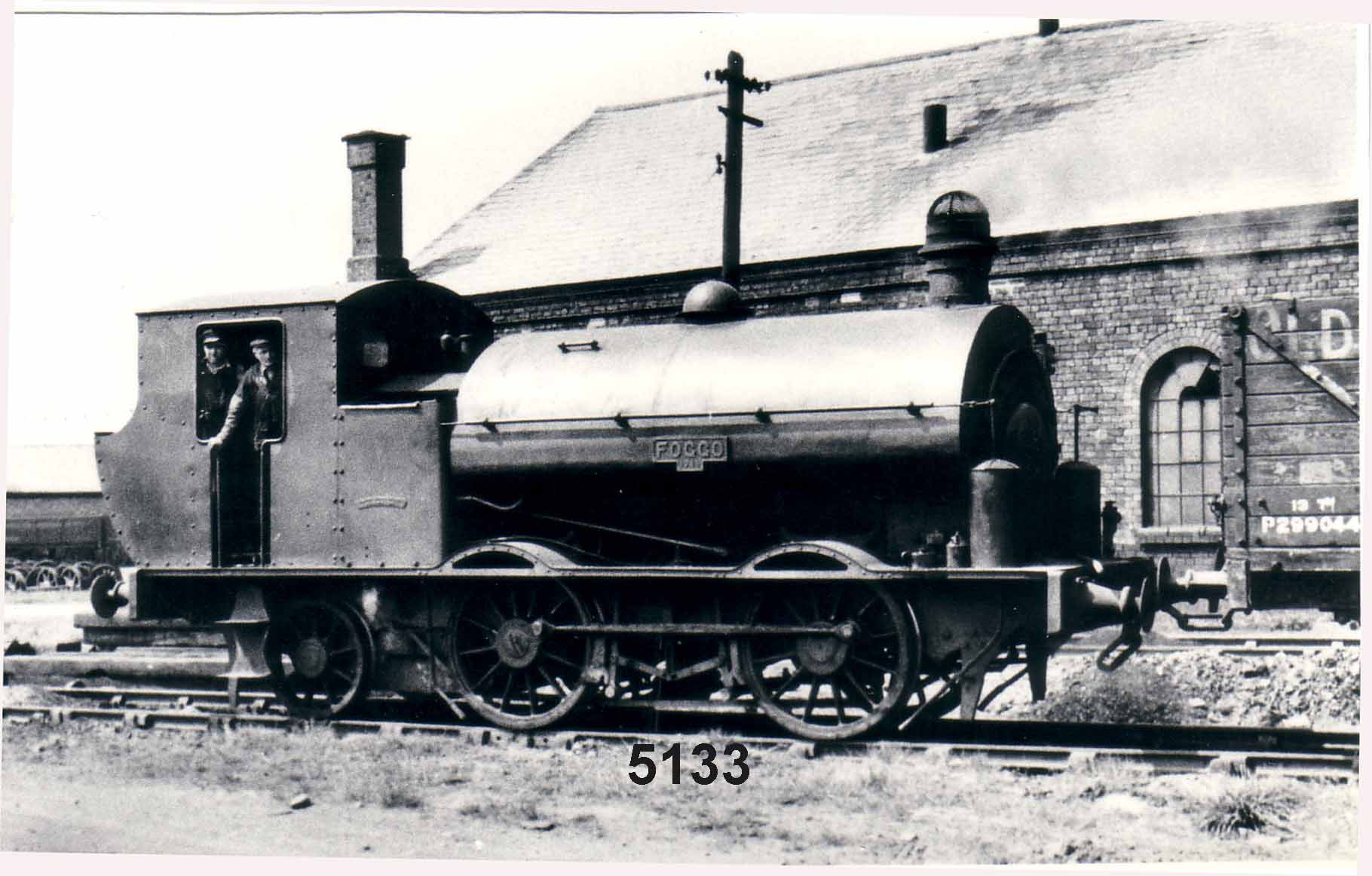
5133 Photograph Foggo 0-4-2ST Built Chasetown 1946 – taken 2-8-1942 from spares and parts supplied by Beyer Peacock Album 1
The worksplate can be seen on the side of the engine.

Posted in Newsletters
Tagged Brownhills, Burntwood, Chasewater Railway Museum, Old Railway Lines, Staffordshire, Steam Trains
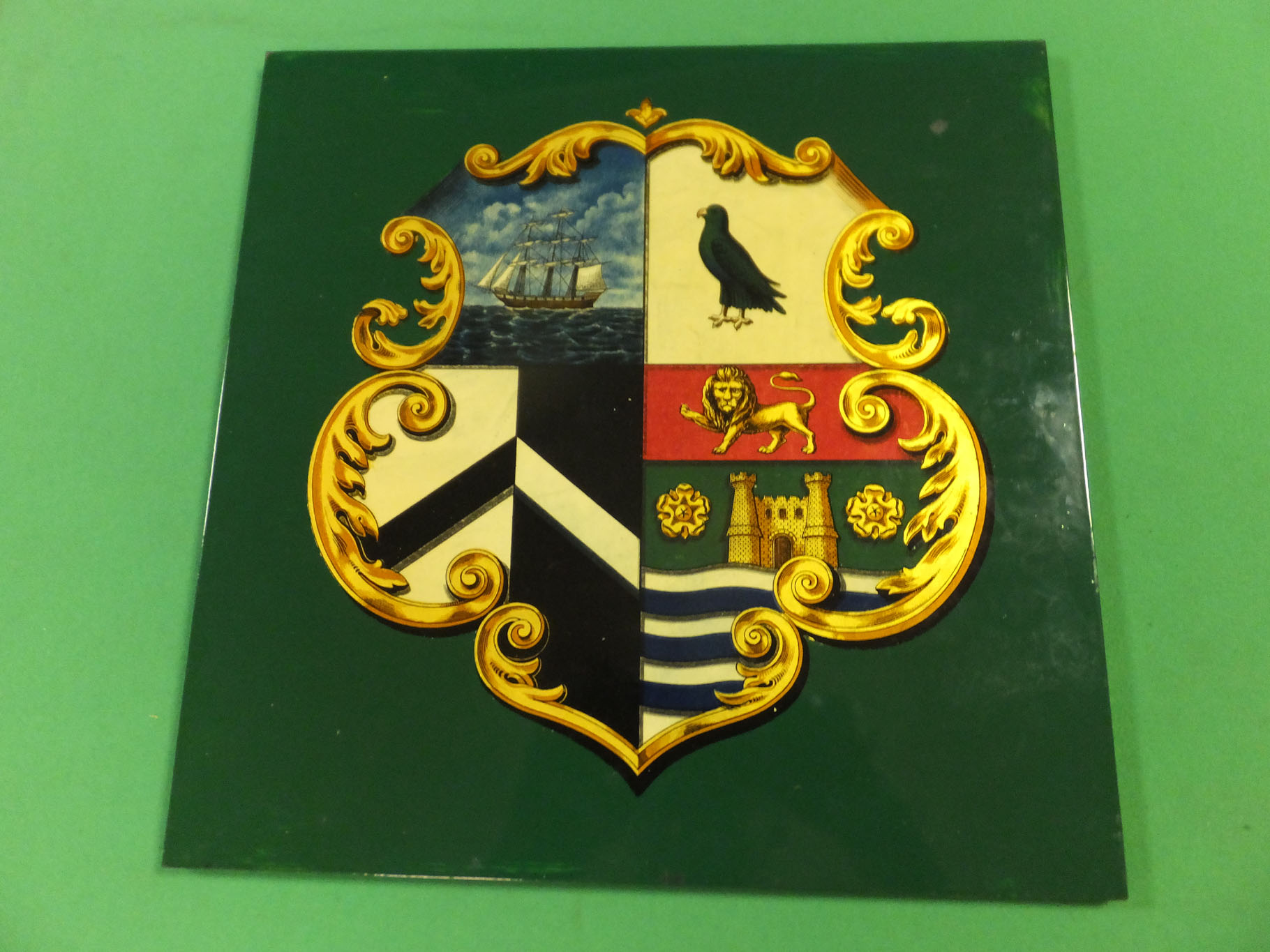
Chasewater Railway has a 6-wheeled coach which belonged to the Maryport and Carlisle Railway, before being used as part of the Paddy Train at Cannock and Rugeley Colliery Pit at Cannock Wood. The Coat of Arms is a long sought-after object for the Museum.
There were 27 subsidiary companies in the group of railways which made up the LMS, but only a handful of them owned locomotives and rolling stock.
The oldest was the Maryport & Carlisle, which was incorporated as long ago as 1837. It was opened in instalments and completed throughout on 10th February 1845, eventually owning nearly 43 route miles of line. It enjoyed an enviable dividend record, which rose to a peak of 13% in 1873, and it was one of the most prosperous of all British railways over a long period of years. It contributed 33 locomotives, 71 coaching vehicles and 1,404 freight vehicles to the LMS.
Two early types of transfer for the decoration of the coaching stock, which was given a varnished teak external finish at the time, have been traced. One was a conventional script monogram. The other consisted of the initials ‘MCR’ on a red field surrounded by an Oxford blue garter with the usual gilt edging, ornamentation and legend bearing the full title. It measures 9¼ in wide X 11¼ in high over black shading.
A livery of green with white upper panels was adopted in 1905 for the passenger train vehicles, which blended pleasantly with the green of the locomotives. Five years later Tearnes produced for display on both an armorial device which shared with that of the Central London the distinction of embodying neither name nor motto.
The transfer measures 10¼in wide X 16¾in high and is simple and appropriate. On an ornamental shield Maryport (top left) and Carlisle (bottom right) are quartered with the arms of J.P. Senhouse of Netherall (top right), represented by the popinjay, and those of Sir Wilfred Lawson (bottom left). Senhouse and Lawson were the first and fourth chairmen the company had during its eighty-five years of life.
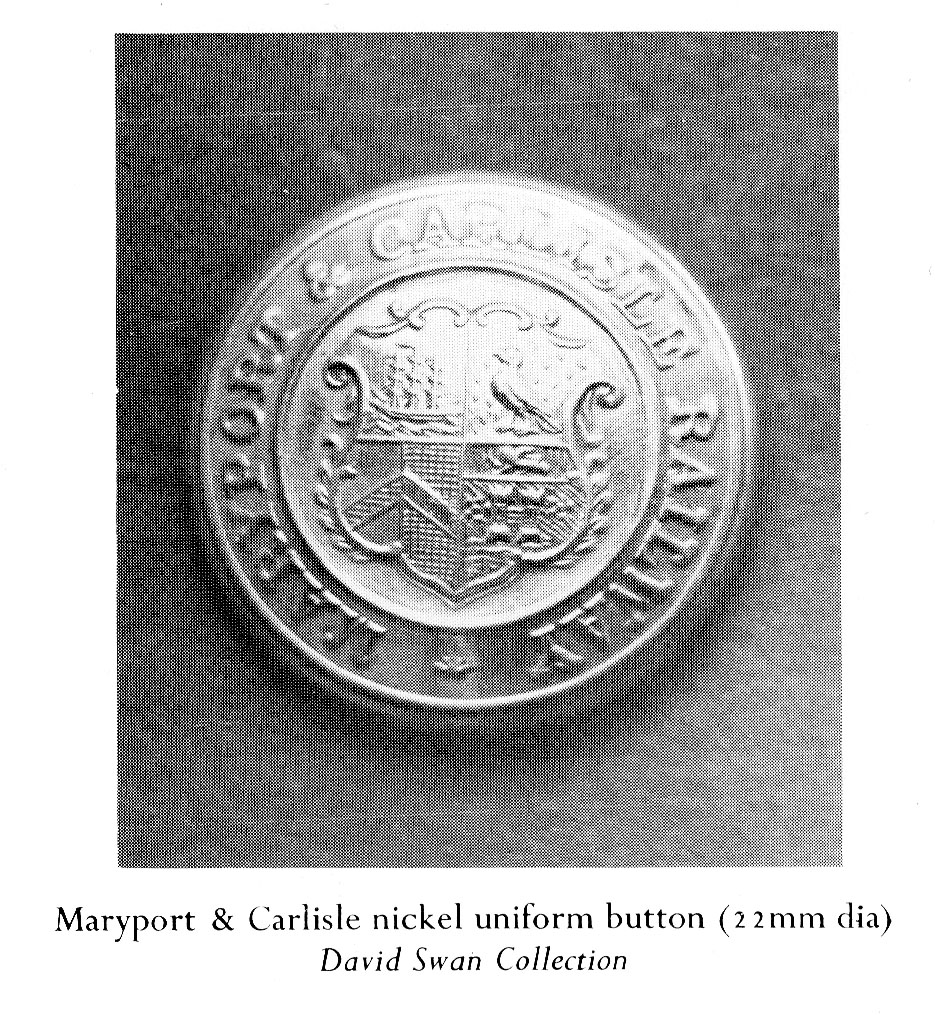
Uniform buttons carried the same device.
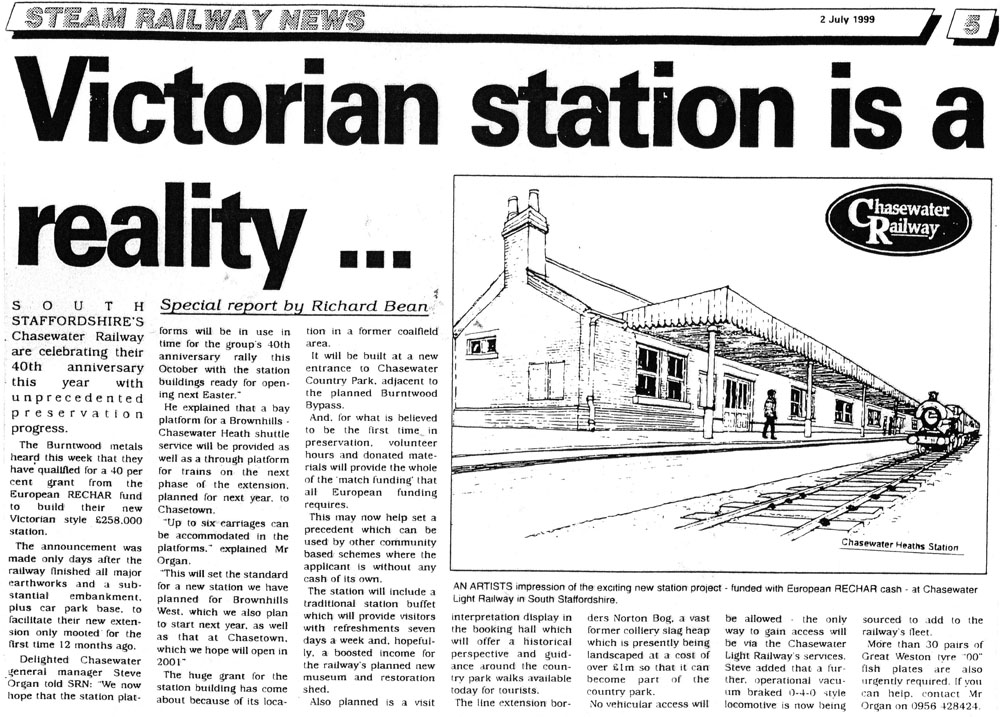
The photo has nothing to do with the article, but it’s old!
The first newsletter of the RPS was published in July 1959 and followed the information given in the previous leaflet.
It invited members “to send letters, articles and news items for inclusion in future issues”.
Other items raised were “Why don’t we take over a Branch Line?” The short answer was – not enough members.
“What type of Branch Line are we interested in?”
“The type of branch line we are interested in would have adequate storage space for relics and must be within easy access of large centres of population. The exact criteria will be the subject of investigation by your committee, but we must bear in mind that the bulk of traffic would come from visitors on summer weekends and Bank Holidays who would not necessarily be railway enthusiasts. We should be able to offer such people other attractions in the way of fine scenery and a terminus that is a natural tourist attraction with good facilities for meals, sight-seeing, etc”.
“Where will this Branch Line be?”
The early RPS members studied a proposal for taking over a line in South Devon but after consideration turned it down for two reasons
“1) Too small membership to make it possible.
2) Too far from the large centres of population where the greatest support would come from.”
The thinking behind ‘Districts’ was explained.
“We think it desirable that wherever possible members should be able to visit a place where active work is going on during summer weekends or even just for an hour or two in the evening. Also by concentrating our collection of relics in one place, we would deprive many members of the opportunity of seeing the relics of their local railways.
“Working from this basis, we have evolved the idea of an organisation built up of districts, each playing their own part within a national plan for preserving a collection of relics. The first district has been formed, covering the counties of Herefordshire, Shropshire, Staffordshire, Warwickshire and Worcestershire, and this is called the West Midland District. A meeting of local members has been called to discuss plans for a London and Home Counties District. The suggested area is the counties of Bucks, Essex, Herts, Kent, London, Middlesex, Surrey and Sussex. Other suggested areas for similar schemes are East Midlands, N.W England, Scotland, South Wales, Tyne/Tees and Yorkshire.”
Other items were – How do we form a District, Increasing our Membership, and the names and addresses of the officers of the RPS.

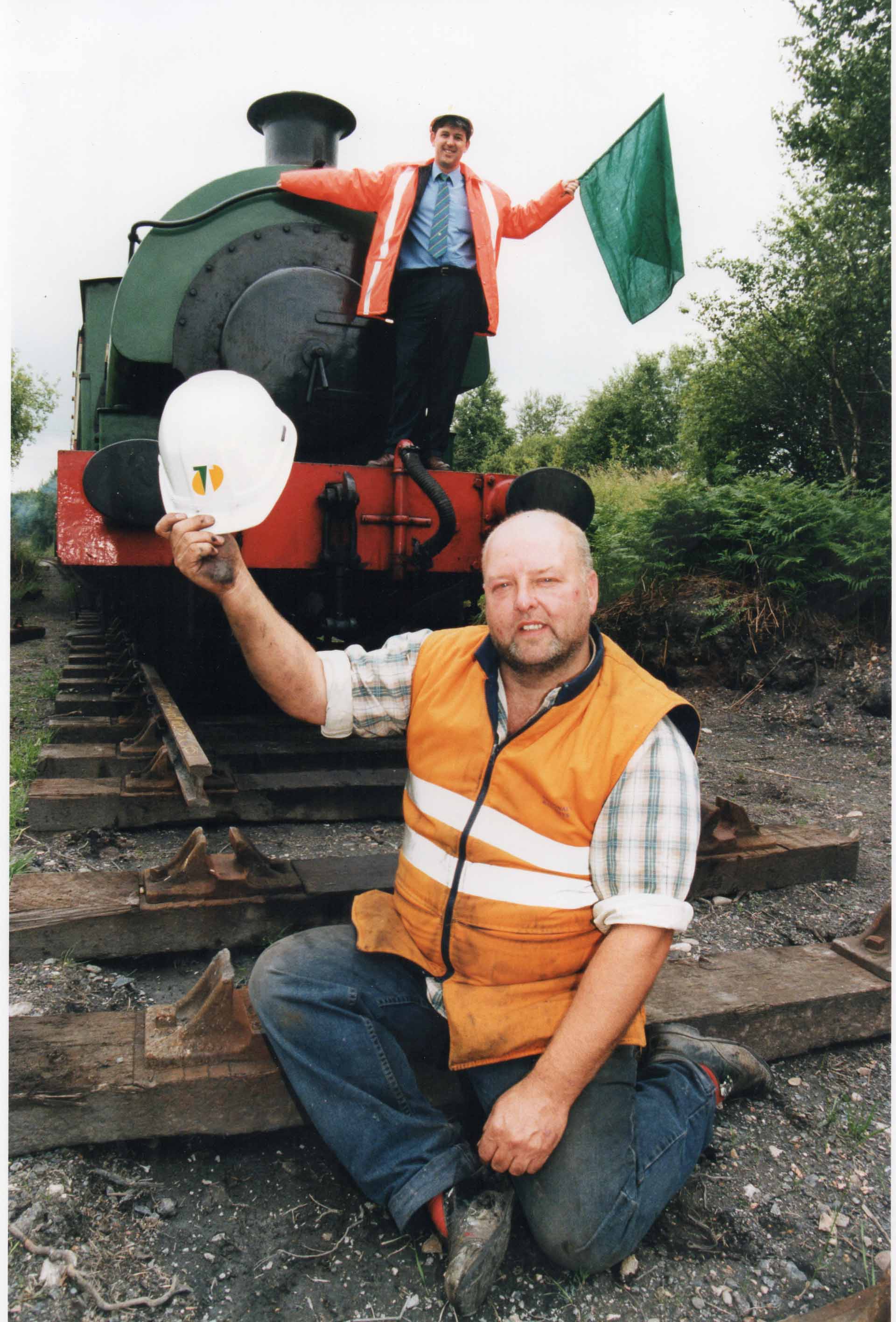
On the right track! Chasewater Railway General Manager Steve Organ cheers the news that the line extension can continue as Lorne Grey, who is in charge of Centrac’s recycling operations, gives the project the green flag. July 1998.
 Chasewater Railway Museum