Tag Archives: Chasewater Railway Museum

Handbills – Sports other than Football!

Handbills – Sports other than Football!

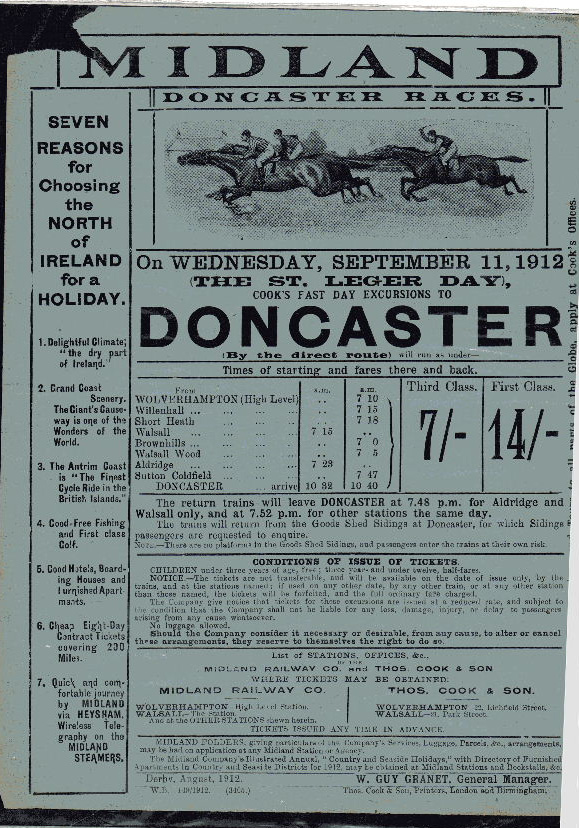
8435A Midland Railway trip to Doncaster, 1912

8441

Anyone for tennis – LNWR off to Leamington

8462

The Southern Railway off to Glorious Goodwood

8468

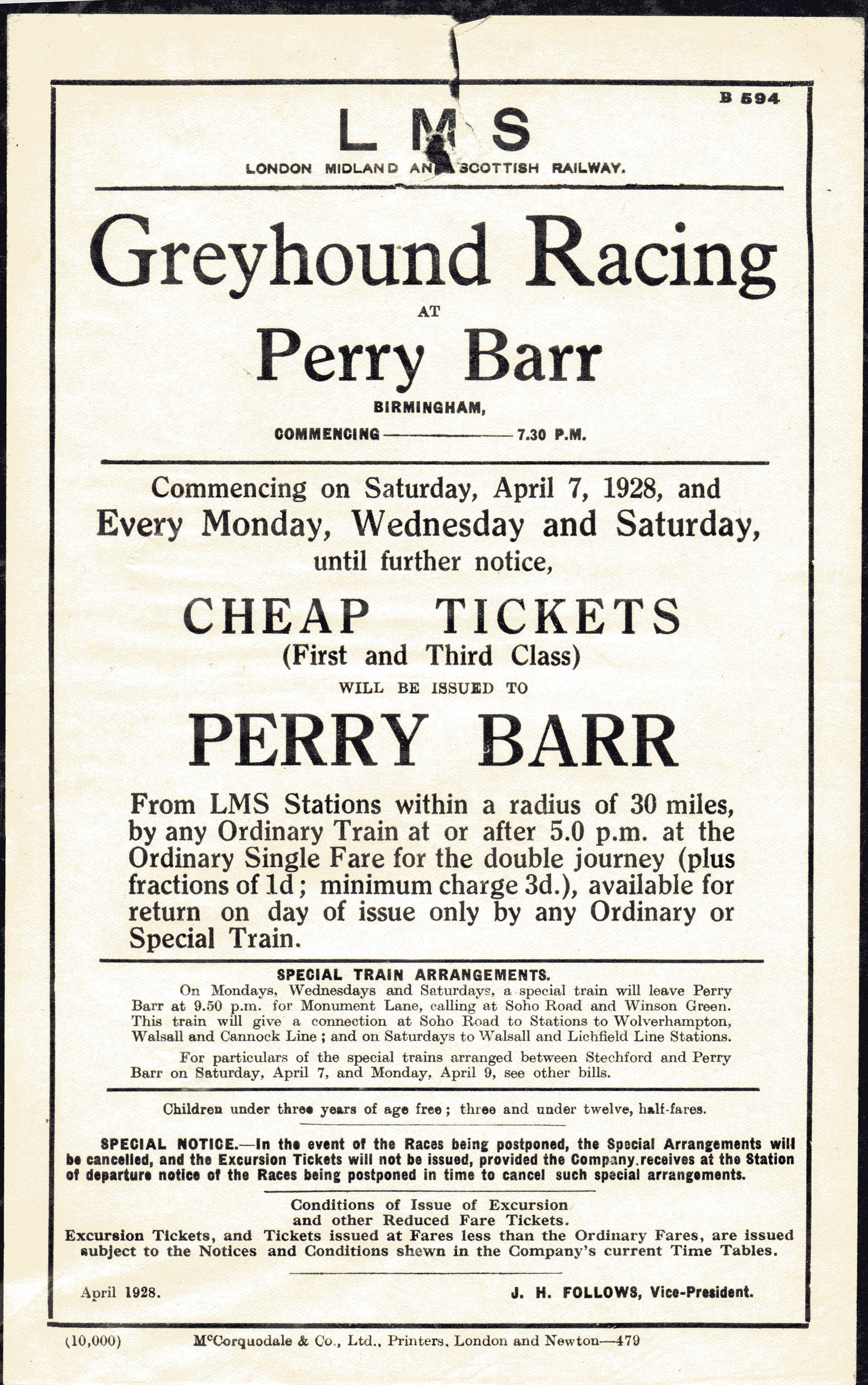
The LMS going to the dogs!  Three times a week!

8472

County Cricket via LMS

8513

Over the sticks! Racing at Bromford Bridge by the LMS

Photos from the Archives – the old Brownhills West

Photos from the Archives

The old Brownhills West


A couple of photos of the old Brownhills West Station

5900

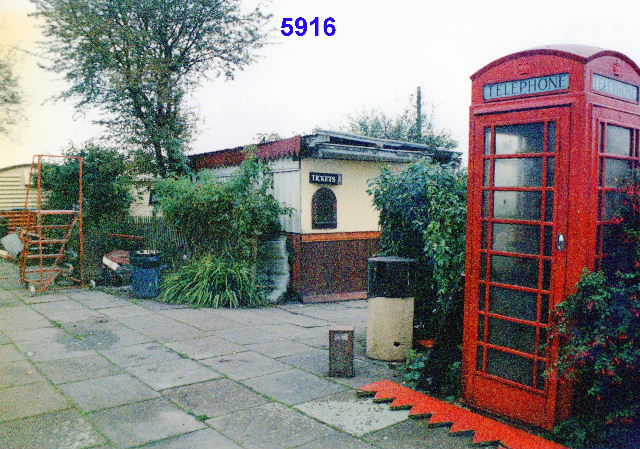
5916

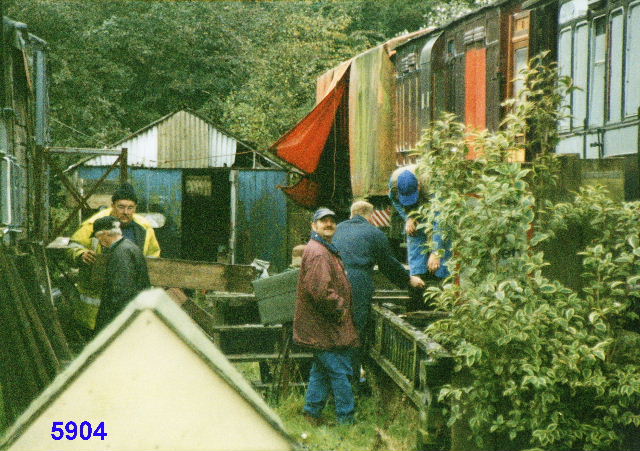
Clearing out the old Brownhills West Station Yard

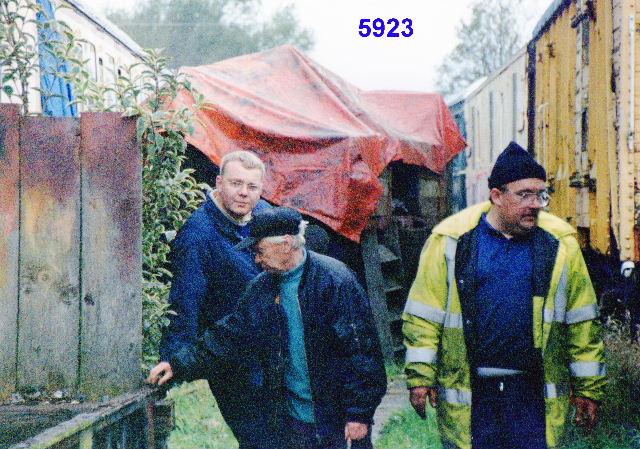
5923 

5904

5912 

Before starting the new…5899

Chasewater Railway Museum – New Acquisitions

Chasewater Railway Museum

New Acquisitions

Booklet 1

Our curator, Barry Bull, has been collecting again – this time a series of booklets published by the Institution of Railway Signal Engineers.

The booklets contain the substance of a series of educational lectures prepared for students under the auspices of the Institution of Railway Signal Engineers.

There are thirteen booklets in all and comprise the complete set.  As there are three signal boxes at Chasewater Railway, these booklets will hopefully contain useful information.Booklet 13

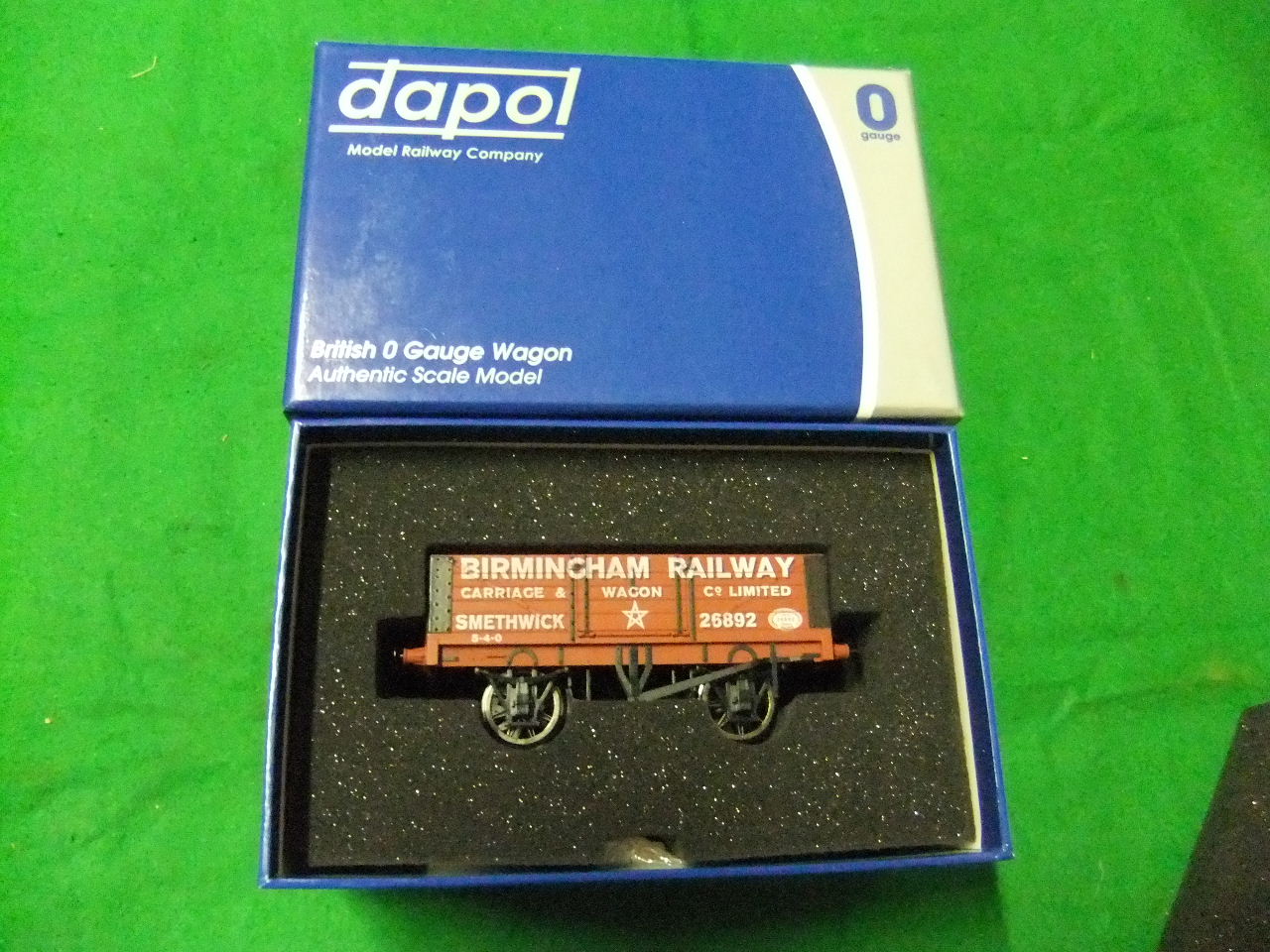
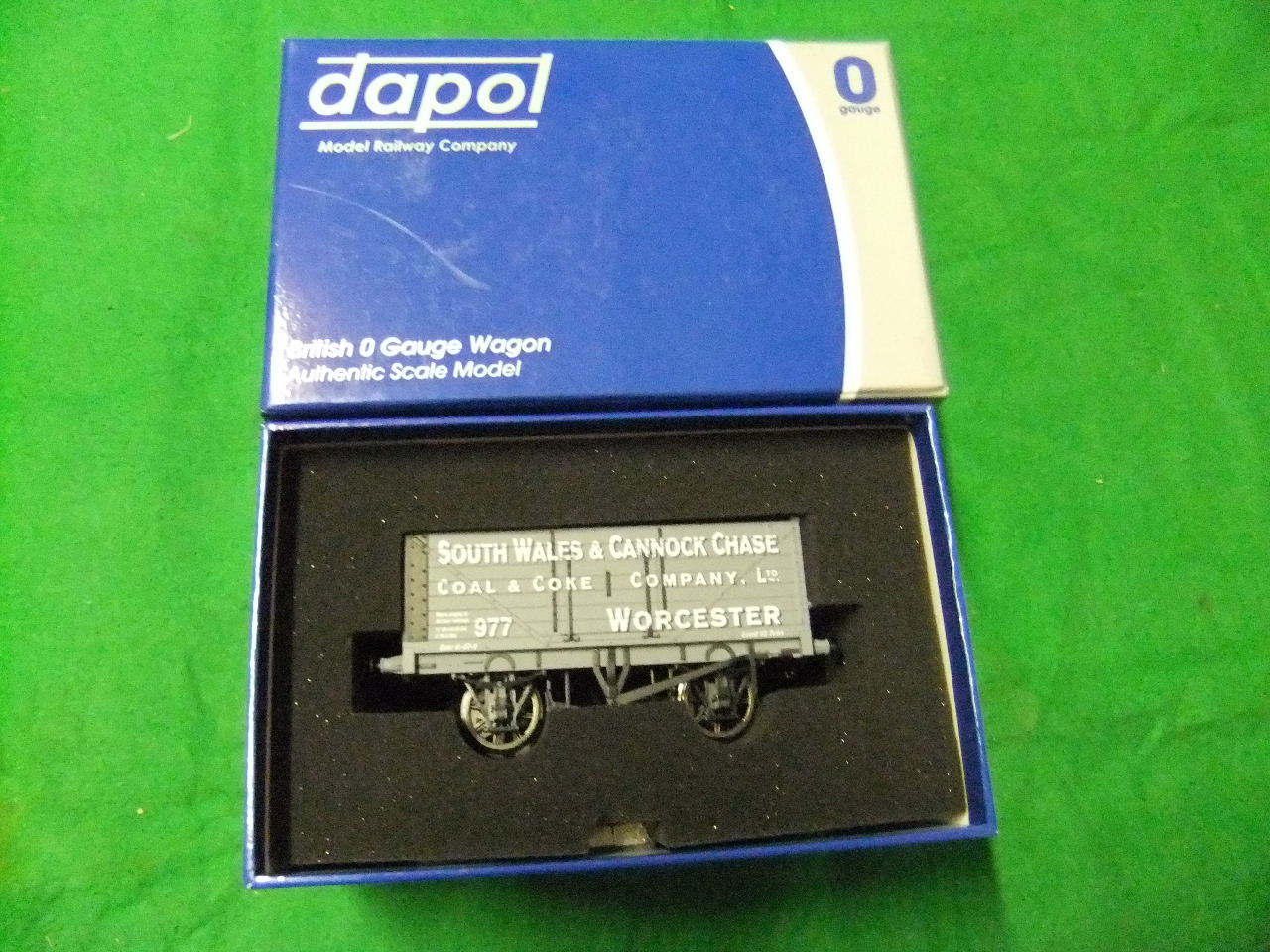
Also collected, three ‘Dapol’ O Gauge model wagons.

BirminghamMetropolitan

A 5-plank wagon of the Birmingham Railway Carriage and Wagon Co.

An 8-plank wagon of the Metropolitan Railway Carriage and Wagon Co.

and a 7-plank wagon of the South Wales & Cannock Chase Co.

We have also got a photo of a wagon from this company as new.

S.Wales & CC

05371 S.Wales & C.Chase coal wagon

Railway Relics – Locomotive Headboards

Railway Relics

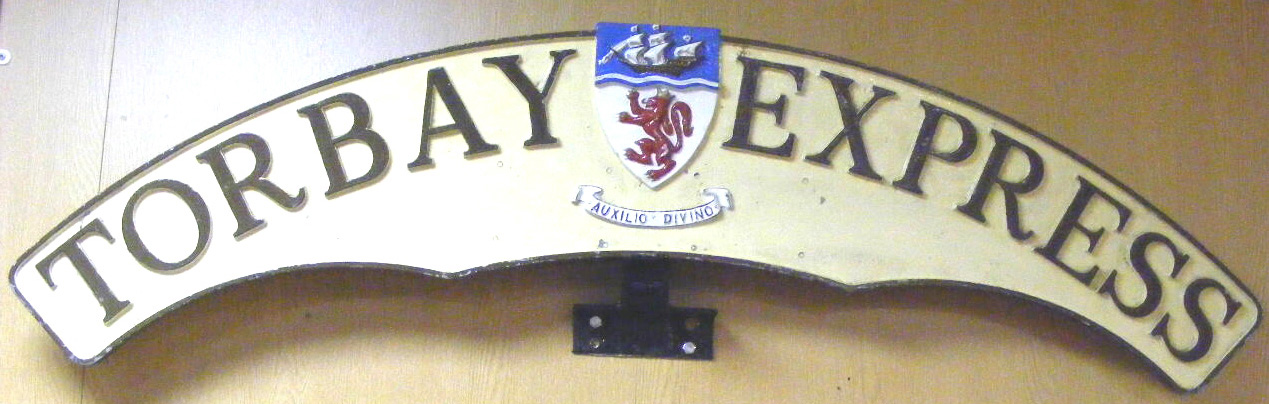
Locomotive Headboards2023 torbay Express Repro

This is a reproduction headboard on loan to the museum.

Headboards were provided for locomotives hauling some of the crack express passenger trains which, for publicity purposes, were given official names.  Some of the more famous named trains were the Cornish Riviera Limited of the Great Western Railway (GWR), the Brighton Belle of the Southern Railway, the Flying Scotsman of the London & North Eastern Railway (LNER) and the Royal Scot of the London Midland & Scottish Railway (LMS).1591 Master Cutler

This is one of the Museum’s prize possessions.
One of the LNER stainless steel ‘Master Cutler’ headboards.  It was donated to the Railway Preservation Society after the organisation undertook probably the first hire of the Flying Scotsman by a preservation group.
This comprised a return Sheffield Victoria – Marylebone excursion on 15th June 1963.  This venture resulted in a loss of £100 – a large sum in those days!

Care must be taken not to confuse the name of the express train with that of a locomotive.  Both the LMS and the LNER named locomotives after their most prestigious expresses, including the Royal Scot and the Flying Scotsman.  The GWR named its 4-4-0s after towns on the routs, but the nameplates had to be removed because some passengers thought they referred to the train’s destination.

The headboards, which survived until almost the end of steam haulage, measured around 3ft (915mm) wide by 1½ft (457mm) high.  In pre-Nationalisation days, they were generally made of wood and very few have survived.  Under British Railways, they were made of cast-metal, usually aluminium, and often for use on trains whose origins lay many years in the past.

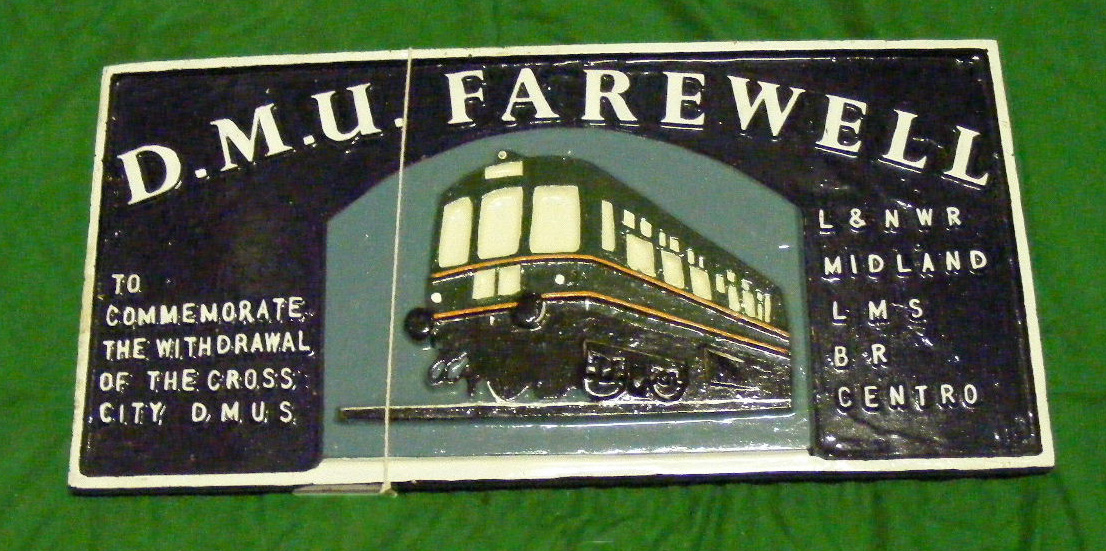
On the back of the board was a fitting which allowed it to be slotted on to the front lamp bracket of a locomotive.  This was normally at the top of the smokebox or the base of the chimney.  The boards from the steam era were often shaped to compliment the curve of the boiler front.  Boards introduced after the advent of diesel haulage tended to be rectangular, with straight edges.503 DMU Farewell

On the Eastern and North Eastern regions of BR, a standard sized back board pattern was used for casting the plates.  The back of the pattern was letter stamped with the names of all the trains using a board, with the result that the list appeared on the back of every headboard made from that pattern.

Several boards were produced for each train, with sufficient supplies being held at the locomotive depots on the route.  Many boards simply gave the name of the train, while others were embellished with the crests of appropriate towns, cities or counties.  Among these were the Aberdonian, incorporating the crests of London and Aberdeen, the Cornish Riviera Limited, with the Cornish crest and motto ‘One and All’, and the Hook Continental, featuring the flags of Britain and Holland.  On a more elaborate scale was the later type headboard of the Royal Scot, which had lettering in white on a tartan background and a shield projecting from the top bearing a red lion.Asbestos 100

A specially made headboard, celebrating the centenary of the Hawthorn Leslie  loco – Asbestos.

Railway Relics – Cast locomotive nameplates

Railway Relics

Cast locomotive nameplatesCannock Wood

This nameplate belongs to Chasewater Railway and was carried by the LBSCR loco No. 110/1877, which worked at The Cannock and Rugeley Colliery, Cannock Wood from1927, when it was purchased from the Southern Railway until the mid 1960s.  It was preserved by the Railway Preservation Society (West Midland District) firstly at Hednesford and for a short while at Chasewater.  It was later sold members of the East Somerset Railway.

Locomotives have often been adorned with names from the earliest days.  Sometimes these have been painted on the engine’s sides, but the more common method was to fix cast-metal nameplates.  The raised lettering, frequently surrounded by a raised border, was usually finished in burnished brass, with a black or red painted background.

The plates were usually curved to fit on or over the locomotive’s driving wheel splasher, but for tank engines and some larger main line locomotives, straight plates were fitted elsewhere on the superstructure.  The Great Central Railway (GCR) provided most of its large passenger locomotives with combined straight-topped splashers covering all the driving wheels. The GCR’s straight nameplates had shaped ends to fit into the splashers’ decorative beading.

Both the London & South Western Railway (LSWR) and the London, Brighton & South Coast Railway adopted a similar pattern of plate, with curved or straight sides.  Either way, the plates had projecting lugs at the ends to accommodate fixing holes.Nuttall
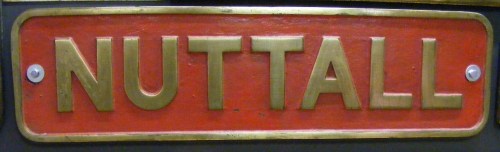
Another Chasewater Railway-owned nameplate, from a Hunslet 0-6-0ST loco 1685/1931.  Bought from Mowlem in 1948 and worked at Walsall Wood, Coppice Colliery and Chasetown.

New type of nameplate

The Southern Railway (SR) adopted the LSWR style of nameplate for most of its named engines, but often with a smaller panel beneath giving the class of the engine.   For its series of steamlined light Pacifics built during and after World War II – the Battle of Britain, West Country and Merchant Navy classes, the SR adopted a completely new type of nameplate which included a crest or badge.

The London, Midland & Scottish Railway used fairly modest curved plates for its non-streamlined classes, whilst its prestigious streamliners had straight plated fitted to the centre line of the boiler.  When streamlining went out of fashion in the late 1940s, the streamlined casings were removed and the plates were refitted in the same location.The Dean
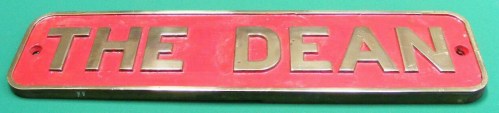
This plate is one of the Eric Tonks Collection, on loan from the Industrial Railway Society, and is from an 0-6-0ST Hunslet, 1496/1926.  New at the Oxfordshire Ironstone Co.Ltd., Banbury.

The streamliners of the London & North Eastern Railway’s Class A4 carried their nameplates high up at the front end of the boiler sides.  Ordinary locomotives were fitted with curved splasher top plates, though these were larger and heavier than those of the other companies.

The standard express classes built by British Railways mainly in the 1950s bore straight plates fitted near the top of the smoke deflectors.  Some of the mixed-traffic locomotives designed for use on the Southern Region were given names previously carried by members of the SR’s King Arthur class, itself a legacy of the SR’s predecessor, the LSWR.

Although most Great Western nameplates were made from steel and brass, a small number were cast in brass.  These were oval and gave the engine’s name and number, as well as its date of manufacture.

Ironstone

Another plate from the Eric Tonks Collection, ‘Ironstone’ was an 0-4-0ST Peckett with outside cylinders, No. 1050/1907.  Supplied new to Market Overton Ironstone Quarries, Rutland.

Many of the smaller independent railway companies fixed nameplates to their locomotives.  Since most of them were tank engines, the plates had straight sides.  Many industrial locomotives also had nameplates.  These sometimes included the name and address of the works or the names of the firm’s directors and members of their families.Carol Ann No.1

Carol Ann No.5  0-6-0ST Hunslet  1821/1936.  Bought new.  Still at Holly Bank 1957 – since scrapped.

Robert Nelson No.4 and Carol Ann No.5 (Hunslet 0-6-0ST  1800 and 1821 respectively, built 1936) were named after the Colliery Manager’s two children.

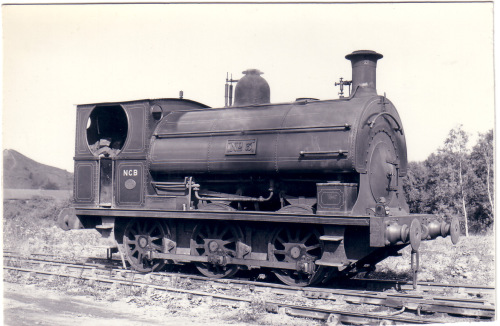
On transfer to Littleton Colliery in NCB days – November 1959  – Carol Ann was renumbered ‘1’ by grinding the ‘5’ off the nameplate and screwing in a ‘1’.  This was because Littleton already had a loco ‘Littleton No.5

Handbills – Football Specials

Handbills – Football Specials

8502 Cup Final

Special buses to get fans home after the FA Cup Final, 1931.  Blues vs WBA – could happen again do you think??!!

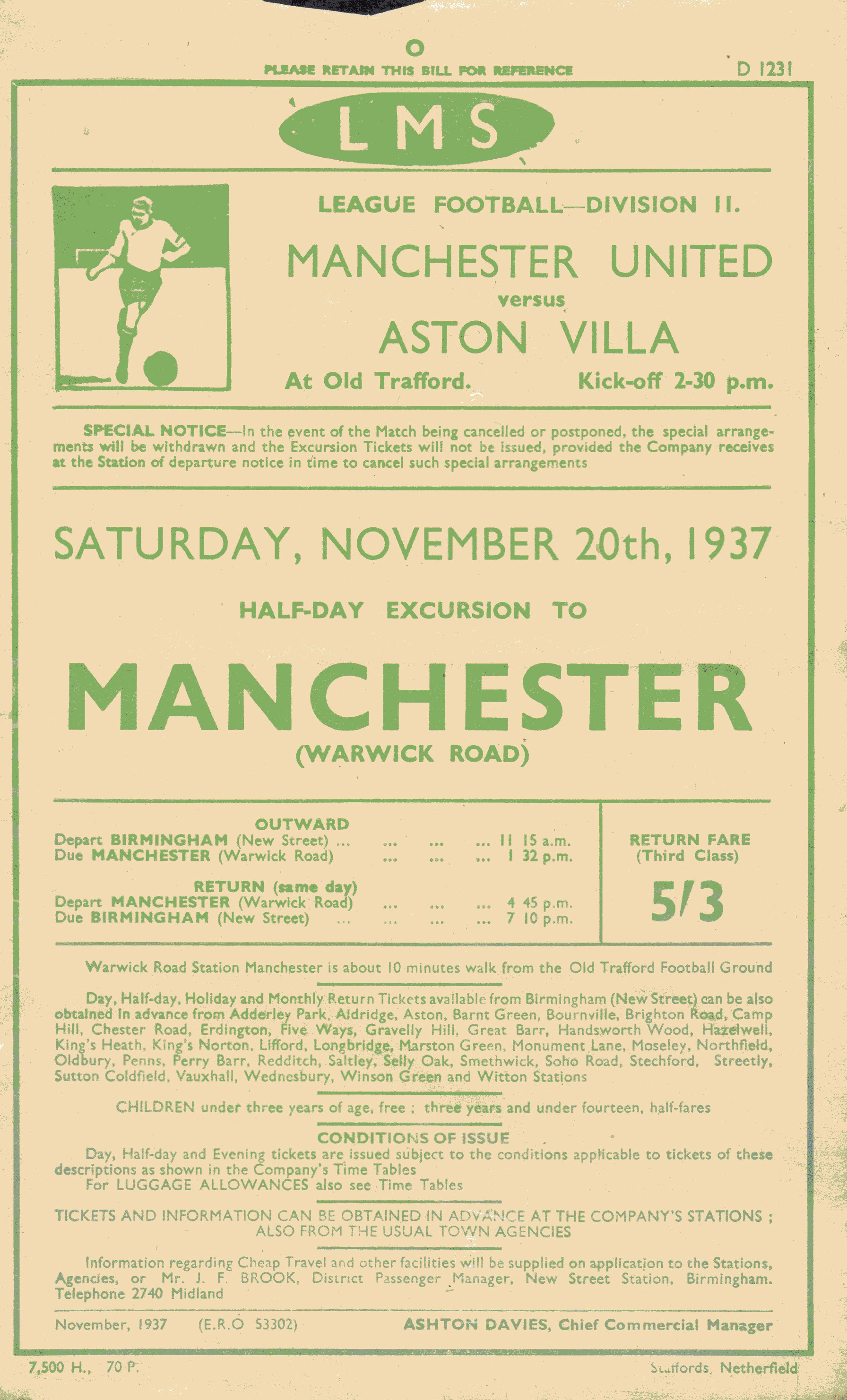
8536 man u vs Villa Div2

Man Utd vs Villa in the old second division, 1937

8539 Leics Villa Div 1

1939 trip to Leicester to see the Villa play Leicester City in the old first division – Villa must have got promotion after the previous handbill!

(Division 2 Champions 1937/8)

Photos from the Archives – These are from David Ives’ Collection – Sans Pareil

Photos from the Archives

These are from David Ives’ Collection

Sans PareilOutside the shed

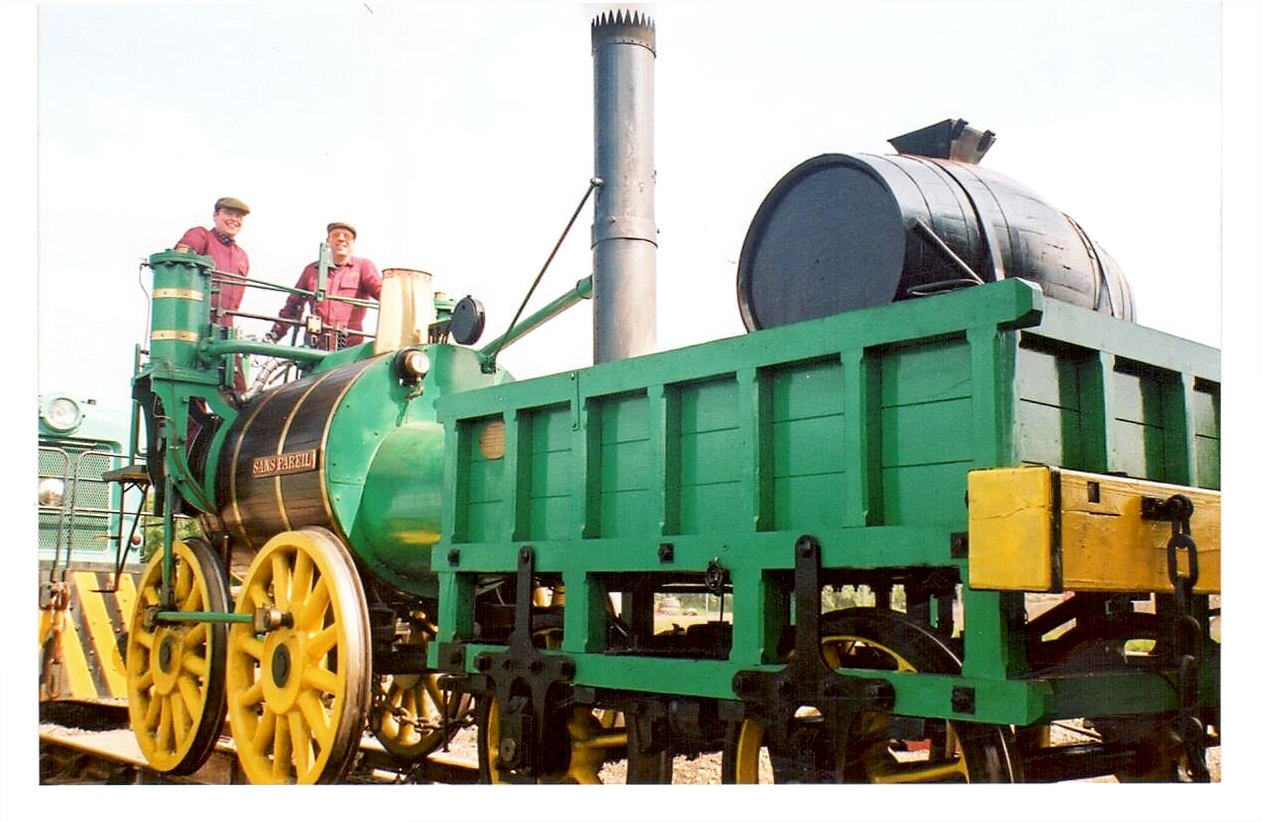
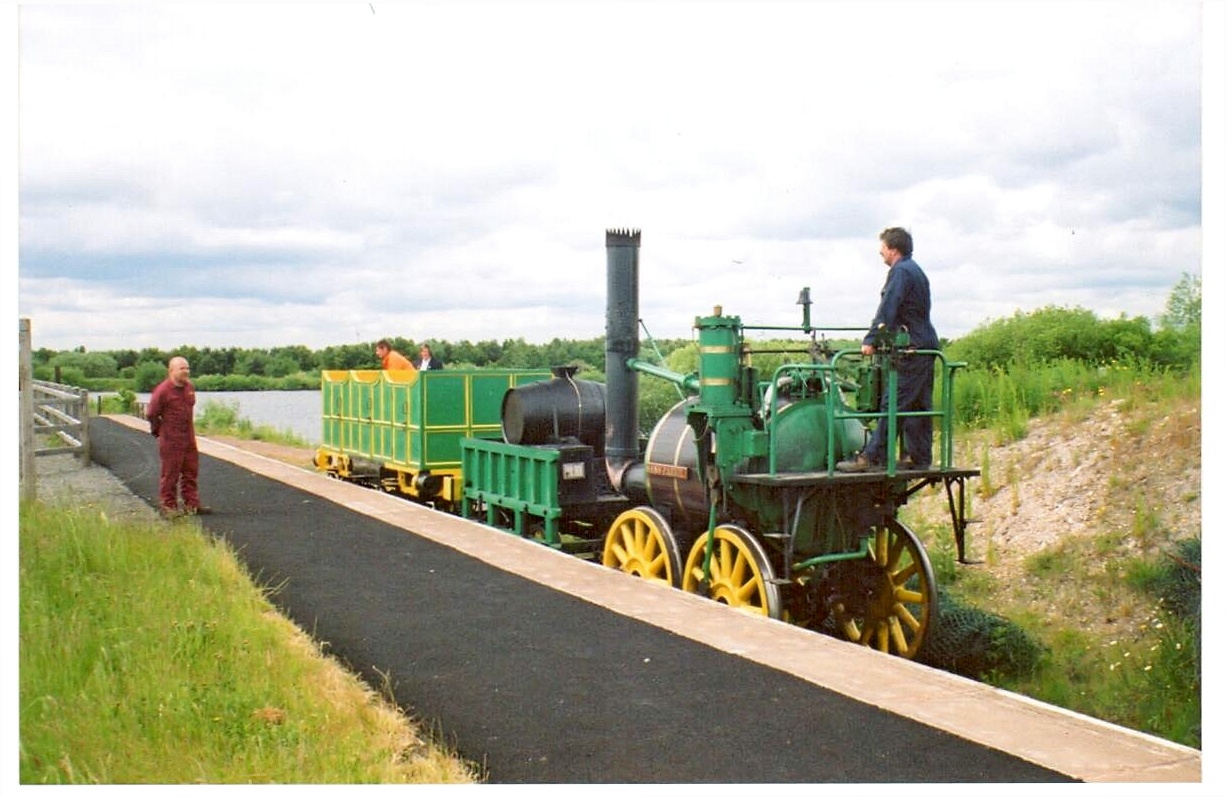
Sans Pareil is a replica of Timothy Hackworth’s 1829 locomotive which competed against Stephenson’s ‘Rocket’ at the famous Rainhill Trials.

This locomotive came to Chasewater in 2001 and 2002 and proved to be very popular with railway enthusiasts and the general public alike.

Passenger train services ran between Brownhills West and Chasewater Heaths, alternating between Sans Pareil and Sentinel.Engine ShedOutside the loco shedLoading up at Brownhills WestLoading up at Brownhills WestChasewater HeathsChasewater Heaths

LakesideAt Lakeside

Museum Exhibits – Sectioned model steam loco

Museum Exhibits

This item was given to the Chasewater Railway Museum by a gentleman from Cannock, Staffs in 2009 and is on display in the museum.

849 Sectioned Model in museum

This model was purchased by the donor from the makers in Bury, Lancs in 1979.   It was produced along with 3 other models for Bangladesh Railways, but was not sent due to there being no Letter of Credit forthcoming.  The other 3 were probably scrapped.  It is loosely based on a Royal Scot Class locomotive.

Railway Relics – Bridge Number Plates

Railway Relics

Bridge Number Plates

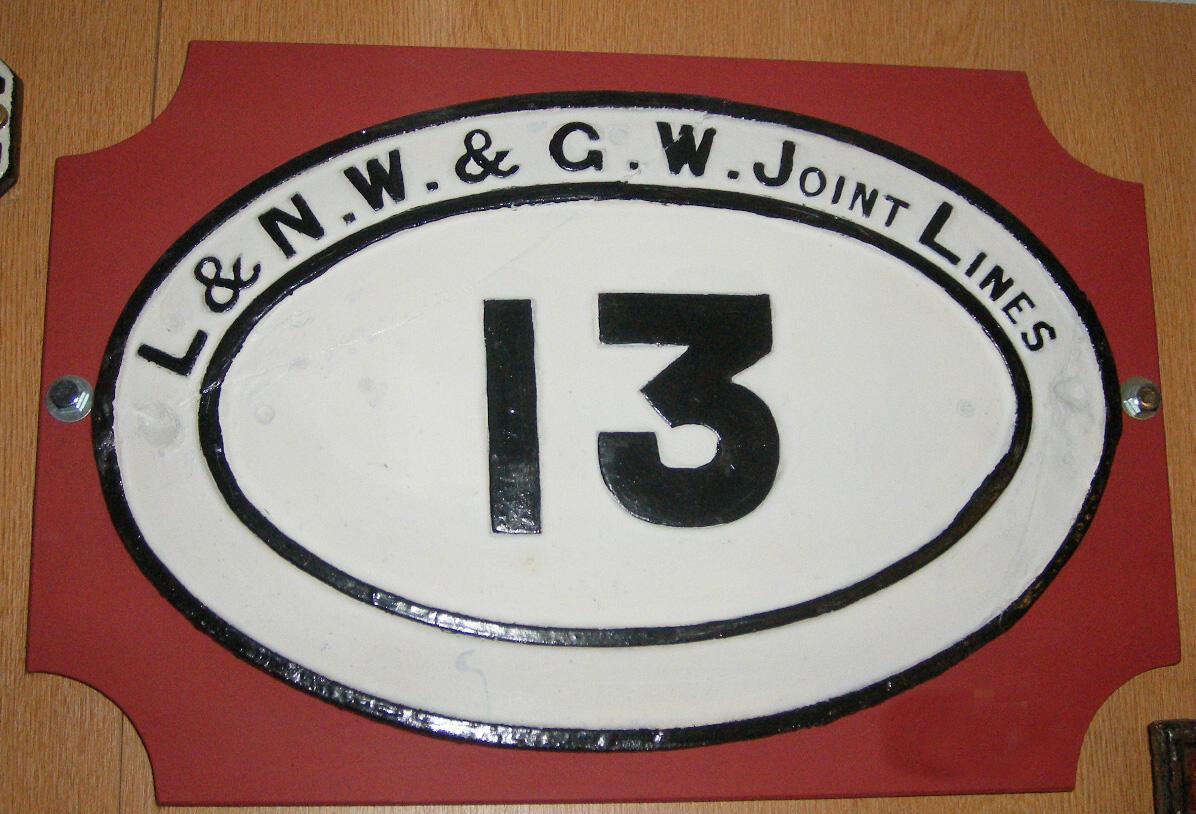
13

London & North Western and Great Western Joint Lines

Most railway signs were meant for the public and carried a variety of warnings and exhortations such as ‘Beware of the trains’, ‘Shut the gate’ and ’Do not cross beyond this point’.

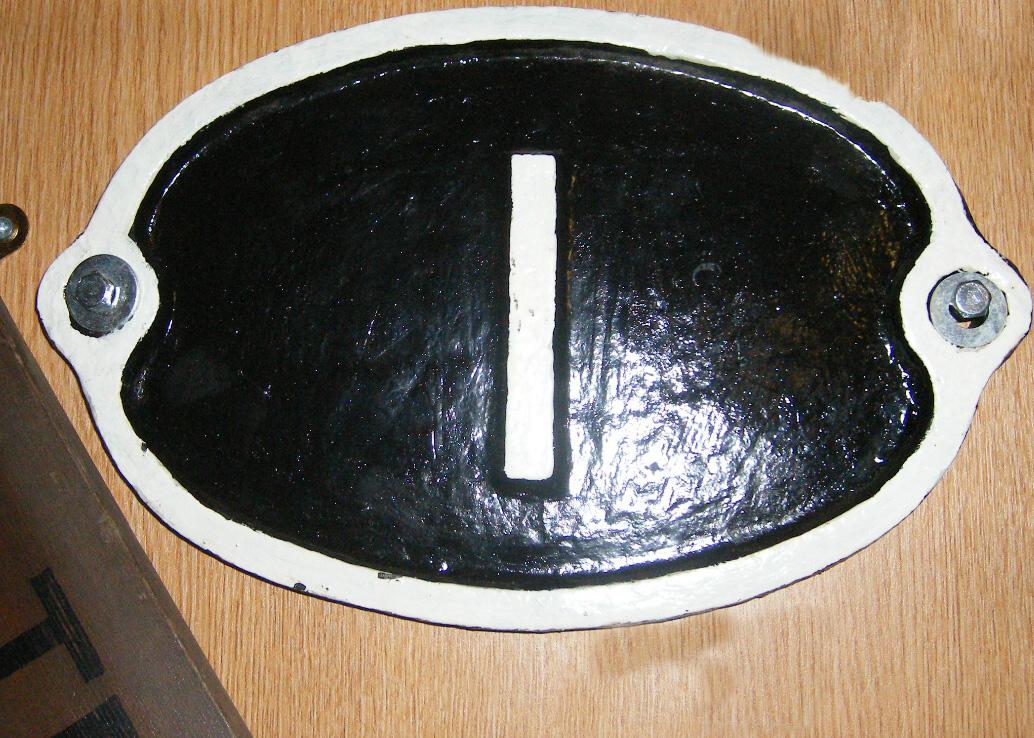
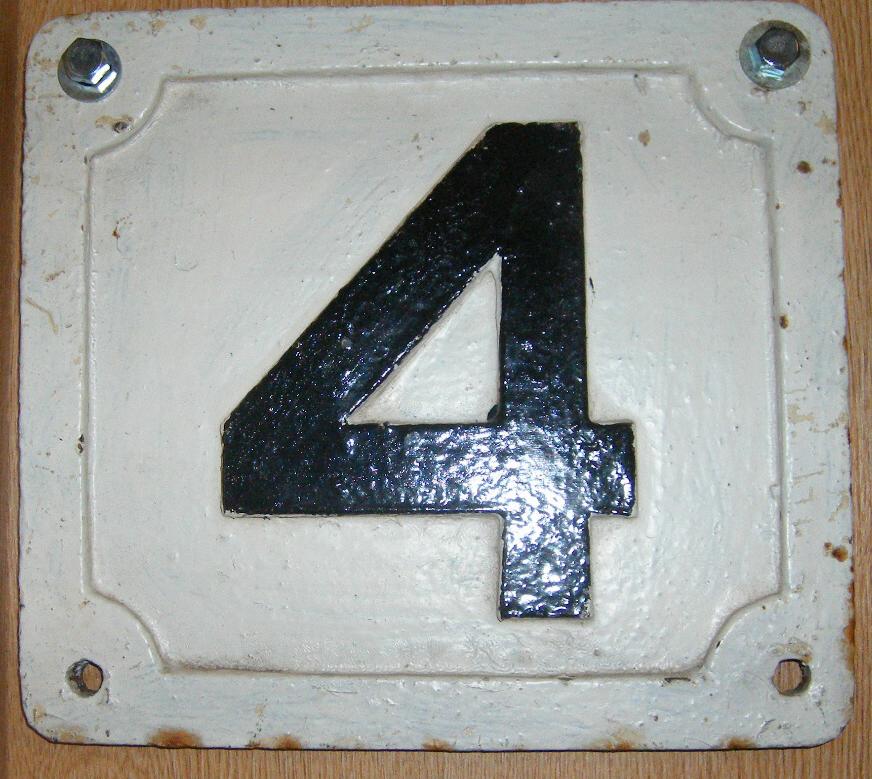
A sign with a different purpose was to be found on the majority of bridges throughout the railway system.  These bridge numberplates had nothing to do with the public, being purely for the railways’ own operational purposes.

They have become very popular with enthusiasts, often being put to use as house numbers.  Almost every company used them, a major exception being the Great Western Railway.  Most plates were made of cast iron, though in the case of the South Eastern & Chatham Railway, they were made of stamped, pressed steel.  The plates were located on the left-hand side of bridge piers – one at each end – facing the trains.1

North Eastern Railway

Some of the cast iron plates from pre-grouping days are still in place, the largest number being found along the route once worked by the London & Birmingham Railway.

Plates are often oval, though within this broad category there are plenty of variations of size and shape.  The type used by the London & North Eastern Railway, for example, is less elongated than its LMS equivalent.

Among the most attractive and sought after plates are those of the Cockermouth, Keswick & Penrith Railway (CKPR) in Cumberland.  This small company had 135 bridges in its system, with just a single plate on each bridge.  The plates, which faced Cockermouth and were numbered from that end of the line, feature an attractive lettering-face reading ‘CK & P Railway’ round their border.

Only twenty or so of the CKPR’s plates are known to have survived.  But it is not just their good looks or scarcity value that have led them to be so sought after by collectors.  They are also the only plates to feature the word ‘Railway’ in full.  Their popularity has made them expensive, and even if you were able to find one it would cost a considerable sum of money.

Some railways produced bridge numberplates showing only the numbers.  In the case of the Great Eastern, the plates were a lozenge shape and came in two sizes – the more elongated one being for siting by the roadside.4 Clayton West Branch

Clayton West Branch

The Colonel Works plate.

One of the museum’s exhibits is the works plate from The Colonel Locomotive.

951 cropped

The Colonel was supplied new in 1914 to the local Wyrley Grove Colliery. and was named after Colonel William Harrison, who was the colliery chairman. The 0-6-0 saddle tank loco was manufactured by Hudswell Clarke of Leeds and given the works No of 1073.

05347-the-colonel-0-6-0st-hc-1073-1914-grove

Coal production at the Grove ceased following the 1930 underground explosion, which killed 14 miners. However the coal mined at the sister colliery, Harrisons No 3, known locally as the Sinking, was transported in colliery mine cars along a narrow gauge cable hauled tramway, to the Grove’s washing and screening plant.

sutton_manor_colliery_tubs

The coal was then despatched from the Grove via canal narrow boats, and by rail.

The Colonel and its sister loco, the 1895  0-6-0 Bristol built  Peckett, No 3,

05350-no-3-0-6-0st-p-618-1895-harrison

were kept busy taking wagons to & from the exchange sidings on the link down to Norton Junction Marshalling yard in Pelsall.

norton-junction-to-norton-line-1

The Colonel was transferred to Granville Colliery in November 1963, and was scrapped in 1979 when Granville closed.

With my father and both my grandfathers working at the Grove I did manage a ride on the Colonel’s footplate.

the-colonel-steam-loco