Category Archives: From the Archive

More Interesting Items – This time from another of our senior members

Some More Interesting Items

This time from Nigel Canning

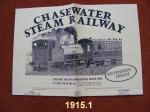
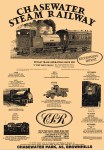
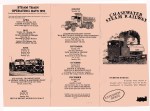
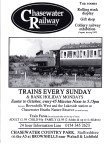
Nigel’s had a bit of a clear out and found some more stuff of interest to the museum – this time in the form of posters and flyers from the 1980s and 1990s, some on card, others on paper.  These will be added to the Chasewater Railway Archives.

Thanks very much Nigel – we can always find homes for more!

Chasewater Bits & Pieces – Also included in other reports 1968 Vol.1 No.3. 42.2 The complete Stocklist

Chasewater Bits & Pieces

Also included in other reports 1968 Vol.1 No.3. 42.2

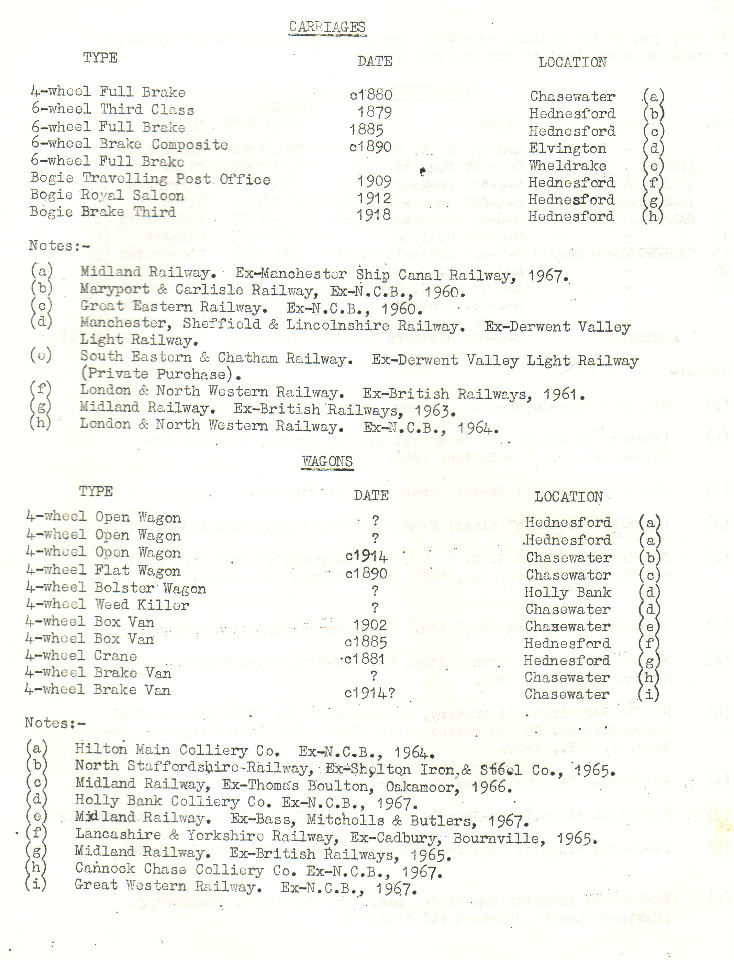
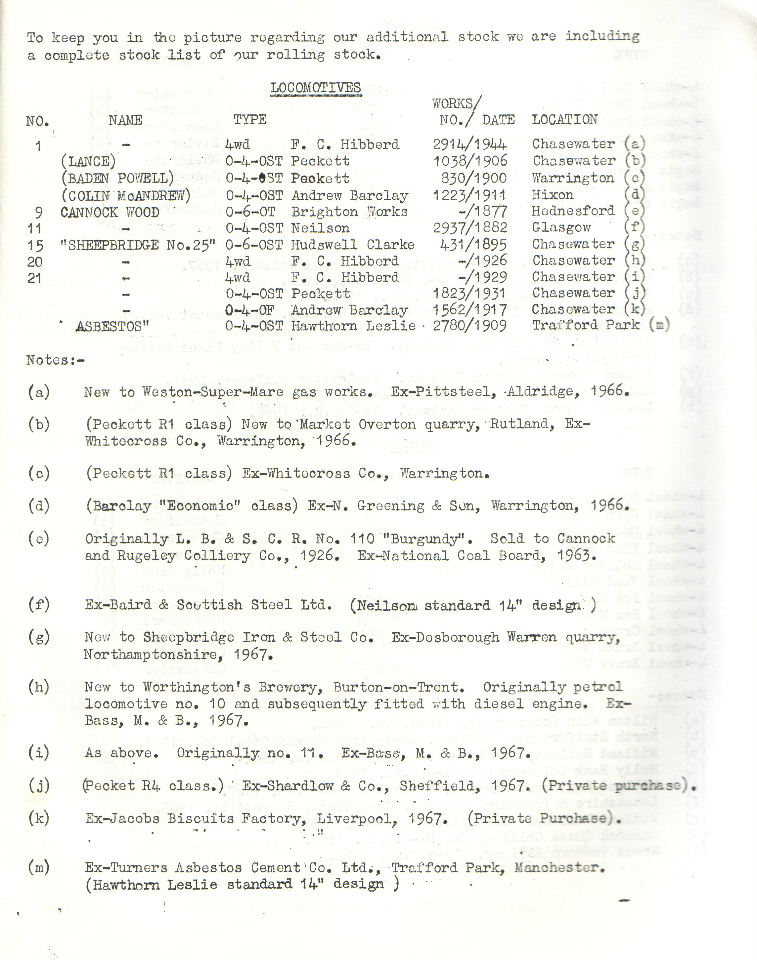
The complete Stocklist

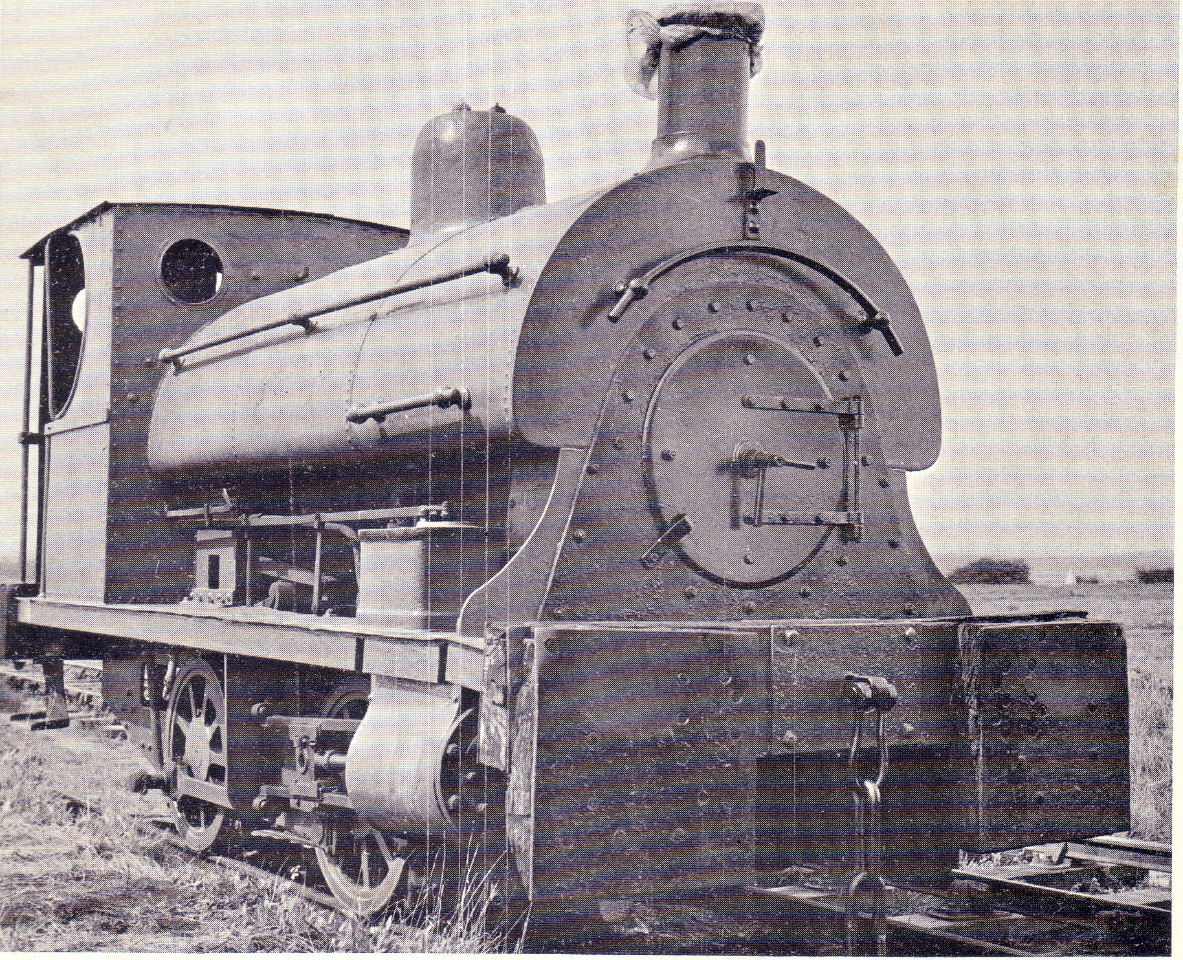
Peckett Lance from WarringtonPeckett – 1823/1931

Stocklist 1968 1Stocklist 1968 2Peckett - Ian Smith SheffieldPeckett – Lance No. 1038/19096

Museum Archive – Additions to our coal mining memorabilia

Museum Archive

Additions to our coal mining memorabilia

As you are no doubt aware, without the coal industry there would be no Chasewater Railway, as the original line was built  for transporting coal, although passenger services were introduced from Brownhills to Aldridge via Walsall Wood.  We are always glad to receive artefacts from the mining industry to display in the Museum.

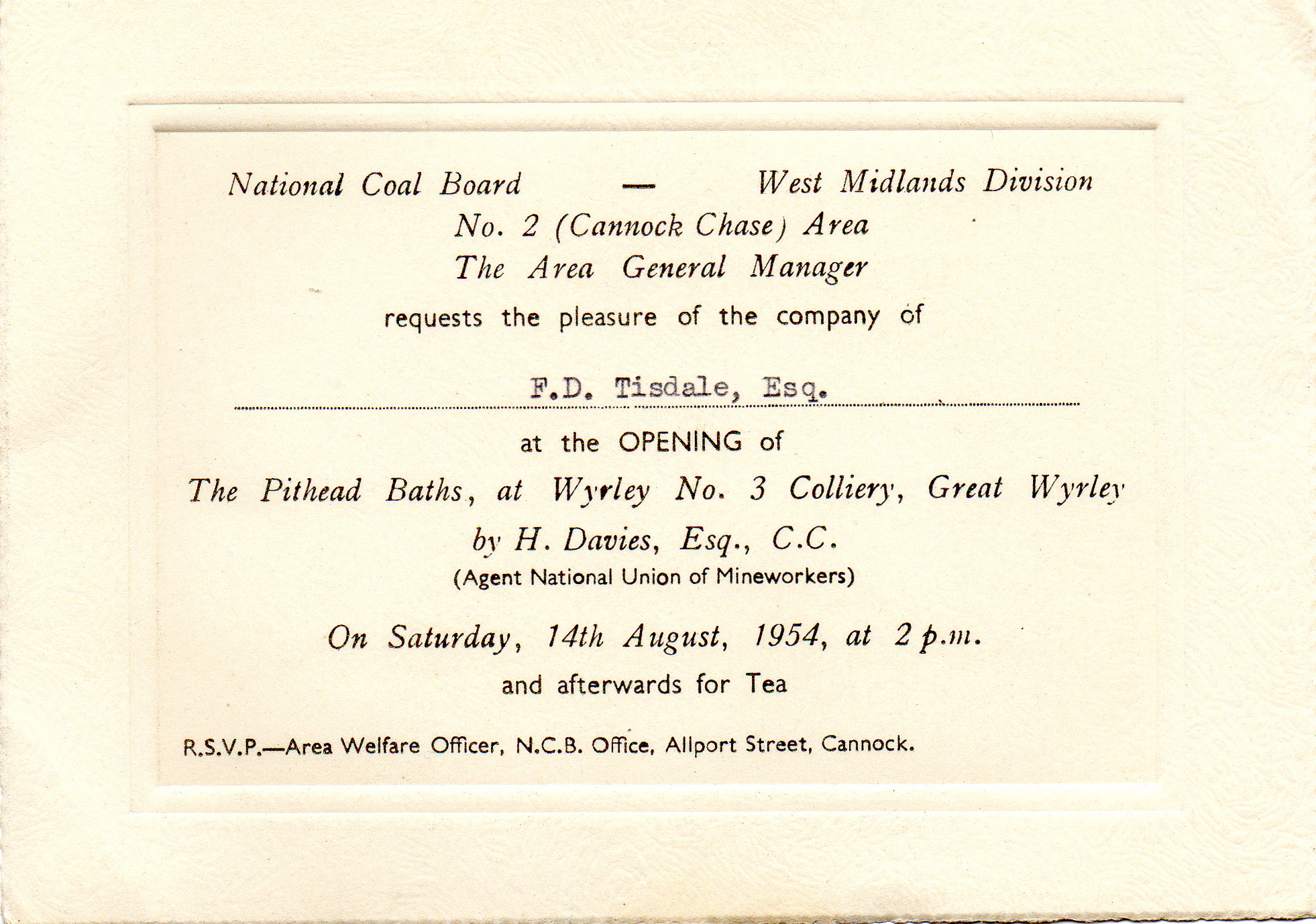
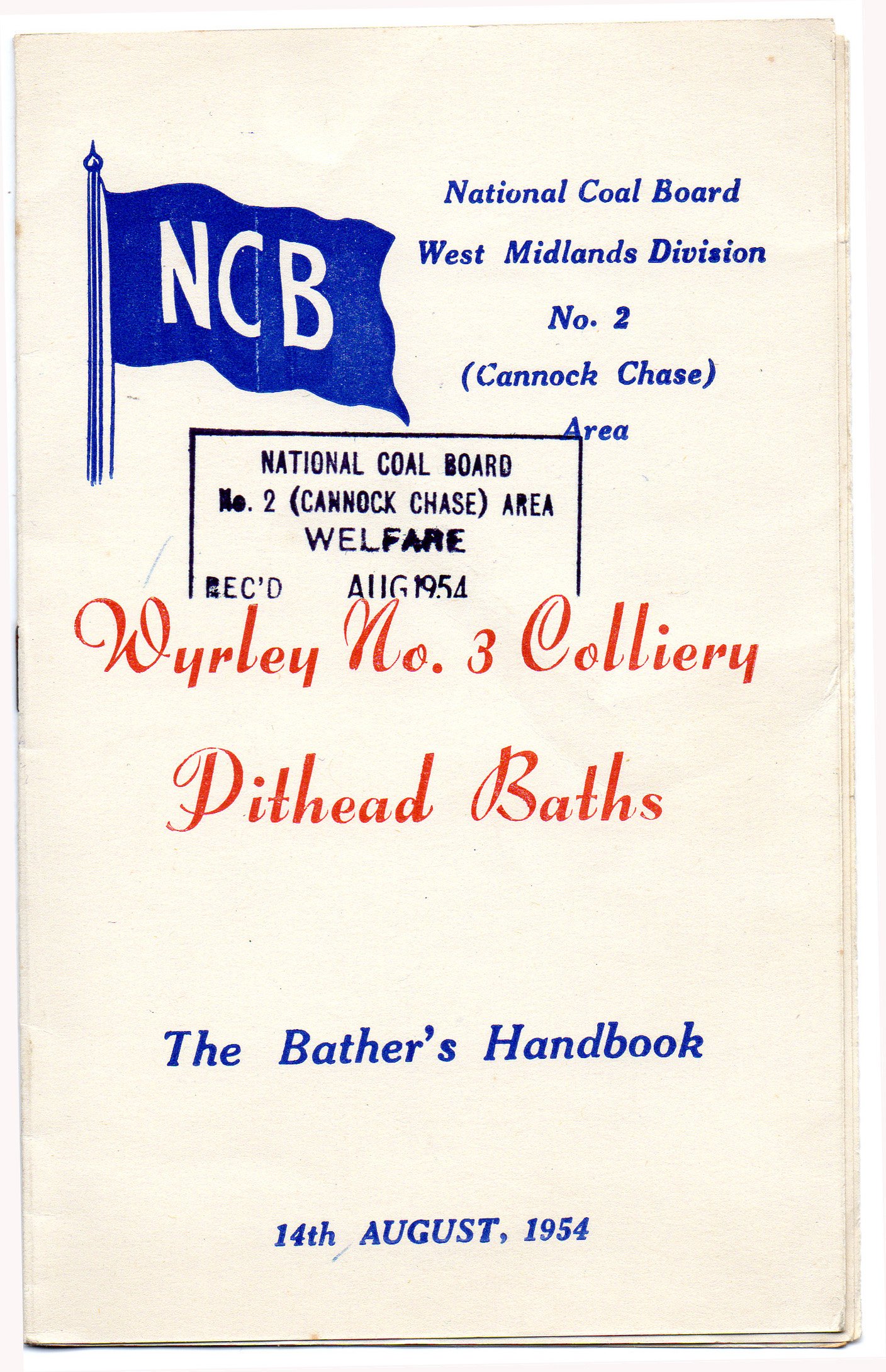
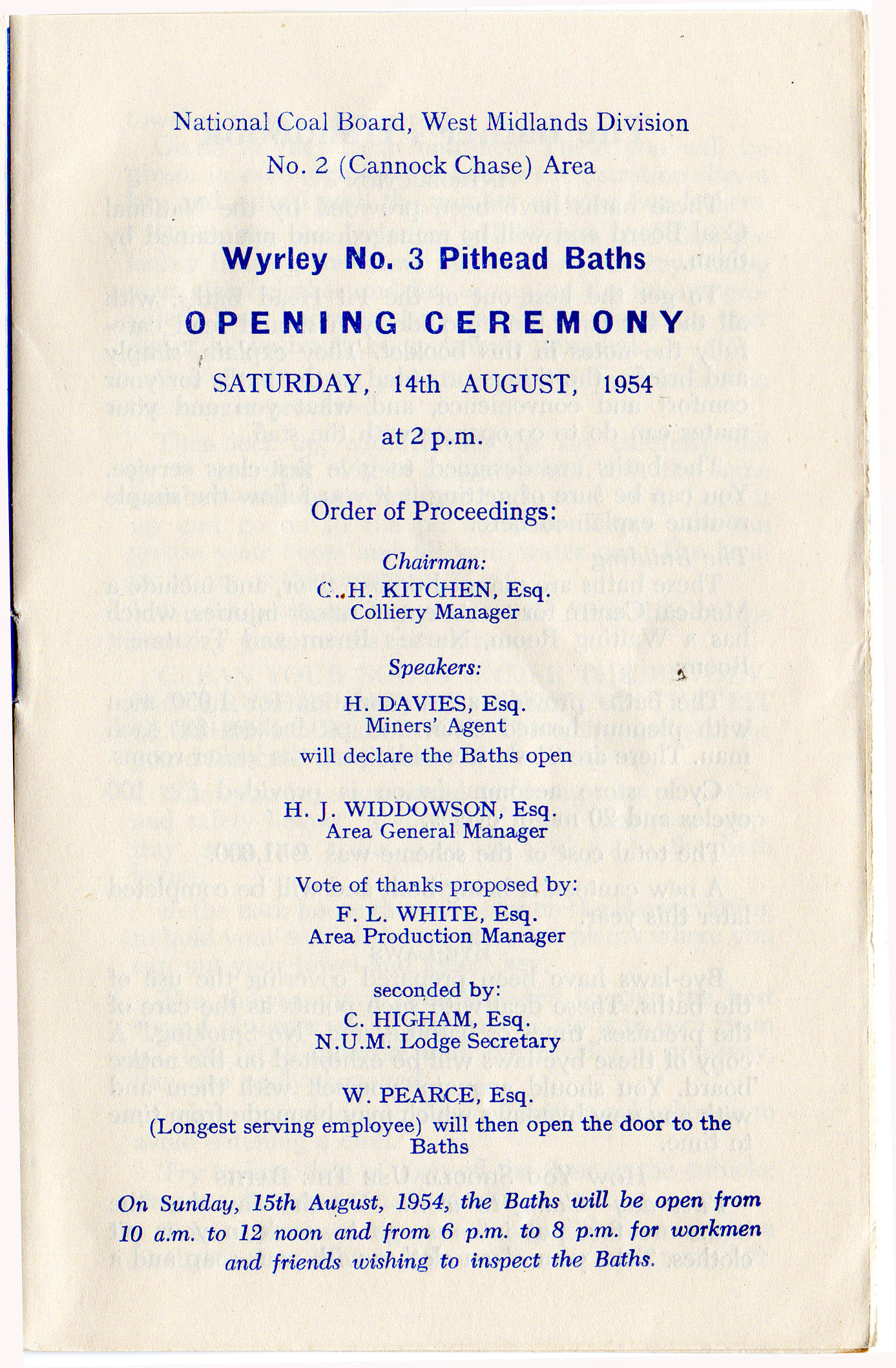
Baths Invitation

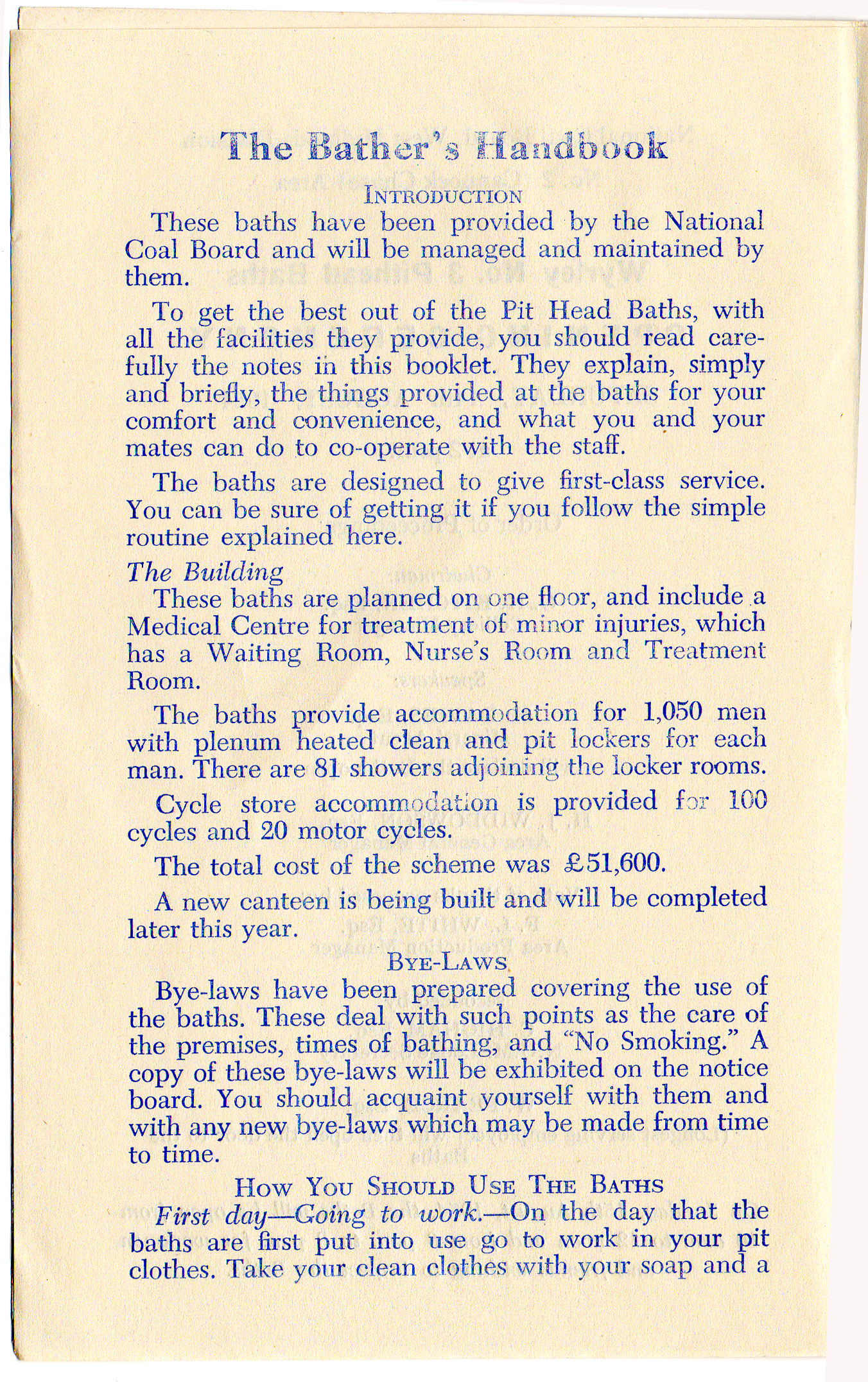
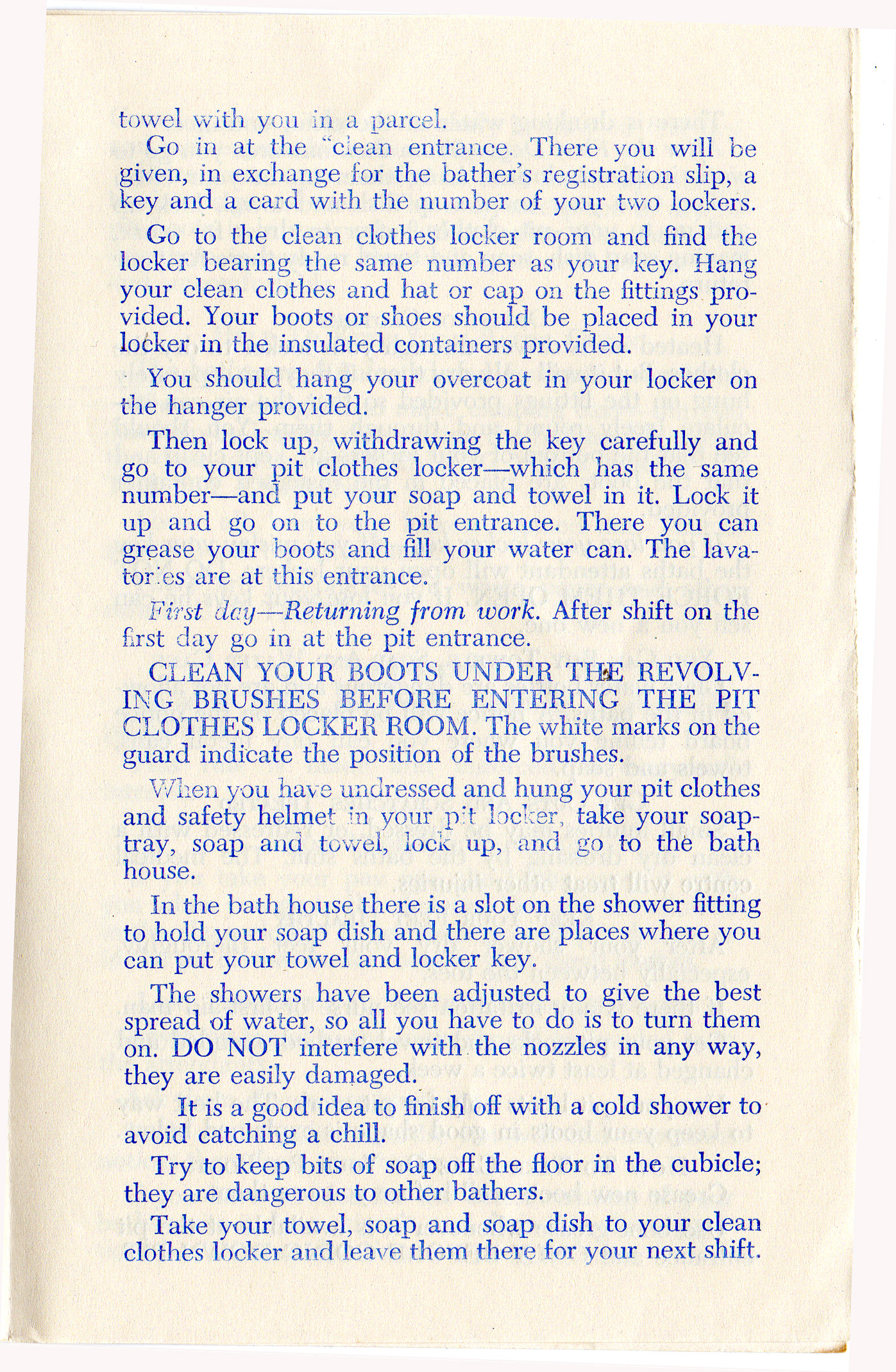
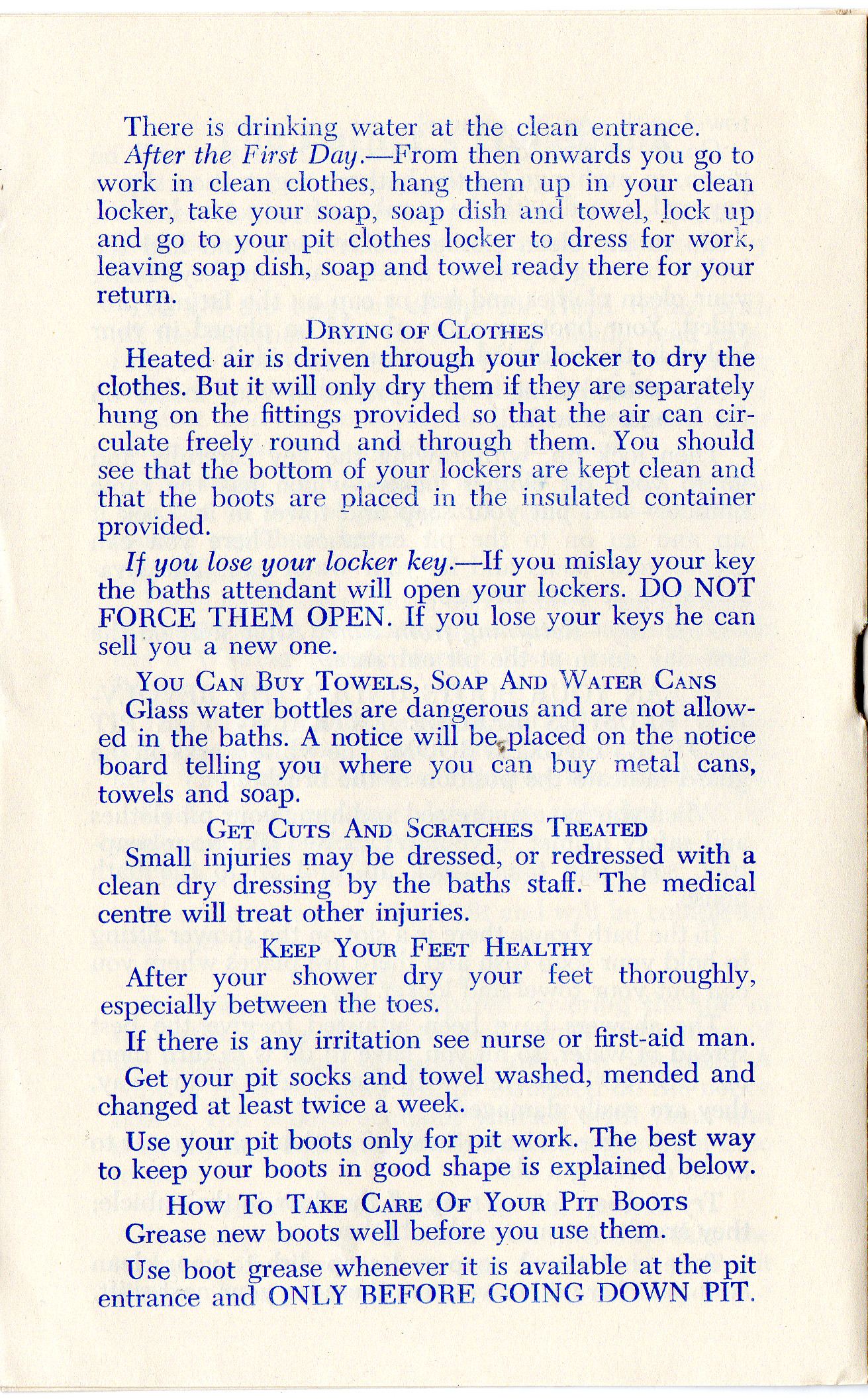
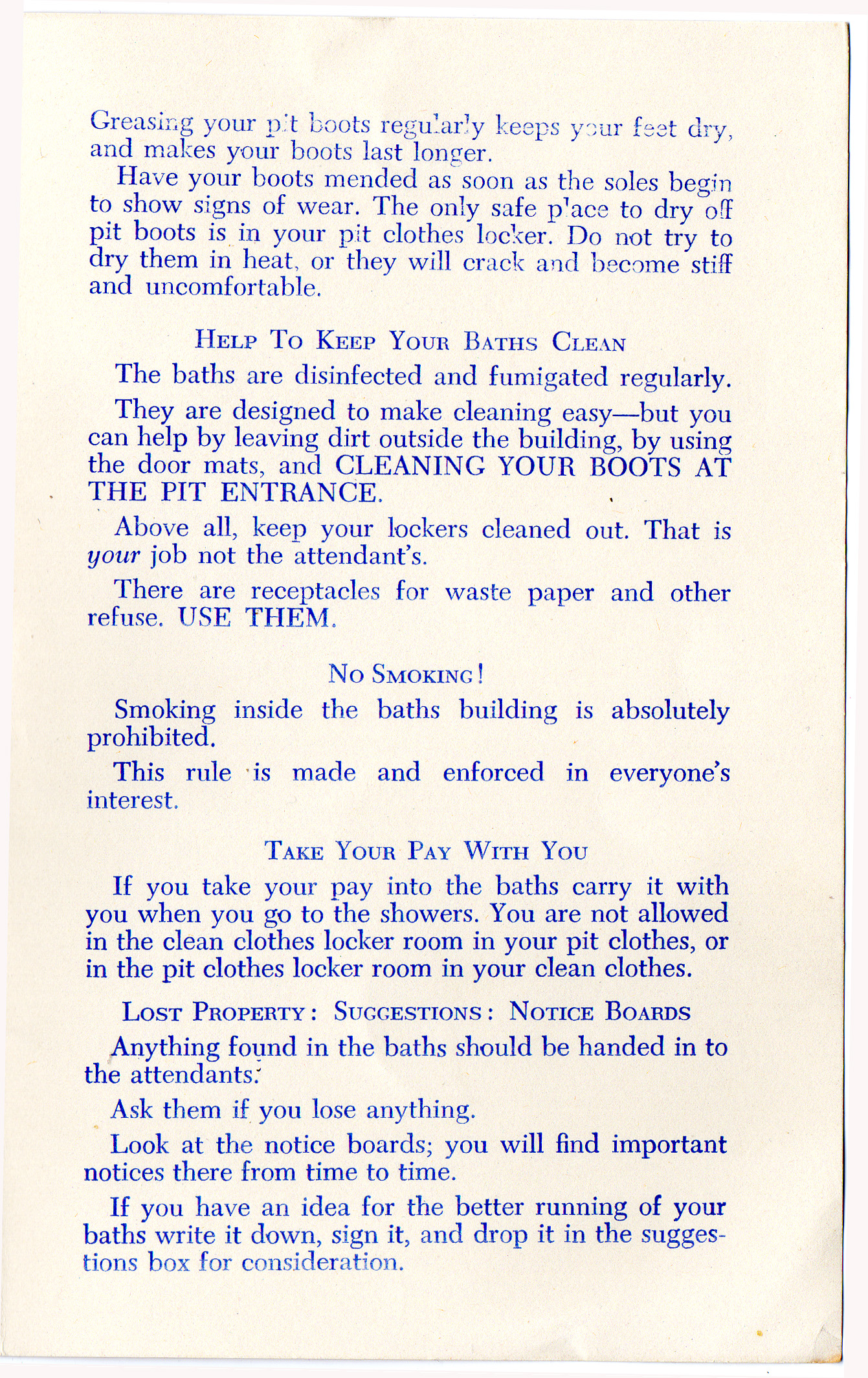
The latest of such items to come our way are an invitation to the opening of the Pithead Baths at Wyrley No. 3 Colliery, Great Wyrley, on August 14th, 1954, and The Bather’s Handbook.

Handbook 1

Handbook 2

Handbook 3

Handbook 4

Handbook 5

Handbook 6

These items came to the Museum from a former employee of the Colliery, his first job after National Service with the RAF.

David Ives’ Chairman’s Notes, 1968. Plus a list of jobs to do !!

David Ives’ Chairman’s Notes, 1968.

Plus a list of jobs to do !!

From the Chairman’s Notes 1968 Vol.1 No.3.

5512 - Neilson with 4-plank wagon Chasewater 

The Society is now passing through a difficult stage, this is common with individual members, indeed the country as a whole, is suffering from a severe depression with the economic climate.  The loan for our museum building has now been deferred, may we hope for better tidings later in the year?  We are, however, most grateful to members who are coming forward with loans to cover the cost of the museum compound.  Once this compound has been erected and the track into it laid, we should have two of the locomotives installed in the compound and ready for steaming.  The target date is late June and should not prove too difficult, if help, both financial and practical, is immediately forthcoming.  Your committee is working extremely hard, both on administration and practical work.  I therefore appeal to all members to back the committee and so push the work along faster.  A colossal amount of work has to be done this summer.  I am going to itemise the list of vehicles which require immediate attention.

All the locomotives at Chasewater require attention, painting, de-rusting, etc.

D. A. Ives.

Action Needed

Chasewater Railway Museum From the 1968 magazine 1.3 The Chasewater Report

Chasewater Railway Museum

From the 1968 magazine 1.3

Cover 1968 1.3

The Chasewater Report

At last we have permission to start the compound, I hope work will commence within the next month as so much depends on getting this site ready for steaming of locomotives this summer.  I think it is most important that we make an effort to attract the general public.

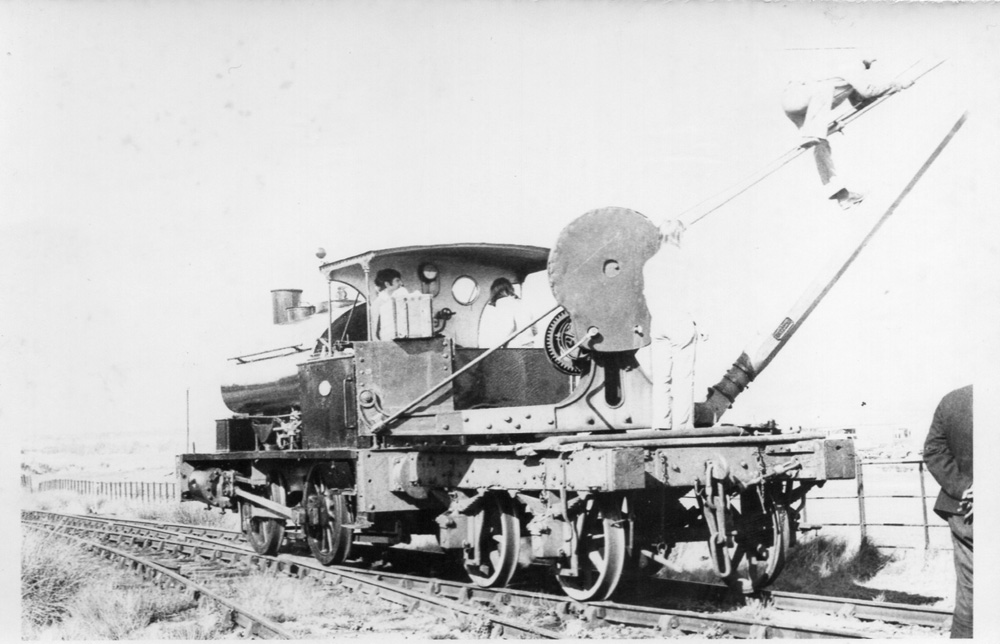
New arrivals this summer (all being well) will be a bolster wagon from Holly Bank and the Midland Railway crane from the Hednesford depot.

5527 - Neilson with MR CraneThe Neilson with the Midland Crane

We hope during May, the Neilson from Glasgow and a Hawthorn Leslie from Manchester will have arrived, and there is also a likelihood of two salt wagons from Sandbach, Cheshire; and providing suitable transport can be found at a reasonable cost, the Manchester, Sheffield and Lincoln coach and the South Eastern and Chatham Railway brake from the Derwent valley should also be here by the late summer.  (There was an appeal for £400 for the transport costs later in the magazine.)

Track clearing is still making steady progress, although there have been one or two setbacks, e.g.  the extensive re-packing of the point at the south end of the passing loop, due to the continual burning of the bank; the work has now been successful.  The latest bit of vandalism as you no doubt have read was the removal of three lengths of track from the north end of the line by people of low moral character (I would have expressed it somewhat differently! Starts with a ‘b’ and ends with an ‘s’!), resulting in the derailment of the tool van and the flat wagon.  This has now been completely relaid.

During the next two months a total of 1053 feet of track has to be lifted and relaid on the compound site, as you will no doubt gather this will require a great deal of hard work by the Chasewater working party to meet the deadline, and we would appreciate very much the appearance of members whom we have not seen so far.

Due to the rapid expansion of the relics at both Hednesford and Chasewater, I think the need arises in the centralisation of work at these two depots.  There is a strong case for forming various departments i.e. loco footplate crews, signalling department fitters and permanent way staff.  If anyone has any ideas on the above departments, please let Frank Harvey or myself know.

Laurence Hopkins.

 5505 - MSL Coach

Hednesford Depot

This article was written as an appreciation of the work done at Chasewater and Hixon towards getting the Chasewater site and loco ready for steaming later this year (1968).

But it also asked for more work to be done at Hednesford, as the state of the Travelling Post Office and the Royal Saloon was giving rise to some concern.  Mr. Siberry was asking for a weekend in May to concentrate on painting these two items.

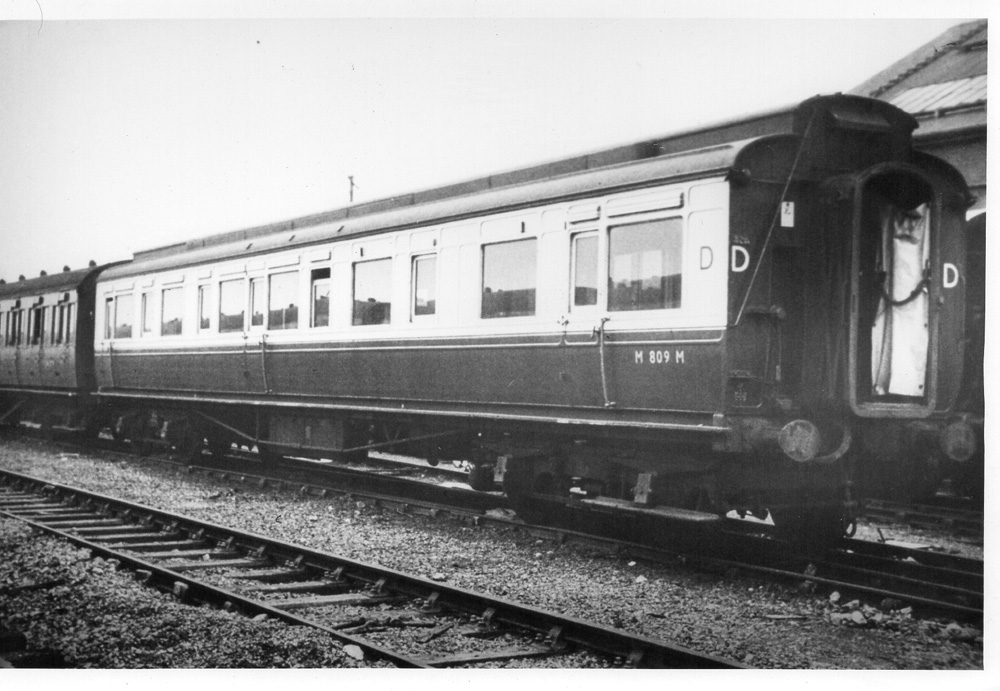
5497 - Coach No. M809M 1

From the ‘Mercian’ – Newsletter of the Midland Area of the Railway Preservation Society February 1965 Vol.4 No.1

From the ‘Mercian’ – Newsletter of the Midland Area of the

Railway Preservation Society

February 1965 Vol.4 No.1


Last Day on the ChurnetValley Line


By R. A. Reed

In 1849, a line from North Rode, near Macclesfield, to Uttoxeter was opened by the North Staffordshire Railway Company.  This was known as the Churnet Valley line and was over 27 miles long.  The section from North Rode to Leek was closed a few years ago and some of the track is now lifted.

On Saturday, January 2nd 1965, the remainder of the line from Leek to Uttoxeter was closed to passenger traffic.  The day was cold but bright and sunny, and, accompanied by the Hon. Editor and friend, we set off from Stoke to Uttoxeter.  As we booked our tickets, from Stoke to Leek via Uttoxeter, 9/- (45p) single, the ticket clerk jovially remarked that it would be ‘cheaper by bus from Hanley – 1/10d (9p) single!’  Probably, these tickets were the first to be issued by this very devious route.

When we arrived at Uttoxeter, we had over an hour to wait, so we went to the waiting room where we found two seats of the North Staffordshire Railway, engraved with NSR and the Staffordshire Knot.  These were in excellent condition and one would be suitable for preservation.Uttoxeter Pic: Wikipedia

It was not long before the train arrived; three non-corridor coaches headed by Standard Class 4, No.75035 of Stoke shed.  The driver was J. Dickson and the fireman was S. Tabinor.  This was the last passenger train from Uttoxeter to Leek.  We occupied the first compartment nearest the engine and waited until the booked departure time at 11.18am, but this was changed to 11.30am at the last minute.  By now the train was filling up, most of the passengers being railway enthusiasts equipped with cameras and tape recorders.

As 11.30 approached the last photographs were taken, and carriage doors closed.  The Guard waved his flag and we were off, amidst shrieking whistles from the engine, detonators on the track and thunderflashes thrown by an enthusiast.Rocester Station Pic & Info: Genuki, Staffs Pasttrack

shannieslittleworld.co.uk

Description: Rocester Train Station 1905. This station was completed in the early 1850s. The North Staffordshire Railway Company’s Churnet Valley line ran through this station taking passengers to Leek and Macclesfield. Another service took passengers to Ashbourne and Buxton. The Ashbourne line closed to passengers in 1954, and regular passenger trains on the Churnet Valley line in 1960.

This picture shows signs on the platform for the Porter’s Room, Gentleman’s First Class Waiting Room, and a Ladies Waiting Room. There are also milk churns on the platform, awaiting collection .

All along the line people were waving as we passed, and the driver acknowledged this by long blasts on the whistle.  Soon we were speeding along and fast approaching the first stop, Rocester.  Here the train was well photographed and after a few minutes we set off again but only as far as the crossover, where we reversed onto the other track and back into the station.  A pilotman then boarded the locomotive and after much waving of green flags by hand-signalmen we finally set off, running on the ‘wrong’ line from here.Site of Denstone Station: Linda Bailey

We had a fast run to Denstone, the next stop, and again there were many spectators, and as we left the station, more firecrackers were thrown.  The section of the line from here to Alton is particularly beautiful and it is surprising that the line would not pay in the summer months.Alton Station: Humphrey Bolton

The next station was Alton, where we crossed back to the down line.  It was extremely tidy and well-kept and typical of NSR design.  The run from Alton to Oakamoor is continuous up-grade and the sound of the engine was music to the ears.  When we arrived at Oakamoor the platforms were quite crowded and many photographs were taken.  Just as we left, the last train from Leek to Uttoxeter passed, headed by a Stanier Class 4 (2-6-4T), and then we plunged into a short tunnel.Oakamoor Station: Rail37.com

Then on to Froghall, which is in an industrial area, but the factories between Leek and Oakamoor will not lose their rail connection.  This section of the line is to be kept open for freight and worked on the ’one engine in steam’ principle.Kingsley & Froghall Station: John ProctorConsall Station: Black Widow Productions

After leaving Froghall, we were soon in the beautiful country surrounding Consall.  This village has no public road to it and ‘outsiders’ cannot get in by car, therefore the railway was the only link (unless one prefers a long walk).Cheddleton Station: John Webber

We quickly arrived at Cheddleton, where most of the passengers left the train to take photographs, and the train waited until they were sure that everyone had finished and boarded the train.Leek Brook Station, Churnet Valley Platform: Wikipedia

The journey was almost over, and as we emerged from a short tunnel we could see Leek in the distance.  When we drew into the station, the engine rapidly uncoupled and ran round the train to haul the stock from the station.  As we left, the station was locked up – the last train had gone.


What a Comeback!  Churnet Valley Railway – 2010 version.Pic: Black Widow Productions

The first passenger services outside the confines of Cheddleton yard began on August 24th 1996, this being a “push and pull” operation of a little over a mile between Cheddleton and Leek Brook Junction, the latter being the junction with the mothballed Railtrack line between Stoke on Trent and Caldon Quarry. Trains were initially operated by hired-in “Jinty” tank loco 47383, this and resident 4F 44422 being the mainstays of the service for the first season’s operations. Although only a short run, this operation proved to be an ideal training ground for the railway’s staff, and got everyone used to operating outside the goods yard.

Saturday 11th July 1998 saw the first southward extension of the railway, when the section between Cheddleton and Consall was reopened for passenger traffic. This brought the railway’s operational length to approximately 3 1/4 miles. The next extension, to Kingsley and Froghall, opened to traffic on 11th August 2001, giving an operational length of approximately 5 1/2 miles.Pic: Black Widow Productions
Chasewater Railway Museum – The Mercian Nov – Dec 1963

The Mercian Nov – Dec 1963

From the Editorial

WE HAVE A BRANCH LINE AT LAST! And many of you will probably by now know that we have acquired the Chasewater Line from the NCB.  The legal details, lease, etc., are to go through the usual channels to be tied up, and we will keep you informed of progress made.Chasewater 66 4

Every member (and non-members) who travelled on the Great Central Special agreed that it was a very enjoyable day all round, although the train ran at a very heavy loss.  The loss mainly being due to the lack of support by our own members.  We appeal to you all now to donate what you can to help clear this deficit on the Special.

This trip was organised by Mr. Eric Cowell on 15th June 1963.  The Flying Scotsman hauling the train down the Great Central Line from Sheffield Victoria to Marylebone and back.  Only 27 out of a possible 160 members attended, resulting in a loss of £100.

Flying Scotsman

This photograph shows the Flying Scotsman uncoupled from the train on arrival at Marylebone Station, London.

Open Weekend at Hednesford Depot (June 29th-30th 1963)

In spite of the awful weather the attendance both on Saturday and Sunday exceeded all expectations, approx. 300 people attending for the two days.  People came from as far afield as Halifax, Manchester, Leicester, London and Somerset.  It is sad to report however that there was a noticeable absence of members, just the usual faithfuls plus a few of the not so active.

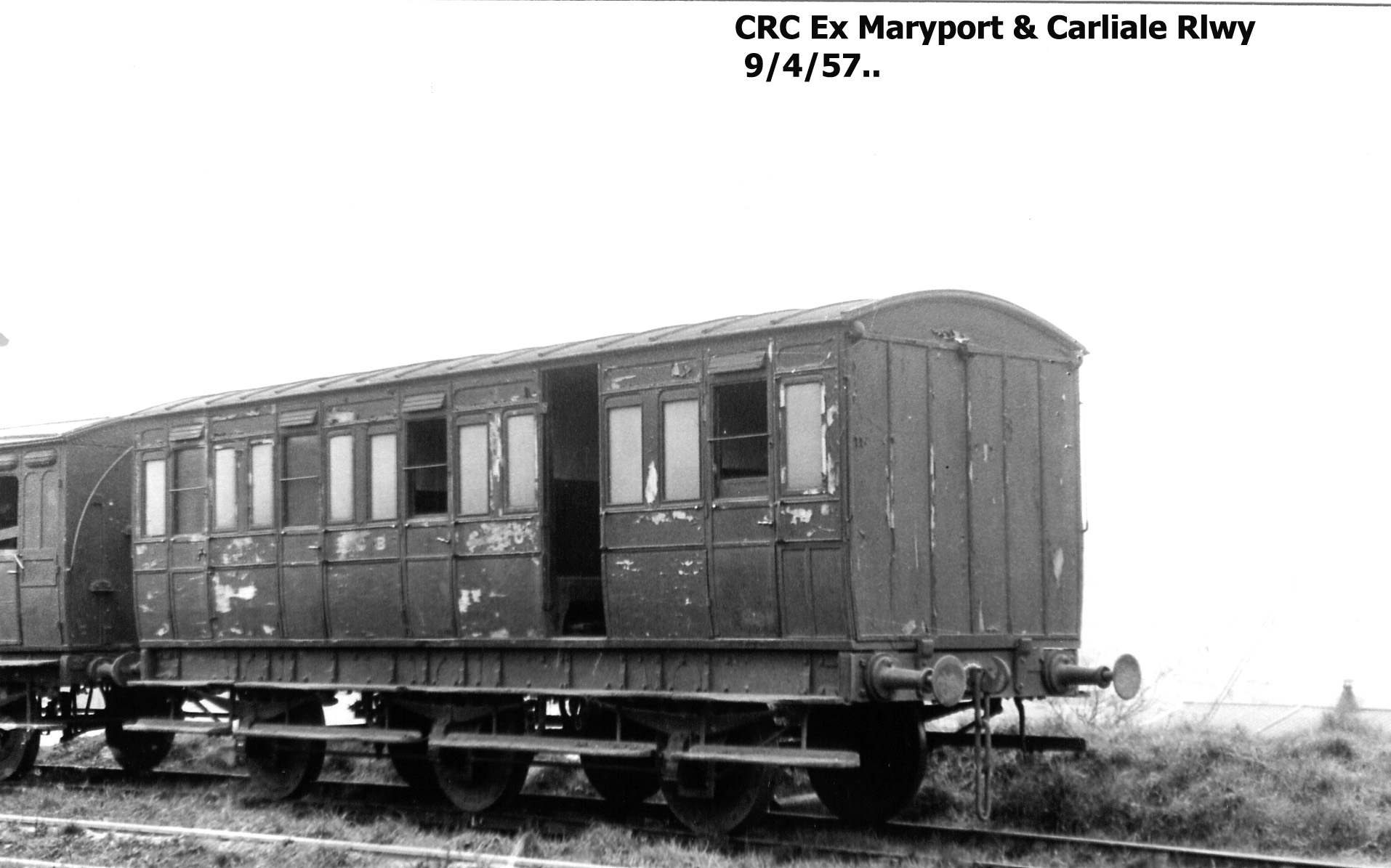
05071 C & R Colliery Ex Maryport & Carlisle 6 wheeler 15-5-1952

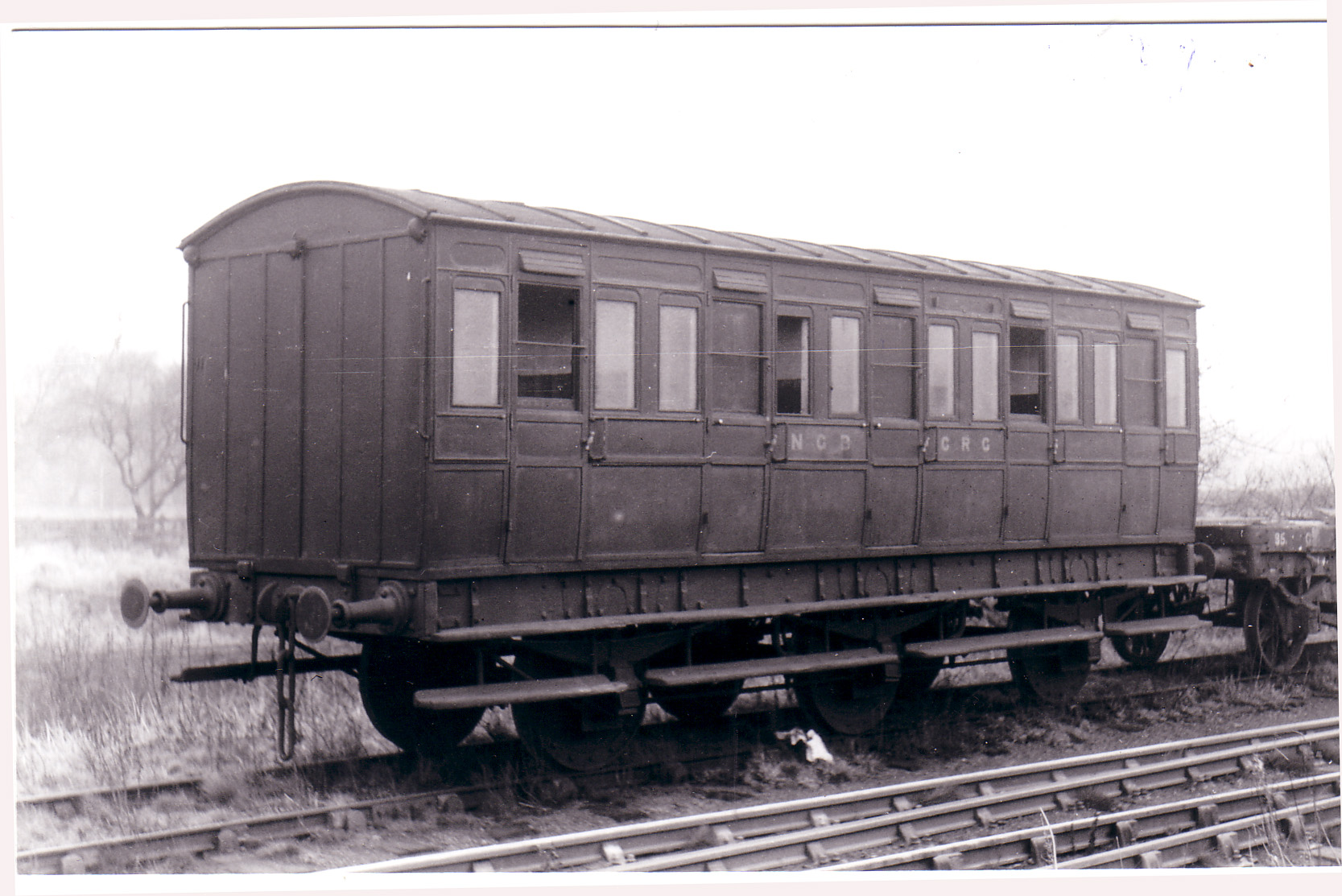
A great deal of interest was aroused by our modest collection of relics, the Maryport & Carlisle coach was pushed out on the Sunday for photographic purposed, cameras were clicking all over the place.

All in all it was a most successful weekend.  A very special thanks to our lady members Mrs. F. Watson, Miss Mary Watson, Mrs. J. Harvey, Mrs. D. Ives and Mrs. Townsend for manning the buffet car (Great Eastern Brake) and to Mrs. F. Lewis and Mrs. Wormington for providing refreshments.  What would we do without the ladies?  Bless ‘em!

Thanks must also be expressed to the Sutton Coldfield and North Birmingham Model Engineering Society (Affiliated Member) for displaying the lovely Live Steam Models. A big thank you to all members who worked hard and long to make the show the success that it was.

RPS on the air

Mr. C. Ives and Mr. D. Ives were interviewed when BBC’s ‘Down Your Way’ team visited Hednesford on Sunday October 6th.

News in Brief

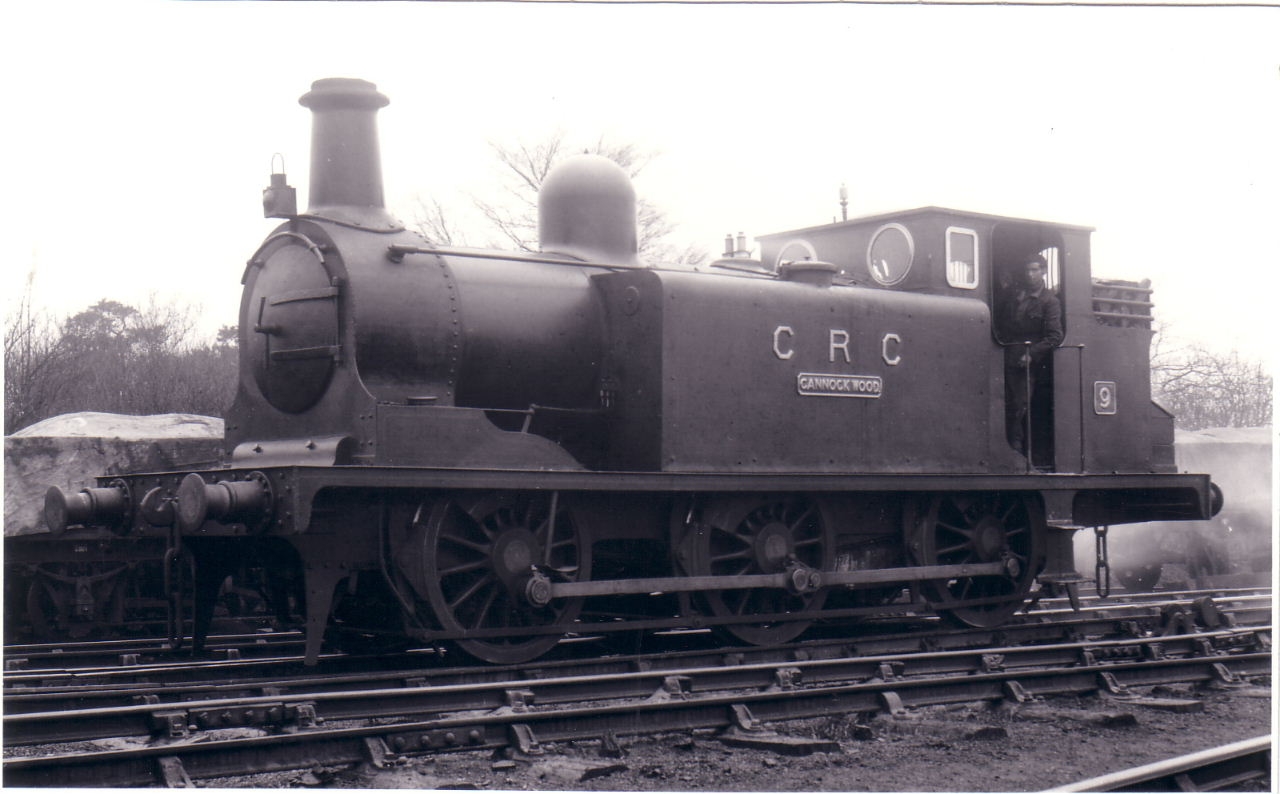
05053 No.9 Cannock Wood 0-6-0T LBSC Rly 1877 at Brighton C & R

The ex London, Brighton and South Coast Railway E1 Stroudley loco should soon be stabled in the depot at Hednesford, the NCB has very kindly consented to us having it on free loan for 12 months.

Three new items for Hednesford

We are expecting delivery of the Midland Royal Saloon, L. & Y. Van and Midland Crane all within the next two or three weeks.

The Stroudley E1 is expected about the same time as the above rolling stock.

Through the very kind auspices of Mr. K. Vincent (member) Secretary of the Dowty RPS we are taking delivery of the L & Y van.  Two vans were donated to the Dowty RPS and Ken Vincent has very kindly offered one to us at Hednesford.

Chasewater Railway Museum. Taken from the first ‘Mercian’ Jan/ Feb 1962

 DSCF9105

Chasewater Reservoir – full up again, January 2013

Chasewater Railway Museum.

Archive No.2

Taken from the first ‘Mercian’ Jan/Feb 1962

Bi-Monthly News-sheet for the Midlands District of the RPA

In my previous post I reported that the Railway Preservation Society was in future to be called the Railway Preservation Association. For some reason, four times on the first page of the first ‘Mercian’ the RPS is referred to – curious.
The idea was to publish the News-sheet by the 23rd of each bi-month. Anyone who takes on the job of Editor of a news-sheet or magazine of this type has my greatest admiration (and sympathy!) as they always seem to struggle for articles after the initial burst of enthusiasm.

Progress report to date during 1961

Good progress has been made at our Hednesford depot, accomplishments to date include track lowering, to allow the stabling under cover of the Webb Coal Tank and our own TPO van, this vehicle has a lot more work to be done on it, but it has now been completed in undercoat livery of the LNWR on one side. This was done by the very able direction of our Assistant Depot Master, and the woodwork renovations being done by our Hon. Treasurer, Frank Harvey. The interior of the TPO is now in good shape due to the efforts of our Chairman, Arthur Chatfield. Incidentally, he could do with some more help in this direction. How about it some of you people who have not yet shown up?

CRC  11M & C

Work continues on the Maryport & Carlisle coach, this is slow work and is mainly due to lack of materials which are most costly, perhaps any members who could help out in these matters in cash or kind would they kindly contact me? Glass, wood and hardboard are most urgently required.

The Great Eastern brake has now been converted to a temporary workshop, and part is the museum. It now has a genuine relic in the form of an LNWR signal box stove which has proved a most useful asset during this winter period.

John Elsley, the Assistant Depot Master and his usual few stalwarts namely, Bob Wormington, Terry Jones, David Bradbury, John Bradbury and Fred Lewis continue to press on with tracklaying in spite of the recent cold snap, all you people interested in tracklaying, now is your chance to give a hand.

Mention must be made last but by no means least of Maurice Harper and Brian Kinder who are always at hand to help out with any task which might crop up. The tea is always made by these men and it is most appreciated by all the working parties.

A final word of gratitude to our President Charles E. Ives (no relation to David Ives) who so kindly allows the Society free and complete use of the depot. Good luck to you all in 1962.
David A. Ives Hon. Sec.

From the Archive – No.1

Taken from the RPS Newsletter Vol 3  No.2 – Date – Summer, 1961

  West Midlands District

Arriving at Hednesford RPS depot 14-4-1961

Coal Tank Numbered 1054 arriving at the Hednesford Depot, 14th April 1961

Our covered space at the Hednesford depot now houses the London North-Western Webb coal tank, together with the London North-Western TPO van, Maryport & Carlisle and Great Eastern coaches, which are in various stages of restoration.. A considerable amount of really hard work has been carried out during the last three weekends.

Collection of small relics continues to grow, thanks in no small measure being due to two of our junior members, Brian Kinder and Maurice Harper, of  Walsall.  Donations to the TPO fund were received from some 18 members.

Bass Loco GeoNational Brewery Centre – locomotive

Bass No. 9. An 0-4-0 saddle tank industrial locomotive built in 1901 for the vast internal railway system of Bass, Ratcliffe & Gretton. Now preserved with the directors’ coach at the National Brewery Centre – formerly the Bass Museum and latterly the Coors Visitor Centre.  © Copyright Chris Allen and licensed for reuse under this Creative Commons Licence.

 The West Midlands District also toured the railway system of the Bass, Ratcliff and Gretton Company at Burton-on-Trent.  The trip was organised as a joint effort by Stafford Railway Circle, and the party travelled in a four-wheeled directors’ saloon of 1889 vintage.  Acquired from the Midland Railway, the vehicle was built by the Railway Carriage & Iron Co. Ltd. at Manchester.

Matches 016A match-stick version of the Directors’ Saloon is on display in the Museum