Tag Archives: Old Railway Lines

Museum Item first published December 2010 – GWR New Year Greeting Message 1928

This greeting was first published on the ‘chasewaterstuff’ blog in December 2010 and, as it is the New Year season, it seems a good time to repeat it.

This piece of memorabilia from Barry Bull is a greetings message from the General Manager of the Great Western Railway 1921-1929, Sir Felix John Clewett Pole, to all members of staff for the year 1928.

The first two inside pages.Third page.Final page.

Chasewater Railway Museum Exhibits – Station Name Signs (Running-In Boards)

Museum Exhibits

Station Name Signs – Running-In Boards633 copy

We have a couple of very local ones!

Stations have displayed signs showing their name since railways began – the very earliest being hand-painted, often in extravagant lettering and colours.  However, since the required a sign-writer to paint them each time the colours faded – and colours tended to fade fairly often – they were gradually replaced by vitreous enamel signs, usually with a blue background and white letters, held in a wooden frame.

Some railways continued to use the enamel signs throughout their existence, while others opted for wooden boards to which cast iron or lead alloy letters were screwed.  The advantage of boards was that they could be easily lettered up by a relatively unskilled painter.  They were also easier to see at night.

Known officially as running-in boards, they were located at the ends of platforms.  At junctions, they usually included information about connecting lines.

Once a train had come to a halt, a porter was supposed to shout out the station name.  Even so, there were still passengers who missed their stop.  It was to ease this problem that enamel name tablets were placed inside the glasses of platform lamps, and small nameboards, or target signs, were suspended from walls, fences, or lamp posts along the platform.

The target signs were often enamel – especially on the Southern Railway (SR).  The London Midland & Scottish (LMS), by contrast, used a cast-aluminium alloy design finished in reflective yellow paint with black letters.  With nationalisation, British Railways introduced the familiar totem sign in regional colours, and produced them in very large numbers.950

From the Archives – Another Handbill

From the Archives

Another Handbill

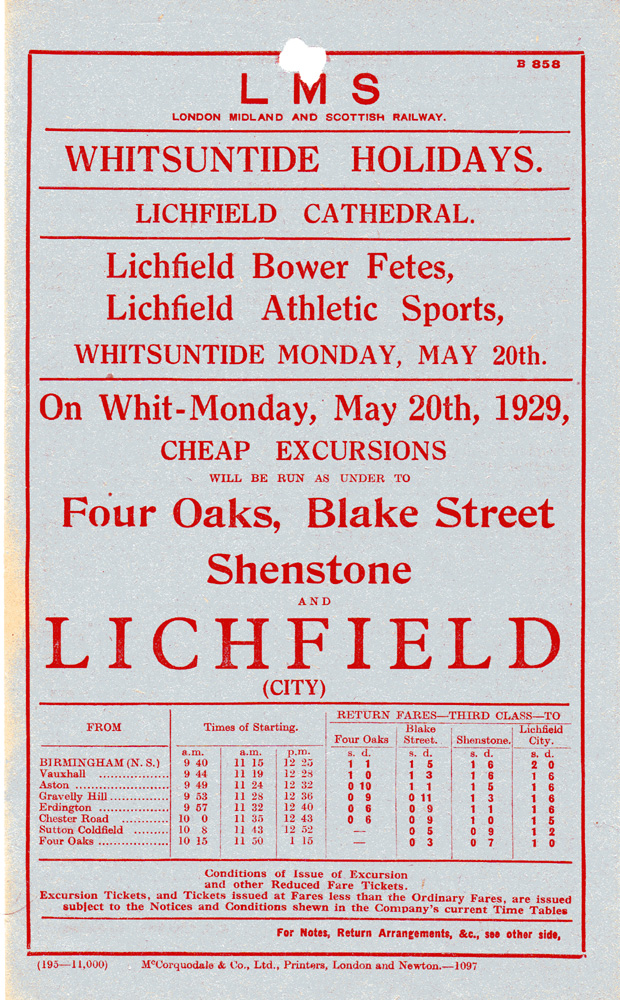
This time a Whitsuntide Holiday Excursion from New Street to Lichfield City for 2/-  (10p) return.  This was the May Bank Holiday before it was moved to the first Monday of the month.

An LMS trip in 1929 to the well-known Lichfield Bower.8076

Chasewater Railway Museum Exhibits – Boundary Markers

Chasewater Railway Museum Exhibits

This is the first in a series of posts about exhibits in the Chasewater Railway Museum – all photographs used in this series will be of items belonging to the Chasewater Railway Museum.

Boundary Markers

L & Y Boundary MarkerThis is a stone Boundary Marker from the Lancashire & Yorkshire Railway

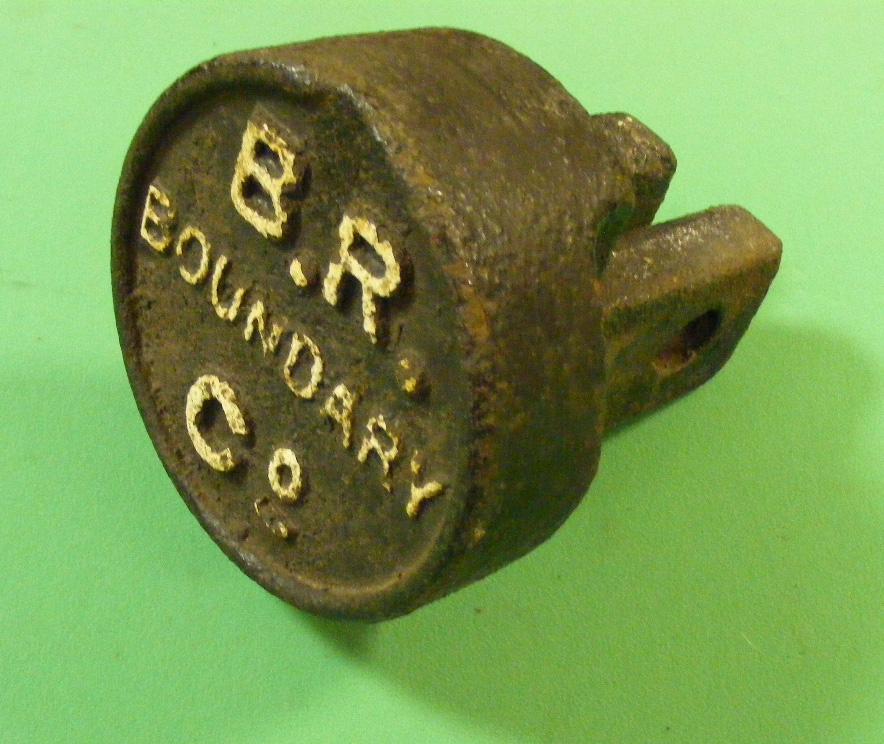
In their heyday, the railways were the biggest landowners in Britain after the Church, and it was inevitable that boundary disputes sometimes arose.  It was to resolve this problem that many railways designed boundary posts or markers.

The oldest tend to be in stone, while those from about 1870 onwards are in cast iron – some companies using lengths of surplus rail, suitably inscribed.

The Great Western Railway (GWR) markers were made of Brunel-designed bridge rails cut into lengths, with an angle iron T-piece on the bottom, and a cast iron top, moulded round the rail.  Between 1880 and 1920, the year of manufacture was included on the cast top.  The Midland Railway (MR) used pieces of ordinary bull-head rail whose tops were stamped into an oval shape, with the raised letters ‘MR’.

These two types are by far the most common available to collectors, though the cast iron posts of the London & North Western Railway (LNWR) and Great Northern Railway (GNR) are also frequently seen.

It appears that several railways never had any boundary posts, and no examples are known from the Great Eastern, London, Brighton & South Coast, South Eastern & Chatham, or from any of the five main Scottish lines.Barry Railway

Barry Railway Company

On the other hand, two of the small South Wales companies had boundary posts which often come up for sale – the Barry and Rhondda & Swansea Bay railways.  The GWR, MR, GNR and LNWR all made boundary posts for their joint lines, and some of these are both exotic and extremely rare.

For example, the GWR produced posts for an area of land at Reading which abutted with the South Eastern& Chatham.  This was the only meeting point of the two companies, and just two markers are known to exist, both dated 1915.

Boundary markers are usually placed in the fence line at the side of the railway, or in adjacent land by bridges, viaducts or crossings.

Monmouthshire Railway & Canal Company

Monmouthshire Railway & Canal Company

Chasewater Railway Museum – Another couple of museum paper items

Chasewater Railway Museum

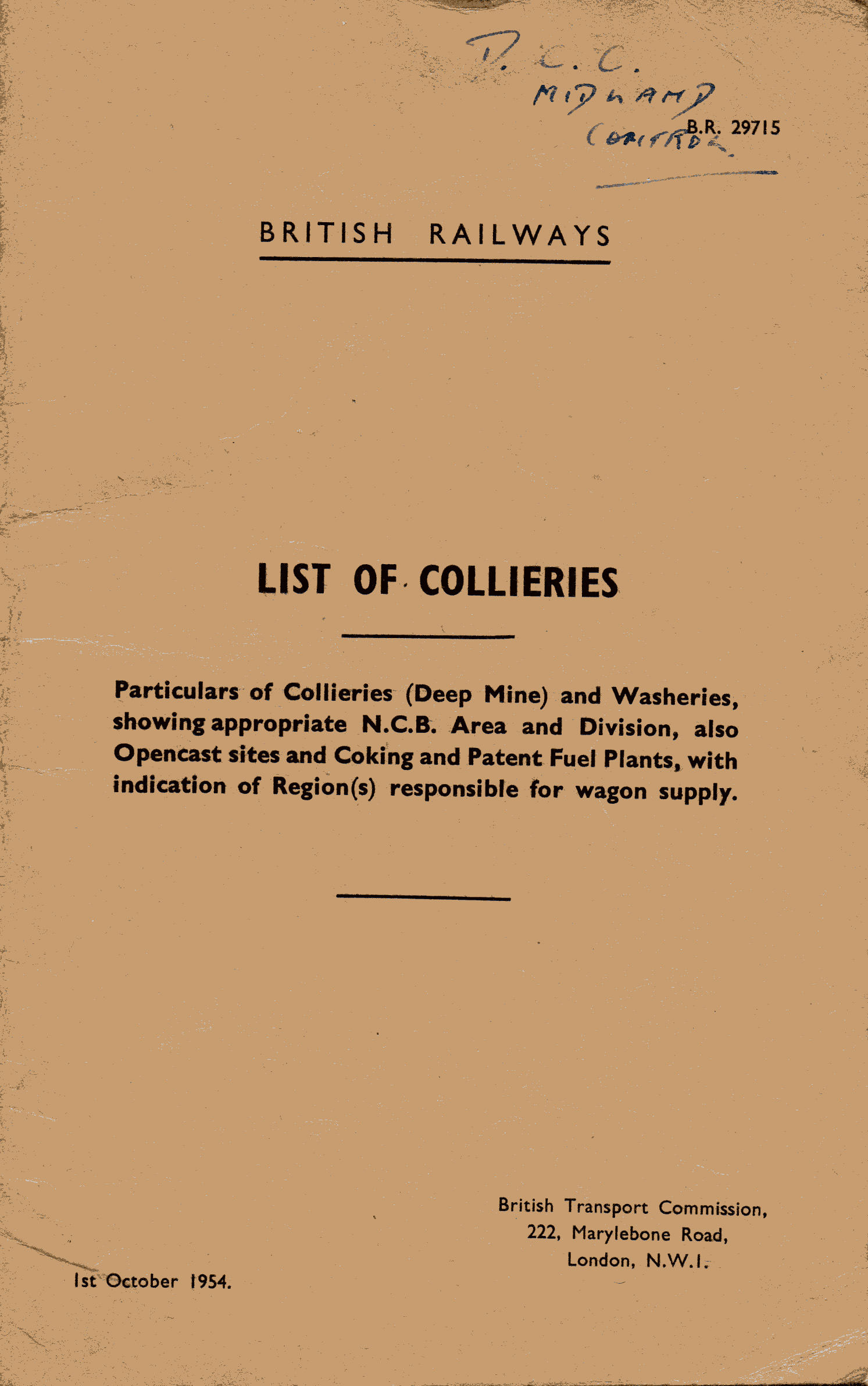
Another couple of museum paper itemsBR Book Coal Mines.Cover jpg

This British Railways list of collieries contains particulars of all the collieries in 1954 and the Railway Regions responsible for wagon supply.

The photos show the cover and page relating to the Chasewater RegionBR Book Coal Mines

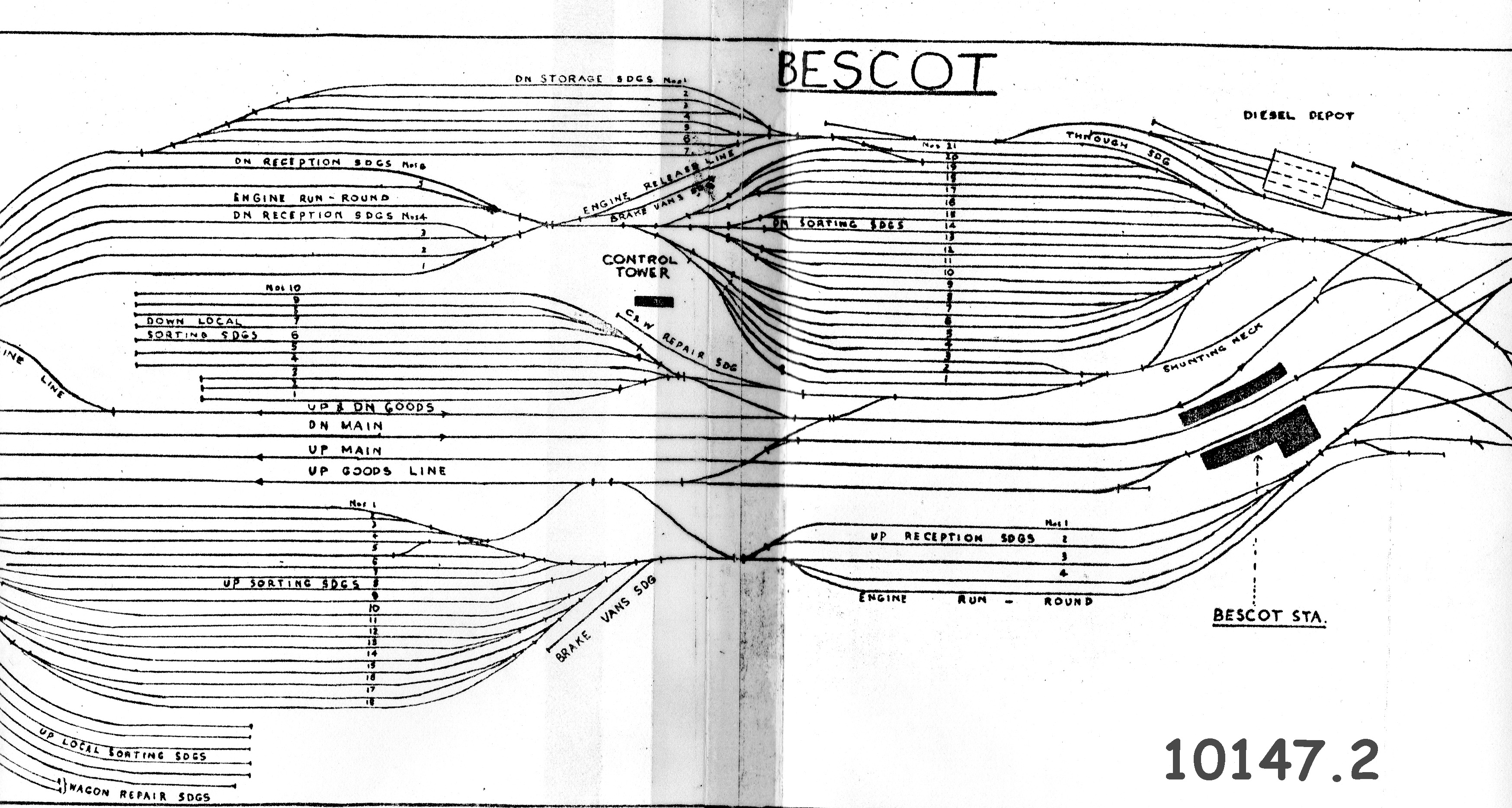
The other items contain information about the Bescot Marshalling Yard and a sketch of the yard, dated 1968.Bescot Marshalling Yard 1Bescot Marshalling Yard 210147.3

10147.2

These items were passed on to the Chasewater Railway Museum by Tom Moore

One for the Archives

One for the Archives

An old newsletter has just turned up in some old paperwork we are going through, and as it was first published at this time of year, I thought it might be interesting to show the state of play 26 years ago.8109.18109.28109.38109.4

From the Archives – Handbills

From the Archives

Handbills

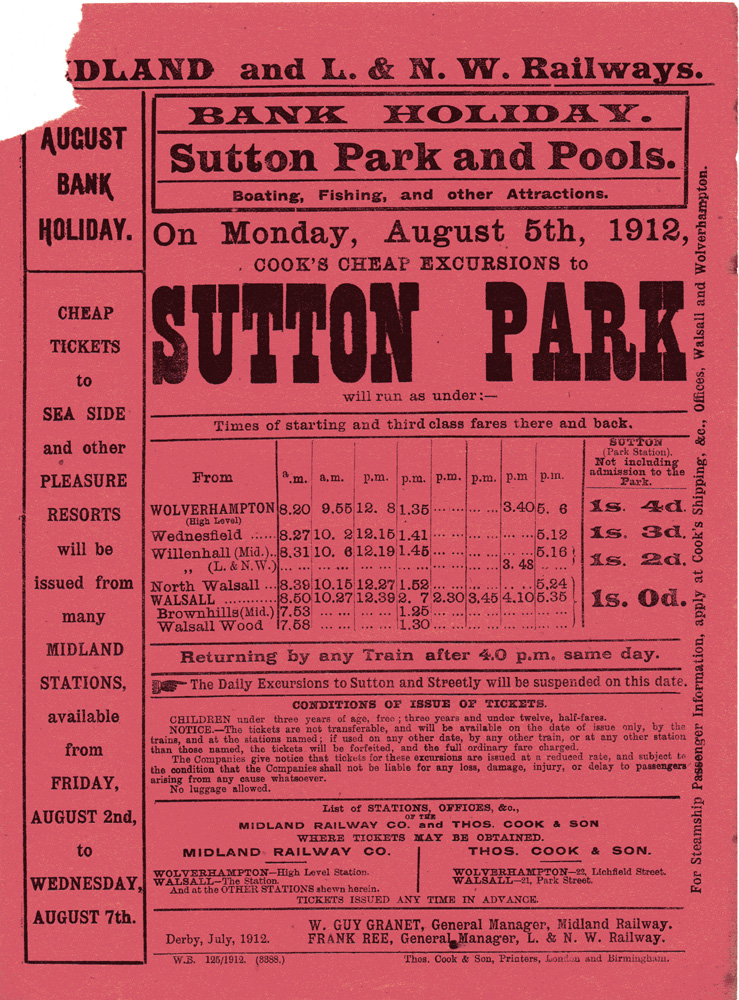
 The latest addition to be entered on the museum database is a collection of handbills, a number of them from local stations.8451 To Sutton Park

The one pictured here is obviously of interest to Chasewater Railway members, being a return trip to Sutton Park, leaving from, amongst other places, Brownhills (Midland) station and Walsall Wood.  This was the Midland line which extended into the Cannock Chase coalfield, passing through our present Brownhills West station.  How about the price? – 5p return to Sutton Park in today’s money!05291 Midland Station, Brownhills

The Brownhills (Midland) station was situated between the A452 Chester Road and the A5.  We have others of local interest which I shall post here in the future, but I haven’t as yet come across any more from Brownhills – but I shall keep on looking!!

Acquisitions – A couple of signal box nameboards

Acquisitions

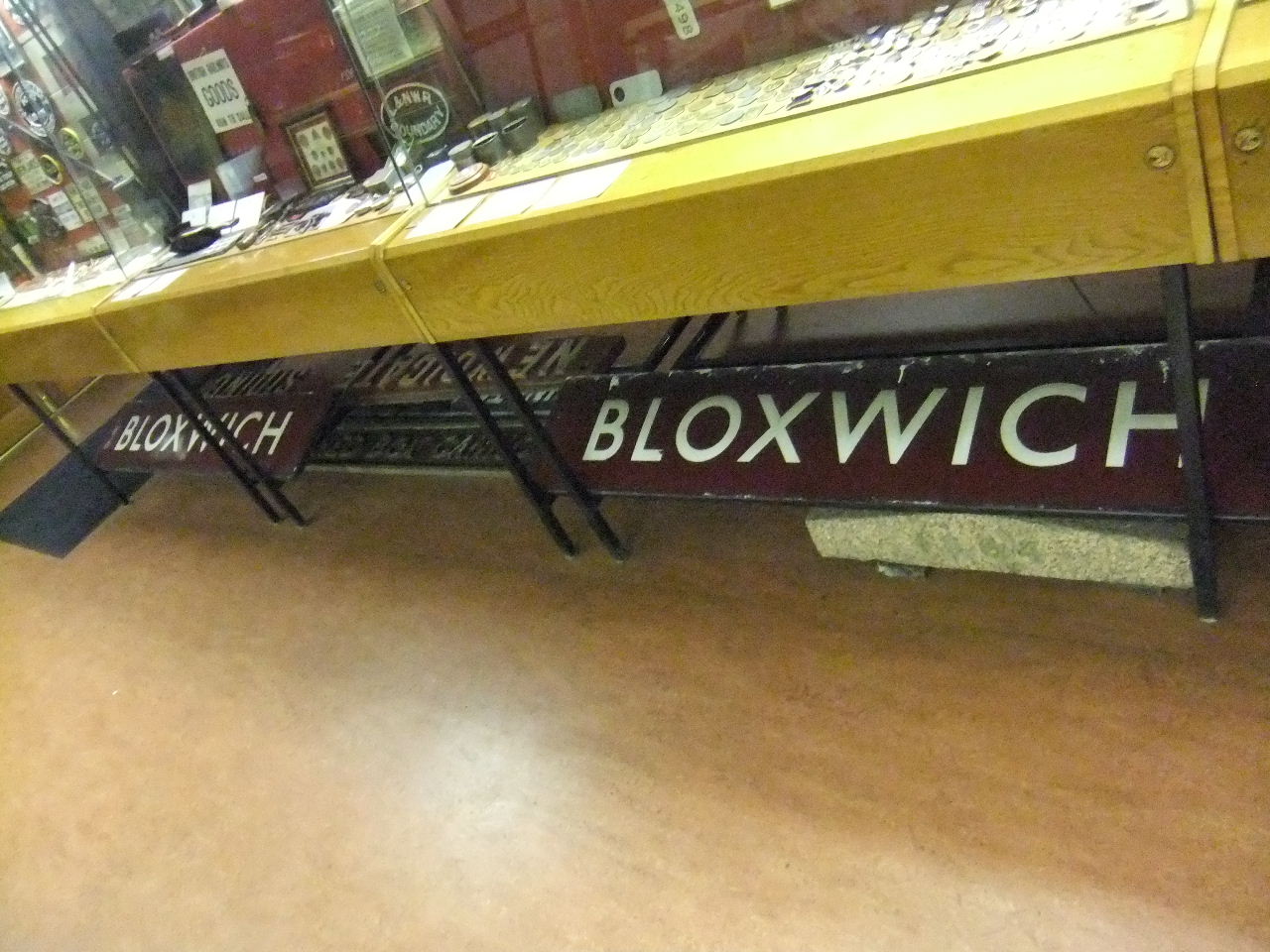
A couple of local signal box nameboards have arrived at the Museum recently.DSCF9100DSCF9123DSCF9122

Chasewater Railway Museum – One for the Archive

One for the Archive

Dec 2013 Magazine Inc. Chasewater

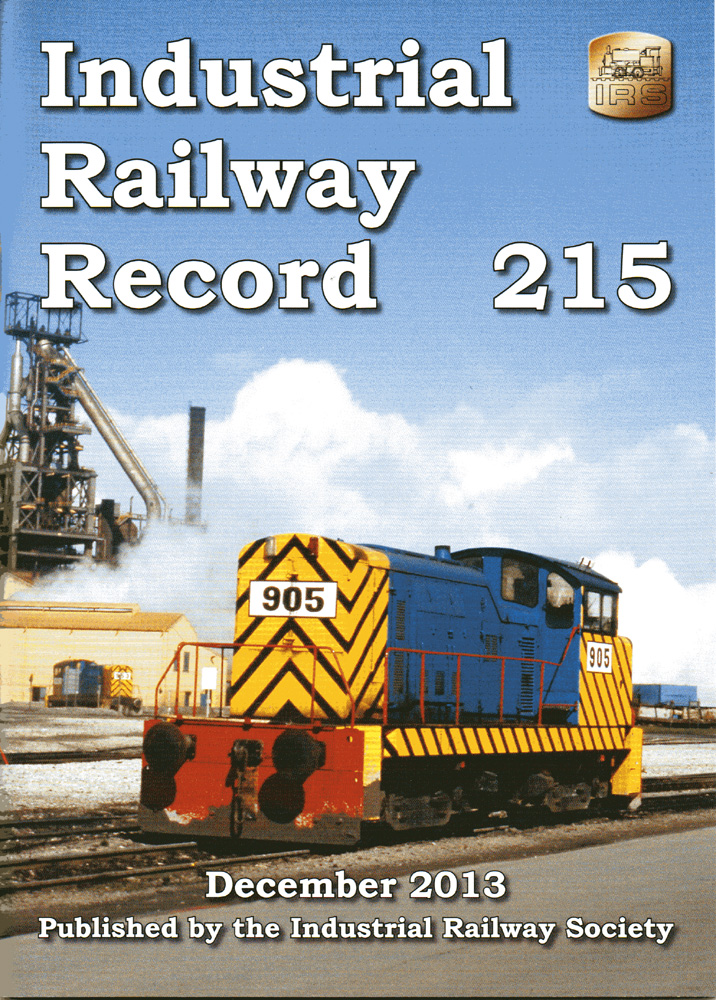
The latest magazine of the Industrial Railway Society, the December 2013 edition of Industrial Railway Record 215, has been purchased by the Museum for our archive. It contains a report on their Annual General Meeting , held at Chasewater Railway, and a lengthy article about the railways of Chasewater, amongst many other interesting items.

Copies are available from Barry Bull in the Chasewater Railway Museum.

Chasewater article title page


Chasewater Railway Museum Bits & Pieces 62 – From RPS Newsletter No.3, July – October 1973

Chasewater Railway Museum Bits & Pieces 62

From RPS Newsletter No.3, July – October 1973

 DMU on causeway001

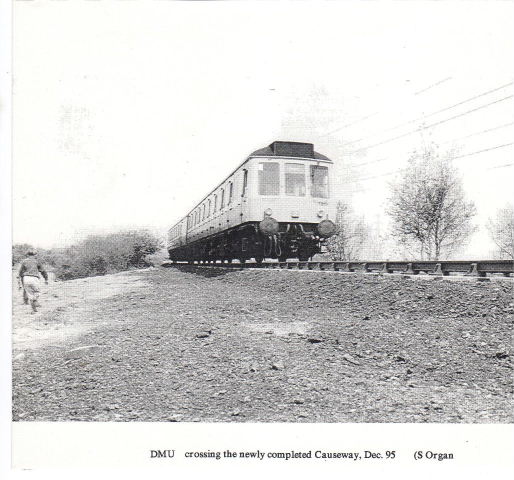
Due to the grand summer weather our train running operations have proved very successful, this of course has also been enhanced by having the DMU trailer unit now in regular service, our train crews have carried out the job of keeping the wheels rolling most efficiently.  Members wishing to participate in train duties should report to Steve Allsopp for instruction.

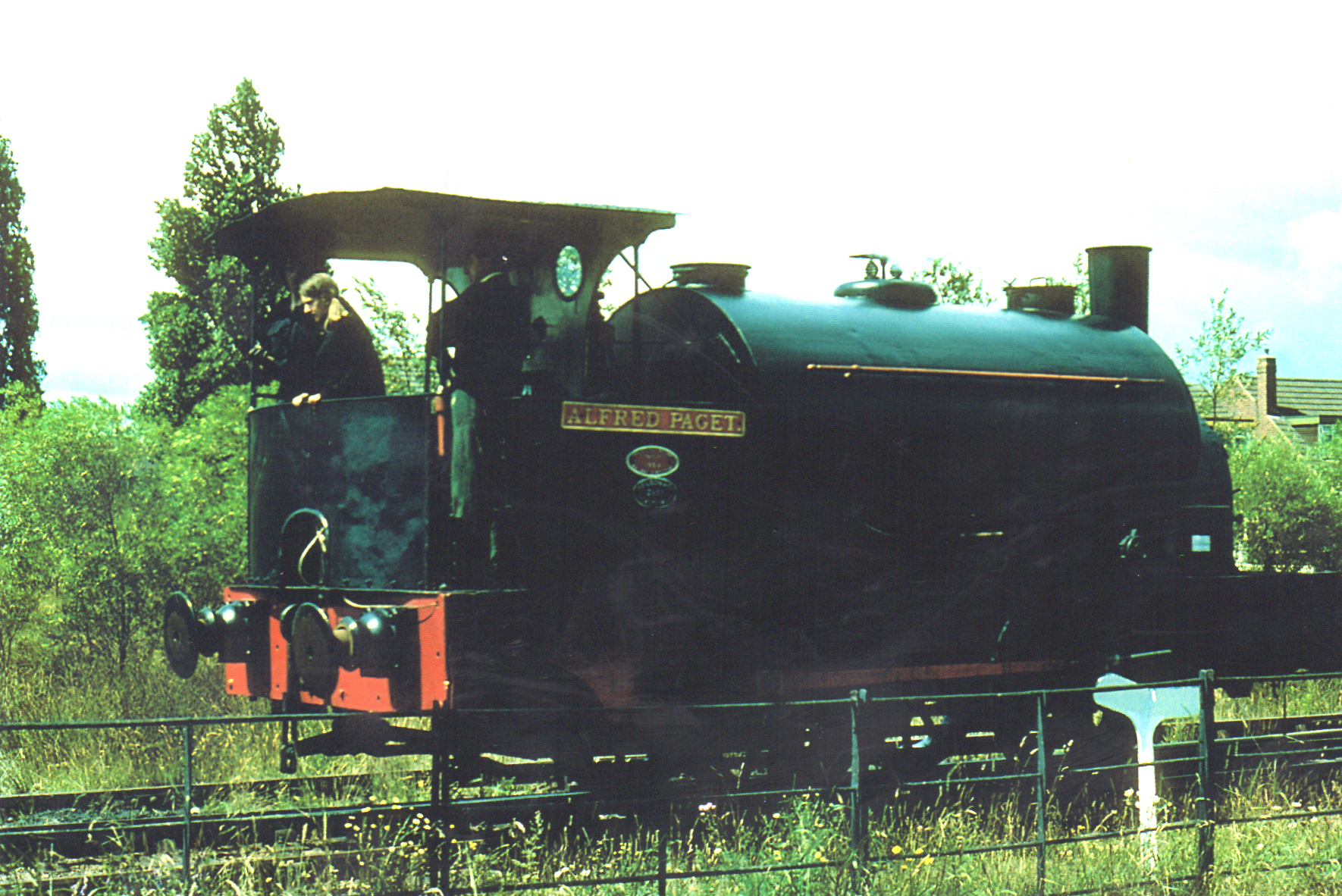
Neilson 0-4-0 Locomotive

1977 Lighter

This locomotive has now passed its boiler test successfully and is now in the process of being re-assembled.  I understand that the main bearings are being re-metalled.  The whole project is in the capable hands of our General Manager, Derek Luker, with Keith Sergeant acting as chief assistant.  We are heavily indebted to these two members for sticking to the job.

MSLR Carriage

2010_02270020

Restoration of this vehicle still continues, also a long slog by John Elsley. John would appreciate a little more help with this vehicle.  Anyone who is reasonably skilled in woodwork should report to John Elsley.

 The platform building had been slowed down due to the train operations, and the Railway held a very successful Railway Exhibition at the Forum Theatre in Cannock. Very many thanks to all the people who set up the stands, acted as stewards, and in particular, to Rob Duffill and his team of ladies who manned the refreshment bar.