Tag Archives: Museum Collection

Chasewater Railway Museum – new in July 2011

Chasewater Railway Museum

new in July 2011

Amongst other items recently acquired by the Museum, although not yet on proper display (but are available for viewing!) are two railway maps, the first, Airey’s Railway Map of Staffordshire and District, and the other

   Bradshaw’s 19th century ‘Map and Sections of the Railways of Great Britain’

  This final item is of particular local interest, as they don’t come along very often.  It is a block instrument from the East Cannock Junction signal box at Hednesford.  The signal box was situated between Cannock and Hednesford where there was a junction between the Walsall to Rugeley line and the Norton Branch which went to High Bridge Sidings at Pelsall, through Norton Canes.

The block instrument was purchased by the Museum, the two maps were donated.

If you should have anything of railway interest that you no longer require, remember us!

Come along and pay us a visit – open every Sunday from 11.00am till 3.30pm, and it’s free!

Chasewater Railway Museum – The rest of the collection of manufacturers’ plates

Chasewater Railway Museum

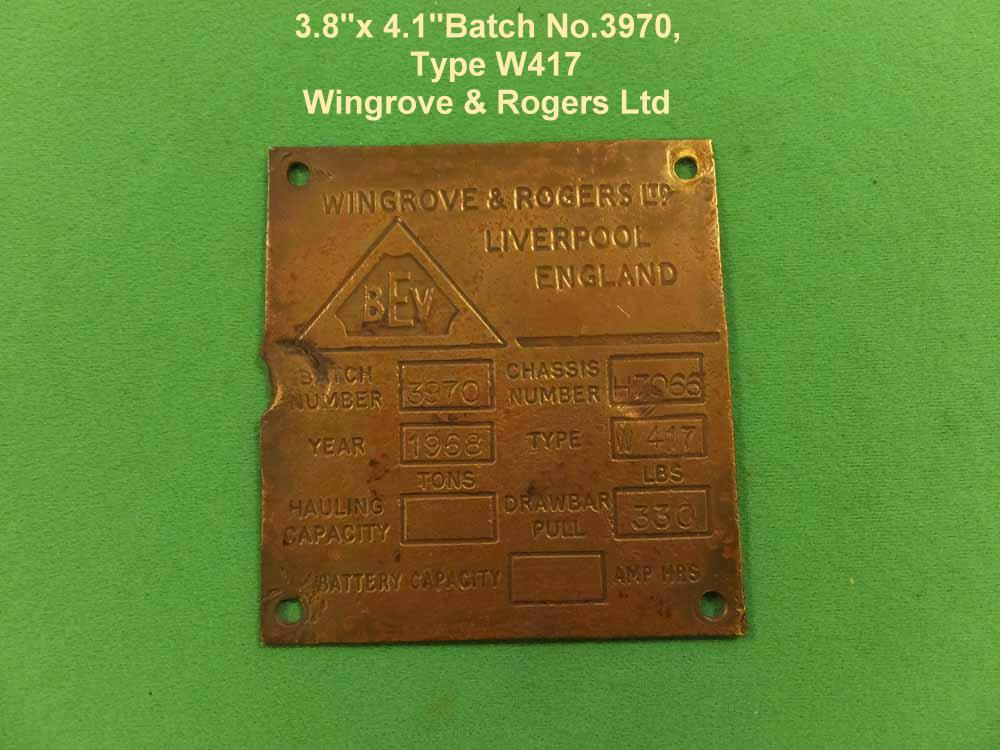
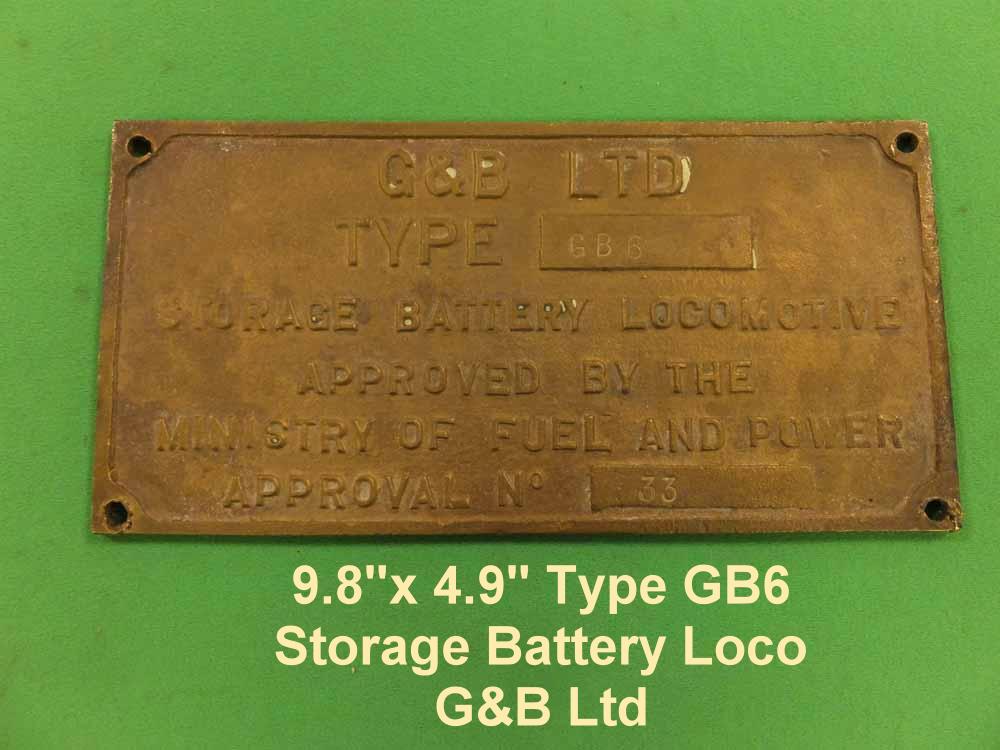
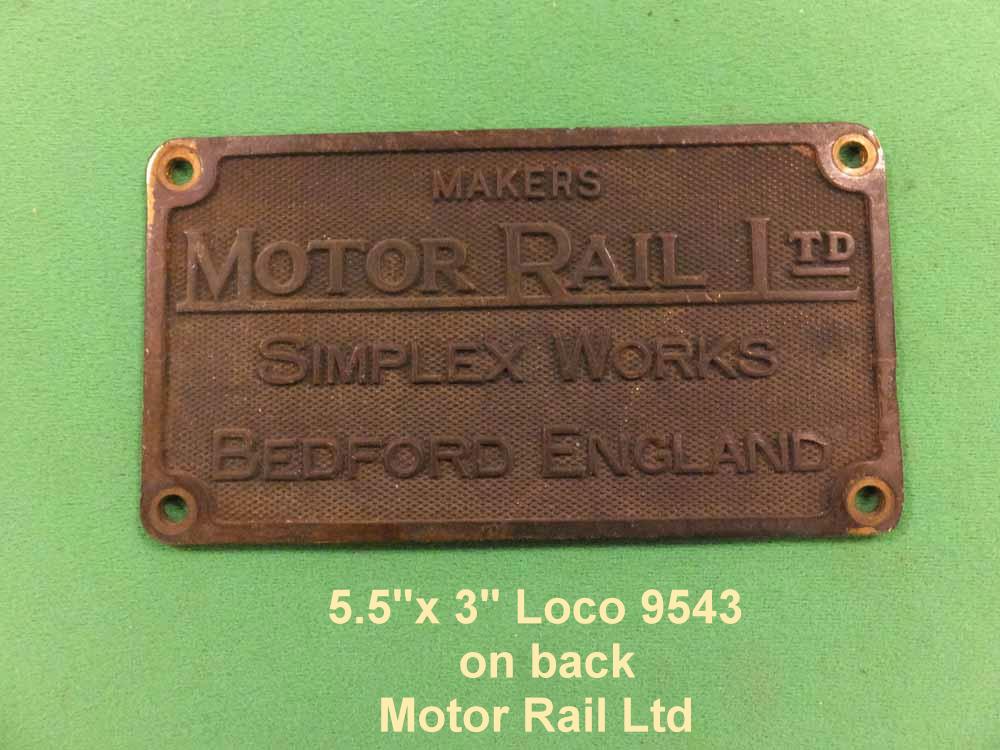
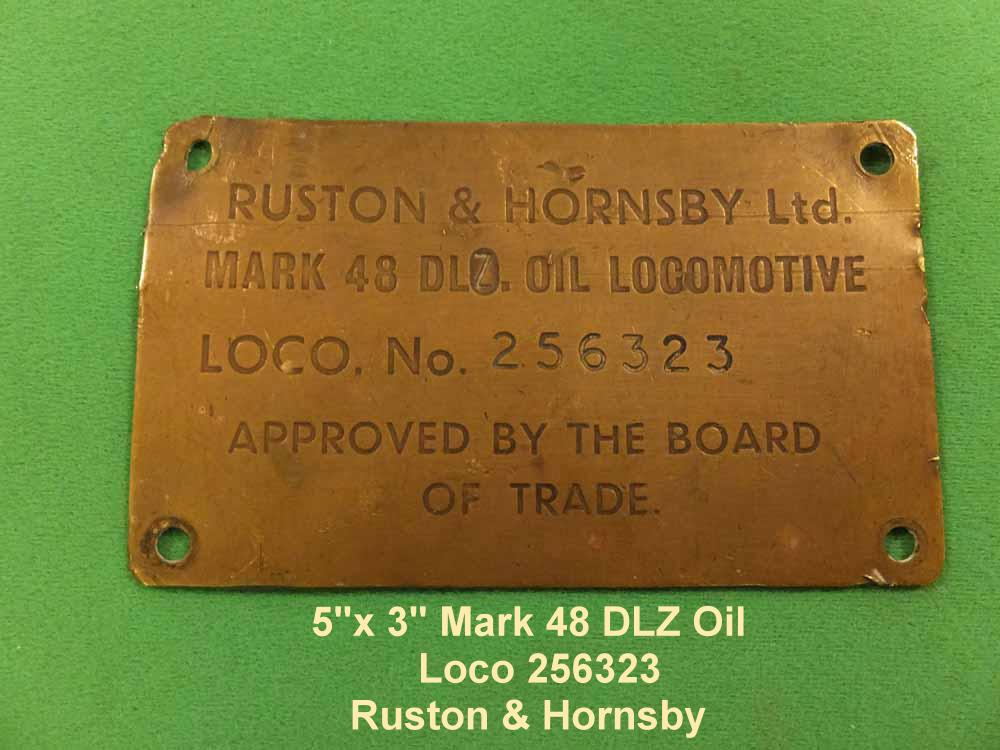
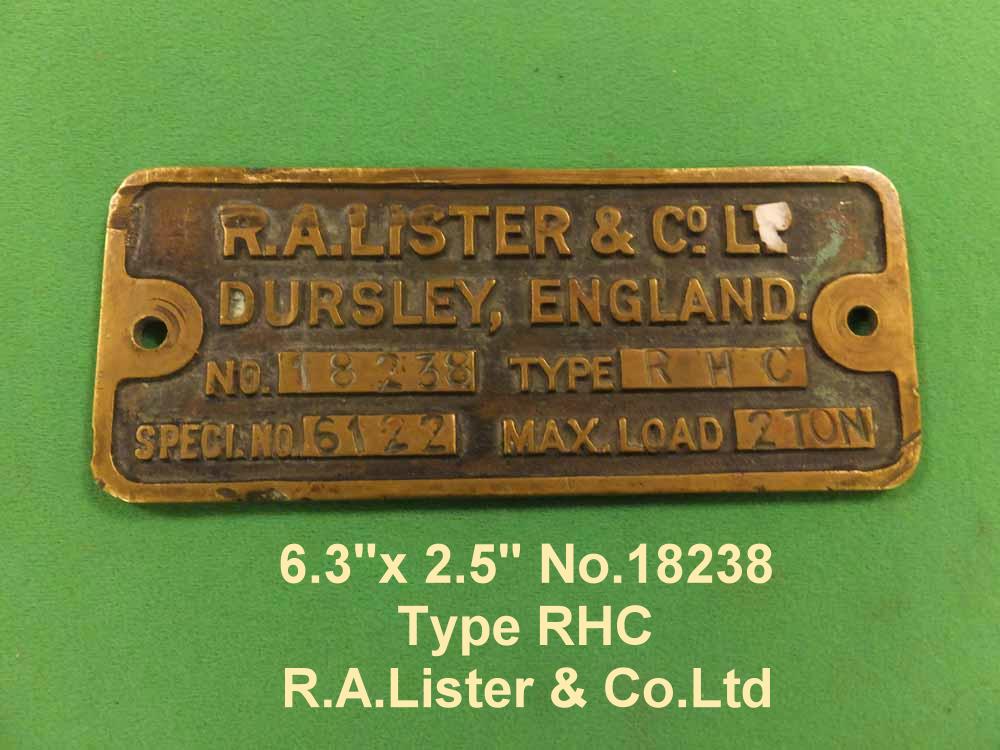
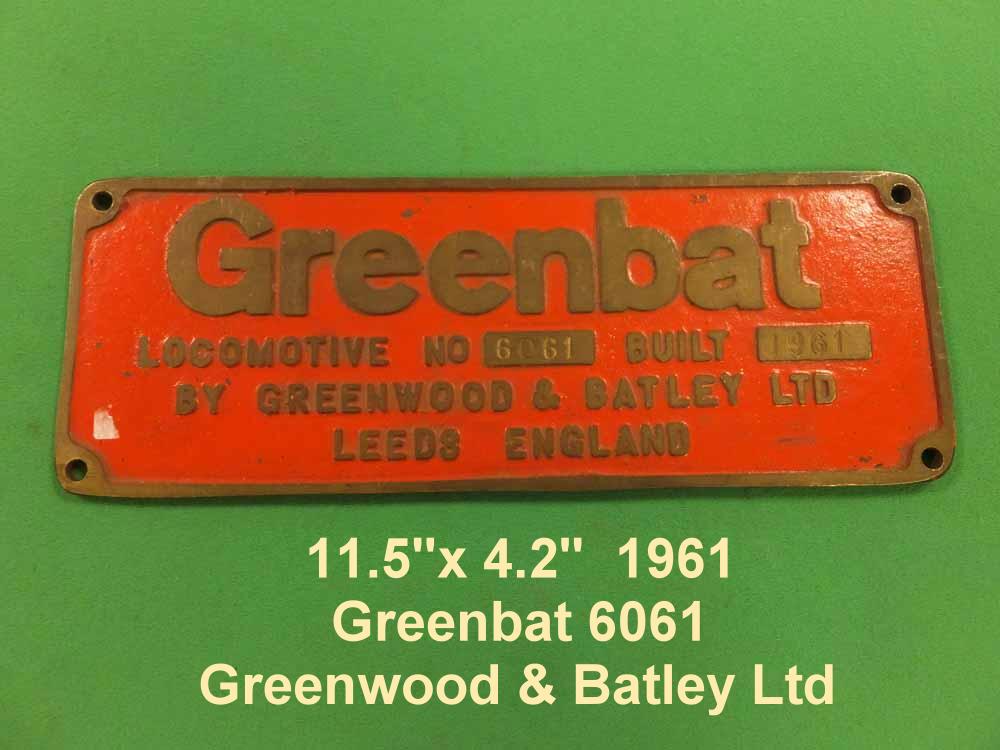
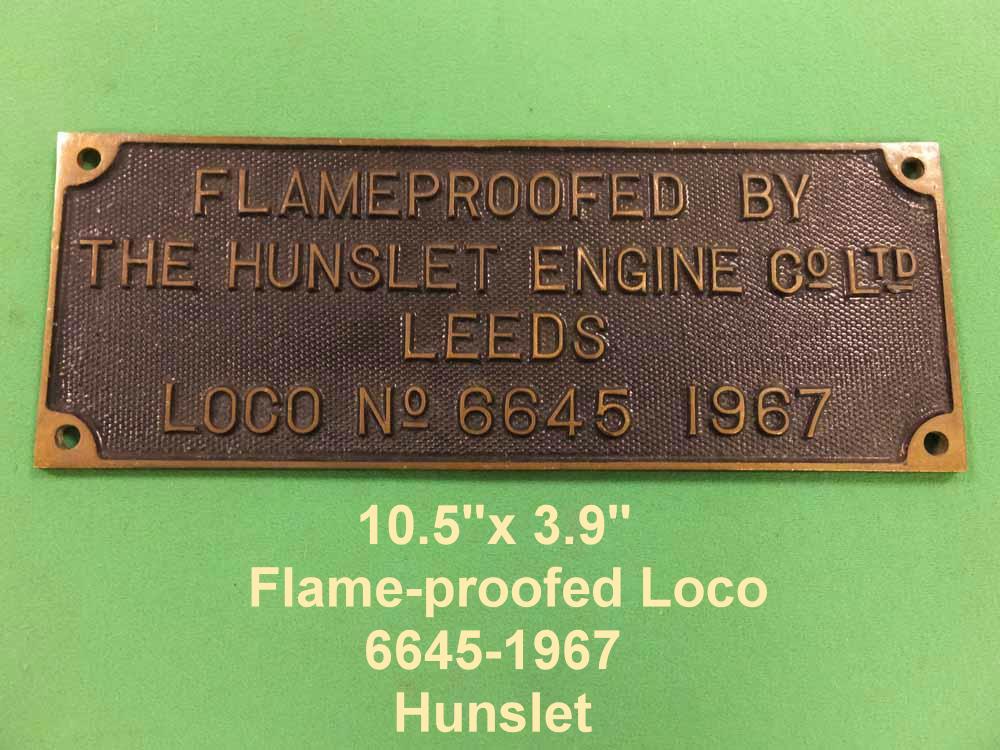
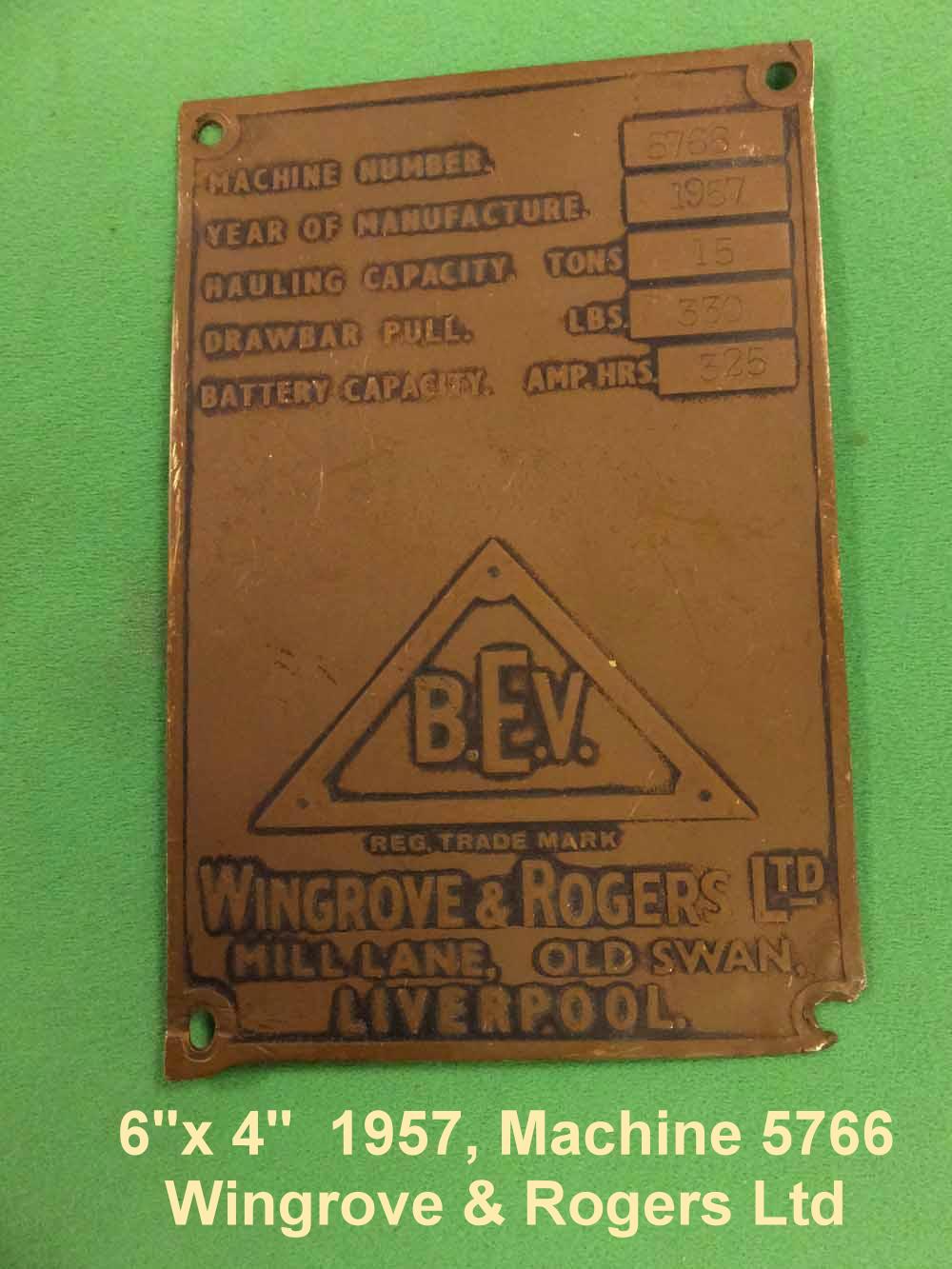
The rest of the collection of manufacturers’ plates.

DSCF0411 1 DSCF0413.1 DSCF0415 1 DSCF0418 1 DSCF0420 1 DSCF0422 1 DSCF0424 1 DSCF0426 1

Part of a Collection of 17 Manufacturers’ Plates

Chasewater Railway Museum

Part of A Collection of 17

Manufacturers’ Plates

These plates were purchased by the Museum’s Curator and will be on display shortly.

DSCF0409 1DSCF0407 1DSCF0405 1DSCF0403 1DSCF0401 1DSCF0399 1DSCF0397 1DSCF0395 1DSCF0393 1


Chasewater Railway Museum – A Very Interesting Label

Chasewater Railway Museum

A Very Interesting Label

This label came to the Museum from Robert Ives, the son of David Ives, a founder member of the Railway Preservation Society (West Midland Branch).

400

No.1054, which started life in preservation in a temporary home at the Railway Preservation Society, West Midlands branch at Hednesford, Staffs. This was, of course, the forerunner of today’s Chasewater Light Railway and Museum.

10722 cropThe label can be seen on the end of the buffer beam

1054-hednesford1Under cover at Hednesford

The LNWR Coal Tank was completed at the LNWR’s Crewe Works in 1888. Withdrawn from service in 1939 the engine was returned to traffic following the outbreak of the Second World War, and was the last example of the 300-strong class, finally withdrawn in 1959.

The engine was saved by a group of enthusiasts headed by J M Dunn, former shedmaster of Bangor MPD, and was the first steam locomotive to be preserved in the UK by public subscription.

The engine was subsequently presented to the National Trust for display at Penrhyn Castle in North Wales.

Since 1973, the engine has been in the care of the Bahamas Locomotive Society, based at their Ingrow Loco Museum on the 5JR Keighley & Worth Valley Railway in Yorkshire.

DSCF0560Seen working at the Severn Valley Gala in Spring 2015.

For further information, go to:

Webb Coal Tank 1054 – Latest News

The last additions of 2014

Chasewater Railway Museum

The last additions of 2014

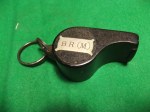
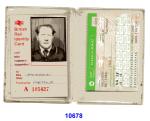
The family of a long-serving railwayman, Arthur Jackson, donated his retirement certificate, a group photograph, his ID card and pass and finally his whistle, for which we are very grateful.


Barry Bull found two more colliery tokens to add to our collection, one from Britannia Colliery and one from Taff Merthyr.

Chasewater Railway Museum – New Acquisitions

Chasewater Railway Museum

New Acquisitions

Booklet 1

Our curator, Barry Bull, has been collecting again – this time a series of booklets published by the Institution of Railway Signal Engineers.

The booklets contain the substance of a series of educational lectures prepared for students under the auspices of the Institution of Railway Signal Engineers.

There are thirteen booklets in all and comprise the complete set.  As there are three signal boxes at Chasewater Railway, these booklets will hopefully contain useful information.Booklet 13

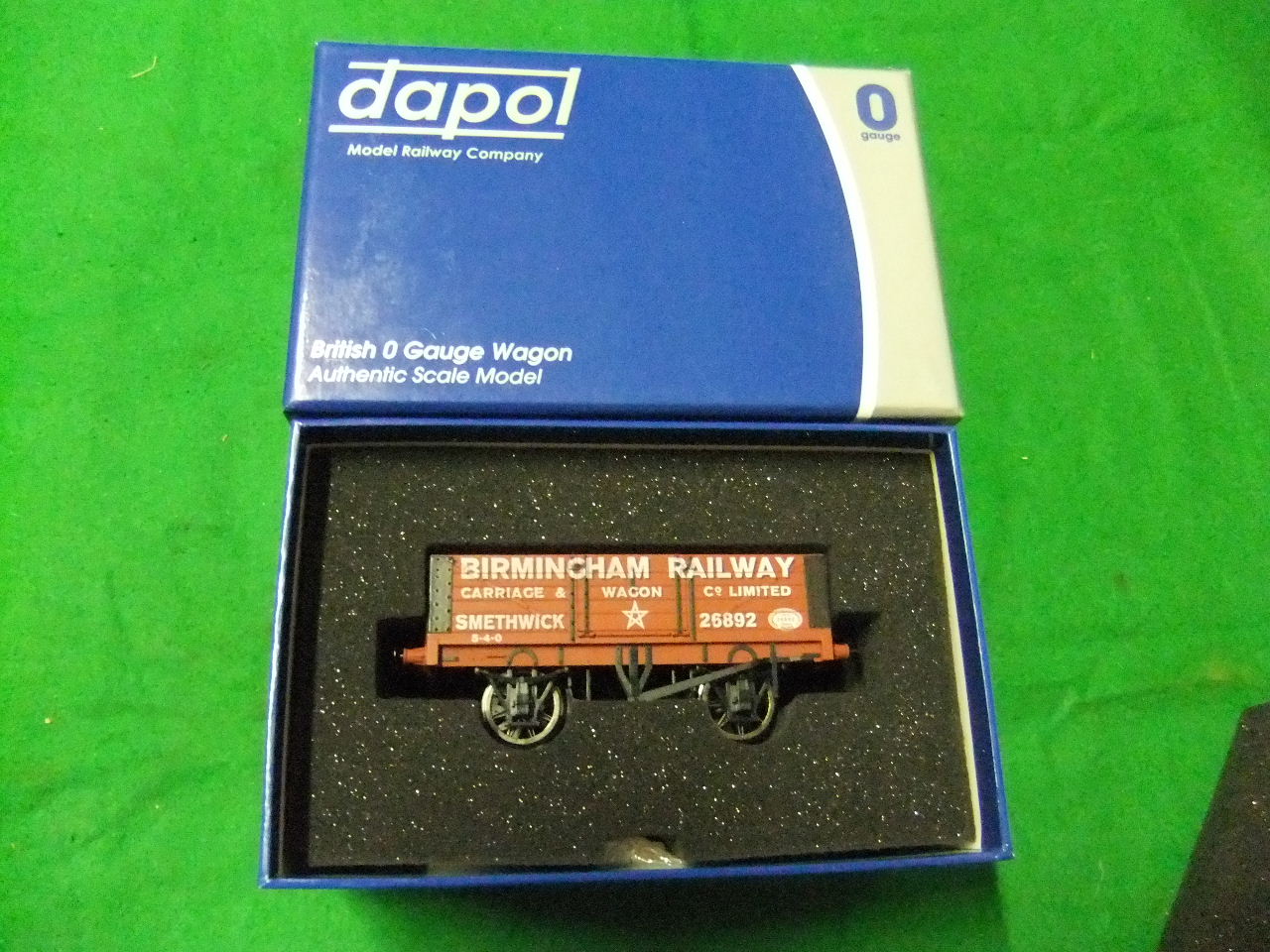
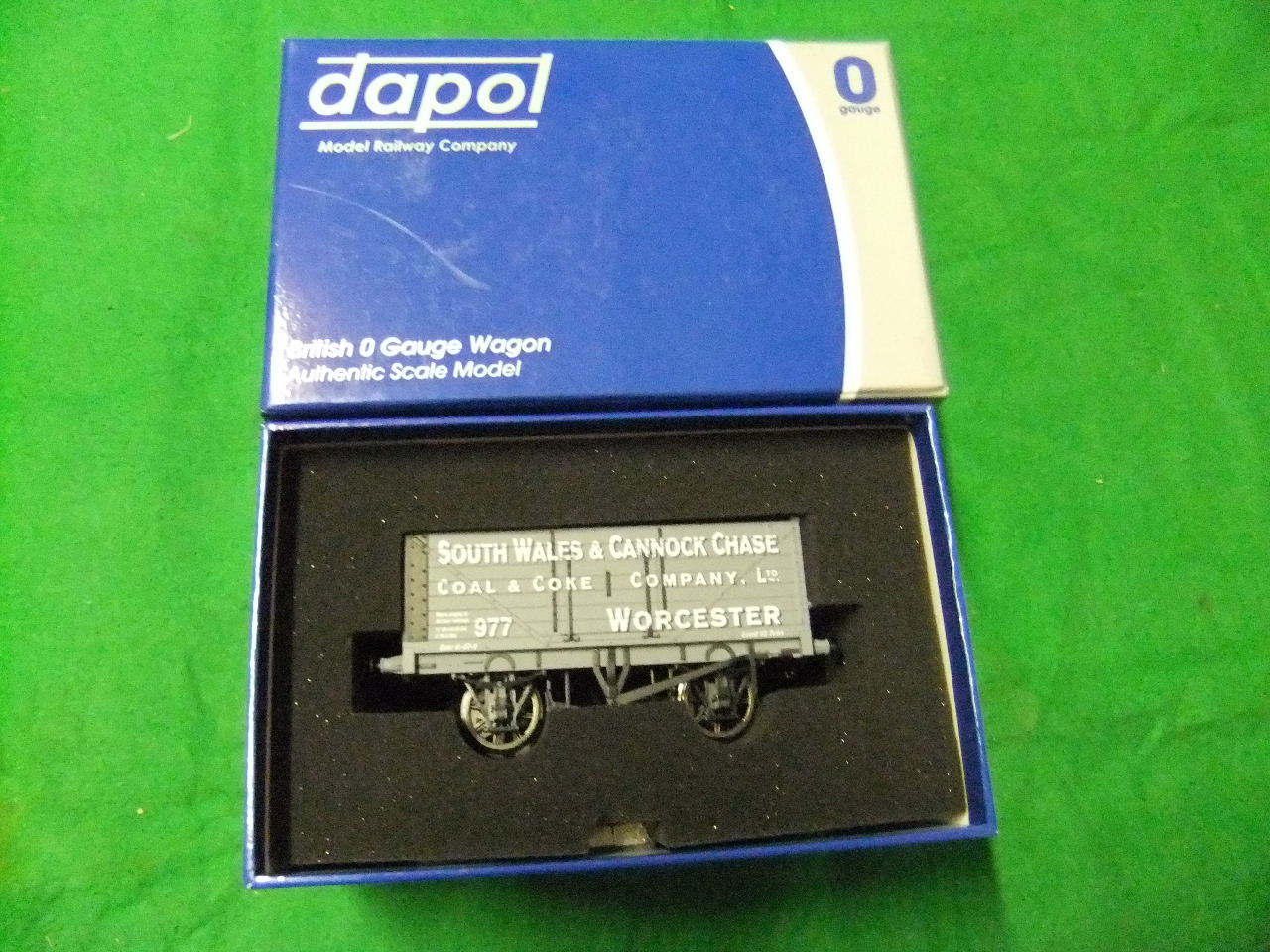
Also collected, three ‘Dapol’ O Gauge model wagons.

BirminghamMetropolitan

A 5-plank wagon of the Birmingham Railway Carriage and Wagon Co.

An 8-plank wagon of the Metropolitan Railway Carriage and Wagon Co.

and a 7-plank wagon of the South Wales & Cannock Chase Co.

We have also got a photo of a wagon from this company as new.

S.Wales & CC

05371 S.Wales & C.Chase coal wagon

Chasewater Railway Museum – Latest Acquisitions, Including the McClean, Marquis and Beaudesert Nameplates

Chasewater Logo 3Museum News

New Acquisitions

An opportunity presented itself  recently to acquire by way of private purchase half a dozen items of local colliery railway interest.  Not since the 1960s and early 1970s, when in that period a good relationship existed between the Railway Preservation Society and local National Coal Board management and which resulted in several donations of interest has the chance to obtain in bulk such star items for the museum collection.

McClean 205103 McClean 0-4-2ST Beyer Peacock 28-1856 Cannock Chase Colliery CoMcClean

First and arguably the finest piece from the Chasewater Railway point of view is the nameplate McClean from the 1856 built Beyer Peacock, the first of five similar locomotives delivered between 1856 and 1872. McClean lasted one hundred years before scrapping and in her later years was considered to be the oldest loco in the country still at work. The name McClean was bestowed in honour of John Robinson McClean who first came on the local scene as engineer in the construction of the South Staffordshire Railway before later, together with Richard Chawner leased land to mine coal forming the Cannock Chase Colliery.
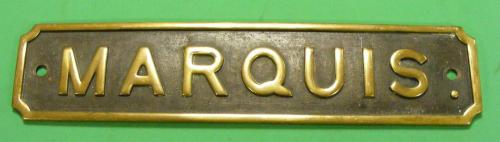
Marquis 2 05008 No.1 Marquis 0-6-0STIC Lilleshall 1867 C & RMarquis
The second of the three locomotive nameplates to arrive is Marquis. The name originates from the first Marquis of Anglesey, a title awarded to the Earl of Uxbridge who fought along side Wellington at the Battle of Waterloo. Carried by the Lilleshall Company built 0-6-0 saddle tank new to the Cannock and Rugeley Collieries as their first loco in 1867, she or is it he lasted until cut up at the NCB Cannock Central Workshops during May 1964.

Beaudesert 205024 No.5 Beaudesert 0-6-0ST Fox Walker 266-1875 C & RBeaudesert
The third nameplate is that of Beaudesert from the little 0-6-0 saddle tank built by Fox Walker, works number 266 of 1875 supplied new to Cannock and Rugeley Collieries as their number 5. Beaudesert was the ancestral home of the Paget family who became Earls of Uxbridge before being given the title and Estate Marquis of Anglesey. Finally cut up in 1964 the other nameplate of the loco survives and is on display in Kidderminster Railway Museum.

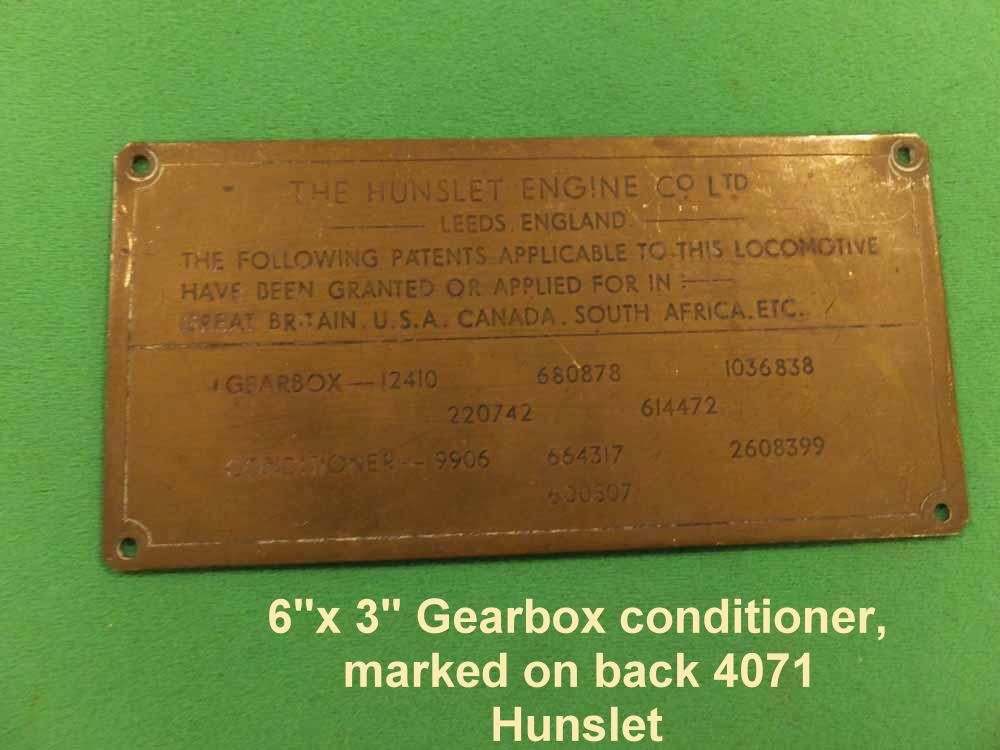
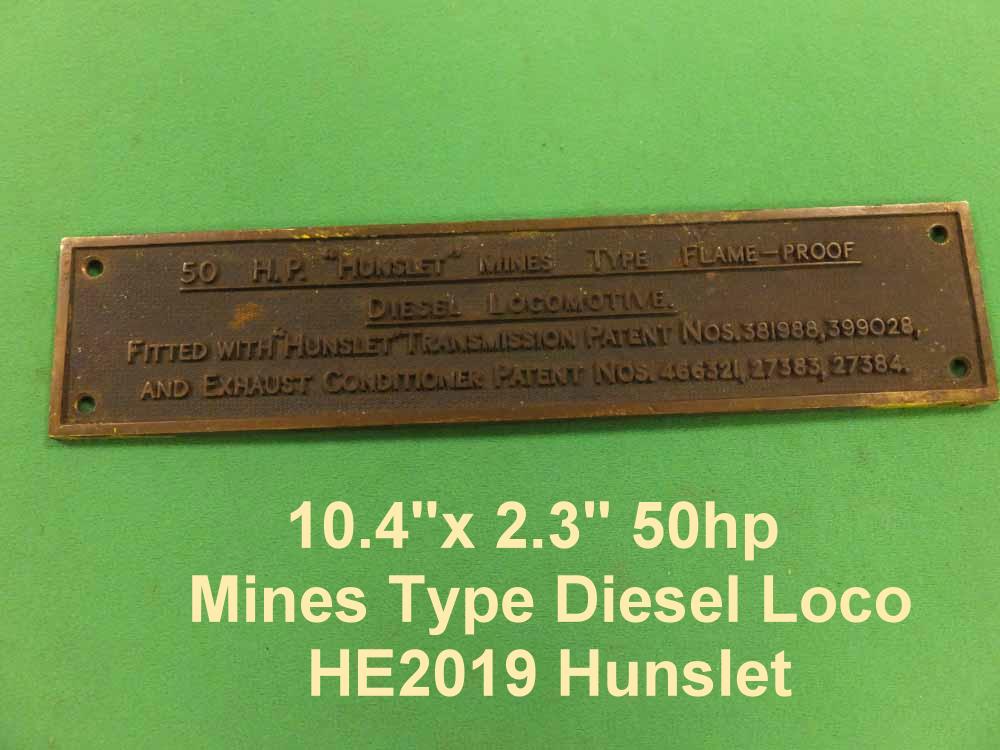
2013_0416 RSHTwo locomotive worksplates comprising of a cast iron Robert Stephenson and Hawthorns Ltd, 7292 of 1953 and Hunslet 3789 of 1953 have come as part of the deal.
Both locomotives were of the Austerity type, the RSH coming to Littleton Colliery from its previous owner the War Department, in May 1947, originally WD 71483 she became number 6 at Littleton being cut up there in Oct. 1970.
The Hunslet was delivered to Chasetown numbered 3 and was a replacement for the aged fleet of Victorian locos, she later saw service at Cannock Wood and Granville where she met her end after a life of just 16 years.

2013_0416 Hunslet
Finally a possibly unique cast iron sign headed The Littleton Collieries Ltd. with the wording.

The Littleton Collieries Ltd
Notice No Road
all persons found trespassing
upon or damaging any property
belonging to the above company
will be prosecuted.

Quite where the above sign was fixed is not yet known, but enquiries are being made.
It may be a little while before all of the above items are incorporated into our permanent display but the intention is to make arrangements to put them on view as soon as possible.

Barry Bull
Museum Curator
Chasewater Railway Museum

Notice 2

My thanks to Barry Bull for the information and Bob Anderson for the typing! CWS

The Chasewater Railway Museum Collection

the Chasewater Railway Museum Collection

One addition to the display in the Chasewater Railway Museum is the industrial steam locomotive nameplate ‘Wellington’, from the Manchester Ship Canal loco No.43, supplied by manufacturers Hudswell Clarke, their works number 758 of 1906.  The loco was of the maker’s ‘short tank’ variety and lasted until 1959 when scrapped.

‘Wellington’ is on loan from David Jones of Great Central Railway Auctions and is the second nameplate kindly loaned by the same gentleman, the first being ‘Bickershaw’ which was on display for three years before being returned to Mr. Jones.

The Museum does not as yet possess a photograph of ‘Wellington’ to display with the nameplate, so if anyone can help please let us know, either in the Museum or through the blog or by telephone – 07748130215.

Amongst other items acquired by the Museum, now displayed in the buffet, are two railway maps, the first, Airey’s Railway Map of Staffordshire and District, and the other

   Bradshaw’s 19th century ‘Map and Sections of the Railways of Great Britain’

  This final item is of particular local interest, as they don’t come along very often.  It is a block instrument from the East Cannock Junction signal box at Hednesford.  The signal box was situated between Cannock and Hednesford where there was a junction between the Walsall to Rugeley line and the Norton Branch which went to High Bridge Sidings at Pelsall, through Norton Canes.
The block instrument was purchased by the Museum, the two maps were donated and the nameplate is on loan.

If you should have anything of railway interest that you no longer require, remember us!

Come along and pay us a visit – open every Sunday from 11.00am till 3.30pm, and it’s free!