Tag Archives: Great Wyrley

197 Chasewater Railway Museum Bits and Pieces

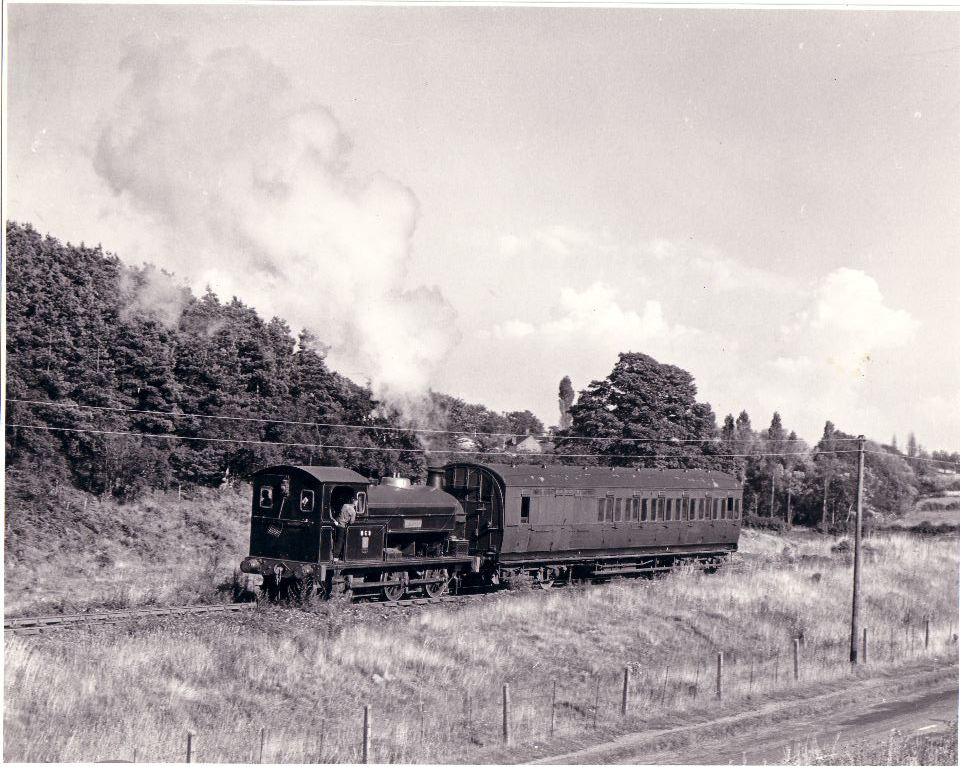
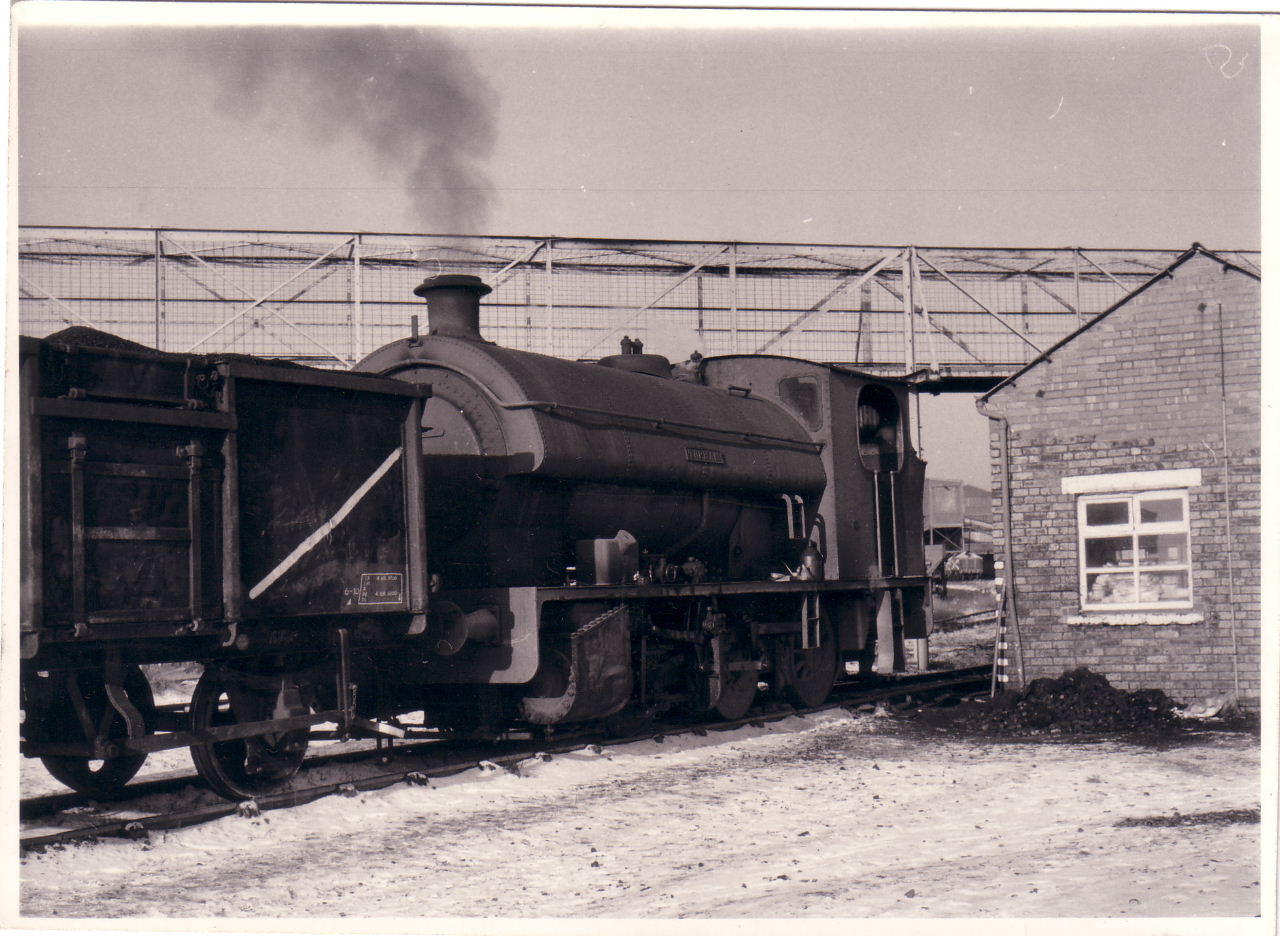
Loco ‘Topham’ 0-6-0ST Bagnall 2293-1922. Taken 18-12-1969

The photographs shown on this blog have been in the Museum since 1986. We regret that we cannot recall the names of the photographers. If you recognise any of them, please send us the details.

197 – Chasewater Railway Museum Bits & Pieces

From Chasewater News – Winter 1996 – Part 2

From the Board Room

David Bathurst – Chairman

Despite the fact that the festive season is getting ever nearer and the 1996 operating season has drawn to a close, there is no holiday period for the Board. Indeed, the Board has already agreed the pattern of train operations for 1997 to enable publicity leaflets, posters, etc. to be prepared.  Moreover, it has been agreed that the 1996 fare structure be retained, as the current ticket prices seem to have been pitched at just (perhaps exactly) the right levels and have been accepted by the travelling public.  It is pleasing indeed to watch prospective passengers, particularly those with family groups, buying tickets without feeling the need to complain about fares, how different from the days when many (maybe a majority) took one look at the fares and left the station without more ado.

With the help of our Publicity Officer, we aim to raise public awareness in 1997.  Indeed every member – whether a working member or otherwise – is a potential publicity officer in his/her own right.  We need to preach the Railway’s gospel, or at least ensure that its leaflets and publicity materials enjoy maximum exposure!

The Board has recently considered a variety of matters concerning the Railway, and some of these are outlined briefly below.

The ex LNWR ‘Paddy’

Following discussions with relevant members, the Board has formally acknowledged that the proper (or even partial) restoration of this vehicle is beyond the current or anticipated resources of the Railway, both in financial and manpower terms.  In its present condition, the vehicle is dangerous and a liability to the Railway.  Accordingly, the Board has agreed to try to find a more suitable home for the vehicle, which is to be advertised in the railway press for disposal.  Any such disposal would be on the basis of a commitment to restoration by the recipient.  Obviously, the Board would prefer to see it go to an organisation enjoying the necessary resources and expertise to bring it back into use.

Rallies

The board is examining in considerable detail the income/expenditure profit/loss profile of the rallies held in recent years.  There is much work associated with the organisation of our rallies, a lot of it out of view of the membership or the public.  The burden now being felt by a small minority of key members (who already have their own responsibilities for operation of the Railway) is becoming unacceptable.  For these members, the rallies are no longer an enjoyable challenge.  They have become more of a nightmare.  I am not prepared to allow this situation to continue.  I am not prepared to see our members and colleagues reaching a state of despair, which has happened on a number of occasions during 1996.  With Lichfield DC seeking for the first time to impose charges for hire of Chasewater Park for rallies in 1997, the Board is taking the opportunity of looking afresh at the Railway’s policies and options regarding future rallies.  The Rallies Organiser has been so successful in generating participant interest in our rallies that we have become vulnerable through a shortage of members prepared to make a direct contribution to rally organisation.  We have become a victim of, and hostage to, our own success.  If the Board’s aspirations come to fruition, we will have vastly increased public support for the rallies, but without the hassle experienced over recent times.  Our aim is to return to a situation where our rallies are enjoyed by the public, by the participants, and – more particularly – by our own members.

Invalid Toilet

The Railway’s Policy Statement includes a commitment to the provision for the disabled and our stations, buffet and trains are all accessible to people with mobility difficulties.  The one remaining omission is the provision of a disabled toilet and the Board has noted with pleasure that this will be available in good time for the Santa Specials in December.  The opportunity is being taken to ‘repair’ some defects in the plumbing system, hopefully with an improvement for the olfactory senses.

New Shop / Bric-a-Brac

The Board has given its support for a scheme whereby the recently adapted portacabin immediately next to the buffet at Brownhills West will become the new, enlarged, shop.  Shop sales, and children’s toys in particular, have increased markedly during 1996 thanks to the introduction of an enhanced commercial policy.  Consideration is being given to the use of other accommodation as a bric-a-brac shop.

Traction Inspector

The Board has formally endorsed the appointment of David Walker as the Railway’s Traction Inspector, although this is without prejudice to the Railway maintaining a relationship with other competent persons who have been prepared to assist in the past.  A driver and two firemen have already received their ‘ticket’ and further assessments are to be made in 1997.

Lichfield District Council

A lengthy letter has been received from Lichfield District Council in relation to the many matters which have been the subject of representations from the Railway since the Council became our landlords in 1993.  The Board’s preliminary impression is that the Council has failed to recognise or appreciate our concerns and that response is wholly unsatisfactory.  The Railway’s views will be communicated to the Council at an early date.

Christmas: Santa Specials

We are hoping for our most successful Christmas programme ever, providing the icing on the cake to complete a highly encouraging year.  Santa Specials will run on Sundays 15th and 22nd December, providing an opportunity for our ‘absentee members’ to visit the Railway and to judge for themselves what changes have taken place since their last visit.

P Way News

Arthur Edwards

In the autumn/winter plans for the P Way gang over the 1996/97 period is the laying of the sidings by the bottom compound.  This is expected to take up most of the winter months.  Some work has already commenced on laying out the first two roads with the first set of points going in after the Santa Specials.  The time scale for laying in the point work is expected to be around three months so that they should be up and running for the start of the next running season.  As the 1997 season will be starting early – the last week in March – and going through to the end of October, the P Way gang has a shorter period to get more things accomplished, therefore as our membership grows hopefully more volunteers will boost the numbers in the gang.  During this period it is also planned to lay 4 x 60ft lengths of rail on the extension so that the sleepers which are already in place can be keyed up and not tossed into the lake.  If the number of bodies available gets to a sufficient number, the causeway bank can be relaid with 60 ft lengths so if any able bodied volunteers are out there you can always find us on either a Saturday or Sunday, so don’t feel shy.

The weedkilling planned for the end of summer has had to be postponed due to the weather conditions not being suitable for it.  As the weedkiller has been purchased we should be able to spread it at the beginning or middle of March prior to the commencement of the new season.  This should be followed by a second application approximately half way through the running season so as to keep on top of the perennial problem of weed encroachment onto the track.  There are signs that some of the hedging planted several years ago is starting to take hold so that it should provide a permanent barrier along some of the more exposed fence line.  Further plantings should gradually fill out any gaps so making trespass onto the line more difficult.  I’d like to thank all the volunteers who have helped us during 1996 and look forward to seeing you in 1997.

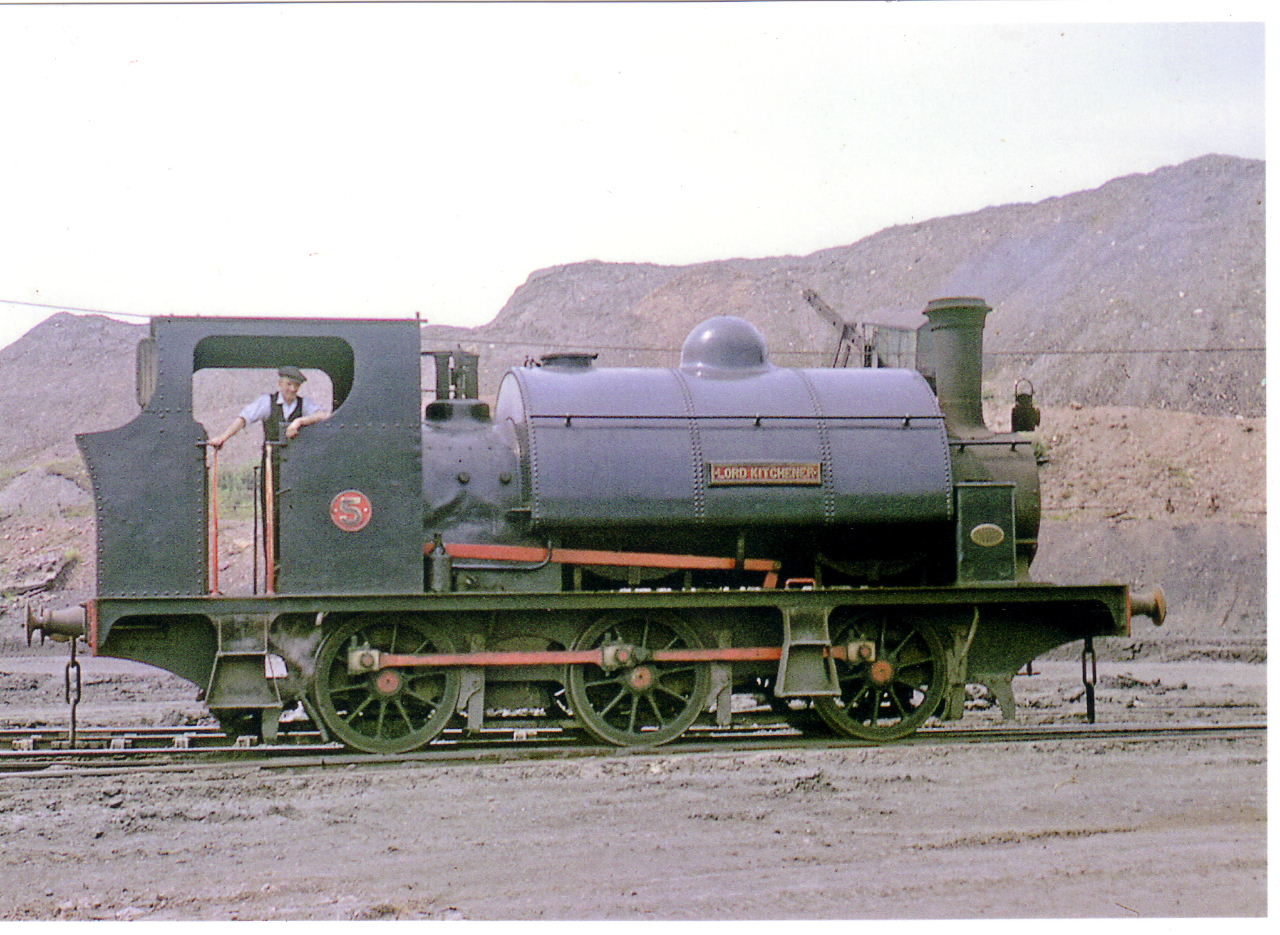
‘Lord Kitchener’ No5 0-6-0 ST Kitson 5158-1815 Photographer unknown
196 – Chasewater Railway Museum Bits and Pieces

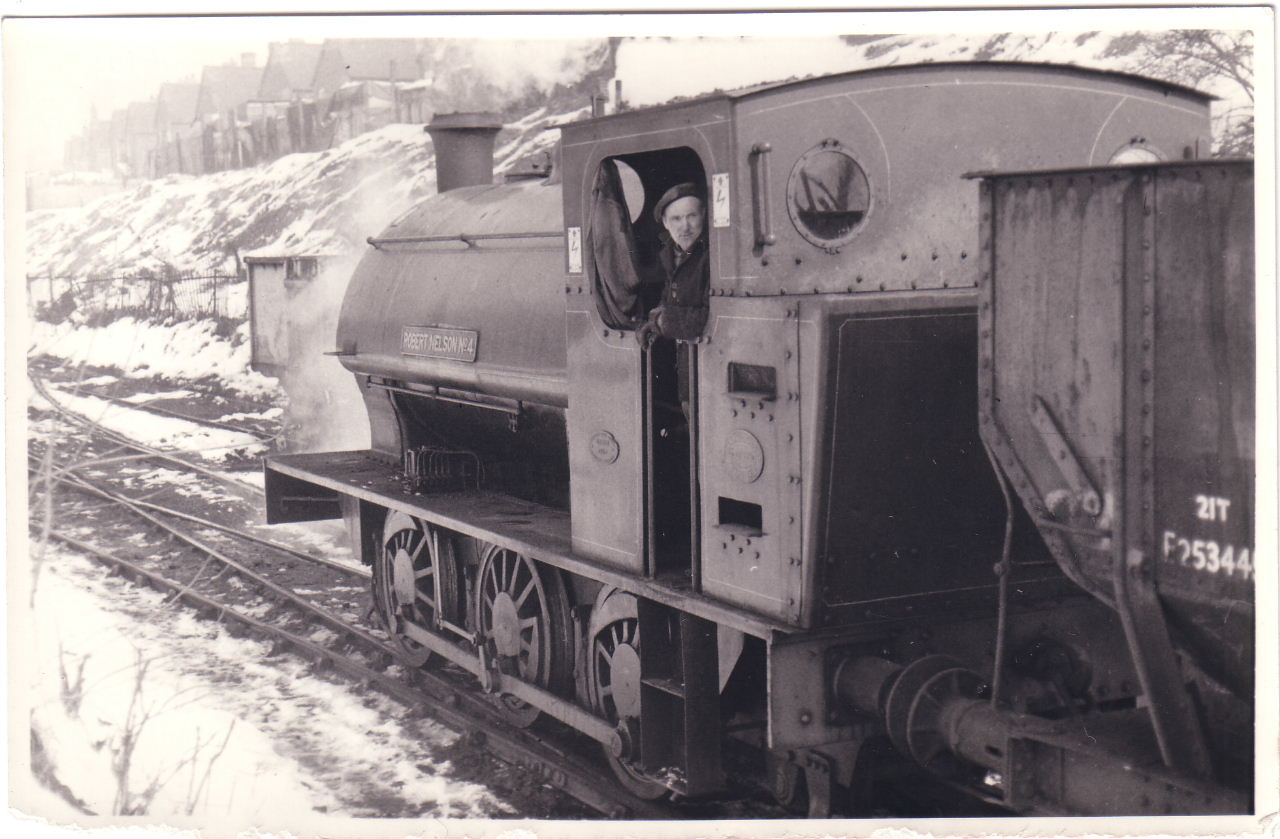
Robert Nelson No.4 Hunslet 0-6-0ST 1800-1936 Littleton Colliery.

196 – Chasewater Railway Museum Bits & Pieces

From Chasewater News – Winter 1996 – Part 1

From the Editorial

In putting the Winter edition of the Chasewater News together I am wondering where to start this Editorial.  As this is the anniversary of my first full year as Editor of our members’ mag I have seen the number of articles which have been submitted grow along with the distribution of the Chasewater News.  To the members who have contributed articles not yet published I would like to say a big thank you for your efforts, and that I still have them ready to put into the magazine.  To all the members who have old memories of the Railway in its formative years and who have thought about putting pen to paper, please do so.  Part of the Editor’s role is to take submitted articles in whatever form that they arrive in and see that they are in a presentable form for publication, and as you have probably seen in the odd edition that even with a spell-checker I have still dropped the odd clanger or two when it comes to spelling.

Not sure of the outside two but the fella in the centre looks vaguely familiar!!

On membership matters we now have a total of 305 members with a newsletter distribution of over 150 copies to individual households.  This must be the highest number that we have had for many a year.  I would like to welcome all new members who have joined since the last newsletter and hope that you will enjoy being a member of the Railway.  I am looking forward to our newsletter reaching the 250 distribution mark.  As the readership increases I can start to look at the possibility of things such as colour front covers and possibly some colour prints inside the magazine instead of the current black on white format.  This of course is only possible as the quantity published grows and the scales of quantity come into effect.

The past years have seen a major turn around in the fortunes of the Chasewater Railway, from languishing in the doldrums for a number of years in the late 70s and early 80s we now have a railway which gives pleasure to hundreds of visitors every years.  Many comments have been passed by the visiting public on ‘how friendly the people are at Chasewater’, and ‘how it reminds tem of railway preservation in the old days’.  This I feel is due to the positive efforts of all the working members and also the membership at large who have helped to push the message that the Railway is alive and well and growing!

In looking forward to 1997 we have put in place possibly our most ambitious programme of steaming days yet.  With more work being carried out on the restoration of the locomotives, both steam and diesel, the Railway can look forward to being able to run different locomotives throughout the running season, and let Asbestos have a well earned rest for maintenance and repairs.  Chris Chivers.

Loco Shed News

With the completion of the shed heating it is hoped that life will be much easier for the locomotive volunteers, and there are mutterings from Andy Mould that the forge will finally be put back into working order.  Personally I think he’s just looking for somewhere to cook his bacon and keep his tea hot!  Also  during the recent shunt round, the North Eastern brake is now residing in the shed road and has been dubiously named the ‘917 and Neilson support coach’ and during the recent bad weather it has seen rather more bodies using it for a mobile rest-room than usual!

Steam Locomotives

No.4 Asbestos – Still the mainstay of the Railway for steam haulage and at the moment only requires the usual maintenance necessary for any steam locomotive.  She is expected to be in traffic during the Santa Specials.

No.5 Sentinel – With the arrival of the replacement links the repairs to the chain are well under way, and it is hoped to have Sentinel steam tested before Christmas.

No.11 Alfred Paget – The restoration of this engine continues at a pace.  The ¾” steel plate for the repairs to the front steam chest and boiler saddle has been acquired and cut to the required profile.  The broken pieces of the steam chest have been removed and sections have been cut away ready for the welding in of the new sections.  The boiler has been fully painted in primer and all the protruding studs on the firebox have either been removed awaiting replacements, or have been given a thick coat of grease as a rust preventative measure.  The locomotive is due to be moved into the shed before Christmas so that work can continue under cover over the winter months.  Further fund raising is being actively pursued by Janet Whittaker as the members on site can testify; ‘I’ve even been ‘mugged’ myself by the lady in question!

S100 – The work continues at a steady pace with new pins for the brake hanger assemblies being manufactured on-site.  The wheels should be back under the frames in their correct order before Christmas so that space can be made for the Neilson.

Diesel Locomotives

L&Y No.1 – Nearly all the new bearings for the gear box have now been acquired and the magneto and carburettor are nearing completion ready to be mounted on the engine.  The main body has been partially stripped down to be needle gunned and primed n red oxide.  The brake assembly and sand boxes have been moved to the shed to receive attention during the winter.  Once the engine is completed it is the intention to mount it in No.21 for a period of test running.

No.21 – An attempt to start the engine running on No.21 was made during the autumn without success.  There are still some problems with the cylinder heads and it seems that two new head gaskets will have to be found, as well as having the heads trimmed.  It is a possibility that the 4J0 engine nearing completion at Dormans will be brought to Chasewater for testing in No.21; this has still to be confirmed.

DMU Set – The DMU set has been partially painted in BR green and this is expected to be completed as soon as the weather improves.  The Company’s power car received a donation of £380 from the will of the late Geoff Young, with many thanks to his widow Brenda.

Carriage & Wagon Notes

Tony Wheeler

It has been some time since I have done anything from the carriage and wagon front for the Chasewater News, so here is a brief report on the ongoing restoration projects in hand at the present time.

Manchester, Sheffield & Lincoln Coach – The restoration of this coach is still ongoing.  Work is now being done on the underside of the frames with cleaning and painting taking place.  A broken panel on the guard’s door and two broken drop windows and frames have been replaced.  These were caused by vandals at various times during the autumn.  Due to the relatively minor damage caused we have still been able to concentrate on the braking gear and continued applying several coats of paint to the body as and when the weather has permitted.

Midland Brake Van – Work has re-started on this vehicle with the replacement of the missing roof boards.  This was followed up by the roof being re-covered to keep out the worst of the weather.  The missing end panels were replaced, along with some of the side panels being cleaned and undercoated.  The membership had a whip-round and £66 was raised towards the cost of the roofing for this vehicle, with the balance of the expenditure, £39.75, being made up by the Company.  The cost was as follows:  Roof felt – £73.32,  Screws – £6.96,  Paint – £19.47.  With many thanks to all who donated.

Rawnsley No.4 Lilleshall 1872 0-6-0ST on Paddy duties. Formerly 2-2-2 for Paris Exhibition.

160 Chasewater Railway Museum Bits and Pieces

160 – Chasewater Railway Museum Bits & Pieces From Chasewater News Summer 1993 –Part 3 The value of a hole in the ground David Bathurst

This pic is for the benefit of those who didn’t get to see the chimney in the previous post!

160 – Chasewater Railway Museum Bits & Pieces

From Chasewater News Summer 1993 –Part 3

The value of a hole in the ground 

David Bathurst

In an edition of ‘Chasewater News’ last year (Bits & Pieces No. 152) I outlined the possible use of derelict land grant (DLG) to enable the railway to achieve one of its most important projects – the restoration of the causeway.  The possibility had arisen for a number of reasons, including the fact that the Staffs County Council was preparing a derelict land scheme to reclaim the Norton Bog area of Chasewater, directly adjacent to the causeway.

The Staffs CC scheme was, however, delayed owing to the need to consult British Coal in respect of the coal stocks which might be recovered from Norton Bog.  If the Staffs CC scheme were to proceed, it was suggested that the causeway restoration could form a later stage of that scheme.  The mechanism to achieve this proposal was itself very complicated, with the causeway mainly falling within Walsall Council’s boundary.

Since the date of my earlier article, many events have taken place, including the decision of the Boundary Commission to transfer much of Chasewater into Lichfield District Council (and thereby under the planning jurisdiction of Staffs CC) from 1st April 1994.  This transfer also includes land ownerships, much to the dismay of Walsall Council.  The proposed transfer has direct implications for the railway, namely the short-term difficulties of having to take account of an additional local authority and the longer-term benefits of having to deal with fewer local authorities!!

Against this backdrop of DLG and the involvement of the various local authorities, members who visit the railway regularly will have some difficulty in reconciling the information which I have so far provided, with the events ‘on the ground’.  Indeed by the time this article appears in print, there is a prospect that most – if natal – of the causeway restoration will have been completed.  Not only has a very substantial access roadway been laid from Hednesford Road (rear of the station area ‘top’ compound), but similarly substantial works will have been completed to prepare the causeway to receive substantial inert fill materials.

‘But how is this possible?’ is the question likely to be asked by many members – especially those members who will have appreciated the massive scale of the restoration project.  It is a valid question, particularly in light of the knowledge gained by the CLR Board regarding just how much fill material (perhaps 10,000 tons) and manual resources are necessary to undertake the work.

One of the earliest lessons which I learned upon joining my current employers was the value of owning a hole in the ground.  As time passes and demands on space increase, coupled with the ever-present vigilance of the environmental lobbyists, local authorities and private organisations are finding it increasingly difficult to dispose of unwanted materials.  Although it is of no concern to the railway, everyone must be aware of the problem of dealing with household waste.  Exactly the same problem arises in respect of disposing of hard waste which is generated through the day-to-day operations of a large local authority.  Most of this material has to be sent to licensed tips – sometimes a great distance away – at a significant cost both in terms of transport and tipping fees.  If you own a hole in the ground, and you can secure the necessary planning and/or other permissions to fill it, then you have a most valuable asset.

I think that few of us involved with the railway fully appreciated that the causeway might be regarded as a ‘hole in the ground; in reverse!  But that is precisely what it is.Causeway December 1992

Even before the previous article appeared in print, representations were being made to the railway to the effect that Walsall Council’s Highways Direct Labour Organisation (DLO) would be prepared to undertake a restoration project, using the causeway as a suitable location for filling with appropriate inert (and environmentally acceptable) materials.  It would be, and continues to be, a finely balanced financial equation.  It was to be based entirely on commercial considerations.  It was not to be regarded as a favour to the railway.  It was to be based on the financial benefit to be obtained by the DLO, but with the railway enjoying a similar benefit, albeit not in directly financial terms.

The proposal can be summarised thus: a proportion of the savings made by the DLO by not incurring tipping charges in the private sector could be allocated to the works necessary to transport materials and employ heavy plant to spread, profile and consolidate the causeway to specifications laid down by the railway.  In addition to its routine programme of road maintenance, the DLO is for ever tendering for major highway projects, including bridge and similar schemes, all of which result in materials having to be disposed of.

I have no wish to expend too much time and space in describing all of the individual aspects of the project which have had to be addressed before work could start.  I can say, however, that many hours of discussions and consultations have been necessary, and dozens of phone calls made, to ensure (so far as is possible) the support and co-operation of the various agencies involved.  The detailed discussions have necessarily been limited to a mere handful of railway personnel, so as to concentrate lines of communication.

These discussions have included such details as how to deal with the rare (or rarish) plant life growing on the causeway.  It has been necessary to remember that the railway’s activities include certain designated areas, including a SSSI and a SINC (abbreviations well known to those of you with wild life interests), which have required close liaison with Walsall Council’s Planning and Leisure Services Departments.  I must place on record the tremendous help, support and co-operation of the Officers who have been involved in this particular aspect, including the Countryside Officer who gave the CLR Chairman (the author of this article at the time) a crash course in rare plant recognition!!Causeway South 1992

There have been a number of false starts to the project.  Initially, it was intended to import the materials from the bridge reconstruction scheme at the High Bridges on the Pelsall to Brownhills road.  I suppose that it was inevitable that something would go wrong, and so it did.  The weather immediately after Christmas reduced Chasewater Park to a bog, making it completely impossible to even consider moving any form of heavy vehicle into or through the park.  Each time the weather seemed to improve, it immediately deteriorated again, resulting in a further deferral of the start date.  I hardly need to remind certain members of the dangers associated with driving vehicles in close proximity of the Chasewater reservoir without taking the precaution of wearing a life-jacket and having flares (as opposed to railway detonators) immediately to hand.  (While working with the dumper truck it got a bit too close and slipped into the water!! Bits & Pieces No. 151)Causeway December 1992

However, an upturn in the weather enabled everyone concerned to agree to an early May start date, and work on laying the access road commenced in earnest on the first Tuesday in May.  Regrettably, the attentions of the local riff-raff were directed to the contractor’s JCB, which attempted to emulate the dumper truck in trying to carry out work within the Chasewater Reservoir itself.  Despite this set-back, the work has continued according to plan.

In terms of a time scale, the DLO have not sought to offer (and nor has the railway demanded) a precise indication of a completion date for the restoration project.  This reflects the fluctuating availability of suitable fill material – which has had to meet exacting criteria laid down by both the railway and the local authority.  Nevertheless, it is in the financial interests of the DLO to undertake the work speedily and effectively, so as to avoid the costs of employing contractors’ plant and equipment, whilst at the same time maximising the capacity possibilities provided by the scheme.

The end product will be a causeway capable of accommodating a railway line; but it will not necessarily be a finished product.  It will still be necessary for the railway to provide for the small bridge at the eastern end of the causeway to be widened to facilitate the provision of a trackside footpath.  Indeed, although there is no formal right of access across the causeway, the railway cannot ignore the real world situation in which the causeway is seen by the public as a convenient route between the two sides of Chasewater Park.  The restoration scheme includes a private footpath alongside the running line, but at a slightly lower level.

In addition, discussions are taking place with the group responsible for the Forest of Mercia, in relation to a scheme of planting suitable species along the causeway, so as to enhance the environmental attractiveness of what might otherwise be a somewhat stark construction.

I apologise for the length of this article, but only in one sense.  The causeway restoration project is of momentous significance to the future of the railway.  It is a focal point in the minds of many of the railway’s working members.  Not only is it important in itself, but it also opens up the real prospect of further expansion into Chasetown.  Already, preliminary discussions have taken place with Staffs CC – who are currently designing their Norton Bog Reclamation Scheme now that British Coal have withdrawn their coal recovery proposals – regarding the clearance of the track-bed adjacent to the Norton Bog site.  Further, Staffs CC Highways Department have been asked to provide details of their design work on the Burntwood by-pass, to enable the railway to assess the implications on the railway’s long-term expansion proposals.

This is a very exciting time for the railway, with so many different projects taking place or being prepared.  The causeway restoration will make it necessary to bring forward thought (and expenditure) on the procurement of sleepers and rail.  It will give an added impetus and an exciting incentive to the working members and the railway’s many supporters.

And it is a fact that the scheme has come about because of the one thing that most of us had not contemplated – our own special version of a “hole in the ground”.

Causeway South January 2005

Chasewater Railway Museum – The Causeway

Posted onNovember 9, 2015by John D | Leave a comment

Chasewater Railway Museum

The Causeway

Causeway April 1971

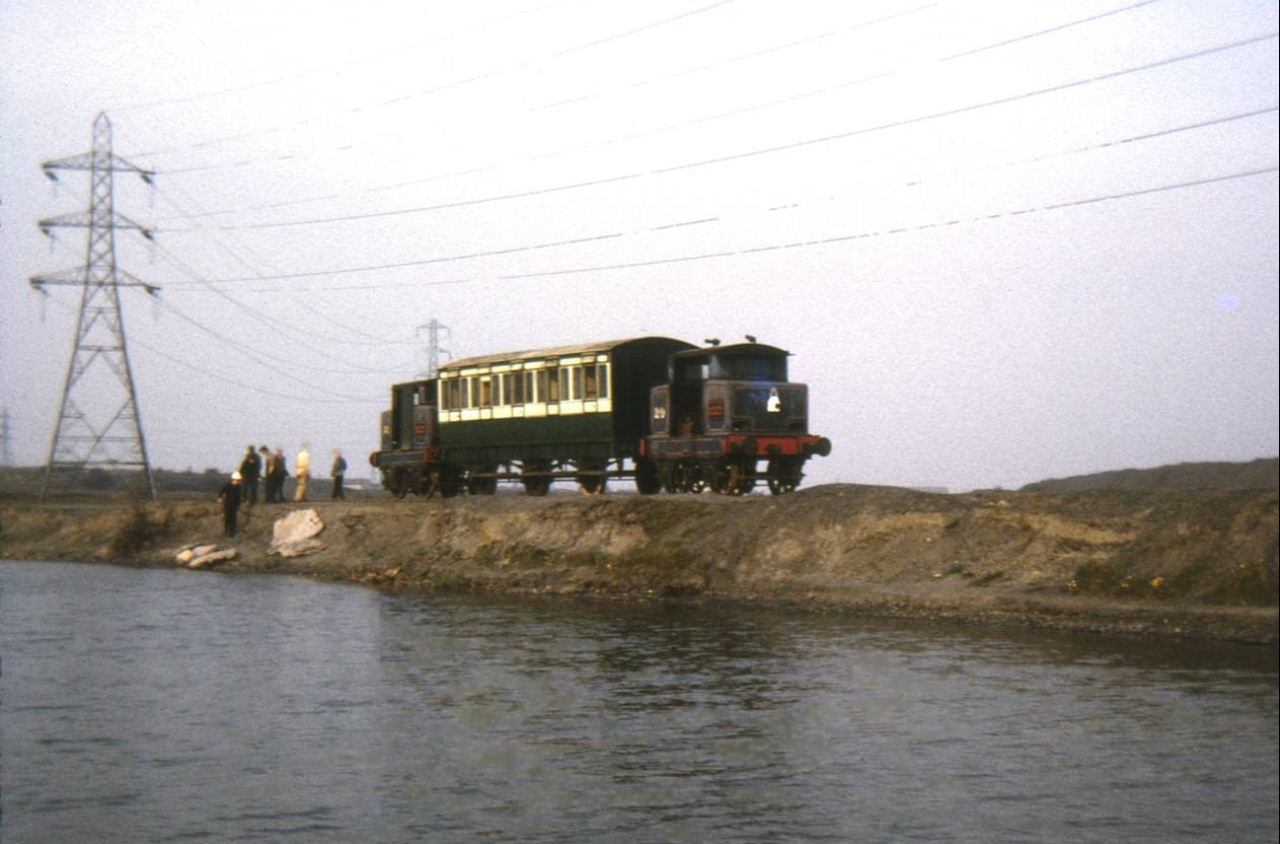
Worthington locos Nos.20 & 21 on the causeway with the Maryport & Carlisle coach in April, 1971

Causeway 1992

Taken in 1992

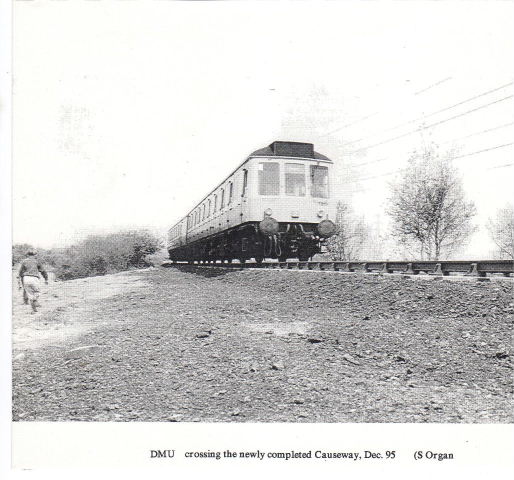
DMU on causeway001
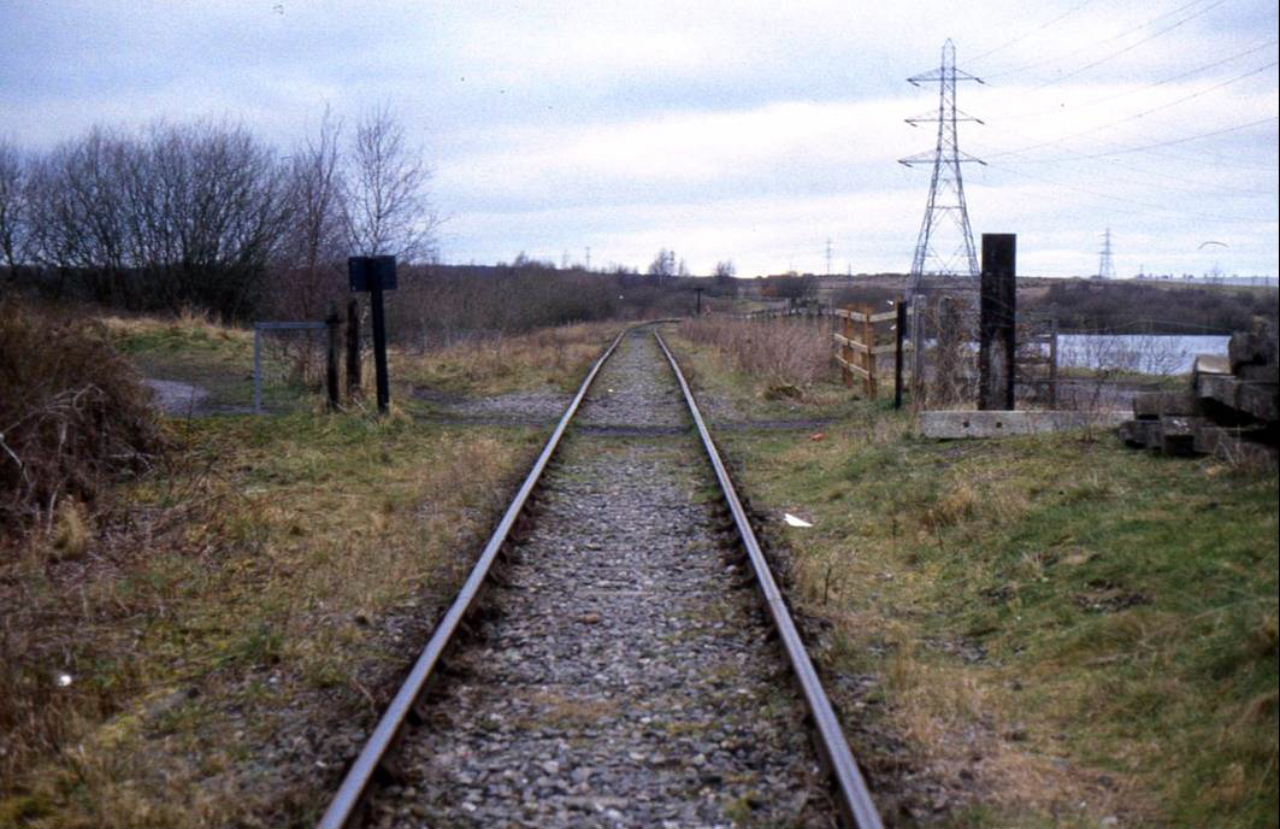
Causeway 2005

Taken in 2005

2011_03250028

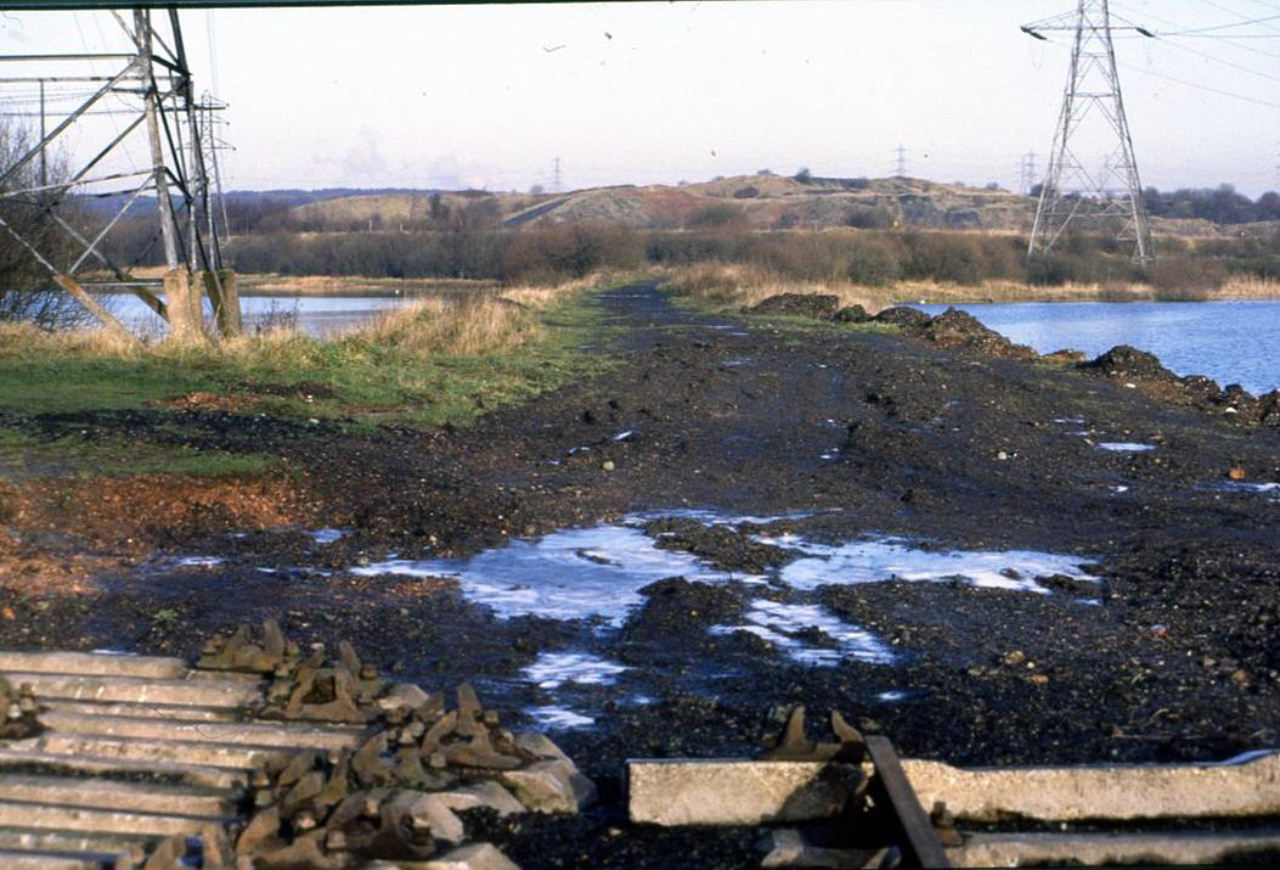
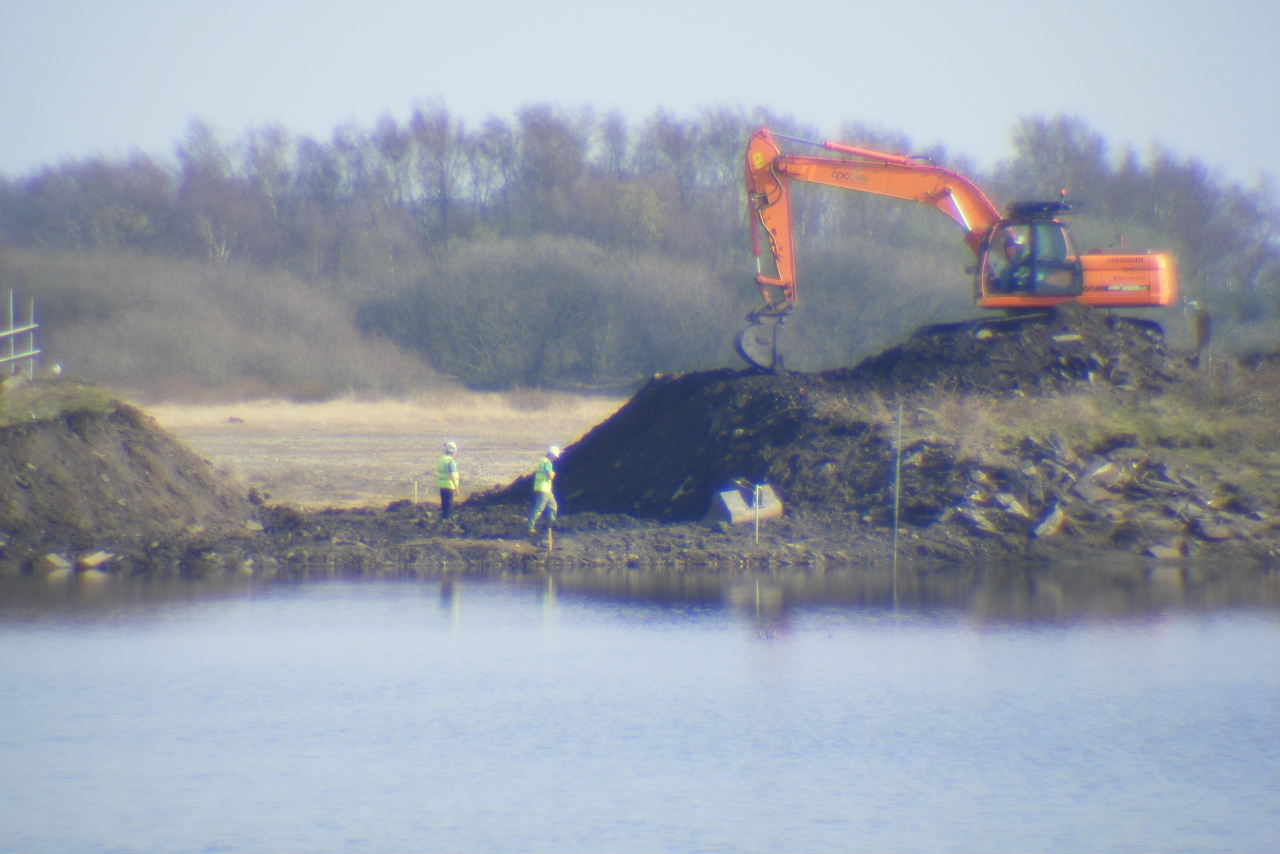
2011 – A hole in the Causeway!

2011_05280007

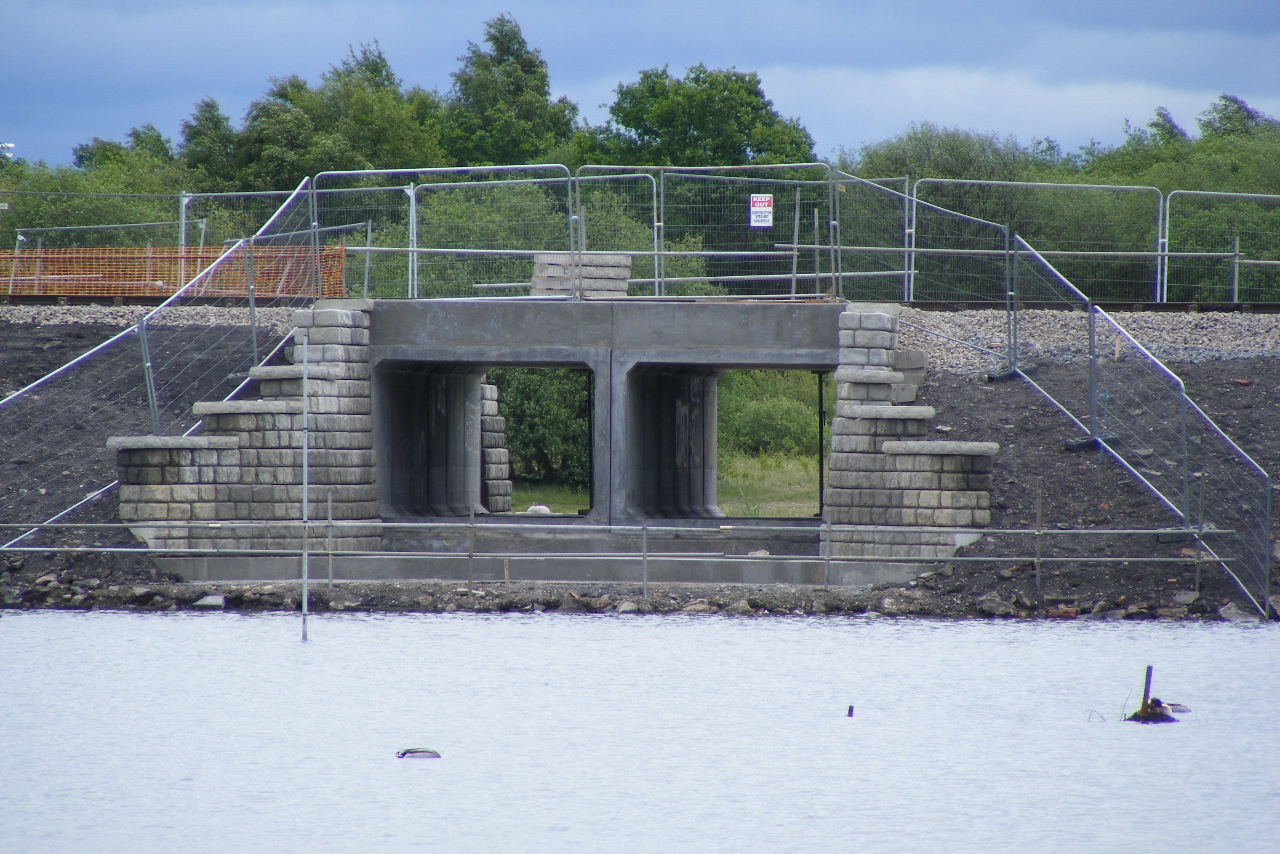
Later in 2011

2011_05280016

May 2011 – First train over re-opened causeway.

2009_09120020

Just to show steam locos use it too !!

Visiting loco ‘Wimblebury’ over the causeway.

Chasewater Railway News – June 2023

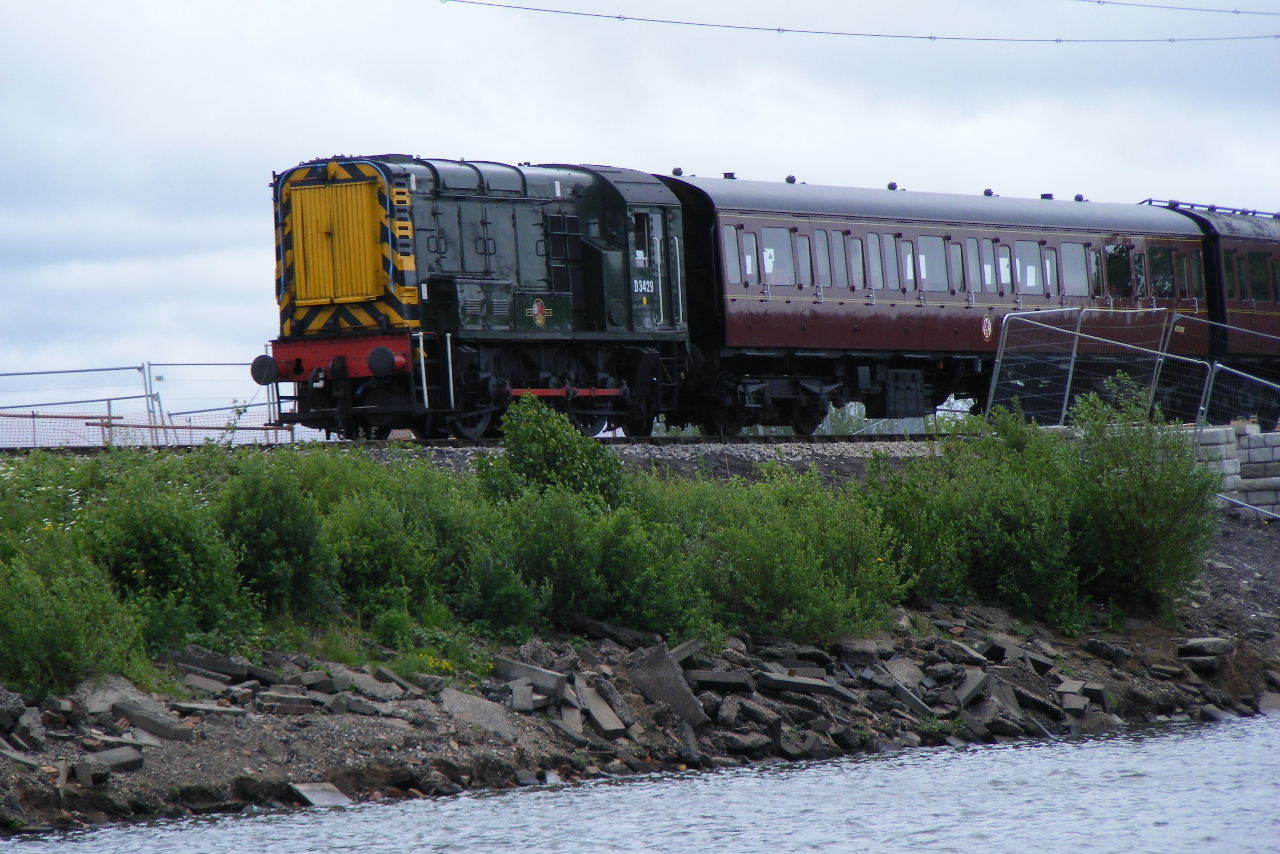
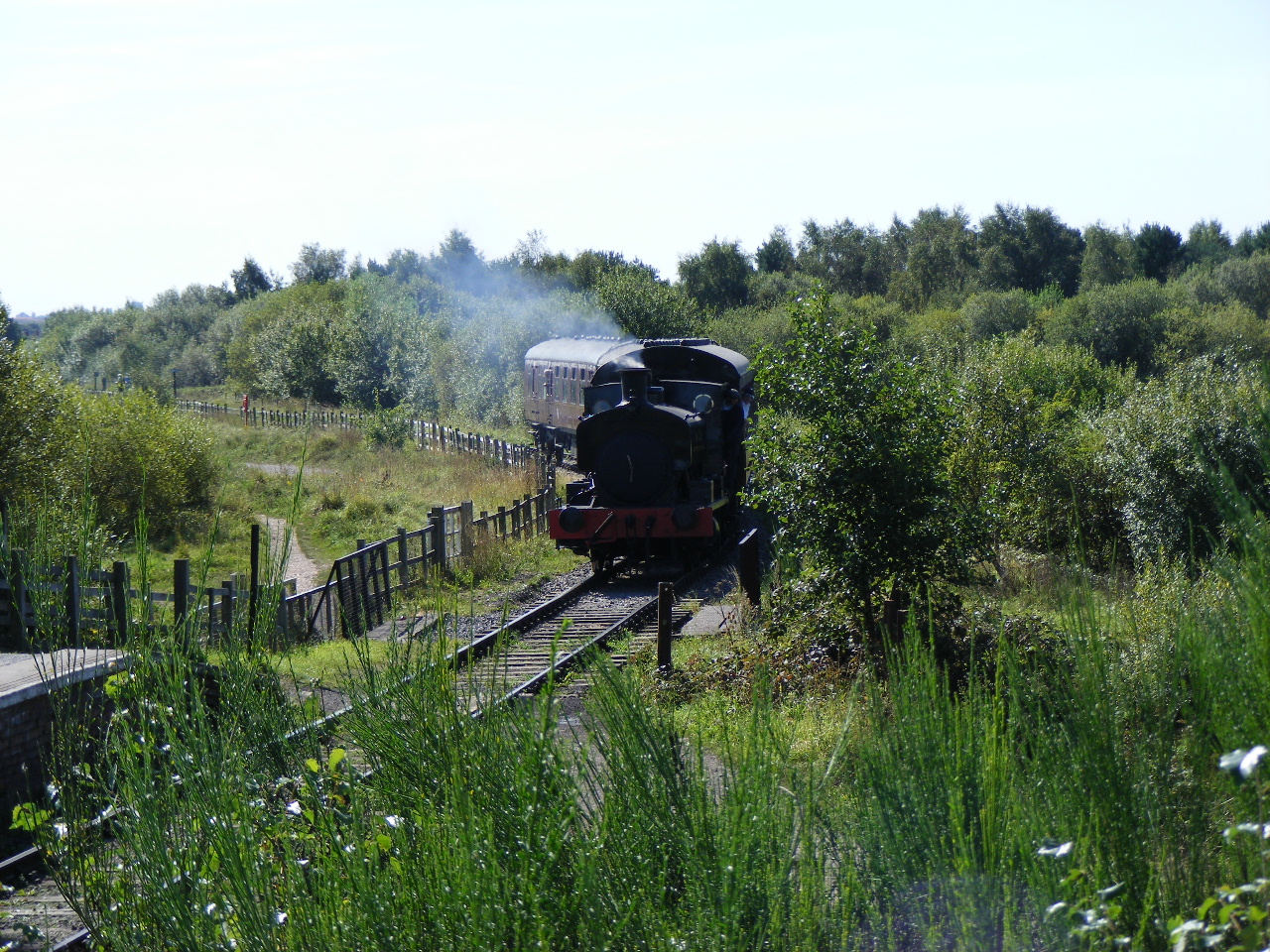
A few stills and random video clips taken on the weekend of the Miniature Madness Event.

I must say it was good to see the Heritage Centre being used for something other than a workshop.

Chasewater Railway Museum News – June 17th & 18th 2023

This weekend! Miniature madness weekend! Large gauge 1 model railway in our heritage centre, miniature engines, Narrow Gauge (Sunday only) The Museum will be closed on Sunday. Standard Gauge trains operating all weekend.

Standard fares apply! Don’t miss out!

Not Museum this time – The Sidings Tea Room News

The Sidings Tea Room

We’ve got some fantastic news to share with you all.

We have made the shortlist and we are a finalist in the Midlands Food Drink & Hospitality awards category ‘Afternoon Tea Establishment of the Year’.

We are absolutely overjoyed and are so proud to have reached the final stages along with some other wonderful businesses.

I just want to say a massive thank you firstly to my girls in the tea room who work tirelessly to help our business. Without them we wouldn’t be where we are today.

We can’t thank our customers enough, we have such a wonderful customer base and we thank you for your continued support. Hospitality isn’t an easy business and the last 12 months have been difficult with the rise in the cost of living. This is where we need your help and support, could we kindly ask you to take the time to vote for us? If you use the following link – https://www.mfdhawards.co.uk/vote-now/ and under the first category ‘Afternoon Tea Establishment of the year’ you will see we are number 10. If you could click on this and then enter your details to vote for us we would really appreciate it. It will only take a few minutes of your time, there are lots of categories with some fantastic businesses who would also appreciate your support but you can just vote in the one category if you are short of time.

Please share to help us! We can’t wait to attend the awards ceremony 💕

Image

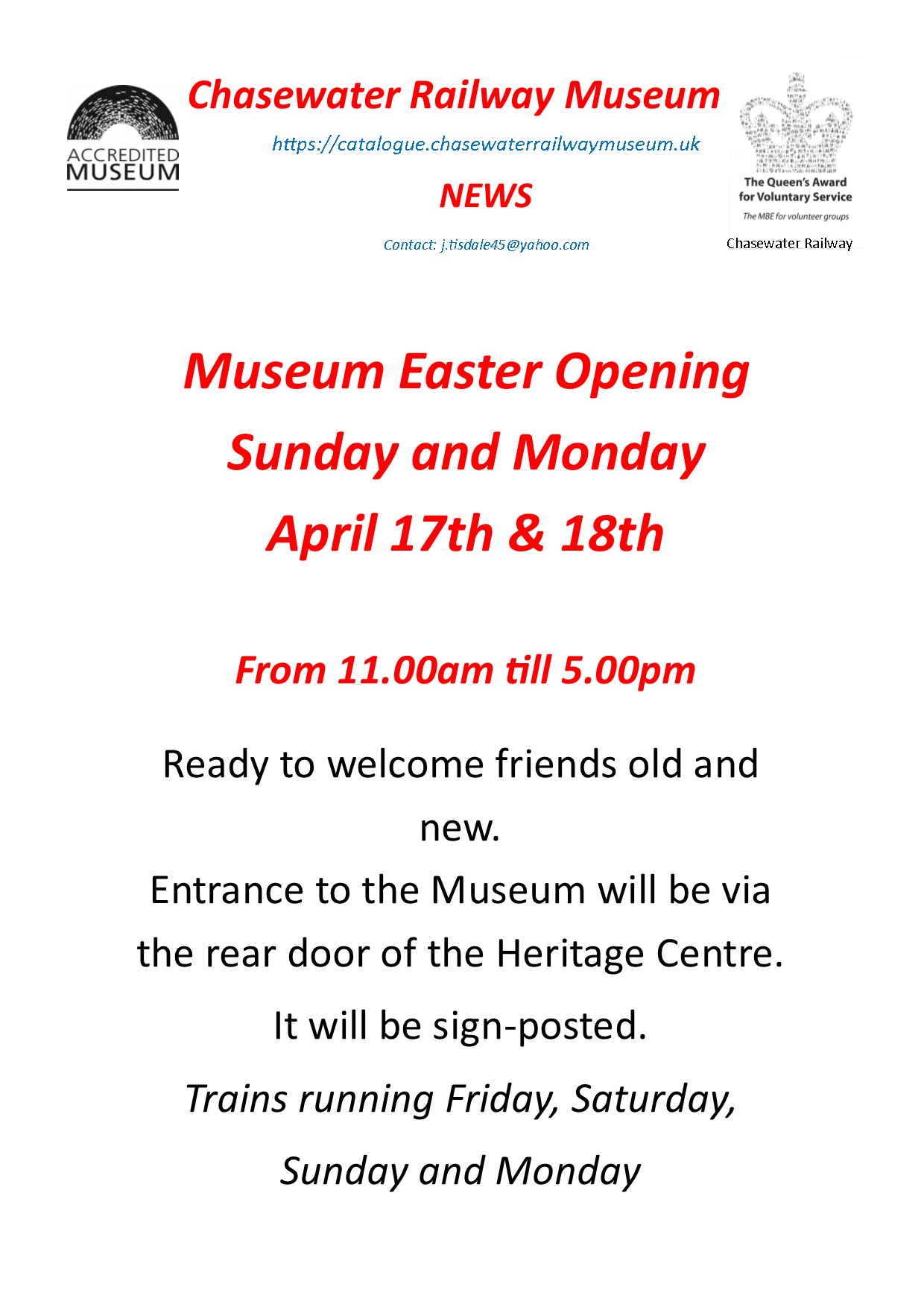
Chasewater Railway Museum News

Image

Chasewater Railway Museum 2022 opening times

Image

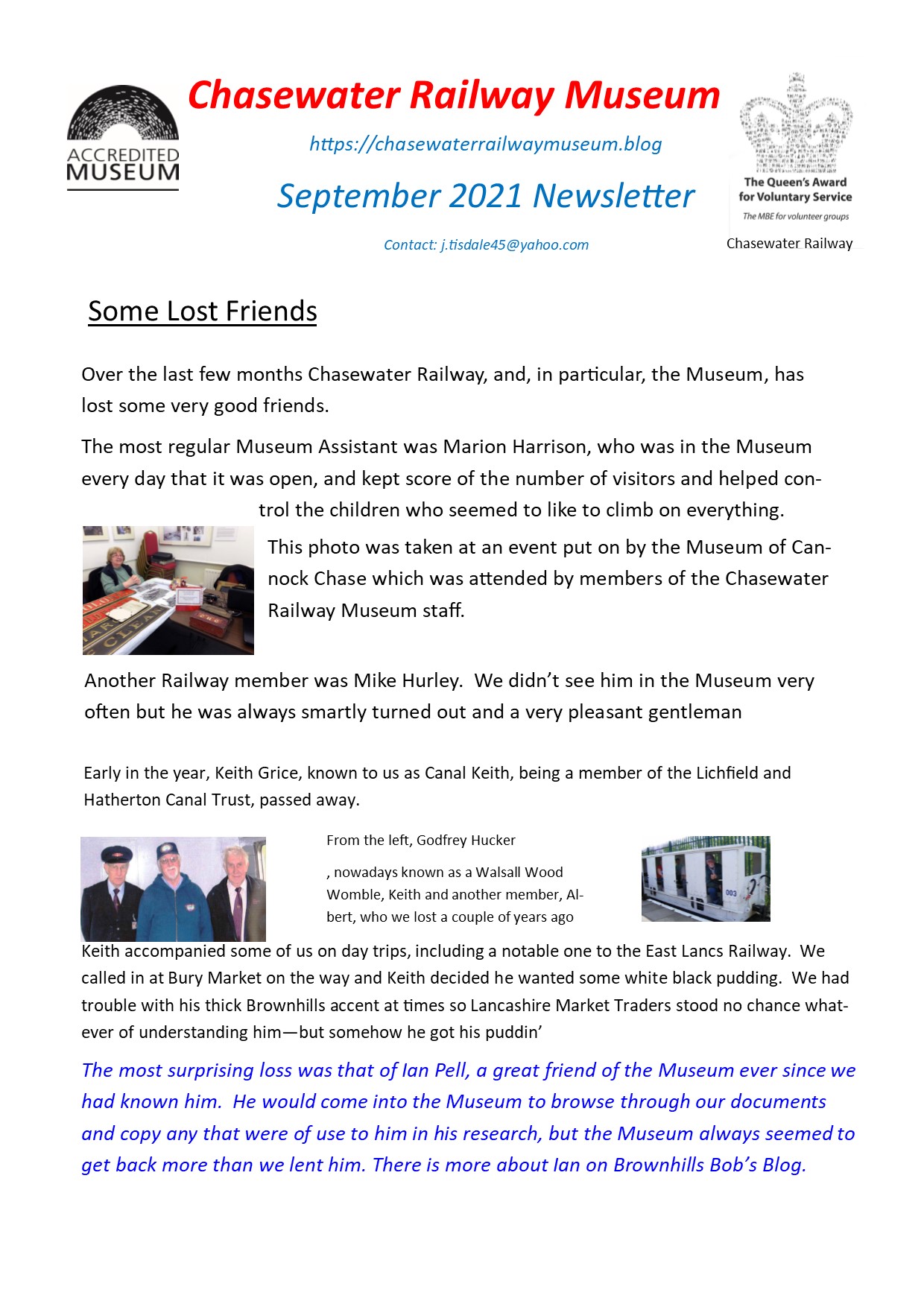
Chasewater Railway Museum – September 2021 Newsletter

Image