Category Archives: Chasewater Railway Museum

Littleton School came to Chasewater Railway!

On Wednesday December 11th 2024, 48 children and 7 teachers from Littleton School enjoyed their trip on the Santa Special at Chasewater Railway.
Part of their visit included a guided tour of the Museum, which houses memorabilia from Littleton Colliery, which is the site on which their school is built.
The photograph was taken with permission from the school.

The photographer was Godfrey Hucker, one of the Railway Museum’s knowledgeable guides.

Image

Chasewater Railway Museum News

Image

Chasewater Railway Museum 2022 opening times

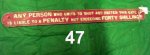
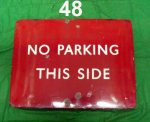
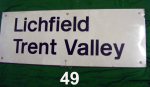
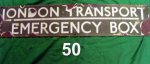
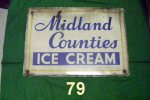
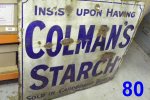
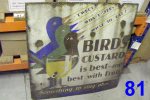
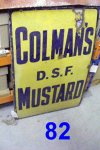
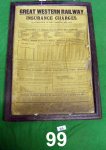
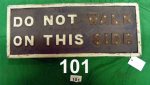
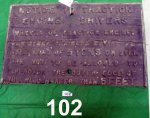
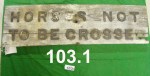
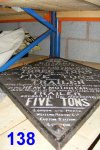
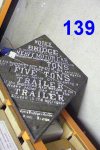
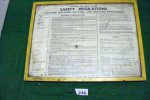
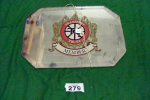
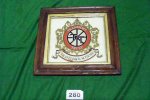
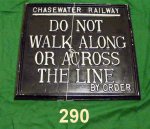
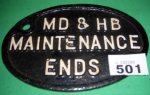
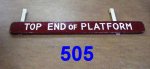
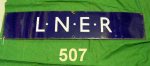
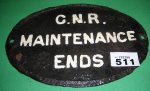
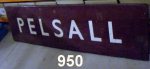
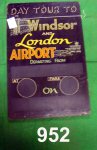
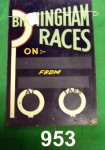
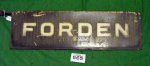
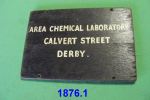
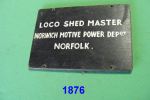
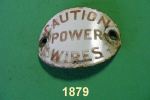
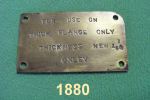
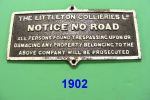
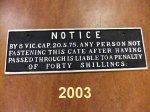
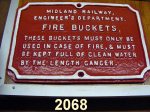
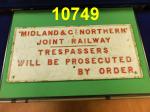
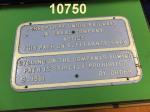
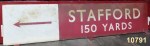
Chasewater Railway Museum Catalogue – Signage

Chasewater Railway Museum Catalogue

Signage

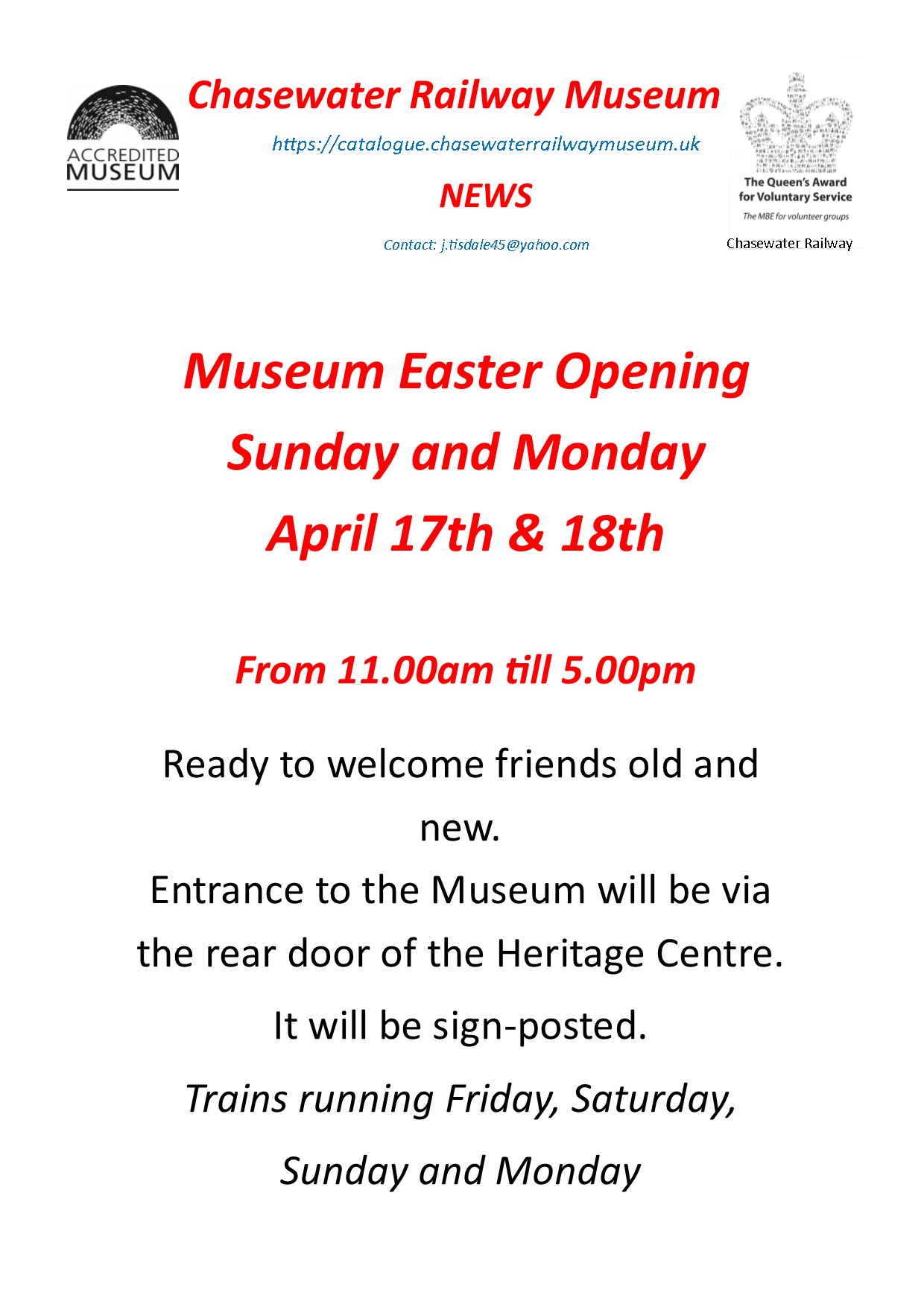
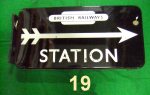
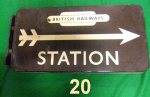
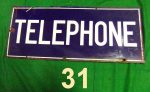
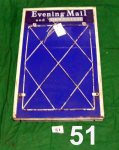
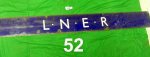
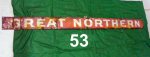
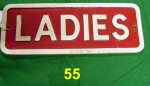
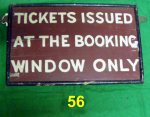
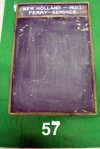
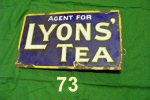
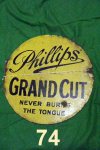
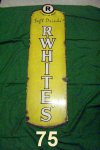
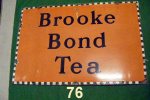
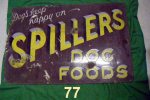
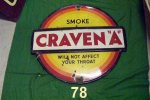
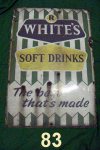
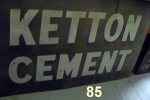
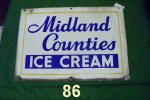
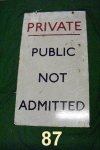
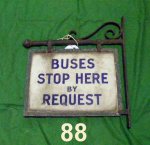
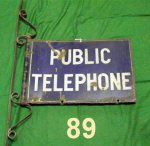
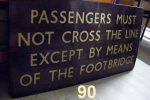
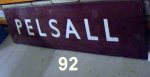
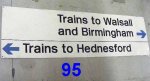
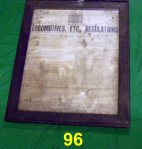
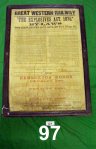
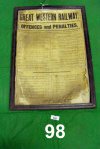
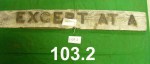
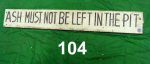
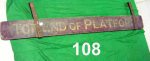
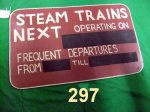
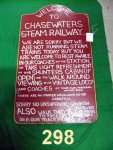
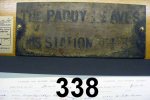
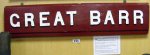
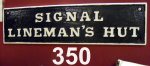
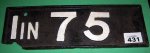
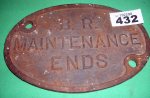
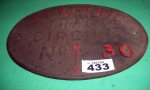
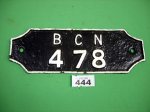
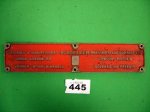
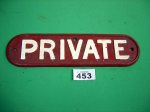
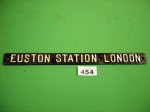
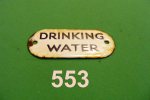
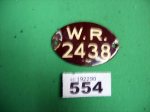
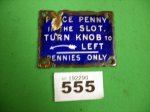
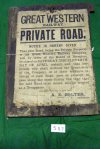
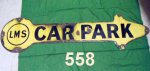
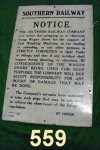
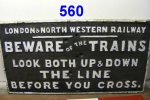
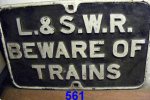
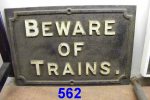
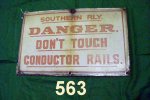
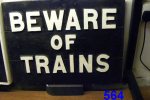
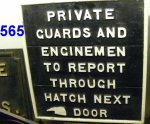
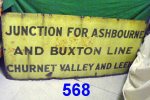
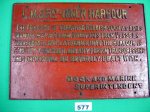
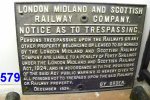
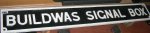
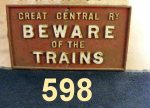
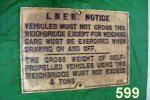
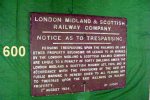
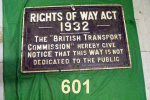
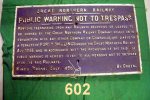
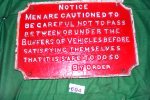
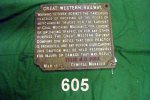
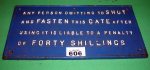
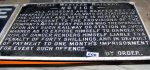
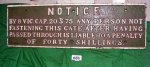
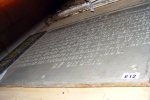
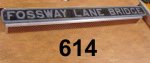
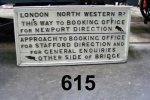
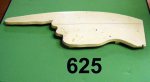
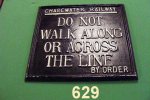
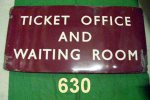
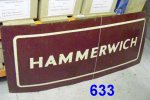
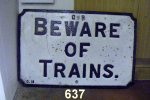
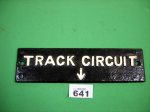
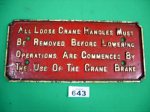
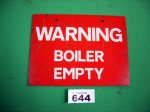
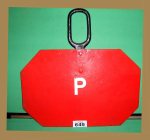
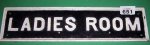
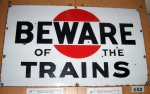
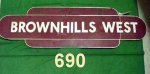
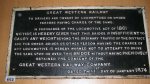
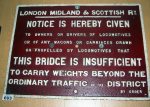
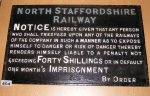
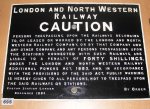
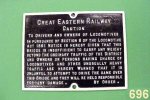
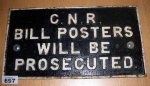
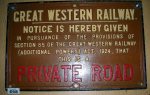
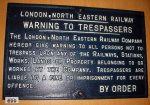
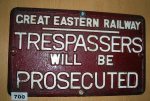
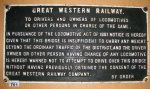
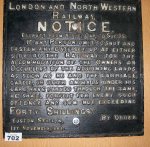
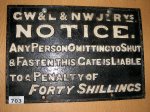
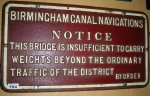
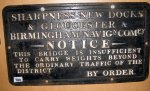
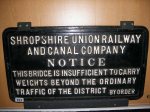
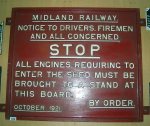
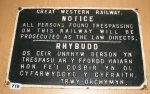
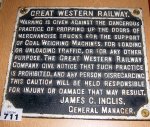
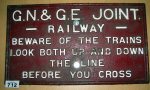
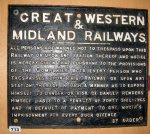
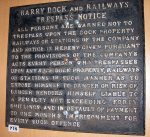
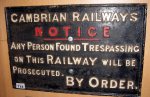
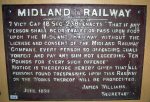
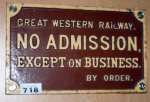
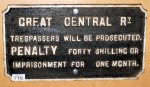
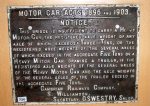
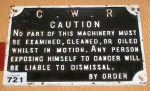
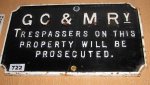
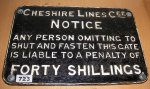
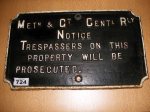
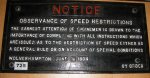
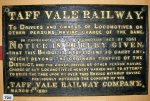
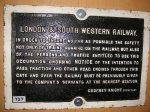
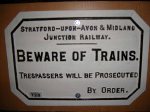
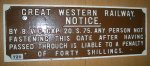
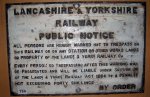
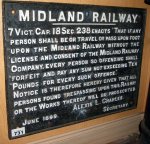
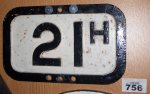
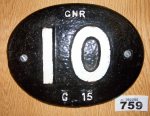
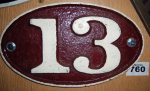
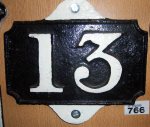
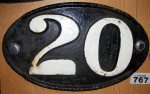
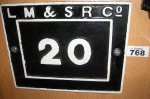
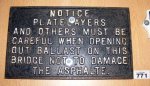
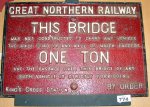
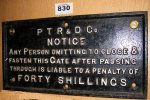
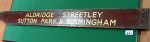
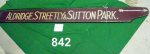
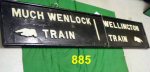
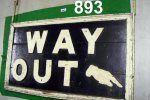
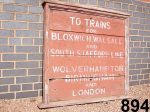
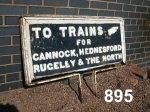
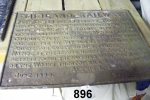
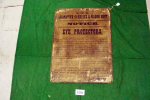
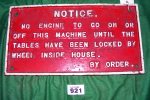
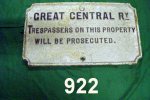
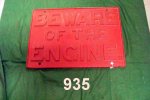
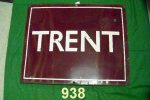
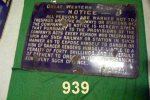
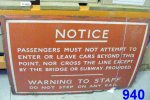
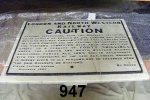
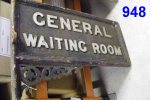
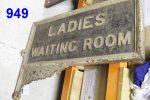
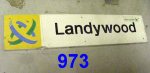
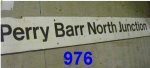
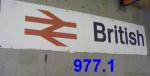
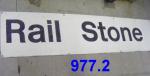
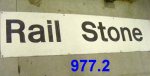
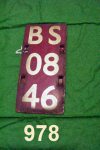
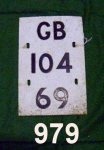
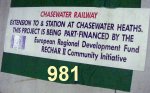
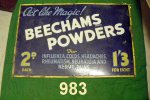
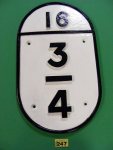
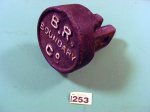
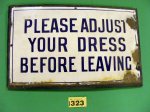
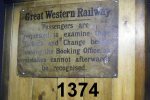
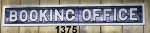
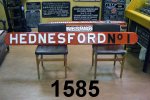
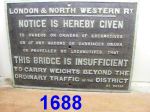
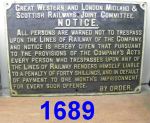
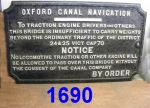
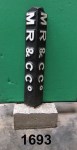
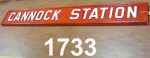
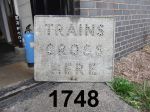
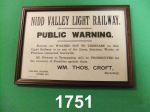
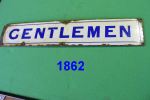
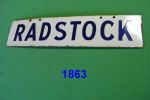
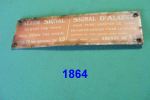
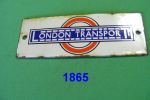
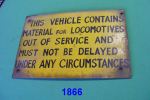
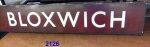
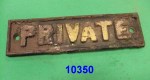
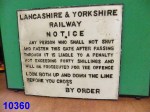
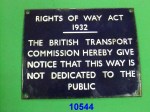
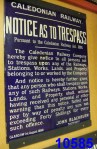
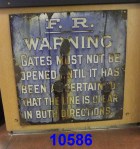
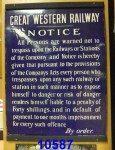
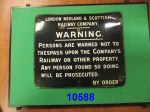
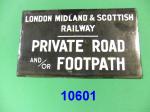
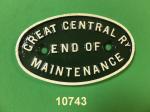
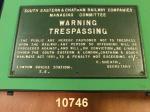
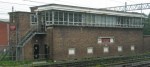
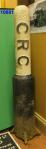
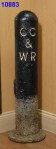
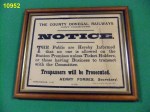
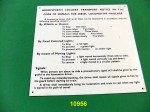
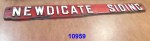
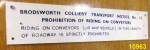
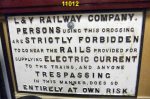
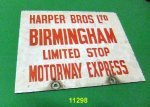
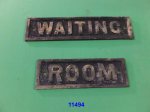
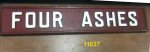
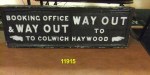
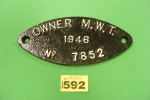
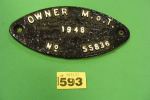
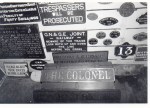
Information signs, Warning signs, etc. from various companies, and our Signal Box Nameboards.

Click on the link below to see the full list

Signage 2020 XL Files

Caption text – Object number,  name, description, maker, location’

Click on a photo to see a larger version.


Chasewater Railway Museum – Another New Acquisition

Chasewater Railway Museum

Another new Acquisition

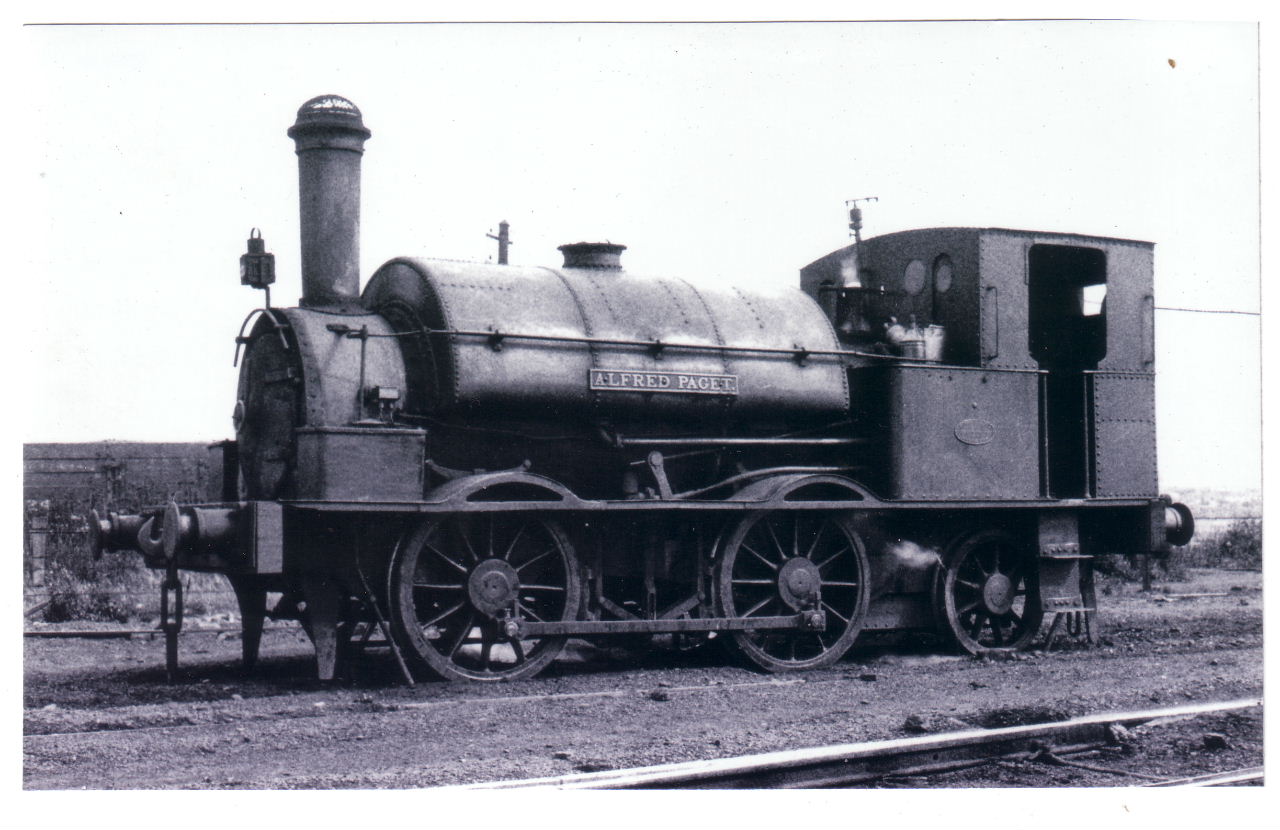
The Museum grapevine has been working well recently.  Anthony Coulls of the National Railway Museum called Mark Sealey about a worksplate off a Cannock Chase Colliery locomotive, Alfred Paget on EBay.  Mark passed the message on to Barry Bull, who signed up to EBay and eventually won the plate.

Following advice from Rob Cadman we came to the conclusion that the size of the Beyer Peacock worksplate on EBay and purporting to be off Alfred Paget didn’t quite measure up. A fraction smaller than details in the Buckle and Love worksplate book gave the game away that likely a copy of the original with if correct the usual shrinkage to be expected.  We are grateful to Rob Cadman for his research and pointing this out. However with this in mind I enlisted Rob to help with a low bid, and can report success at £104 . It is certainly possible maybe even probable that the plate was copied from an original in the NCB Chasetown workshops in the 1950s at the time when the seller’s father was employed there.

Rob has collected the worksplate from Roy Fairbanks who lives at Shire Oak.  His father Freddie Fairbanks was a loco fitter at Cannock Chase and as the pits closed he went to the Chasetown workshops. He died in 1984 and son has had it since, seems he expected it to realise £30 or so. Now Rob has it he’s coming round to the idea that it may be original. He’s now swayed to thinking it is.

It has now been decided that the Beyer Peacock 1861 worksplate is indeed an original off CCC Co loco Alfred Paget.  A good few days all round.

Footnote

The original ‘Alfred Paget’, an 0-4-2ST No.204/1861, was acquired new, scrapped by NCB at Chasetown circa 1952.  ‘Paget’ was the family name of the Marquis of Anglesey, one of the major land-owners in the district, and Chasewater Railway has kept the name – now on a Neilson engine.


Chasewater Railway Museum and Heritage Centre – March 2011

Chasewater Railway Museum

and Heritage Centre – March 2011

A few photos from the Museum taken in March 2011, plus a couple in the Heritage Centre.

Chasewater Railway Museum – Inside the Museum Coach

Chasewater Railway Museum

Inside the Museum Coach

(A while back!)

This was before my time at the railway, it always looks so clean and tidy!

Chasewater Railway Museum – Class 31 photos

Chasewater Railway Museum 

Class 31 photos

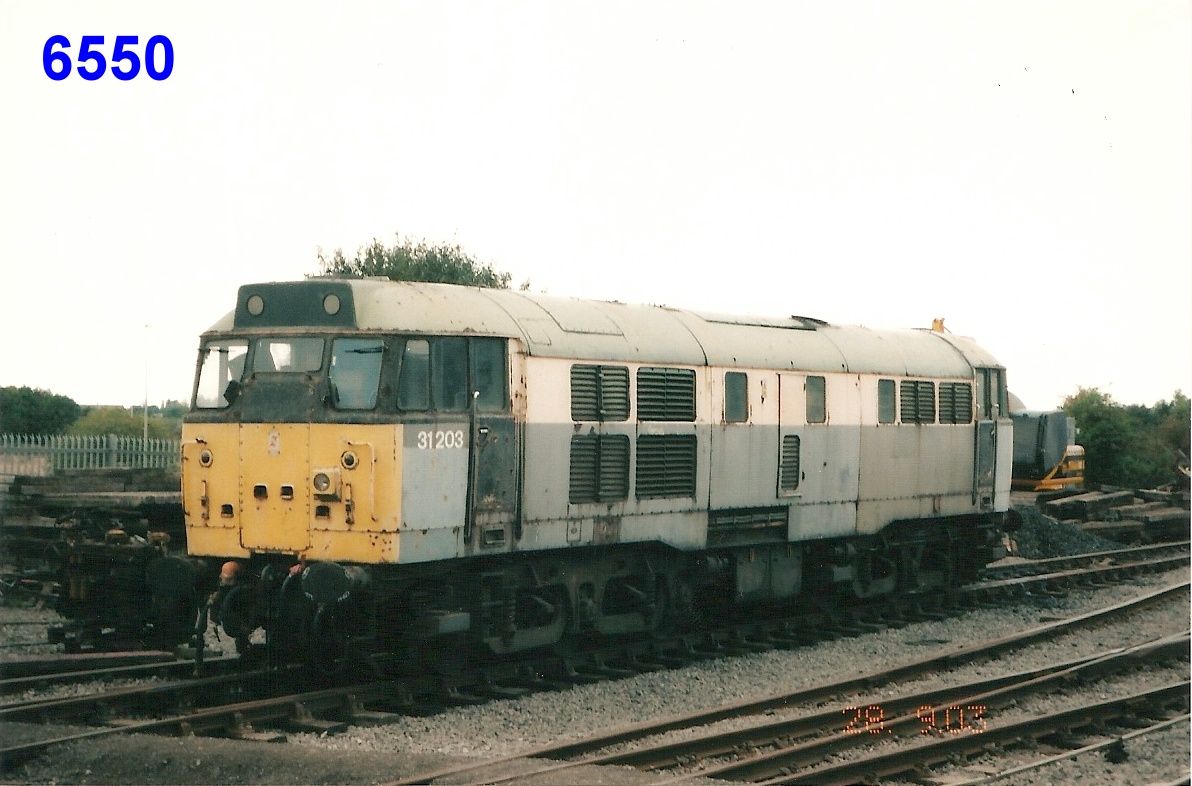
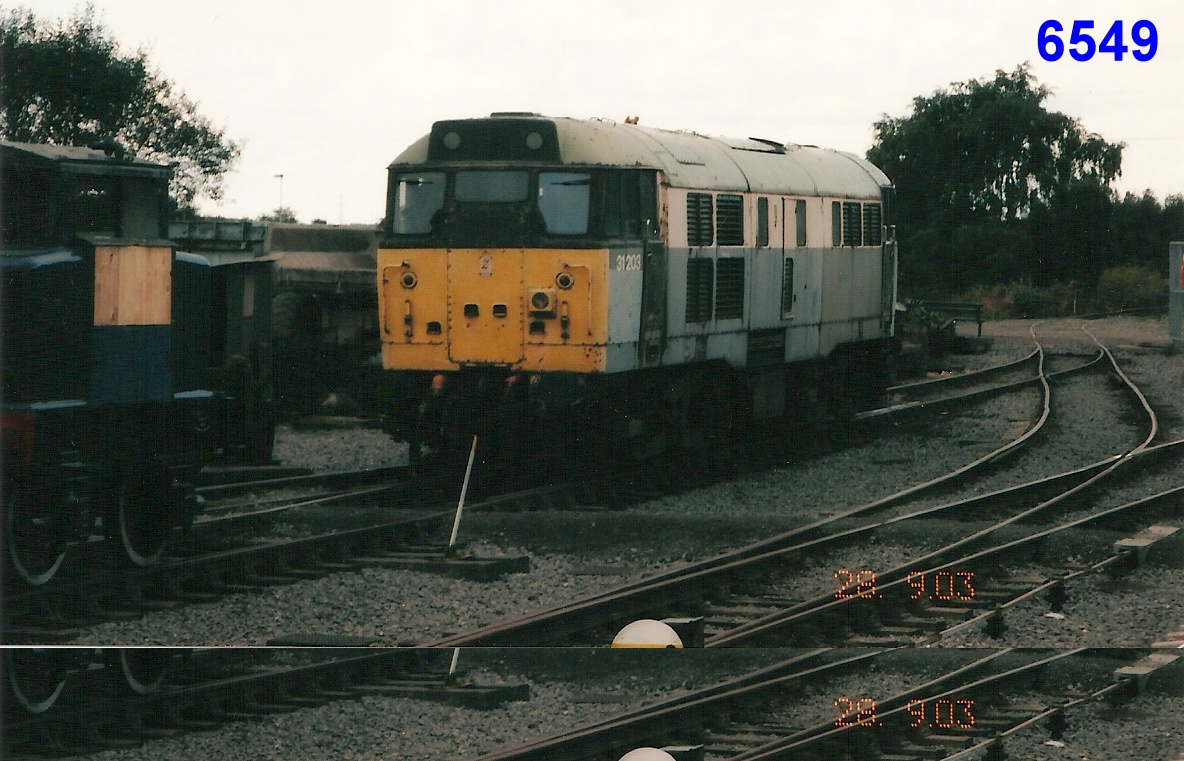
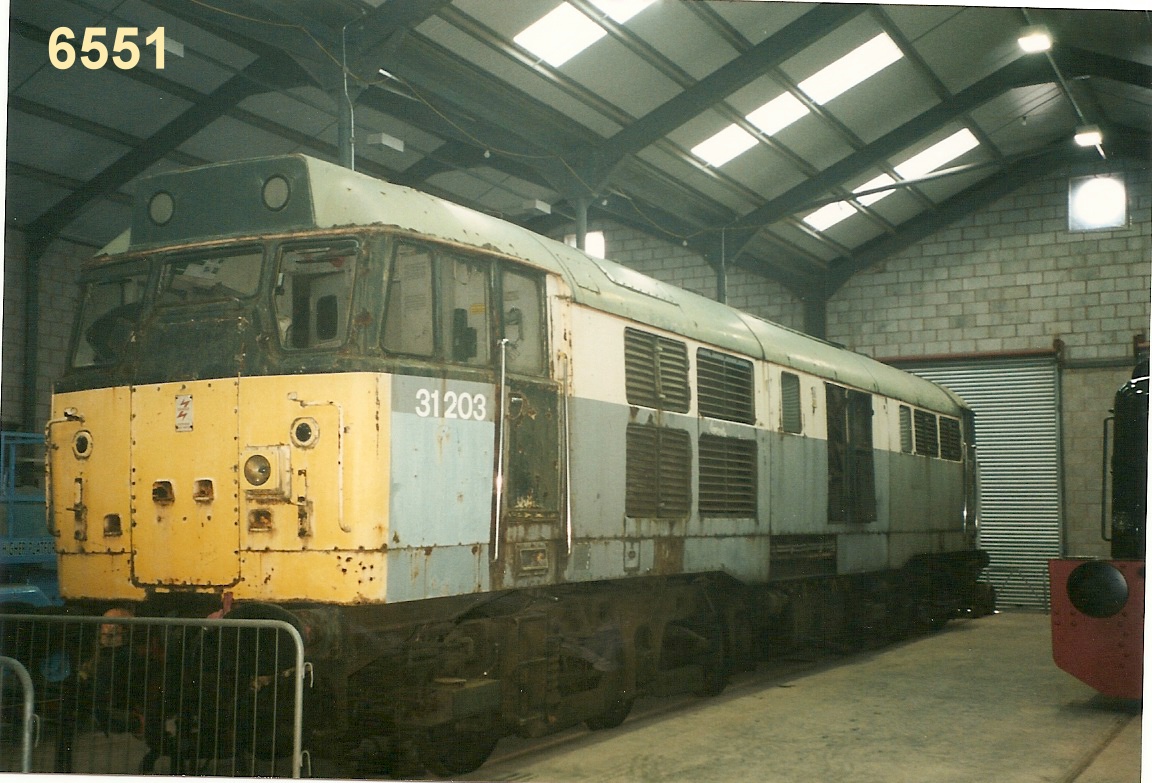
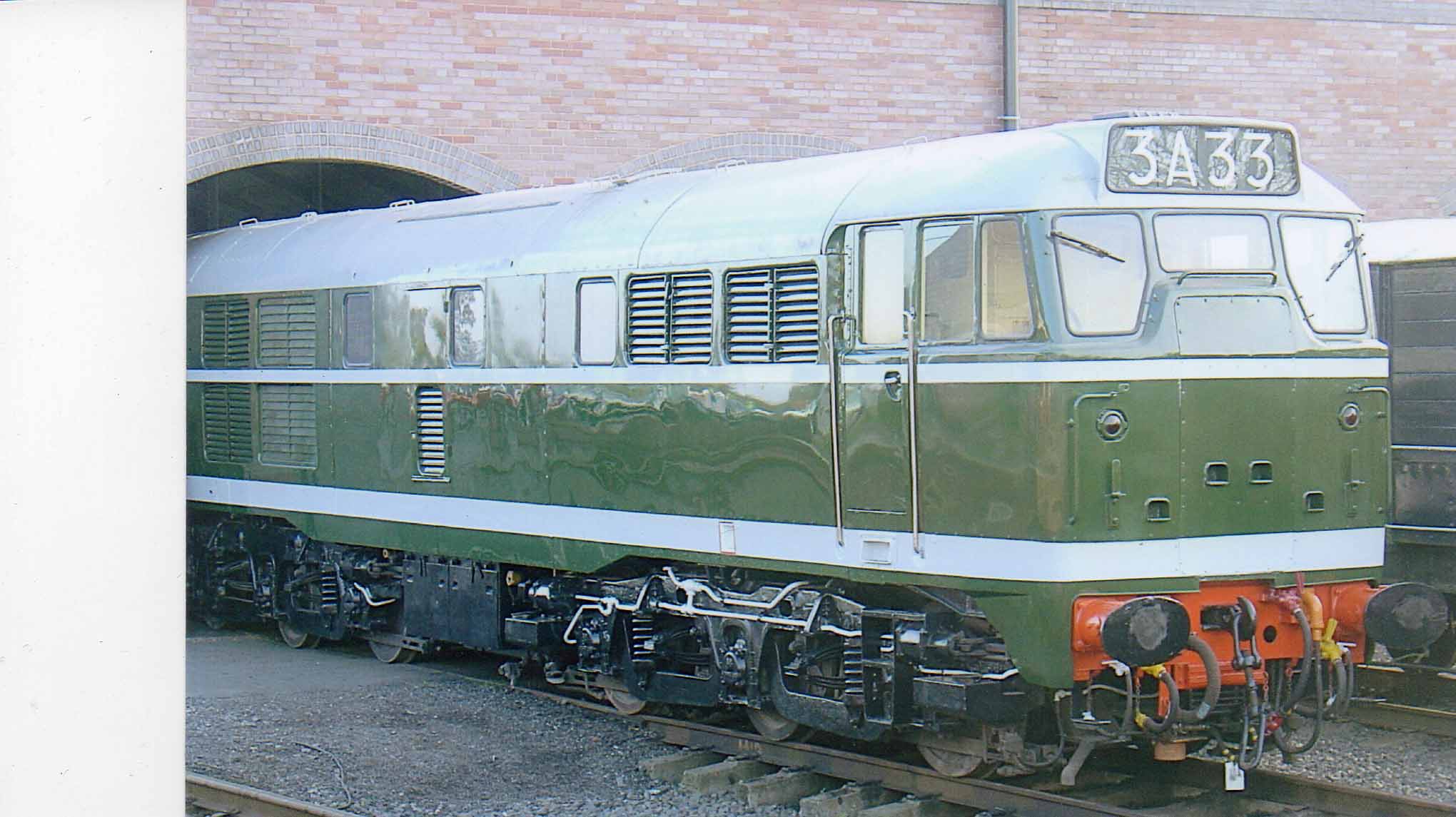
A few photos and a video clip of No 31203, owned by Les Emery, at ChasewaterJust after it arrived and later, after restoration.   The photos were given to the Museum by our friend Brian Nicholls.

Taken shortly after arrival, 28-9-2003

Taken in 2007

31203 being guided into the Heritage Centre by Jason Busby.  Steve Bray is on the far side.

I never saw the loco move under its own “steam”.

Chasewater Railway Museum Bits & Pieces 44 Aug. 1968

Chasewater Railway Museum Bits & Pieces 44 Aug. 1968
Latest Arrivals at Chasewater

People living in the houses adjacent to the line have by now become used to seeing various types of low-loaders arriving with miscellaneous items of rolling stock, in fact on one memorable day two vehicles arrived at the same time.  One often wonders what the thoughts of these people are as more and more large relics appear at Chasewater.

Several items have arrived over the last two months.  The first and in many ways the most important was the Midland Railway crane from Hednesford.  Without this, our track laying project could not have been fulfilled and over the last eight weeks it has more than made up for its three years of inactivity at Hednesford.  Apart from being a valuable historic item, it is a most useful piece of equipment.

The Whitsuntide holiday saw the arrival of the South Eastern and Chatham Railway 6-wheel full brake from the Derwent Valley Light Railway at York.

Pic: http://www.bluebell-railway.co.uk

SECR Brake No.1601

This six-wheeled van, built in 1905, is unusual in that it has both a “birdcage” lookout on the roof and side duckets for the guard. In addition to accommodation for the guard, the rest of the space was used for luggage. On withdrawal it was transferred for service use as an ARP Cleansing Van, based at Bricklayers Arms Locomotive Depot in London.

With no further use for it after the war, in 1947 it was sold to the independent Derwent Valley Light Railway in Yorkshire. On its second withdrawal from service it was bought by the Southern Locomotive Preservation Co., who moved it, with the rest of their stock, to the Bluebell in late 1971 and early 1972.

The van’s eventual restoration will require, as its first stage, the complete reconstruction of its wooden/flitch-plated underframe.

It was at Chasewater for five years before being transferred to the Bluebell Railway.  It had to be left outside for the haulage company to make an early start, and in those few hours every window was smashed. ( I know there aren’t many but…..)

This was most eventful since it arrived a day early.  The usual entrance was locked and the haulage contractors came through the main entrance.  This involved a considerable amount of shunting on their part and eventually necessitated the complete removal of the main gates.  After becoming entangled with overhead power cables the vehicle was finally unloaded without a hitch!  The carriage is in the nature of a joint venture between the Society and our good friends the Southern Locomotive Preservation Company, the latter having purchased the coach while the RPS provided the bulk of the money needed for transportation.

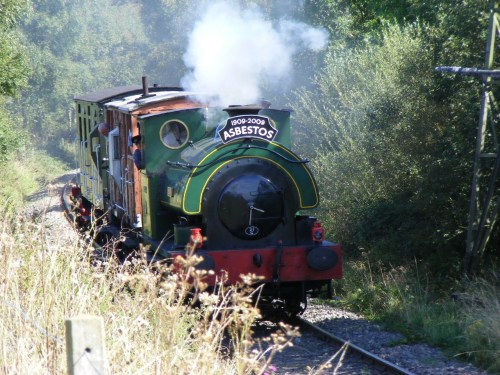
The next arrival, on June 15th, was the Hawthorn Leslie 0-4-0ST ‘Asbestos’ from Turners Asbestos Cement, Trafford Park, Manchester.  In contrast to the previous item, this arrived about five hours late and completely disrupted work for the day.  However, the sight of this immaculately maintained locomotive more than made up for any inconvenience.Pic: DM Bathurst

This was followed one week later by our most distant acquisition, the Neilson 0-4-0ST from Glasgow, vandalised the day before collection, as posted elsewhere.

Before the next influx of new items, more track will have to be laid into the compound. As soon as this is done, the peace of the neighbourhood will once again be shattered by the noise of heavy haulage vehicles.

Frank Harvey

Chasewater Railway Museum Bits & Pieces 43.1 – Neilson on its way – most of it!

Chasewater Railway Museum Bits & Pieces 43.1 – Neilson on its way – most of it!

A not very satisfactory day

By G. Wildish

June 16th 1968, we were on our way to collect the Neilson locomotive – ‘we’ being Mary Grisdale and myself, Gerald Wildish.  The 4.00am train landed us in Glasgow shortly before 8.00am and after breakfast we arrived at Gartsherrie at 8.30.  Since our last visit, the works had been completely taken over by the scrap merchants, T.W.Ward, and this was the beginning of our trouble.

Reporting at the works – the manager said ‘Oh yes, the engine is there – go up and I will join you later.’  I went to the shed and was disgusted.  Some scrap thieves had removed all the brass clack and water valves.  The coupling and connecting rods had also been removed and cut up by oxy-acetylene equipment and were lying in pieces around the engine.  I returned to the manager and told him the story, ‘Oh yes, that happened yesterday, the police have been told’ – but why hadn’t he mentioned it to me earlier!

There was one locomotive with its motions still intact – No.3, and the manager agreed that we should tale these rods.  The next job was to remove them, they were stuck fast!  Mary traced some welders nearby with some cutting equipment and I gave them a back-hander to remove these for me – it took two and a half hours to get these pieces off satisfactorily. (It is highly probable that these men were the culprits from the day before).
Meanwhile the other problem was to remove the locomotive.  The line which we were to use for the removal – which it had been promised would be left for us – had been taken up!  At 9.00am the Wrekin Haulage people arrived and I took the driver on a tour of the lines and eventually we found one road-level stretch of line, but this was a mile and a quarter away.  The problem was to get the loco there.  The diesel loco of T.W.Ward was also in trouble and was unlikely to work.  However, I prevailed on two men to start and operate the diesel, but the brakes failed.  We agreed that I should operate the Neilson as a brake.  At 11 o’clock we succeeded in getting the Neilson to the low loader.  Two hours later we had got the coupling rods off the other Neilson and taken over to the low loader by a dumper truck.On her way!

Just before 4 o’clock the Neilson was loaded, but on arrival at the works entrance, the driver estimated that he could not get out!  Half-an-hour later, with the police controlling the traffic, the lorry nosed its way out and we set off for home.

Despite all our efforts, we are still two water and clack valves and injectors short.  New piping will be required to connect them with the loco and screws holding them to the boiler will have to be renewed as these have been mutilated by the acetylene equipment.  However, we have the loco – I pray that No.3’s rods fit.  Now that Millom Haematite Iron Ore Co. is to close down, we may be able to obtain spares from their Neilson, I sincerely hope so – I have written to them in anticipation.

Steaming at Chasewater

That is the end of Gerald Wildish’s article, but just to conclude – the Neilson locomotive took a while before it was used at Chasewater but was steamed successfully from 1975 till 1982.  After some years in storage and in the Heritage Centre it has now been moved into the workshop ready for renovation work, probably after the Hudswell Clarke S100 has been completed.In the Heritage Centre workshop

PS from Barry Bull – steamed September or October 1982 for her 100th birthday together with McLaren traction engine ‘Little Wonder’, also 100 years old, owned by the late John Mayes.Picture from http://www.steamscenes.org